


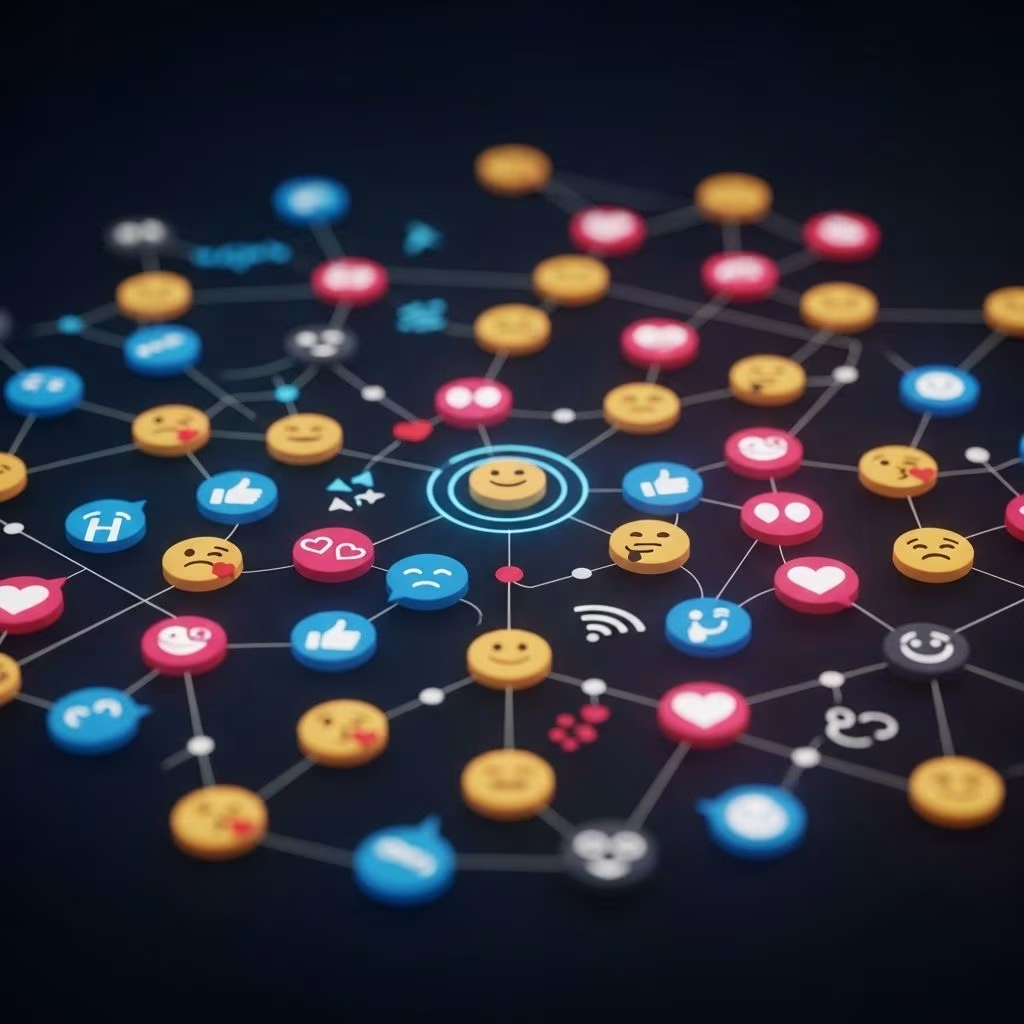
The Silent Power of Emojis in Relationships
Emojis have become a ubiquitous part of digital communication, especially in the context of modern romantic relationships. These tiny icons may seem trivial, but they are transforming how we express feelings, negotiate intimacy, and handle conflicts via text. By bridging the gap left by tone, facial expressions, and body language, emojis serve as a vital affective signal, influencing everything from flirting to serious conversations.
Emojis as Affective Signals: Why Icons Matter
Emojis aren’t just fun graphics—they’re rooted in human affect, the biopsychosocial experience of emotion. While face-to-face communication naturally conveys affect through verbal and non-verbal cues, text-based messaging often lacks these critical layers of meaning, resulting in misinterpretations and missed emotional resonance. Emojis fill this void by providing visual cues that express mood, intent, and subtle nuance, helping partners gauge each other’s mental and emotional states.
- Non-verbal communication: Emojis add back lost tone and expression to otherwise flat text.
- Rapid emotional signaling: Simple icons—like a heart or sad face—deliver concise emotional data nearly instantly.
- Cultural adaptation: Across cultures, affective expressions are essential for forging intimacy and trust, and emojis offer a new, global language for these needs.
The Science Behind Emojis & Intimacy
Research shows frequent emoji use with romantic partners deepens emotional connection and increases the chances of ongoing interaction beyond the first date. Emojis help partners self-disclose, building the trust and mutual understanding necessary for meaningful relationships. According to social penetration theory, relationships progress from superficial to intimate levels as partners engage in more affective communication. Emojis act as a catalyst in this process, making it easier to convey empathy, affection, and even vulnerability via digital channels.
| Emoji Function | Effect on Relationship |
|---|---|
| Expressing Emotion | Reduces ambiguity; makes intent clear |
| Signaling Flirtation | Facilitates playful banter; builds attraction |
| Conflict Management | De-escalates tension; softens critical messages |
| Strengthening Bond | Cultivates intimacy and trust |
How Emojis Can Make or Break Digital Romance
Navigating the Tricky Terrain of Emoji Meanings
Deciphering emoji intent can be as tricky as interpreting tone in text. The same icon can hold wildly different meanings based on sender, recipient, and context. For instance, a winky face might signal flirtation, sarcasm, or even annoyance. When meanings are ambiguous, misunderstanding can arise, leading to awkward or even hurtful exchanges.
- Role of context: Emojis derive meaning from preceding text and relational dynamics.
- Common risks: Many emojis, such as eggplants or peaches, carry overt or euphemistic sexual connotations, which can cause unintended offense or embarrassment.
- Cultural baggage: Some emotional expressions, like saying “I love you,” still carry more weight in words than any emoji can.
The Most Frequently Used Emojis—What Do They Say About You?
Regular emoji choices often reflect personality traits and emotional tendencies. Frequent use of positive emojis like hearts, smileys, or affectionate faces typically points to a warm, open communicator inclined toward empathy and connection. Conversely, those who lean on neutral or sarcastic icons may prioritize humor, detachment, or even guardedness.
Understanding these patterns helps decode emotional intent, offering partners a valuable window into each other’s inner worlds.
- Hearts: Tenderness, love, emotional openness
- Laughing Faces: Playfulness, humor, light-heartedness
- Winky Face: Flirtation, joking, subtle sarcasm
- Crying Emoji: Vulnerability, need for comfort
Real-World Impact: Emojis and Dating Success
Multiple studies show that people who use emojis more frequently in romantic interactions experience greater success in forming connections, measured by higher numbers of dates and increased physical intimacy. One study found that frequent emoji users not only got more first dates, but were also more likely to have ongoing connections, repeat meetups, and more sexual engagement. It’s not the emojis themselves that create chemistry, but their facilitation of richer affective communication.
| Emoji Use Frequency | Dating/Relationship Outcomes |
|---|---|
| High | More dates, deeper intimacy, increased sexual activity |
| Low | Fewer connections, slower progression to intimacy |
How to Master the Art of Relationship Emoji Use
Guidelines for Effective Emoji Communication with Partners
- Know Your Audience: Adapt emoji choices to your partner’s communication style and preferences. Observe their reactions and ask directly if unsure about meaning.
- Follow the Tone: Use emojis to clarify emotional tone—especially when discussing sensitive or ambiguous topics.
- Balance Is Key: Overusing emojis can dilute their impact or seem insincere, while too few may come off as distant.
- Use Caution with Risky Emojis: Sexual or suggestive emojis should be reserved for contexts where mutual understanding exists, as misinterpretation can cause discomfort.
- Stay Genuine: Select emojis that reflect true feeling and personality; authenticity builds trust.
When Emojis Control the Conversation
Occasionally, reliance on emojis for emotional signaling can undermine direct, verbal communication. Romantic partners may avoid difficult conversations or emotional disclosure by substituting emojis for real words. While emojis are a great supplement, they should not become a stand-in for honest, vulnerable dialogue. Striking a balance—using emojis to support, not replace, real conversations—is critical for healthy relationship growth.
- Emojis as Emotional Shortcuts: Useful for brief check-ins, less effective for resolving complex issues.
- Potential for Avoidance: Overreliance on emojis can mask relationship problems or delay necessary discussions.
- Intentional Messaging: Pair emojis with clear, meaningful words to maximize both affective signal and clarity.
Emojis, Breakups, and Reconnecting: Signals to Watch For
Even after relationships end, emoji usage continues to communicate meaning. A sudden flood of sentimental or nostalgic emojis from a former partner can indicate unresolved feelings or attempts at reconnection. Crying faces, broken hearts, or affectionate icons often signal emotional turmoil or hope for reconciliation.
- Crying/Effusive Emojis: Often signal regret, longing, or unresolved attachment
- Heart Emojis: May indicate lingering love or hope for renewed intimacy
- Playful/Funny Emojis: Sometimes used in attempts to rekindle lighthearted conversation post-breakup
Frequently Asked Questions (FAQs)
Q: Can emojis really deepen intimacy in relationships?
A: Yes. Research suggests frequent, thoughtful emoji use facilitates affective expression, self-disclosure, and emotional connection, all of which are essential for deepening intimacy.
Q: What are the risks of misusing emojis in romantic conversations?
A: Emojis can be misinterpreted if sender and receiver assign different meanings, especially to ambiguous or euphemistic symbols. This can lead to confusion, embarrassment, or unintended offense.
Q: Do emojis ever replace actual words in relationships?
A: While emojis are effective at signaling emotional tone, relying solely on them can hinder open dialogue. For lasting intimacy, combine emojis with honest verbal communication.
Q: Are certain emojis better for flirting?
A: Yes. Winky faces, heart eyes, and playful icons are typically used to signal flirtation and romantic interest. However, context and mutual understanding are essential to avoid missteps.
Q: Is emoji use universal, or do meanings vary across cultures?
A: While many emojis have broadly understood meanings, cultural background and individual style can alter interpretation. Engage in ongoing dialogue to develop shared understanding with each partner.
Conclusion: Decoding the Real Meaning Behind Relationship Emojis
Emojis are reshaping the way people communicate in relationships, acting as emotional amplifiers and supporting intimacy in a digital-first world. They offer unique benefits for affective communication, from clarifying intent to bridging emotional gaps. Yet, they come with pitfalls—misinterpretation, overuse, and the temptation to hide behind icons rather than words. The secret to thriving in the emoji age of romance? Use these little icons wisely, thoughtfully, and always in partnership with genuine conversation.
Quick Tips for Smarter Emoji Use in Relationships
- Observe your partner’s emoji style before following suit.
- Use emojis to clarify tone and emotional intent.
- Don’t let emojis replace honest words—combine both for true connection.
- Ask your partner directly about meanings if uncertain; don’t guess.
- Treat emojis as powerful, not perfect, emotional tools for digital intimacy.
References
- https://pmc.ncbi.nlm.nih.gov/articles/PMC6695182/
- https://www.austintherapyemdr.com/blog/feature-emoji-communication
- https://www.elitesingles.com/mag/relationship-advice/emoji-meanings
- https://www.elitedaily.com/humor/people-frequently-used-emojis/1480214
- https://www.elitedaily.com/dating/signs-hes-not-over-you/2074839
- https://www.thetilt.com/content/how-to-use-authenticity-brands-millennials
- https://wisematchmaking.com/blog/


