


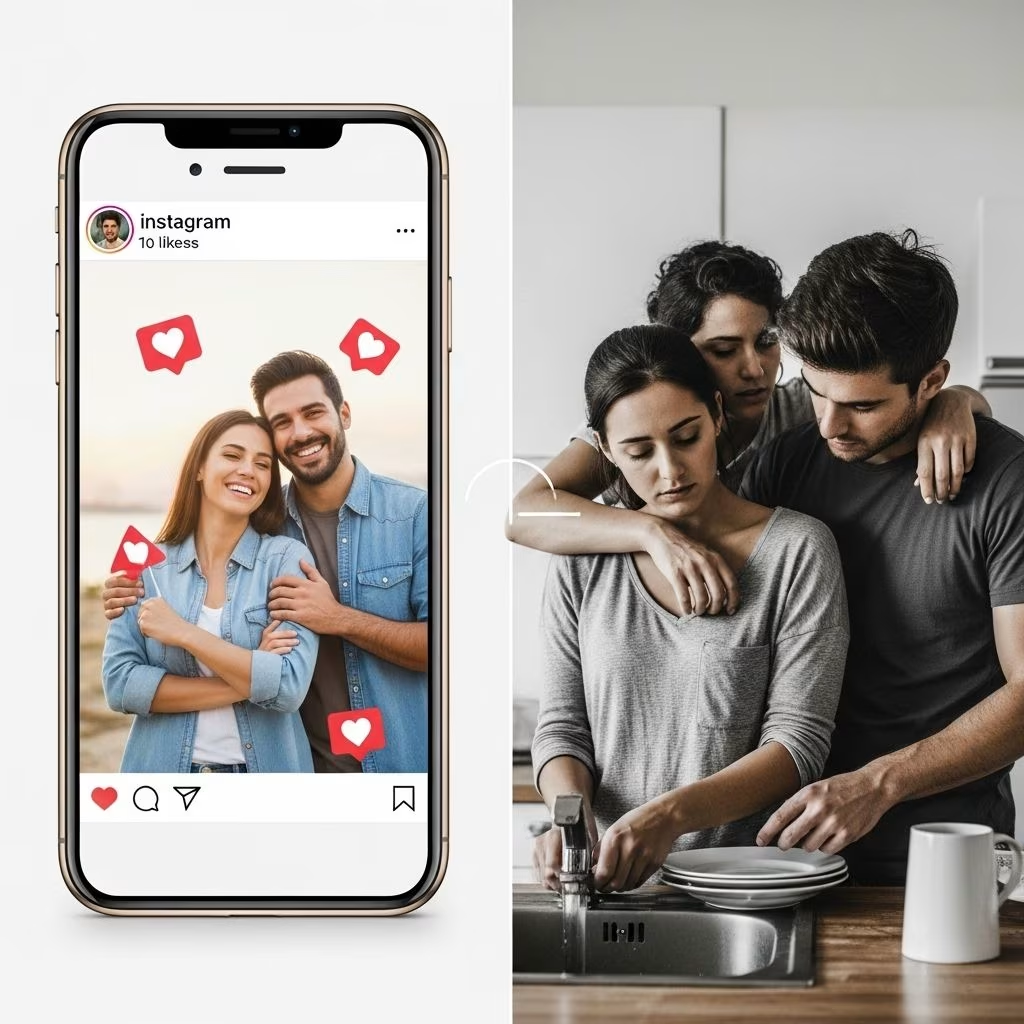
Your Relationship on Instagram vs. Real Life
We live in an era where Instagram is not just a place to share vacation snapshots or delicious meals, but a key platform to showcase love lives as well. Relationships are increasingly measured against filtered photos, romantic captions, and perceived ‘goals’—leaving us all to wonder: is our love as perfect as it appears online? Or is there a deeper story behind the carefully curated feed?
The Rise of the Instagram Relationship
Instagram has changed how couples present themselves to the world. From anniversary posts to vacation slideshows, it encourages sharing the highlights of romance and partnership. For many couples, documenting relationship milestones online seems as natural as celebrating them in person.
- Shared moments: Photos of anniversaries, vacations, and celebrations dominate couples’ feeds.
- Public declarations: Thoughtful captions, anniversary tributes, and partner shout-outs become standard social performances.
- The highlight reel: Only the best, sweetest, and most photogenic moments make the cut.
But does this digital love story match the reality of everyday relationships?
Instagram Love: The Highlight Reel vs. Real Life
What we see on Instagram is rarely the full truth. The images and captions reflect intentional choices, not the complexities of actual partnership. The ‘highlight reel’ effect means we are only seeing the sunny side—a curated collection of laughter, affection, and adventures.
- Filtered reality: Couples tend to post content that presents their relationship in the most flattering light possible.
- Omitted struggles: Arguments, disappointments, and everyday struggles are almost always left out of the feed.
- False perceptions: Followers may imagine a relationship is perfect, missing the very real challenges that exist outside the frame.
Behind each picture-perfect moment lies unfiltered experiences—misunderstandings, stress, growth, compromise. The reality is that no relationship is as effortless as it appears on Instagram, and even the most dazzling digital love stories have unseen chapters.
How Social Media Shapes Relationship Expectations
Social media’s influence extends beyond simply documenting romance. Constant exposure to idealized couples can distort our own expectations about love and partnership.
- Comparisons: Seeing others’ relationships online can make us question our own happiness and satisfaction.
- Pressure to perform: There’s an urge to keep up with ‘relationship goals’—lavish dates, extravagant gestures, beautiful photography—that aren’t always authentic reflections of real life.
- Validation seeking: Likes and comments can become a source of external validation, impacting how we view our partners and ourselves.
An increasing body of research suggests that these comparisons can negatively affect relationship satisfaction and self-esteem, making it essential to recognize the difference between what is shown online and what truly matters in a partnership.
Unrealistic Standards and the ‘Couple Goals’ Illusion
When scrolling through Instagram, it’s easy to believe that love should always be fun, passionate, or filled with grand gestures. But these carefully constructed images create a ‘couple goals’ illusion, setting unattainable standards for ordinary couples.
| Instagram Relationships | Real-Life Relationships |
|---|---|
| Staged photoshoots and romantic getaways | Shared routines, imperfections, and daily support |
| Public congratulations and online declarations | Private moments of appreciation and communication |
| Highly curated, filtered moments | Unfiltered conversations, occasional conflict, and growth |
Believing that all couples must constantly travel, gift expensive presents, or maintain unyielding passion creates disappointment and the sense that ordinary relationships are lacking.
The Pressure to Perform: Relationship as Performance Art
Instagram can turn relationships into a kind of performance. The constant need to present the ‘perfect union’ can put intense pressure on couples to portray happiness even when it doesn’t match reality.
- Maintaining appearances: Couples may hide genuine problems for the sake of a polished digital image.
- Fear of judgment: Admitting struggle can feel like failure in a space designed for success and beauty.
- Repressed feelings: Suppressing conflicts to avoid disrupting the carefully curated feed means real issues may go unresolved.
- Staying for show: Sometimes, partners feel compelled to stay in relationships for external approval, not genuine connection.
This ‘relationship as performance art’ dynamic ultimately disconnects couples from honest growth, communication, and vulnerability—the very components vital to lasting love.
Masking Real Struggles: The Hidden Costs of Curated Love
For many, Instagram is a stage to project the best parts of their partnership, but at times, it becomes a mask—hiding struggles, insecurities, or unhappiness from the audience and even themselves.
- Masking pain: Online feeds may showcase stability and joy while partners privately face challenges like financial stress, communication breakdowns, or loss of intimacy.
- Delayed growth: Focusing on appearances can stagnate relationship growth, as couples invest in looking perfect instead of addressing issues.
- Isolation: When reality doesn’t match the digital image, partners may feel isolated, believing their challenges are rare or shameful.
Authentic relationships require vulnerability—but public-facing platforms often reward only the illusion of perfection.
The Instagram Me vs. The Real Me: Authenticity in the Age of Filters
Just as individuals carefully construct personal Instagram personas, couples do the same—but there is often a significant gap between ‘Insta-couple’ and genuine connection. The urge for love, acceptance, and admiration on social media sometimes trumps the messy, beautiful reality of everyday partnership.
- People share accomplishments and hide failures, whether as individuals or as couples.
- The pressure to ‘look perfect’ can fuel anxiety and perfectionism, both on an individual and relationship level.
- Behind every enviable post are real lives—imperfect, sometimes fraught with self-doubt and struggle.
- Intimacy often flourishes in privacy, not under the scrutiny of hundreds or thousands of followers.
As social media users, it’s tempting to conflate validation via likes with the success of our partnership. Craving authenticity in the digital era means being willing to embrace imperfection, both online and offline.
Bridging the Gap: Striving for Real Connection
To resist the influence of idealized online love, couples and individuals can take intentional steps to nurture authentic relationships, on-screen and off.
- Set boundaries: Decide together what you’d like to share publicly and what will remain private.
- Focus on communication: Place real conversations and emotional connection above the pursuit of perfect online moments.
- Curate thoughtfully: Remember that sharing both ups and downs, if comfortable, can help normalize the real dynamics of relationships for others.
- Compare less: Consciously reduce the habit of measuring your love against what you see online.
- Pursue authenticity: Value candidness over curation and strive for self-acceptance, even if your relationship doesn’t always look ‘Instagram-ready.’
Frequently Asked Questions (FAQs)
Q: Does posting your relationship on Instagram make it stronger?
A: There is no evidence that frequent posting makes relationships stronger. For some, sharing moments online can foster closeness, but for others, it creates unnecessary pressure or comparison. True strength lies in communication and trust, not public displays.
Q: Why do I feel dissatisfied with my relationship after seeing couples online?
A: Social media often showcases only the happiest, most exciting moments, creating an unrealistic standard. When you compare your entire relationship—including the hard parts—to these highlights, it can fuel dissatisfaction or self-doubt.
Q: Should couples avoid posting about their relationship on Instagram?
A: It depends on your values and comfort as a couple. For some, sharing brings joy; for others, it causes stress. Openly discuss boundaries and post only what feels honest and comfortable to both partners.
Q: How do I stop comparing my relationship to what I see online?
A: Remind yourself that social media is a highlight reel—most couples only share their best moments. Focus on your unique connection, communicate openly, and practice gratitude for the partnership you have.
Q: Can Instagram ever reflect real life in relationships?
A: Instagram can show glimpses of real love but will never capture its full complexity. No matter how honest or open your posts, true connection happens in the lived, everyday experiences that often aren’t photographed or shared.
Final Thoughts: Choosing Authenticity Over Appearances
Our culture’s fascination with Instagram-worthy love makes it easy to forget that the best relationships aren’t measured in likes or filtered photos. Genuine partnership is built on honesty, shared values, and vulnerability—not curations for public consumption. As you scroll through your feed, remember: the most meaningful love stories are the ones that unfold unfiltered—in shared routines, resilience, and the quiet moments that never make it to Instagram.
References
- https://www.stylist.co.uk/life/instagram-comparing-ourselves-to-others-impact-relationships-social-media/336034
- https://www.simplypsychology.org/social-media-relationship-comparisons.html
- https://lynnecohenfoundation.org/the-seam/stories/the-instagram-me-vs-the-real-me
- https://www.psychologytoday.com/us/blog/dating-in-the-digital-age/202012/when-it-comes-relationships-is-instagram-real-life


