


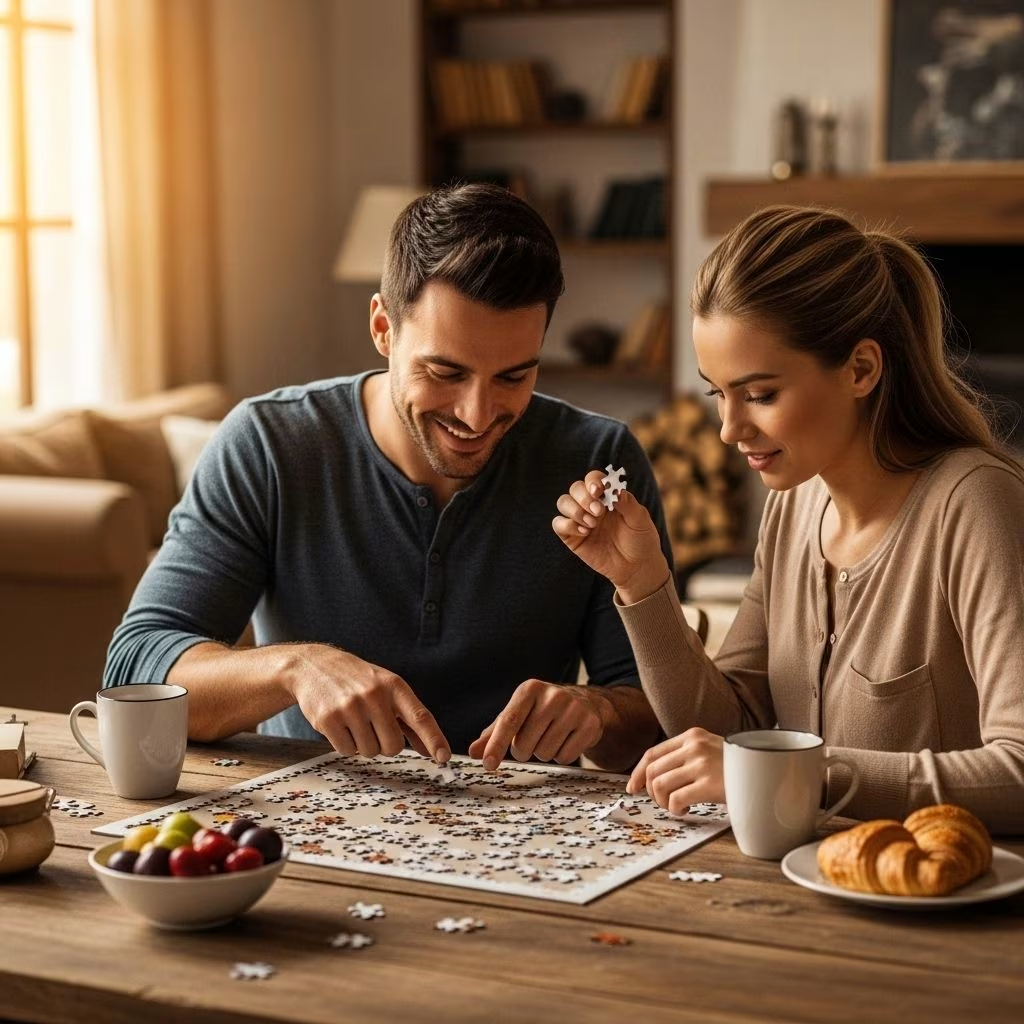
When a woman who had been married for over two decades shared her biggest relationship regret, it wasn’t about grand gestures or missed opportunities. Her advice was surprisingly simple yet profound: she wished she had learned to do things together with her husband instead of maintaining completely separate hobbies. This wisdom, spoken with a distant look that suggested years of reflection, holds a powerful truth about what makes relationships thrive over time.
Many couples fall into comfortable patterns where each partner has their own distinct interests. He watches football while drinking beer with friends; she enjoys wine nights with her circle. He plays pool every Thursday; she goes for morning runs on Fridays. He prefers sleeping in; she rises with the sun. These separate routines create parallel lives that rarely intersect, and while this independence might seem healthy on the surface, it can gradually erode the foundation of even the strongest relationships.
The reality is that relationships thrive on shared experiences and mutual engagement. Simply asking about the final score of a game or hearing secondhand about karaoke night cannot replace the richness of being present and experiencing those moments together. This doesn’t mean abandoning all individual pursuits or forcing yourself to love everything your partner enjoys. Rather, it’s about finding that crucial middle ground where you acknowledge your partner’s passions and give them a genuine chance, even if they initially fall outside your comfort zone.
Witnessing Each Other’s Passions Creates Deeper Connection
Passion ranks among the most attractive qualities anyone can possess. It’s the driving force that motivates us to pursue what we love, dedicate time to our interests, and continually improve at activities that bring us joy. When you witness your partner engaging in something they’re passionate about, you gain access to a dimension of their personality that casual conversation can never fully reveal.
Seeing your significant other in their natural element provides profound insights into who they are as a person. The concentrated focus of a guitarist lost in music, the competitive fire of an athlete pushing their limits, the creative expression of an artist absorbed in their work—these moments reveal character traits, values, and aspects of their identity that might otherwise remain hidden. When you observe the dedication your partner brings to their hobby, you understand them on a fundamentally deeper level.
This understanding works both ways. When your partner takes the time to engage with your passions, even if just occasionally, it demonstrates respect for what matters to you. They’re saying through their actions that your interests are worth their time and attention. This mutual appreciation creates a stronger emotional bond and reinforces the feeling that you’re with someone who truly sees and values you.
Moreover, watching someone excel at or simply enjoy their hobby can reignite the spark in your relationship. There’s something inherently attractive about competence and enthusiasm. When your partner lights up discussing their interests or demonstrates skill in their chosen activity, it reminds you of the qualities that drew you to them initially. This renewed appreciation keeps the relationship vibrant and prevents it from settling into monotonous routine.
Breaking Down Invisible Walls Between Partners
Every hobby you pursue separately from your partner creates an invisible barrier between you. While these walls might seem insignificant at first, they gradually accumulate until you find yourselves living increasingly separate lives despite sharing the same space. Your partner might describe their family gatherings in detail, but unless you attend and experience the warmth, the laughter, and the dynamics firsthand, you’ll never fully grasp how much those events mean to them.
These invisible walls become particularly dangerous when they breed resentment. If your partner spends every Sunday glued to football games while you feel ignored, frustration builds. If you disappear for girls’ nights multiple times weekly while your partner sits home alone, jealousy can take root. What started as innocent individual pursuits transforms into sources of conflict, with each partner beginning to resent the very activities that bring the other joy.
When too many aspects of your lives remain separate, you risk becoming roommates rather than romantic partners. You might share finances, living space, and daily logistics, but the emotional intimacy that defines a strong relationship begins to fade. You stop having shared stories to tell, inside jokes to laugh about, or common experiences to bond over. The relationship loses its vitality and becomes a practical arrangement rather than a passionate connection.
Breaking down these walls requires intentional effort from both partners. It means being vulnerable enough to invite your significant other into spaces that have been exclusively yours. It involves setting aside ego and being willing to be a beginner at something your partner excels at. Most importantly, it demands that both people recognize the value of shared experiences and prioritize creating them, even when it means stepping outside individual comfort zones.
Combining Hobbies Births New Traditions
One of the most exciting aspects of merging your interests is the potential to create entirely new hobbies and traditions that become uniquely yours as a couple. This creative fusion often produces activities neither partner would have discovered independently, adding fresh dimensions to your relationship and giving you something special to look forward to together.
Consider a couple where one partner watches football religiously every Sunday while the other finds sports utterly boring. Instead of spending those hours apart, they could transform game day into a shared experience by finding a fun appetizer recipe online and preparing it together during halftime. This simple act converts passive television watching into an interactive bonding opportunity. The partner who loves football gets to enjoy the game, while the cooking-inclined partner contributes something they enjoy, and both benefit from the collaborative experience.
Or imagine a couple where one person snowboards and the other skis. Rather than viewing this as an incompatibility, they can recognize that both activities happen on the same mountain, allowing them to share transportation, enjoy meals together at the lodge, and swap stories about their respective runs at day’s end. They might even teach each other their preferred sport, opening doors to new skills and shared accomplishments.
These combined activities often evolve into cherished traditions that define your relationship. Perhaps you establish a monthly ritual of attending local wine tastings together, or you make Sunday morning farmers’ market visits a non-negotiable part of your routine. Maybe you discover a shared love for vintage furniture hunting at estate sales, turning weekend mornings into treasure-seeking adventures. These traditions become the fabric of your shared life, creating continuity and giving you something to anticipate together.
The beauty of these hybrid hobbies lies in their uniqueness to your relationship. They’re not activities you do with friends or pursue solo—they’re experiences that belong exclusively to you and your partner. This exclusivity reinforces your bond and creates a distinct identity for your relationship beyond just being two individuals who happen to live together.
Spontaneous Shared Outings Create Unforgettable Memories
Some of the most cherished relationship memories emerge not from meticulously planned vacations or milestone celebrations but from spontaneous decisions to do something together on an ordinary day. When you and your partner share sufficient hobbies and interests, you create countless opportunities for these magical, unplanned moments that become stories you’ll tell for years.
Picture a beautiful Saturday afternoon when neither of you has obligations. Instead of defaulting to separate activities or mindlessly scrolling through phones, you call your partner and suggest apple picking at a nearby orchard. Or perhaps you notice a sign advertising a local wine tasting and decide on a whim to attend together. Maybe you spot a yard sale down the street and spend an hour sifting through vintage items, laughing at quirky finds and debating whether that retro lamp would look perfect in your living room.
These spontaneous outings carry special significance because they’re driven purely by the desire to spend time together and share an experience. There’s no social obligation, no preset agenda, no pressure to make the day perfect. You’re simply two people who enjoy each other’s company choosing to do something fun together. This simplicity creates an authentic joy that planned events sometimes lack.
Moreover, spontaneous activities often lead to unexpected discoveries. You might stumble upon a fantastic restaurant you’d never have found otherwise, meet interesting people who become friends, or discover a new hobby you both love. These serendipitous moments add richness and variety to your relationship, preventing it from falling into predictable patterns where every weekend looks identical to the last.
The willingness to be spontaneous together also indicates relationship health. It shows that you prioritize each other’s company, that you’re open to new experiences, and that you maintain a sense of playfulness in your connection. These qualities become increasingly important as relationships mature and the initial excitement of newness fades. Spontaneity keeps the relationship feeling fresh and reminds you both why you chose each other.
Learning Compromise Through Shared Activities
Compromise forms the cornerstone of every successful long-term relationship, and engaging in each other’s hobbies provides excellent practice for this essential skill. When you agree to attend an all-you-can-eat wing buffet on a Wednesday night despite it being your idea of personal hell, you’re demonstrating that your partner’s happiness matters more than your immediate comfort. Similarly, when your significant other sits through a marathon of your favorite television show even though it’s not their genre, they’re showing love through action rather than just words.
These small compromises might seem trivial in isolation, but they establish patterns that strengthen your relationship’s foundation. They teach you that love sometimes means doing things you wouldn’t choose independently simply because they bring your partner joy. They reinforce the understanding that relationships aren’t one-way streets where only one person’s preferences matter. Most importantly, they build a reserve of goodwill that you can draw upon during more significant disagreements or challenges.
The key to successful compromise is approaching it with genuine openness rather than martyred resignation. If you attend your partner’s hobby activity while silently seething with resentment, you’ve accomplished nothing except creating negative associations. However, if you approach it with curiosity and a willingness to find aspects you might enjoy, you often discover that activities aren’t as terrible as you assumed. You might not become a passionate convert, but you’ll likely find elements worth appreciating.
Furthermore, regular compromise around hobbies teaches you to distinguish between preferences and dealbreakers. Maybe you can tolerate watching football occasionally but draw the line at attending every single game. Perhaps your partner enjoys your yoga classes but prefers not to join your advanced sessions. These boundaries are healthy and reasonable, and learning to communicate them clearly strengthens your relationship rather than weakening it.
Compromise also creates balance in your relationship. When both partners regularly engage in activities outside their natural preferences for the sake of their significant other, neither person feels taken advantage of or consistently sidelined. This mutual give-and-take fosters respect and appreciation, as you both recognize the efforts you’re making to support each other’s happiness.
Finding the Right Balance of Togetherness and Independence
While sharing hobbies strengthens relationships, it’s equally important to acknowledge that complete fusion isn’t healthy or realistic. Every individual needs some activities that remain exclusively theirs, providing space for personal growth, independent thought, and individual identity. The goal isn’t to become one merged entity but rather to create enough shared interests that you feel genuinely connected while maintaining the autonomy that keeps you interesting to each other.
Think of it as the 80/20 rule in reverse. You don’t need to share every hobby or interest with your partner, but you should be willing to engage with at least 20 percent of their most passionate pursuits. If your boyfriend collects comic books and attends conventions, you don’t need to become a comic book expert yourself, but you should be willing to accompany him to Comic-Con occasionally or watch the latest superhero movie with enthusiasm rather than eye-rolling tolerance.
This 20 percent engagement serves multiple purposes. It shows respect for what matters to your partner, even if you don’t share the same level of enthusiasm. It gives you insight into a significant part of their life rather than keeping you completely in the dark. It creates opportunities for connection and shared memories around their interests. And it demonstrates that you care enough to step outside your comfort zone for their sake.
The remaining 80 percent can remain independent without threatening your relationship. You can maintain your book club, your weekly tennis match, or your pottery class without guilt. Your partner can continue their band practice, their fishing trips, or their volunteer work without explanation. These individual pursuits keep you growing as separate people with distinct perspectives and experiences to bring back to the relationship.
The crucial distinction is ensuring that separate hobbies don’t create emotional distance. If your individual activities consistently prevent quality time together, if they’re used to avoid dealing with relationship issues, or if they create resentment in your partner, then the balance has tipped too far toward independence. Regular check-ins about how you’re both feeling regarding time together versus time apart help maintain equilibrium.
Practical Steps for Integrating Hobbies
Understanding the importance of shared hobbies is one thing; actually implementing this in your relationship requires concrete action. Start by having an honest conversation with your partner about your respective interests. Make lists of your individual hobbies and identify areas where overlap already exists or could potentially develop. Be specific about activities you’d be willing to try and honest about things that genuinely don’t appeal to you.
Next, commit to trying one new shared activity per month. This could be something neither of you has done before, ensuring you’re both beginners together, which creates a level playing field and opportunities for mutual learning. Alternatively, it could involve one partner teaching the other their hobby, which builds patience and communication skills while sharing something meaningful.
Approach these shared activities with the right mindset. Remember that the goal isn’t necessarily to become equally skilled or passionate but to spend quality time together and show interest in what matters to your partner. Release expectations about perfection or immediate enjoyment. Sometimes you need multiple exposures before warming up to a new activity.
Create rituals around shared hobbies to give them staying power. If you discover you both enjoy hiking, designate the first Saturday of every month as your hiking day. If cooking together brings you joy, establish weekly date nights where you try new recipes. These regular commitments ensure shared hobbies don’t get pushed aside when life gets busy.
Finally, maintain flexibility and humor. Not every shared hobby attempt will succeed, and that’s perfectly fine. If you try rock climbing together and hate it, laugh about the experience and move on to something else. The willingness to experiment together matters more than finding the perfect activity immediately.
Frequently Asked Questions
Q: What if my partner refuses to try any of my hobbies?
A: This unwillingness to engage with your interests signals a larger problem with respect and compromise in your relationship. A partner who completely dismisses what matters to you is showing that their comfort takes priority over your happiness. This imbalance will likely manifest in other areas of your relationship as well. Have a direct conversation about why this matters to you and how their refusal makes you feel. If they still won’t make any effort, you may need to reconsider whether this relationship meets your needs.
Q: How do I know if we need more shared hobbies?
A: Signs that you need more shared activities include feeling disconnected from your partner, having little to talk about besides logistics and responsibilities, experiencing jealousy about time spent on separate hobbies, or feeling like roommates rather than romantic partners. If you struggle to remember the last time you did something fun together, that’s a clear indicator that more shared hobbies would benefit your relationship.
Q: Should I fake enthusiasm for my partner’s hobby even if I hate it?
A: Authenticity matters in relationships, so completely faking enthusiasm long-term isn’t sustainable or healthy. However, there’s a difference between forcing false passion and approaching something with genuine openness and willingness to find aspects you appreciate. You don’t need to love your partner’s hobby, but you should be able to participate occasionally without making them feel guilty about their interests. Focus on enjoying the time together rather than the activity itself.
Q: What if we have completely different energy levels for activities?
A: Different energy levels require creative solutions rather than complete separation. If your partner loves intense hiking but you prefer gentle walks, find trails with varying difficulty levels where you can start together and split up when needed, meeting up again at designated points. If one person is a morning person and the other a night owl, look for activities that work during your overlap hours. The key is finding modifications that accommodate both people’s comfort levels while still creating shared experiences.
Q: How many shared hobbies do healthy couples typically have?
A: There’s no magic number that applies to all couples. Some thrive with two or three deeply shared interests, while others enjoy dabbling in many activities together. What matters more than quantity is quality—are your shared hobbies creating genuine connection, joy, and memories? Do you both feel that enough of your lives overlap to maintain intimacy? Focus on these qualitative measures rather than counting activities.
Q: Can too many shared hobbies be problematic?
A: Yes, if sharing everything prevents individual growth and creates an unhealthy dependence where neither partner maintains separate identity. You should both have some activities, friendships, and interests that remain exclusively yours. This independence keeps you interesting to each other and prevents the suffocation that can occur when couples merge completely. Balance is essential—enough togetherness to feel connected, enough separateness to maintain individuality.
References
- https://www.elitedaily.com/dating/forget-thing-5-reasons-sharing-hobbies-will-strengthen-relationship/844418
- https://matthewhussey.com/blog/the-20-rule-of-sharing-hobbies-in-a-relationship/
- https://www.elitedaily.com/p/how-to-keep-a-ldr-fresh-even-if-its-just-a-platonic-one-8208050
- https://getuperica.com/119443/lasting-love-values/
- https://phyliciamasonheimer.com/10-ways-this-generation-can-recover-their-ability-to-be-in-love/
- https://thehobbyistpost.wordpress.com/elite-daily/
- https://selflovebeauty.com/2014/12/why-just-being-beautiful-isnt-enough-to-get-you-into-a-relationship/


