


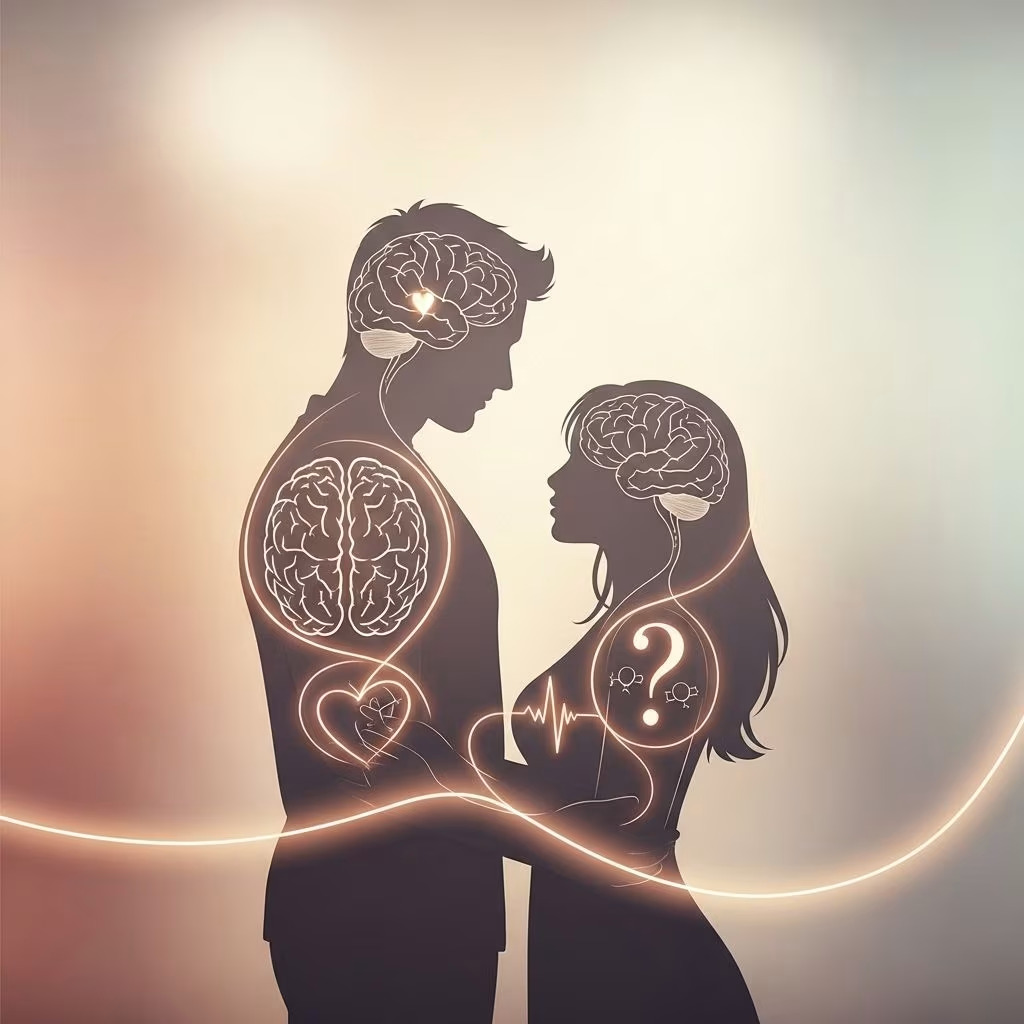
How Psychology Can Help You Find the Perfect Relationship
When it comes to dating and relationships, gut feelings and romantic chemistry often get all the credit. But according to psychology, there’s much more to lasting love than sparks and butterflies. Understanding psychological principles can help you make smarter, more intentional choices—potentially leading to a healthier, happier, and more compatible partnership.
The Science of Attraction: What Really Draws Us Together
Attraction is complex, shaped by a blend of biology, culture, and personal experience. Psychology reveals that while initial attraction is often driven by physical appearance and chemistry, lasting connections depend on deeper factors like personality alignment, shared values, and emotional intelligence.
- Biology and Chemistry: Hormones like oxytocin and dopamine play a role in the early stages of bonding and infatuation.
- Psychological Proximity: We’re more likely to form attachments with people who are physically and emotionally accessible.
- Similarity: Shared interests, values, and life goals often predict long-term success, according to research.
Understanding Compatibility: More Than Just Chemistry
Compatibility isn’t about finding someone just like you—it’s about complementing each other’s strengths and weaknesses while sharing key values.
| Factor | Why It Matters | Examples |
|---|---|---|
| Communication Style | Facilitates conflict resolution and intimacy | Active listening, empathy, openness |
| Life Goals | Aligns direction and reduces future friction | Career aspirations, family planning |
| Emotional Needs | Supports mutual fulfillment and growth | Need for affection, independence, support |
The Role of Self-Awareness in Dating
Knowing yourself—your needs, boundaries, and patterns—is crucial. Psychology emphasizes that self-awareness helps you recognize what you truly want, avoid repeating unhealthy patterns, and communicate more effectively with potential partners.
Questions to Ask Yourself
- What are my non-negotiables in a relationship?
- How do I handle conflict, stress, or disappointment?
- What past experiences influence my dating choices today?
Common Dating Mistakes and How to Avoid Them
Many dating pitfalls stem from unconscious patterns or unrealistic expectations. Here’s how psychology can help you steer clear:
- Ignoring Red Flags: Overlooking compatibility issues or unhealthy behaviors early on can lead to heartache later. Psychology encourages paying attention to your gut and evaluating red flags objectively.
- Rushing Into Commitment: Infatuation can cloud judgment. Taking time to really know someone leads to better long-term outcomes.
- Comparing to “The One”: The idea of a soulmate can set unrealistic expectations. Many successful couples grow into love over time, rather than experiencing instant recognition.
The Myth of “The One”: A Psychological Perspective
The notion of a perfect, destined partner—often called “the one”—is more myth than reality. Psychological research and couples therapy suggest that lasting love is built, not discovered—and that compatibility is as much about effort as it is about fate.
Dr. Wyatt Fisher, a licensed psychologist, notes that while some couples report a sense of certainty early on, many others develop deep, fulfilling relationships over time. The key is to focus on building connection and trust rather than searching for a magical spark.
How to Build a Healthy, Lasting Relationship
Once you’ve found a promising partner, psychology offers practical tools to nurture and strengthen your bond.
- Practice Effective Communication: Share your thoughts, feelings, and needs openly—without blame or criticism.
- Resolve Conflict Constructively: Disagreements are normal; it’s how you handle them that matters. Focus on understanding rather than winning.
- Maintain Individuality: Healthy couples support each other’s growth as individuals, not just as a unit.
- Show Appreciation: Regularly express gratitude and affection to keep the emotional connection strong.
When Balance Is Lacking: Addressing Imbalance in Relationships
Many relationships suffer when one partner consistently invests more time, energy, or care than the other. While some imbalance is normal, persistent inequality can lead to resentment and burnout.
- The “Flower” and the “Gardener” Analogy: In many relationships, one person cares for and supports the other, who, in turn, thrives under their partner’s attention. Problems arise only when reciprocity and mutual appreciation are absent.
- What To Do: Talk openly about how you both contribute to the relationship. If you feel unappreciated, give your partner a chance to show they’ll step up, but don’t be afraid to reevaluate if things stay one-sided.
Recognizing When to End a Relationship
Sometimes, the healthiest move is to walk away. Psychology identifies several signs that a relationship may not be right for you.
- Unbalanced Effort: If you’re always the one making sacrifices and feeling undervalued, it’s time to reconsider your future together.
- Lack of Growth: Relationships should help both partners evolve. If you’re stuck in unhealthy patterns with no sign of change, it might be time to move on.
- Superficial Connection: If your bond never goes beyond physical intimacy or casual interaction, deeper fulfillment may always be out of reach.
- Constant Drama: A relationship marked by frequent conflict, instability, or emotional roller coasters is unlikely to become a source of support and stability.
Putting Psychology Into Practice: Tips for Dating Success
Here’s how to apply psychological insights in your own love life:
- Be Honest About Your Needs: Don’t settle for less than you deserve. Know your deal-breakers and communicate them clearly.
- Take It Slow: Let intimacy develop organically. Don’t rush to define the relationship before you truly understand each other.
- Reflect on Patterns: Learn from past relationships. Notice any recurring issues and consider how you might address them differently.
- Stay Open, But Realistic: Allow for surprises, but remember that lasting love takes effort and patience.
5 Tiny Ways to Strengthen Any Relationship
Small changes can make a big impact. Here are five easy, research-backed ways to boost your connection:
- Express Gratitude Daily: Acknowledge the little things your partner does and say thank you.
- Practice Active Listening: Give your full attention when your partner is speaking—no distractions.
- Prioritize Quality Time: Dedicate regular time to connect, share experiences, and have fun together.
- Offer Support in Stressful Times: Be present and empathetic during challenges, not just the good times.
- Revisit Shared Goals: Check in on your dreams as a couple and as individuals, and adjust as needed.
Frequently Asked Questions (FAQs)
Q: Can psychology really help me find my “perfect” match?
A: While there’s no single “perfect” partner, psychology can help you identify what matters most to you, avoid common pitfalls, and build healthier, more fulfilling relationships.
Q: Is “love at first sight” real or just a myth?
A: Attraction at first sight is possible, but true love develops over time as you build emotional intimacy and get to know each other deeply.
Q: How do I know if a relationship is worth saving?
A: Look for mutual respect, open communication, and a willingness to work through challenges together. If efforts to improve the relationship go unanswered or you feel consistently unfulfilled, it may be time to move on.
Q: Should I stay in a relationship if I’m unhappy?
A: If you’re persistently unhappy, it’s important to communicate your needs and seek change. If your partner isn’t responsive or if your unhappiness stems from incompatibility, ending the relationship may be the healthiest choice.
Q: What’s the best way to handle a breakup?
A: Allow yourself to grieve, lean on supportive friends and family, and focus on self-care and personal growth as you heal.
Conclusion
Psychology offers valuable tools for navigating the complexities of dating and relationships. By understanding attraction, compatibility, and the importance of self-awareness, you can make more informed choices and build connections that endure. Remember, the goal isn’t to find a flawless partner, but to create a relationship where both individuals can grow, thrive, and feel truly valued.
References
- https://drdanielleforshee.com/elite-daily-when-one-person-is-more-in-love-than-the-other-heres-what-happens/
- https://www.elitedaily.com/p/why-rejecting-the-idea-of-the-one-is-act-of-self-care-8511058
- https://www.elitesingles.co.uk/em/from-single-to-couple/ending-a-relationship
- https://www.elitedaily.com/p/how-to-have-a-better-relationship-than-ever-before-according-to-a-couples-therapist-8550007
- https://thehobbyistpost.wordpress.com/elite-daily/
- https://damonahoffman.com/tag/toxic-relationships/


