


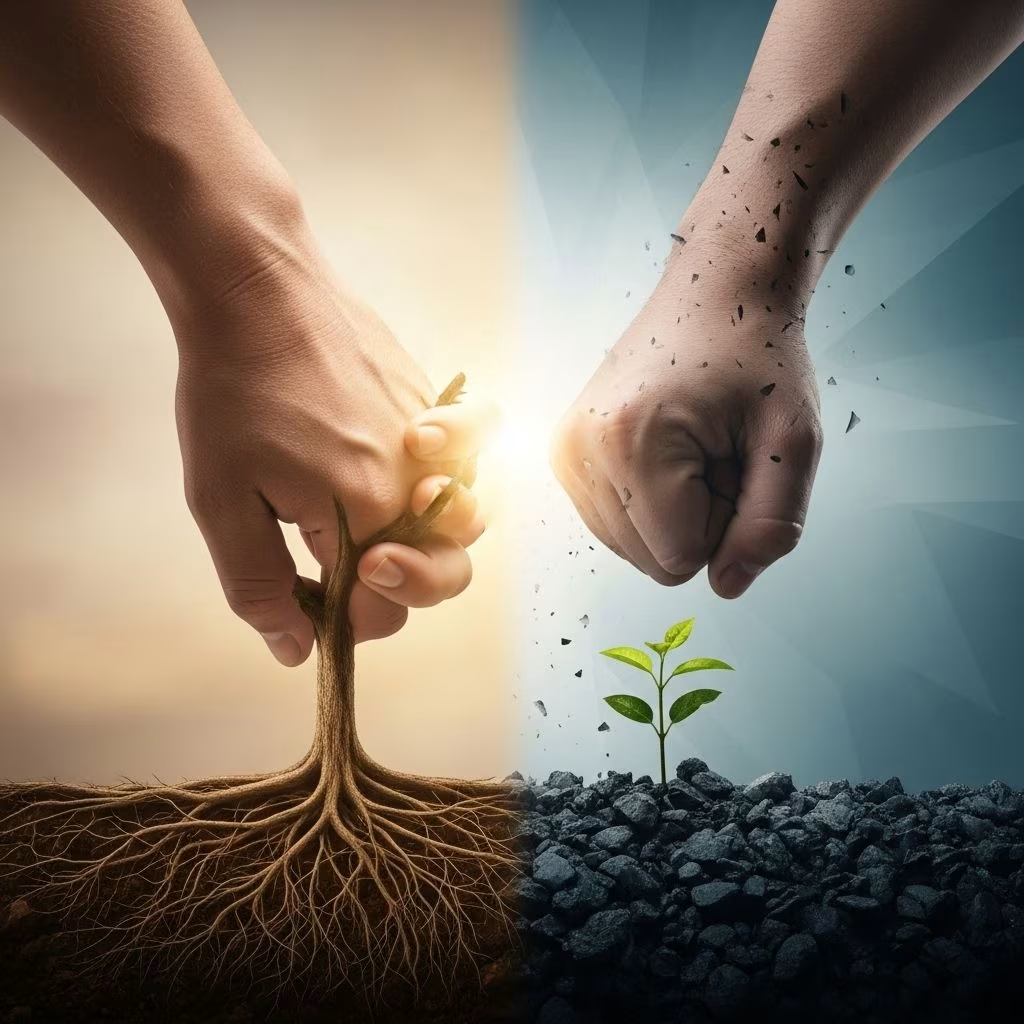
Difference Between a Mature Relationship and an Immature Relationship
Mature relationships and immature relationships stand as two distinctly different experiences in love, commitment, and personal well-being. Drawing on the core arguments and insights covered in expert discussions, this article explores the boundaries between these two relationship types and examines the transformative impact of emotional maturity.
What Defines a Mature Relationship?
- Mutual understanding and trust form the foundation.
- Partners experience peace of mind—free of constant doubts.
- Love is approached as a journey to rise together, not to fall blindly.
- Both individuals seek to grow independently, remaining whole yet choosing to be together.
- Security and confidence are present, making jealousy and threats from others less likely.
What Defines an Immature Relationship?
- Persistently filled with questions and doubts: “Does he love me?”, “Is she cheating?”
- An unending sense that something is missing, often temporarily filled with surface-level interactions.
- Relies on the relationship to complete oneself, leading to dependency and unhealthy dynamics.
- Easily threatened by others—insecurities manifest as jealousy or paranoia.
- Often “fall in love” recklessly, lacking deliberation and emotional steadiness.
Essential Signs of Mature vs. Immature Relationships
Immature Relationships Ask Questions; Mature Relationships Answer Them
Immature relationships revolve around persistent doubts and unresolved questions regarding love, loyalty, or future prospects. Partners in mature relationships have already resolved these concerns and enjoy emotional security without needing continual reassurance. The comfort they share is built on clear mutual commitment rather than fluctuating anxieties.
Immature Relationships Leave You Wanting; Mature Relationships Fulfill Your Needs
In immature connections, a continual void exists. Partners feel incomplete even when together, seeking affection or validation to mask deeper insecurities. Mature relationships, in contrast, satisfy the emotional and psychological needs of both partners, leaving no empty spaces or persistent worries. Love in mature relationships fills in the gaps individuals never realized existed.
Striving to Be One vs. Celebrating Being Two
| Mature Relationships | Immature Relationships |
|---|---|
| Two complete individuals come together to complement and empower each other. | Two incomplete people try to meld into one, seeking wholeness in another person. |
| Both grow independently, encouraging separate passions and ambitions. | Co-dependence and merging identities overshadow personal development. |
Knowing Yourself vs. Trying to Find Yourself
- Mature relationships involve individuals who understand and accept themselves. Their self-awareness enables them to offer genuine companionship rather than seeking completion.
- Immature relationships reflect a longing for self-discovery through another person, which often leads to unhealthy attachments and unresolved personal issues.
Threat Perception: Past Lovers and New Faces
- Mature couples embrace external relationships, meeting new people without feeling endangered by their presence or the partner’s past.
- Immature couples see threats in everyone—from past partners to casual acquaintances—because their own insecurity undermines trust.
Emotional Maturity in Relationships: Core Traits
Emotional maturity is the defining factor separating the healthy, sustaining relationships from those marred by constant conflict and insecurity. Mature couples display the following behaviors and attitudes:
- Open communication about needs, feelings, and boundaries without resorting to blame or guilt-tripping.
- Freedom from excessive reassurance seeking; each partner is confident in their bond and not reliant on constant affirmation.
- Capability to manage emotions and handle conflict constructively, using dialogue instead of disproportionate reactions.
- Encouragement for each other’s growth and independence, rather than restricting, dominating, or merging identities.
- Enjoyment in meeting new people and embracing each other’s histories, without feeling threatened.
Common Signs of Emotional Immaturity
- Criticizing or guilt-tripping a partner for expressing emotional needs (gaslighting).
- Constantly seeking the last word or refusing to be vulnerable or discuss difficult issues.
- Unwillingness to accept feedback or initiate change.
- Making others feel bad for their natural emotions or reactions.
- Struggling to decide what they want out of the relationship, often changing their mind or goals frequently.
Conflict: Even Mature Couples Have Immature Fights
Even in emotionally healthy relationships, immature fights can occur. The way couples handle these conflicts often determines the overall maturity of their bond.
- Home maintenance arguments: Disputes over chores can escalate, but mature couples communicate needs clearly instead of yelling or blaming.
- Attention-seeking issues: Balancing independence and emotional needs is crucial. Mature couples compromise and remain mindful, whereas immature pairs might resort to shouting or passive aggression.
- Resolution methods: Instead of prolonged hurt, mature couples favor discussion and problem-solving—using “inside voices” and expressing frustration respectfully.
Growing Together: How to Foster a Mature Relationship
Transforming an immature relationship into a mature one is often a journey of self-discovery, mutual respect, and persistent personal growth. Here are strategic steps couples can take:
- Prioritize self-awareness: Individuals must accept and understand their needs, strengths, and weaknesses outside the relationship.
- Build trust through transparency: Discuss doubts or insecurities openly without judgment or defensiveness.
- Encourage autonomy: Allow space for personal pursuits and interests that are not shared as a couple.
- Develop emotional regulation skills: Practice managing frustrations and communicating calmly even during disagreements.
- Celebrate individuality: Foster each other’s passions and respect differences, reinforcing personal growth alongside the relationship’s development.
Table: Comparing Mature and Immature Relationships
| Aspect | Mature Relationship | Immature Relationship |
|---|---|---|
| Emotional Security | Consistent, rooted in trust and understanding | Frequent doubts, requires reassurance |
| Communication | Open, honest, solution-driven | Avoidant, reactive, blame-driven |
| Personal Growth | Independent, supported by partner | Dependent, compensation for incompleteness |
| Conflict Resolution | Discuss, compromise, respect | Argue, escalate, avoid real issues |
| Trust in Partner | Stable, not threatened by others | Easily shaken by outsiders |
Frequently Asked Questions (FAQs)
Q: How can I tell if my relationship is mature or immature?
A: If you and your partner feel emotionally secure, respect each other’s individuality, discuss problems openly without fear, and trust one another even amid distractions, these are signs of a mature relationship. Persistent doubts, dependency, jealousy or the feeling that something is missing typically signal relationship immaturity.
Q: Can an immature relationship grow into a mature one?
A: Yes, if both partners commit to self-awareness, improve communication, and encourage each other’s growth, an immature relationship can evolve into a mature, fulfilling bond.
Q: Is fighting a sign of immaturity in relationships?
A: Fighting in itself isn’t always immature. The way conflicts are handled—whether through respectful discussion or blame and escalation—determines the emotional maturity of the relationship.
Q: Do mature couples ever experience jealousy?
A: Mature couples may feel jealousy occasionally but do not let it undermine their trust. They address concerns openly and value security over possessiveness.
Key Takeaways
- Mature relationships thrive on trust, security, autonomy, and clear communication.
- Immature relationships are marked by uncertainty, dependency, unresolved questions, and frequent conflicts.
- Growth towards maturity is possible with intentional self-reflection, open dialogue, and mutual respect.
- Emotional maturity is the essential ingredient for long-term relationship success and personal fulfillment.
Final Thoughts
The distinction between mature and immature relationships shapes every aspect of love, from daily interactions to lifelong commitment. Recognizing and fostering emotional maturity is not only vital for your relationship’s health but also for your personal well-being. By celebrating individuality, embracing secure love, and maintaining open communication, couples can rise together—no longer striving to fill a void, but building a partnership where both thrive.
References
- https://www.elitedaily.com/dating/immature-fights-mature-couple/1046750
- https://www.elitedaily.com/dating/mature-immature-relationship/995278
- https://nickwignall.com/7-signs-youre-dating-an-emotionally-immature-adult/
- https://www.youtube.com/watch?v=Fb3gYOMvlXM
- https://www.youtube.com/watch?v=aUH8PV4PIr8
- https://www.marriage.com/advice/emotional-intimacy/signs-of-emotional-maturity-in-relationship/


