


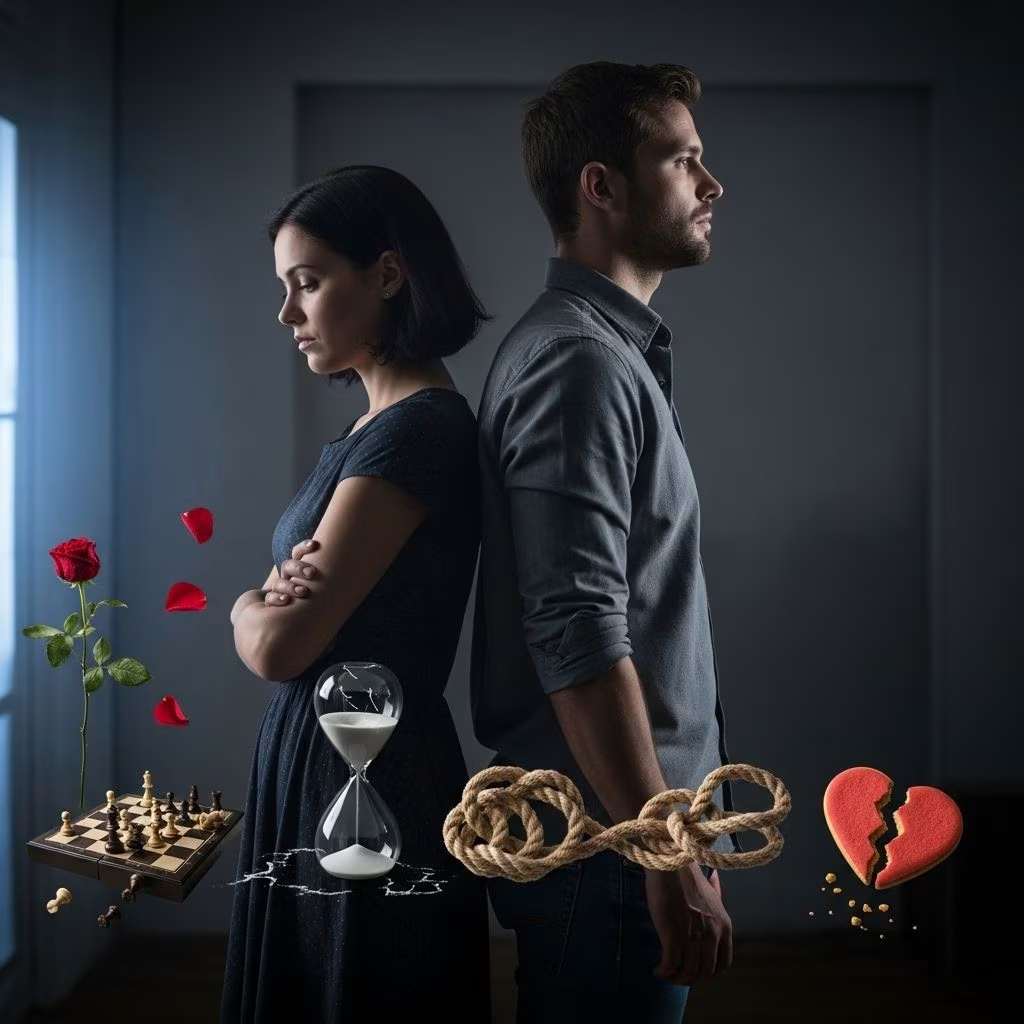
Vulnerability in relationships represents one of the most challenging yet rewarding aspects of human connection. The act of opening yourself emotionally to another person requires immense courage, especially when past experiences have taught you that vulnerability can lead to pain. Yet without this willingness to be seen, known, and potentially hurt, genuine intimacy remains impossible. Understanding what it means to be the vulnerable person in a relationship illuminates both the struggles and the profound rewards that come with emotional openness.
The Nature of Vulnerability in Romantic Relationships
Being vulnerable means removing the protective walls we’ve constructed around our hearts and allowing someone to see our authentic selves. This includes sharing our fears, insecurities, dreams, and past wounds without the guarantee of acceptance or reciprocation. Vulnerability manifests in countless ways throughout a relationship—from saying “I love you” first to admitting when you’re scared, from asking for help to sharing the parts of your history you’d rather forget.
The vulnerable person in a relationship often carries an invisible weight that others may not immediately recognize. They experience emotions with heightened intensity, process interactions more deeply, and invest themselves more completely in the connection. This emotional investment creates a paradox: the very quality that enables profound intimacy also exposes them to potentially devastating hurt.
Understanding the Highly Sensitive Partner
Highly sensitive people in relationships often appear contradictory to those who don’t understand their internal landscape. On the surface, they may seem distant, guarded, or even indifferent. They’ve learned to protect their deeply feeling hearts with layers of defensive mechanisms that can make them appear emotionally unavailable. This protective exterior develops not from coldness but from an overwhelming capacity to feel everything intensely.
When emotions do surface unexpectedly, sensitive individuals often feel embarrassed by the intensity of their feelings. The deluge of emotions can overwhelm not only themselves but everyone around them, leading them to keep their feelings carefully contained. They dull their senses and protect themselves with indifference because disappointment feels unbearable when you feel everything so deeply.
These individuals typically keep one foot out the door at every relationship stage. Their fear of vulnerability manifests as self-sabotage, particularly when things are going well. They make potential partners chase them—not as a manipulative game but as a desperate attempt at self-protection. By caring less, answering “no” more often than “yes,” and treating others as disposable, they maintain emotional safety. Revealing their true feelings requires coaxing and persistence because offering vulnerability willingly feels terrifying.
The Transformation When Walls Come Down
When someone finally penetrates the protective barriers of a highly sensitive person, everything changes. Once they allow themselves to fall and open up completely, Pandora’s box opens and cannot be closed again. At this vulnerable stage, every word and action from their partner affects them profoundly. Fear takes over, and they struggle not to take everything personally.
The newly vulnerable person needs constant reassurance of safety in the relationship. They may feel needy when their partner isn’t immediately available, and conflicts can escalate quickly. When hurt, they operate on two primary levels: intense rage or overwhelming sadness. Their emotional responses match the depth of their feelings—when wounded, they can hurt their partner far more deeply than they themselves were hurt.
Insecurity becomes a constant companion at this stage. Frequent discussions about the relationship’s direction emerge because they’ve invested so completely that the thought of it ending feels catastrophic. They know that if the relationship fails, they will be utterly shattered by the loss.
Why Opening Up Matters Despite the Risk
Despite the terrifying prospect of potential heartbreak, vulnerability remains essential for authentic love. You cannot truly fall in love without making yourself vulnerable—it simply isn’t possible. Love encompasses more than appreciating someone’s appearance, personality, or life circumstances. Genuine love includes loving how someone loves you, what you mean to them, and how they treat you.
Without vulnerability, your partner can never fully know your true worth. The most beautiful and attractive aspect of human nature lies in our capacity for vulnerability. It serves as the foundation for trust, and without trust, real love cannot exist. When you refuse to open up, you guarantee that your loved one will never understand what makes you special or see your authentic self.
The Cost of Emotional Protection
Building walls and maintaining emotional distance might protect you from immediate pain, but it prevents you from experiencing the full richness of human connection. When you keep yourself small and push people away to avoid feeling vulnerable, you simultaneously close yourself off from joy, belonging, and authentic connection. The armor that shields you from hurt also blocks out the butterflies, shivers, and excitement that make love worthwhile.
Many people hold back parts of their past, wanting to forget painful experiences or avoid judgment. While pacing disclosure appropriately early in relationships makes sense, eventually you must share your complete self—the good and the bad. Asking yourself why you want a relationship in the first place reveals the answer: you’re seeking someone to share your life with, someone who will stand by you when no one else will. Achieving this connection requires vulnerability.
The Full Emotional Experience
Embracing vulnerability provides access to the complete emotional spectrum. As research on emotional numbing demonstrates, we cannot selectively turn off uncomfortable emotions while preserving access to positive ones. When we attempt to shield ourselves from disappointment, fear, or sadness, we simultaneously diminish our capacity for joy, excitement, and connection.
Relationships naturally involve emotional highs and lows. When we embrace vulnerability, we gain the full experience—the risk of hurt or disappointment balanced against the possibility of true joy, deep connection, and genuine belonging. Vulnerability allows us to remove our tough exterior, invest completely, and feel all the lovely, unpredictable, exciting aspects of love that cannot be experienced through armor.
Vulnerability awakens other crucial life values including connection, creativity, authenticity, and clarity. These qualities flourish when we allow ourselves to be truly seen. While putting up walls, pushing people away, and keeping ourselves small might provide temporary safety, these protective measures prevent us from investing our whole hearts in love, life, and our aspirations.
Navigating the Aftermath of Vulnerability
When a relationship ends after someone has made themselves completely vulnerable, the pain can be extraordinarily intense. For highly sensitive people, this devastation sends them into deep depression so overwhelming they fear they may never recover. They regret having met the person, loved them, and shared experiences with them. The desire to erase all memories of the relationship becomes consuming—they want to mourn the loss as though the person died because continuing to see or think about them feels impossible.
There are no gracious “I wish you well” conversations or mature acknowledgments of the relationship’s value. The vulnerable person simply wants to forget their former partner ever existed. The heartbreak and pain they experience represents exactly what they desperately tried to avoid, confirming their fear that they aren’t strong enough to handle such loss.
Recovery takes years, and the suffering often remains private because even mentioning the person’s name causes overwhelming sadness. Many highly sensitive individuals channel their pain into creative expression—blogs, poems, songs, or articles that help them process the loss while maintaining emotional distance through art.
The Risk-Reward Calculation of Vulnerability
Making yourself vulnerable guarantees that you will experience hurt at some point—this reality is inevitable. We carry so many expectations about how relationships should unfold and how they should feel that disappointment becomes unavoidable. However, with the right person, all the risk becomes worthwhile.
Life isn’t about avoiding pain entirely. Instead, it involves experiencing pain and heartbreak, then discovering you possess the strength to continue pursuing your dreams. The worst-case scenario of vulnerability involves having your heart broken while learning important life lessons. The best-case scenario means your dreams of lasting love come true.
The question becomes: how much is happily-ever-after worth to you? How much are you willing to risk for the possibility of finding it? Investment principles apply to matters of the heart—the higher the risk, the higher the potential return. If you’re going to gamble on anything in life, love represents the worthiest bet.
Building a Vulnerability Practice
Developing comfort with vulnerability requires intentional practice. Start by identifying small ways to open up emotionally with trusted individuals. This might mean expressing appreciation more freely, admitting when you don’t know something, or sharing a fear you normally keep hidden. These smaller acts of vulnerability build your capacity for larger emotional risks.
Recognize that vulnerability exists on a spectrum. You don’t need to reveal everything immediately or share your deepest wounds on a first date. Appropriate vulnerability means gradually increasing emotional transparency as trust develops naturally over time. Pay attention to how your partner responds to your openness—their reactions will guide how quickly and deeply you continue sharing.
Practice self-compassion when vulnerability feels frightening. Your fear represents a natural response to past hurts, not a character flaw. Acknowledge the courage it takes to open yourself to another person, especially when experience has taught you that vulnerability can lead to pain. Honor your protective instincts while gently challenging yourself to take risks when someone demonstrates they’re trustworthy.
Recognizing When Vulnerability Is Safe
Not every relationship deserves your vulnerability. Discernment matters as much as openness. Safe people respond to your vulnerability with respect, appreciation, and reciprocation. They don’t weaponize your disclosures during arguments or dismiss your feelings as excessive. They honor your trust by handling your emotional openness with care.
Watch for consistency between words and actions. Someone worthy of your vulnerability demonstrates reliability over time, follows through on commitments, and makes space for your emotions without making you feel burdensome. They share their own vulnerabilities, creating mutual emotional investment rather than one-sided exposure.
Trust your instincts about emotional safety. If something feels off or you sense judgment when you open up, don’t override your intuition. Genuine connection requires both people to create an environment where vulnerability can flourish. You deserve a partner who treasures your emotional openness rather than exploiting or minimizing it.
The Beauty of Mutual Vulnerability
The most fulfilling relationships feature mutual vulnerability where both partners take turns being emotionally exposed. This reciprocity creates balance and prevents one person from carrying all the emotional risk. When both individuals regularly share their authentic selves—fears, dreams, insecurities, and all—intimacy deepens exponentially.
Mutual vulnerability transforms a relationship from two people coexisting to two people truly knowing and being known. It allows you to love not just who your partner is but how they love you. You fall in love with their unique way of seeing you, valuing you, and choosing you repeatedly. This depth of connection cannot exist without both people willing to remove their armor and stand emotionally naked before each other.
Moving Forward After Heartbreak
If past vulnerability led to devastating heartbreak, the path forward involves integrating those painful lessons without closing yourself off entirely. Recognize that the hurt you experienced resulted from that specific relationship ending, not from vulnerability itself being inherently destructive. The pain proves you were brave enough to try, capable of deep love, and willing to risk everything for connection.
Allow yourself adequate time to heal before entering another relationship. Rushing into new connections before processing previous pain often leads to bringing unresolved wounds into fresh situations. Work through your heartbreak—whether through therapy, creative expression, time with supportive friends, or solitary reflection—until thinking about your past relationship no longer devastates you.
When you eventually feel ready to try again, approach new relationships with hard-won wisdom rather than cynicism. Let your past experiences inform your choices without dictating them. You now know more about what you need, what warning signs to watch for, and how to protect yourself while remaining open. This knowledge makes you better equipped for healthy vulnerability, not destined to repeat painful patterns.
Frequently Asked Questions About Vulnerability in Relationships
Q: How do I know if I’m being too vulnerable too quickly?
A: Appropriate vulnerability develops gradually as trust builds over time. If you’re sharing deep traumas or intense feelings before establishing basic trust and compatibility, you might be moving too quickly. Let the relationship’s emotional intimacy pace match its timeline—save your deepest revelations for when you’ve observed consistent trustworthy behavior from your partner over weeks or months.
Q: What if my partner doesn’t reciprocate my vulnerability?
A: Lack of reciprocal vulnerability often signals emotional unavailability or fear on your partner’s part. Have an honest conversation about your need for mutual openness. If they consistently refuse to share their authentic self while expecting you to remain open, this imbalance creates an unhealthy dynamic. Genuine intimacy requires both people willing to be vulnerable.
Q: Can you rebuild vulnerability after being hurt in a relationship?
A: Yes, though it requires time, healing, and often professional support. Start by processing the pain from your previous experience, identifying what specifically damaged your trust, and gradually practicing small acts of vulnerability with safe people. Rebuilding takes patience, but your capacity for openness can be restored when you’re ready and with the right person.
Q: How do highly sensitive people protect themselves without closing off completely?
A: Highly sensitive people can establish healthy boundaries while remaining open. This means communicating your needs clearly, taking breaks when emotionally overwhelmed, and practicing self-care that honors your intense feelings. Therapy can help develop tools for managing emotional intensity without defaulting to complete emotional shutdown.
Q: Is vulnerability always worth the risk of getting hurt?
A: While vulnerability involves risk, the alternative—living behind walls and never experiencing genuine intimacy—creates a different kind of pain. Loneliness, disconnection, and the regret of never trying can hurt as much as heartbreak. Vulnerability offers the possibility of profound love and connection that makes the risk worthwhile for most people seeking meaningful relationships.
References
- https://www.elitedaily.com/dating/like-extremely-sensitive-person-relationship/914019
- https://www.elitedaily.com/dating/vulnerable-or-give-up/1206893
- https://www.elitedaily.com/dating/struggle-real-wanting-vulnerable-not-wanting-get-hurt/929663
- https://www.elitedaily.com/dating/vulnerable-ever-want-relationships-last/1491005
- https://www.elitedaily.com/dating/why-emotional-vulnerability-might-be-worth-the-risk-when-it-comes-to-finding-love
- https://goodmenproject.com/featured-content/love-harder-what-it-means-to-be-the-vulnerable-one-in-a-relationship-kt/
- https://jamesrussell.org/blogs/love-story-from-the-male-perspective–2/posts/4108085/5-things-to-remember-about-the-one-you-believe-got-away


