


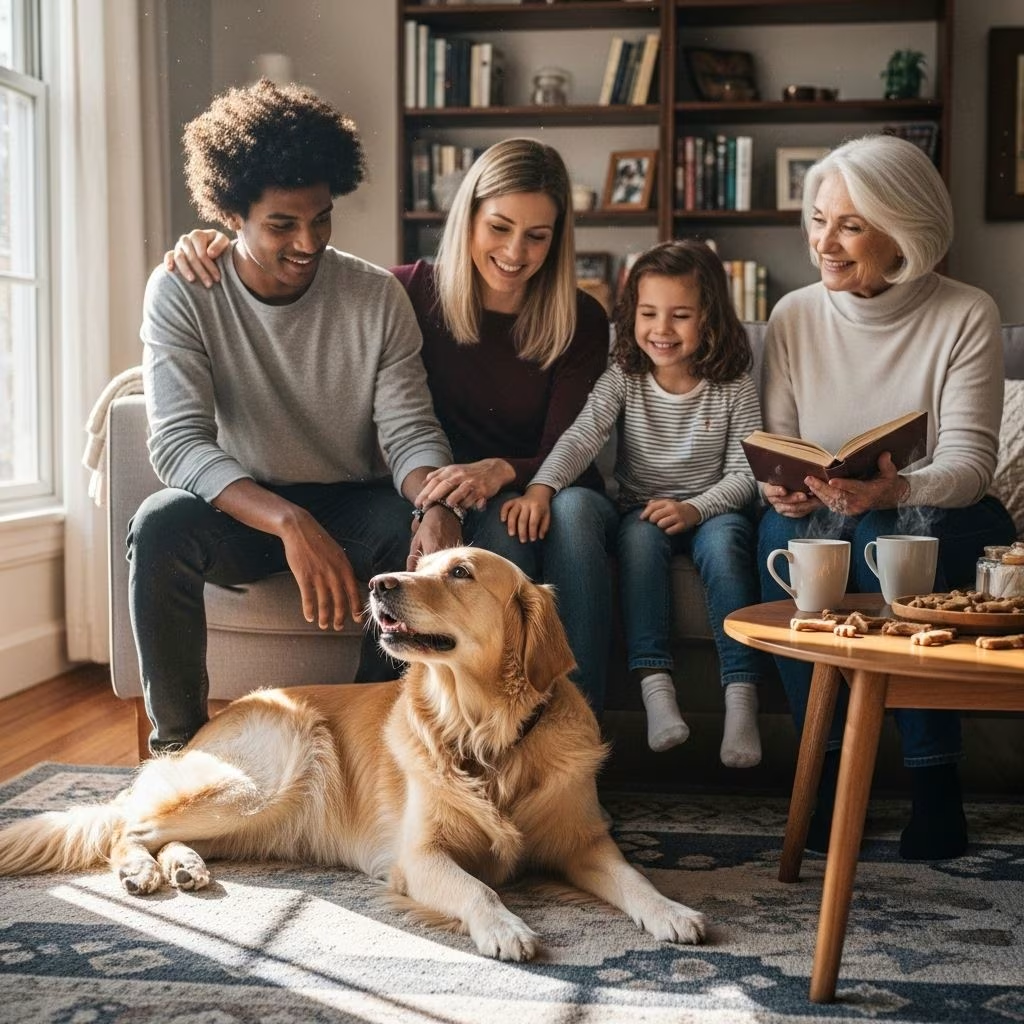
The Powerful Impact of Dogs on Human Relationships
Throughout history, dogs have earned the title of man’s best friend—not just because of their loyalty and affection, but also for their remarkable ability to enrich our lives and our relationships. From scientific surveys to countless personal anecdotes, the connection between dogs and humans stands out as one of the most powerful bonds in nature. In more recent years, an intriguing dimension has emerged: the significant influence dogs have on our romantic, platonic, and familial relationships.
Dogs: The Unseen Glue in Modern Relationships
Relationships thrive on shared values, emotional safety, trust, honesty, and mutual affection. While traditional advice focuses on communication and loyalty, many people are now recognizing the pivotal role that a shared love of dogs can play in forging and maintaining happy, healthy relationships. Social media is filled with stories about couples who bond over canine companionship, and a growing number of singles now openly express their desire for a partner who loves dogs as much as they do.
- Romantic Bonds: Sharing a passion for dogs can be the foundation of deeper connection, giving couples activities to enjoy together (like dog walks or trips to the park) and a mutual source of joy.
- Shared Experiences: From exchanging cute puppy pictures to planning weekend dog-friendly adventures, couples who adore dogs often create lasting memories rooted in their love for animals.
- Compatibility and Communication: Negotiating pet-related responsibilities offers a real-world glimpse into how well couples cooperate, share duties, and manage joint decision-making.
What Science Says About the Human-Dog Bond
Recent surveys reinforce what dog owners have instinctively known for years: our bond with dogs is incredibly deep and emotionally significant. According to a major survey by Purina:
- 95% of dog owners consider their dogs to be part of the family.
- More than half (55%) use their dogs as “therapists,” turning to them for comfort after bad news, while 62% say dogs help them de-stress after work.
- A striking 50% of women said they’d rather spend time with their dog than with their significant other or family, underscoring the unique comfort and nonjudgmental companionship dogs provide.
- 56% of millennial dog owners even celebrate their pups’ birthdays, and 77% put their dogs’ needs before their own at meal times.
This data points to the extraordinary place dogs occupy in our homes and hearts, blurring the line between pets and family.
How Dogs Shape and Strengthen Romantic Relationships
Dogs don’t just provide affection—they serve as catalysts for connection, and sometimes, romantic chemistry. Here are several ways dogs impact romantic relationships:
- Conversation Starters: Meeting an attractive person while walking your dog often leads to spontaneous, low-pressure conversations.
- Dating Filters: For many singles, a person’s attitude toward dogs is a dealbreaker; a shared love of dogs often signals like-minded values such as empathy, kindness, and commitment.
- Shared Responsibility: Couples living with dogs must cooperate on daily routines, such as feeding, walking, and vet visits, which fosters teamwork and open communication.
- Conflict Resolution: Navigating disagreements over pet care provides practice in compromising, forgiving, and understanding each other’s priorities.
- Stress Reduction: Having a dog in the household has been shown to lower cortisol (the stress hormone) and boost oxytocin (the bonding hormone), helping couples relax and connect on a deeper emotional level.
Lessons Dogs Teach Us About Love and Partnership
Dogs provide a living example of qualities that are vital to strong relationships, both romantic and platonic. What can we learn from our canine companions?
- Greet Each Other with Excitement: The way dogs welcome us home—with enthusiasm and unconditional love—reminds us to appreciate and acknowledge our partners and loved ones regularly. Simply greeting each other warmly can reaffirm emotional bonds and help each person feel valued.
- Lower Your Expectations: Dogs forgive us for our flaws, never holding grudges for missed walks or mistakes. They love consistently, reminding us to grant similar grace and patience to our partners. Letting go of perfectionism nurtures compassion and allows relationships to grow despite human imperfections.
- Put in the Time and Effort: Good pet owners invest effort in caring for their dogs—feeding, exercise, play, and affection all take time. Similarly, relationships require ongoing attention, communication, and nurturing to flourish.
- Give Unconditional Love: The loyalty and acceptance dogs offer is a model for us; they never judge and are always eager for connection. Accepting loved ones, quirks and all, without conditions builds trust and emotional safety.
- Live in the Moment: Dogs enjoy life as it comes, fully present in every game of fetch or cuddle session. Practicing mindfulness and present-moment awareness helps us enjoy our relationships more deeply and recover quickly from setbacks.
Dog Ownership: Social Perceptions and Relationship Advantages
The social world recognizes the value of dog ownership—not just for owners themselves but in how it affects others’ perceptions:
- Increased Attractiveness: Holding or walking a dog has been shown to make people appear more approachable, trustworthy, and attractive to potential partners.
- Ice Breakers: Dogs are natural conversation starters, making public settings less intimidating and encouraging new friendships or romantic connections.
- Wingman Effect: 15% of men in one survey credited their dogs with helping them get attention from women, highlighting the way pets can facilitate social opportunities.
These advantages underscore how dogs not only improve our private lives, but enhance our place within broader social circles, too.
Funny and Surprising Dog-and-Human Relationship Facts
- Many millennial dog owners prioritize feeding their dogs before themselves—in fact, 77% admitted to doing it regularly.
- Half of women would rather spend a cozy evening with their dog than with friends, family, or even a romantic partner. This suggests that dogs fill a unique emotional role that’s almost impossible to replicate.
- 56% of millennial dog owners celebrate their dog’s birthday—a sign that dogs are no longer just pets, but family members deserving of their own special celebrations.
Why Dogs Make Us Better Partners, Friends, and Family Members
The lessons we learn from dogs transcend species—they can fundamentally reshape our approach to all human relationships, whether romantic, familial, or platonic:
- Empathy: Caring for another being heightens awareness of others’ needs and strengthens the habit of putting others first.
- Routine and Stability: Dogs thrive on routine, helping their owners introduce healthy habits and consistency into their daily lives—qualities that benefit relationships of every kind.
- Nonverbal Communication: Dog owners become experts at reading body language, tuning in to subtle emotional cues that also improve their sensitivity to the moods and needs of people around them.
- Healing and Comfort: Dogs provide companionship in difficult times, offering support without requiring explanations, which fosters emotional resilience in their owners.
Challenges and Considerations: When Dogs Complicate Relationships
Despite the overwhelming benefits, owning a dog isn’t always smooth sailing for couples or families. Challenges can arise, including differing pet care philosophies, time management, or jealousy if a partner feels secondary to the pet.
- Division of Labor: Disparities in caring for the pet can provoke resentment—clear expectations and open communication are essential.
- Allergies or Phobias: Not everyone is a dog lover (or even dog tolerant); for some, allergies or anxiety complicate the dream of canine companionship.
- Time and Financial Commitment: Dogs require attention, exercise, medical care, and love, which all take time and resources. These responsibilities can test the resilience and compatibility of a relationship.
The key to overcoming these hurdles lies in mutual understanding, compromise, and the willingness to prioritize the health of both the relationship and the dog.
Can Dogs Be Relationship Therapists?
Some couples even report turning to their dog as a neutral party during times of conflict, appreciating the soothing effect pets have on tense situations. Dogs often absorb and diffuse household stress, offering comfort and grounding when disagreements arise. Their presence reminds people to step back, breathe deeply, and return to the bond that first brought them together.
Frequently Asked Questions (FAQs)
Q: Can owning a dog really improve my relationship?
A: Yes, studies suggest that shared dog ownership encourages teamwork, communication, daily routines, and shared activities, all of which can boost relationship satisfaction.
Q: Do dogs help couples resolve conflicts?
A: Dogs can reduce household tension and stress, provide an excuse for taking walks (and cooling down), and often remind couples of their shared love and priorities.
Q: Is it common to love spending more time with my dog than with my partner?
A: Very common—around half of women surveyed preferred their dog’s company to that of their SO or family at times, reflecting the deep comfort and non-judgmental companionship dogs provide.
Q: What if my partner doesn’t love dogs as much as I do?
A: Differences in affection for dogs can be challenging, but honest communication, mutual respect, and compromise (such as sharing duties or setting boundaries) can help bridge the gap.
Q: Can dogs make me more attractive or outgoing?
A: Yes, research shows dog owners are often perceived as friendlier, more trustworthy, and approachable, which can help boost social opportunities and attraction in both platonic and romantic contexts.
Conclusion: Dogs—Our Partners in Love and Life
Whether you already share your life with a loyal canine or are considering bringing a dog into your relationship, their impact goes far beyond cuddles and companionship. Dogs bring out the best in us—inviting us to greet loved ones with joy, forgive quickly, invest in nurturing routines, and offer unqualified love. In a fast-paced, sometimes disconnected world, the lessons we learn from dogs—and the connections we build thanks to them—can help us create the strongest, healthiest, and most joyful relationships of our lives.
References
- https://www.elitedaily.com/p/are-dogs-good-for-relationships-twitter-thinks-so-that-settles-it-8732809
- https://www.elitedaily.com/p/the-bond-between-dogs-humans-is-incredibly-strong-this-new-survey-proves-it-9881795
- https://www.elitedaily.com/life/culture/5-things-pets-can-teach-us-human-relationships/942816
- https://www.elitedaily.com/life/x-animal-friendships-supportive-relationship-youve-ever/1864460
- https://www.elitedaily.com/dating/attract-more-guys-with-dog/1892835
- https://www.youloveandyoulearn.com/blog/when-you-know-youknow


