


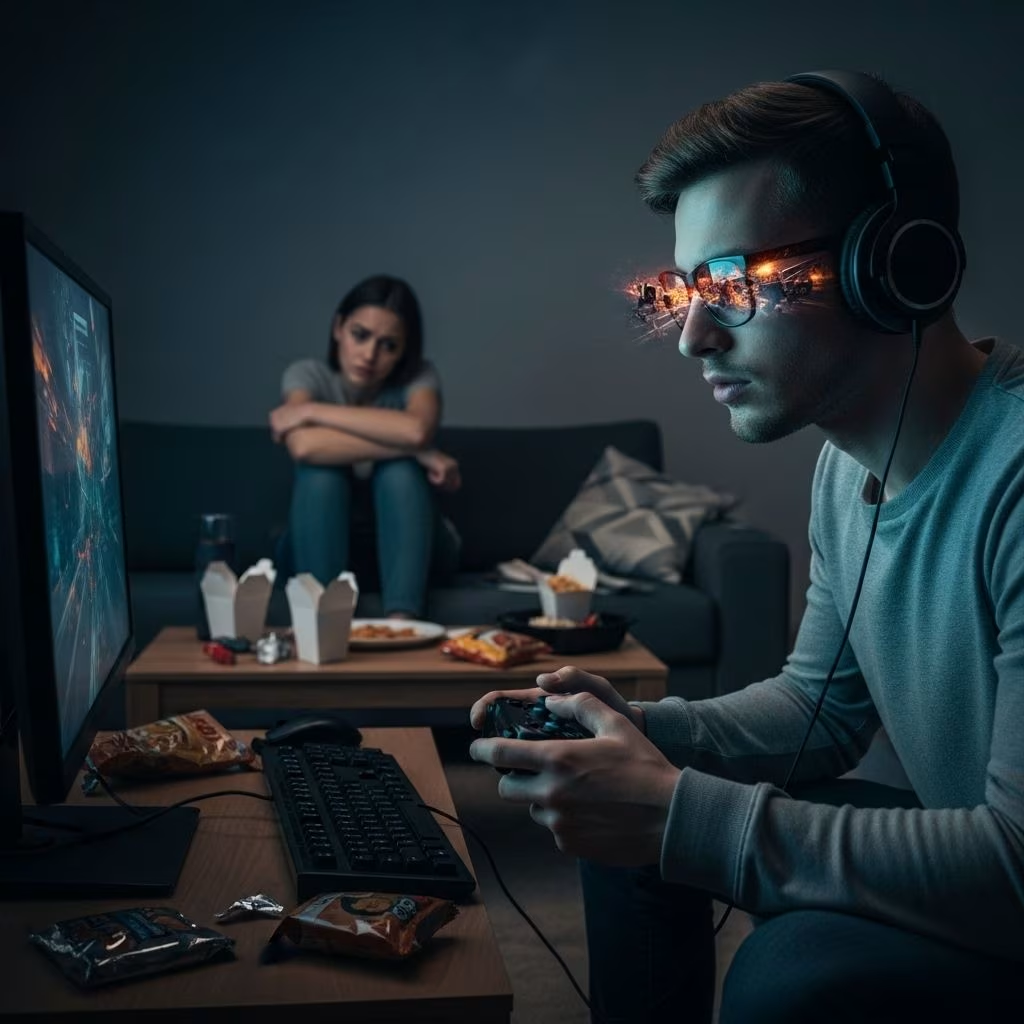
Introduction to Gaming Addiction
Gaming has become a ubiquitous part of modern life, offering entertainment and social interaction. However, when gaming crosses the line to addiction, it can have profound effects on relationships. In this article, we explore how gaming addiction impacts romantic relationships and family dynamics.
Understanding Gaming Addiction
Gaming addiction, officially recognized as Internet Gaming Disorder by the APA, involves persistent and recurrent use of internet games, often to the extent that it causes significant impairment or distress in several areas of life, such as social relationships and daily responsibilities. New research suggests that video games can activate changes in the brain similar to addictive substances like drugs or alcohol, leading to reduced control over gaming habits.
Impacts on Romantic Relationships
Gaming addiction can severely strain romantic relationships. Partners often report feelings of neglect, frustration, and disappointment as their loved ones prioritize gaming over quality time together. The situation can escalate when plans are constantly canceled or when the gamer withdraws from social events, leading to a sense of isolation for their partner.
Common Issues in Romantic Relationships Affected by Gaming Addiction
- Communication Barriers: Reduced interaction and less emotional intimacy due to prolonged gaming sessions.
- Neglect of Responsibilities: Partners may feel burdened with household chores and childcare because the gamer neglects these duties.
- Emotional Distress: Partners often experience stress, anger, and hopelessness regarding the situation.
Impacts on Family Relationships
Beyond romantic relationships, gaming addiction also affects family dynamics, particularly between parents and children. Parents may feel frustrated and helpless as they struggle to manage a child’s excessive gaming, leading to strained relationships and feelings of failure. In some cases, parents may even feel guilty for not being able to address the issue effectively.
Common Issues in Family Relationships Affected by Gaming Addiction
- Parental Guilt and Frustration: Parents often feel guilty for not being able to control their child’s gaming habits effectively.
- Strained Parent-Child Bond: Excessive gaming can reduce quality time and understanding between parents and children.
- Family Conflict: Conflicts arise over the mismanagement of time and responsibilities due to gaming.
Talking to a Partner About Gaming Addiction
Addressing gaming addiction in a relationship requires sensitive communication. Here are some steps to consider:
- Choose the Right Moment: Pick a time when both parties are well-rested and not feeling rushed.
- Express Your Feelings: Share your concerns and feelings about the impact of gaming on your relationship.
- Seek Help Together: Consider seeking professional help or counseling to address the addiction together.
Overcoming Gaming Addiction
Overcoming gaming addiction involves recognizing the problem, setting boundaries, and seeking support. This can include limiting gaming time, engaging in other hobbies, and participating in therapy to manage underlying issues that may contribute to the addiction.
Q: What are the signs of gaming addiction?
Signs of gaming addiction include excessive gaming despite negative consequences, neglect of responsibilities, and continued use despite social problems.
Q: How does gaming addiction affect family members?
Gaming addiction can lead to relationship strain, emotional distress, and feelings of neglect among family members. It often requires family members to seek support or counseling.
Q: Is there treatment for gaming addiction?
Yes, there are treatments available for gaming addiction, including therapy, setting boundaries, and limiting gaming time. Support from family and friends is also crucial.
References
- https://pmc.ncbi.nlm.nih.gov/articles/PMC10260225/
- https://www.quickanddirtytips.com/articles/what-should-you-do-if-your-partner-is-addicted-to-video-games/
- https://www.elitedaily.com/dating/gaming-addiction-relationship/1257334
- https://www.vice.com/en/article/compulsive-gaming-addiction-video-gamer-treatment-prevention/
- https://gamequitters.com/spoko-case-study/
- https://my.clevelandclinic.org/health/diseases/23124-video-game-addiction
- https://www.video-game-addiction.org/video-game-addiction-articles/game-over-video-games-strain-relationships-with-friends-and-family.htm
- https://www.additudemag.com/video-game-addiction-signs-causes-treatment/
- https://www.news.iastate.edu/news/risk-gaming-addiction-increases-small-significant-number-teens-become-adults


