


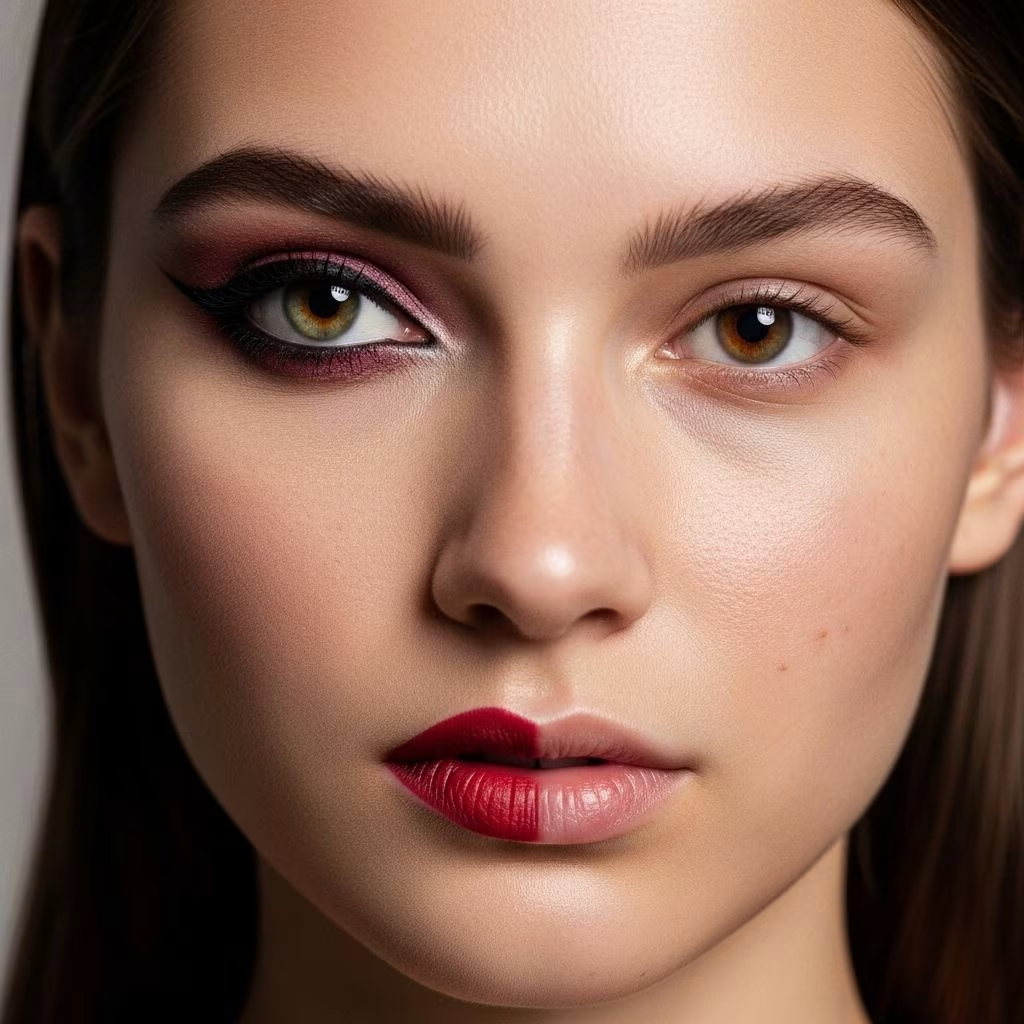
The Makeup Paradox: Beauty, Identity, and Inner Conflict
For many women, makeup is much more than a cosmetic product—it’s an emotional rollercoaster, a daily ritual that blends art, insecurity, confidence, and cultural expectation. The relationship is complex, layered with both adoration and resentment, giving rise to a deeply personal love-hate dynamic that shapes our identities.
Why We Love Makeup
Makeup’s magic is hard to deny. At its best, it breathes life into tired faces, brightens complexions, and sets the stage for creativity every morning. What is it about makeup that makes it so irresistible?
- Transformation: Concealer hides scars and blemishes, mascara lifts weary lashes, and lipstick gives a pop of courage. These small actions can create a significant boost in self-esteem, even if only temporarily.
- Self-Expression: From bold red lips to edgy graphic eyeliner, makeup allows us to play with identity, flirt with moods, and channel personalities—from professional to party-ready, and everything in between.
- Control and Ritual: Amidst daily chaos, the act of applying makeup is a moment of calm, a solitary ritual where we can control even just one aspect of our day. For some, it’s a meditative process—part self-care, part armor.
- Compliments and Validation: Hearing “You look amazing today!” after a good makeup day is a unique validation, reaffirming not just effort but creativity and attention to detail.
The Empowerment Factor
Makeup is empowering for many because it can mask insecurities and help project the confidence we sometimes struggle to muster on our own. When everything else is falling apart, a flawless winged eyeliner or a swipe of blush can feel like a small—but important—victory.
Creativity Unleashed
Artists aren’t just in galleries and museums; they’re behind bathroom mirrors and vanities, experimenting with color palettes and brush techniques. Makeup allows anyone to become an artist, using their face as a canvas to communicate mood, occasion, or identity for the day.
Why We Resent Makeup
The relationship with makeup is never entirely harmonious. As much as it inspires love, it also sparks frustration, guilt, and resentment. Why?
- Pressure to Conform: Society hammers home unrealistically high beauty standards from early adolescence. Messages from media and social platforms can render women self-conscious when bare-faced, almost demanding foundation and concealer as cultural ‘musts’ rather than options.
- Time and Energy Drain: Meticulous makeup routines can monopolize precious morning minutes. The expectation to look polished “naturally” means investing substantial effort in appearing effortless.
- Financial Burden: High-quality makeup is expensive, and beauty trends change rapidly. There’s a pressure to purchase the next big palette or cult lipstick, turning personal care into an unending, costly cycle.
- The Disguise Dilemma: Relying on makeup can become a mask—one that, when taken off, sometimes reveals a version of ourselves we’re conditioned not to love. This internalized insecurity can breed dependency, making us feel naked without it.
The Fakeness Paradox
Makeup can be a double-edged sword. While it adds confidence, it can also make us question who the ‘real’ version is underneath. There’s a lingering anxiety: Are compliments genuine, or are people admiring a facade?
The Search for Balance: Navigating the Beauty Spectrum
Is it possible to make peace with makeup? For many, the key lies in finding a personal equilibrium—embracing the creative side while rejecting toxic beauty norms.
- Selective Glam: Many women adopt a tailored approach—full glam for special occasions, and light, minimal makeup for running errands or work.
- No-Makeup Days: Purposefully going bare-faced now and then helps rebuild self-acceptance and normalizes natural skin, imperfections and all.
- Self-Care vs. Obligation: Reframing makeup as an act of self-care rather than an obligation can shift attitudes—a way to celebrate self rather than conceal perceived flaws.
The Emotional Rollercoaster of Makeup Mornings
The morning makeup routine is not a simple act. It’s often fraught with both excitement and dread. Will the foundation blend today? Will eye shadow go on evenly or turn into a war zone? Will eyeliner match on both sides, or will it descend into smudged chaos and subsequent frustration?
There are days when makeup is fun—a thrilling experiment. Other days, it feels compulsory, a script written by society that insists on perfection, even when you just want to get coffee or run to the post office.
Makeup and Identity: Who Are We Without It?
Removing makeup, whether at night or on a mercy ‘no makeup’ day, can provoke complex feelings. Some find it liberating; they feel more ‘themselves,’ closer to their true identity. Others might feel vulnerable, exposed, or less worthy. These reactions reveal how tightly beauty routines are intertwined with self-esteem and self-worth.
- The Mask Effect: Makeup can act as a shield, protecting against public judgment but often obscuring authenticity in the process.
- Self-Love Struggle: Building comfort with bare skin is an ongoing journey, one that requires self-compassion and, for many, a reimagining of what it means to be beautiful.
Confessing Our Beauty Contradictions
Ask any makeup lover if they’ve ever resented their routine, and the answer is almost universally “yes.” There’s a collective secret among women: sometimes we love the results but deeply resent feeling that we have to put in the effort.
- “I love the confidence makeup gives me, but I wish I felt just as confident without it.”
- “I adore experimenting with new looks but hate the pressure that comes with it.”
- “I feel powerful in full glam, yet occasionally resentful of the time and money spent.”
Social Media’s Double Bind
Instagram and TikTok serve as both inspiration and torment. Jaw-dropping tutorials and transformations highlight the artistry of makeup, but also reinforce perfectionism and comparison anxiety. The scroll often leaves us feeling both excited to try new looks—and unworthy when ours don’t measure up.
Makeup as a Means of Connection—and Division
Conversations surrounding makeup are unavoidably social. The ritual of getting ready with friends can bond people, create memories, and fuel communal confidence. But there’s also a hidden web of judgment and hierarchy—who has ‘good’ skin, who’s skilled at eyeliner, who’s brave enough for bold lips.
The Judgments We Face
- “Too much makeup” shaming: Women who enjoy dramatic looks are often told they’re “trying too hard” or “deceitful.”
- “Not enough effort” shame: Those who go bare or minimal might get comments about looking tired, unkempt, or unprofessional.
- Backhanded compliments: “You look great—almost unrecognizable!” can hurt more than it helps.
The Ongoing Negotiation: Acceptance and Autonomy
Ultimately, our relationship with makeup is an ongoing negotiation. Some days are filled with gratitude for the extra boost it provides; other days, we long for the courage to ditch it altogether. The beauty ideal is a moving target, but autonomy—choosing when, how, and why to wear makeup—is the real victory.
Accepting dualities—loving makeup’s artistry and convenience, while acknowledging its pressures—is a crucial step towards a healthy beauty mindset. Whether you’re a makeup maximalist or a bare-faced devotee, the only ‘right’ way is your own.
Table: Love vs. Hate Aspects of Makeup
| Love | Hate |
|---|---|
| Allows creative self-expression | Can create unrealistic beauty standards |
| Boosts confidence and self-image | Time-consuming and tedious at times |
| Can bond friends and foster community | Expensive to maintain high-quality products |
| Provides a sense of control and ritual | Can cause dependence on external validation |
| Fun way to prepare for special events | Risk of skin irritation or breakouts |
Frequently Asked Questions (FAQ)
Q: Is it possible to develop confidence without makeup?
A: Yes. While makeup can boost confidence temporarily, real self-esteem is built from within by embracing your natural self and focusing on your unique strengths and qualities.
Q: Does wearing makeup mean you are insecure?
A: Not at all. Many people wear makeup for creativity, fun, and personal empowerment. Insecurity can sometimes play a role, but it is not the sole reason for loving makeup.
Q: How can I enjoy makeup without feeling pressured by beauty norms?
A: Focus on what feels good to you personally. Find joy in experimentation and self-care, rather than using makeup to hide or to meet everyone else’s expectations.
Q: Is makeup bad for your skin?
A: Not inherently. Proper removal and using products suited to your skin type are key. Some makeup can cause irritation, so patch-test and choose gentle formulas when possible.
Q: What do you do on days when you don’t want to wear makeup?
A: Give yourself permission to skip makeup—normalize natural skin. Self-acceptance grows with practice, and most people are more focused on themselves than on the details of your appearance.
Embracing the Spectrum: Your Beauty, Your Rules
The love-hate relationship with makeup is a shared secret and a communal journey. Whether you live for elaborate makeup routines or enjoy the liberation of bare skin, both choices are valid—and yours alone to make. The real beauty revolution starts when you reclaim authority over your own reflection.


