


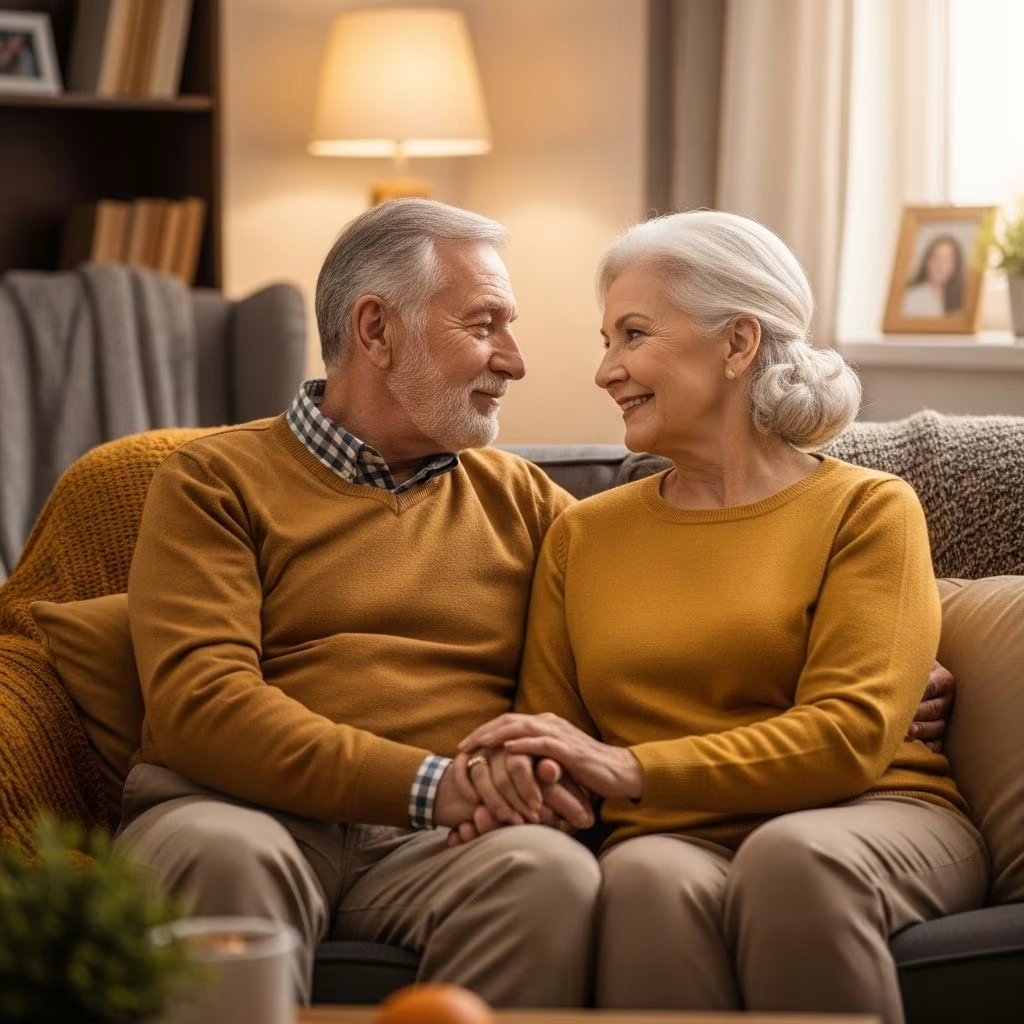
What Does It Really Feel Like to Find The Person You’ll Marry?
Finding someone you can truly envision spending your life with is more than just butterflies and passion—it’s a unique blend of comfort, challenge, and the willingness to grow together, even when life gets difficult. So, what does it really feel like when you’ve found the one?
This article explores the nuanced emotions and day-to-day realities that characterize genuine, lifelong love. Drawing from experts, married couples, and those reflecting on love’s lasting power, we’ll break down what distinguishes true partnership from fleeting infatuation.
1. You Feel An Unmatched Sense of Comfort and Security
Being in love with the right person often feels like coming home. There’s a deep comfort in their presence, even when words aren’t exchanged. You’re able to drop your guard, express your quirks, and share your vulnerabilities without fear of ridicule or rejection. Mutual trust becomes the foundation upon which the relationship stands.
- You feel safe to be your authentic self without pretending or performing.
- There’s a steady reassurance that neither of you is going anywhere during tough times.
- You know your partner truly has your back, and this frees you to pursue dreams and face challenges without fear.
- Physical comfort—simple touches, hugs, or sitting in silence—feels natural and restorative.
2. You’re Able to Manage Differences and Disagreements
Even the closest couples find themselves at odds sometimes. What sets “forever” partnerships apart is the ability to navigate disagreements respectfully and with an eye toward growth, not just winning. You don’t expect perfection—rather, you know each other’s flaws and love each other anyway.
- Difficult conversations don’t scare you; they’re a chance to learn and evolve together.
- Neither of you expects the other to change fundamental values or dreams to stay together.
For example, if you disagree on big life goals like children or where to live, you address them openly—no hidden agendas or hope that time will change someone’s mind. - Both partners look for compromise when needed, without tallying up wins and losses.
3. The Relationship Evolves Beyond the Honeymoon Phase
The first months—sometimes years—of a romance are powered by infatuation, but true love deepens as the excitement simmers to contentment and appreciation. When you’ve found the right person, the affection endures and even grows richer past the initial rush.
- You don’t panic when daily life replaces the thrill of a new crush; you find joy in routines and small rituals.
- There’s a sense of being cherished and special, even when things aren’t perfect.
- Little gestures, like checking in after a rough day or making coffee in the morning, become acts of love.
4. You Share a Genuine Friendship and Deep Mutual Respect
True marriage-like bonds are rooted in friendship as much as romance. Partners become confidantes, sounding boards, and sources of laughter—couples who enjoy spending time together simply as people are more likely to endure the tests of time.
- You trust your partner with secrets and seek their advice on important (and unimportant) matters.
- Your humor matches or complements—laughing together is a daily occurrence.
- Your differences aren’t dealbreakers, but points of fascination and learning.
5. Emotional Vulnerability Feels Natural—And Needed
When love is real, it feels safe to be truly vulnerable. You can admit when you’re afraid, anxious, or uncertain about life. Instead of shutting down or fleeing from conflict, you reach out, trusting the other person to hold space for your feelings.
| Signs of Emotional Safety | Why It Matters |
|---|---|
| You share worries and dreams, even those that feel unreasonable. | It builds trust and helps partners comfort and support each other fully. |
| You aren’t afraid to say “I was wrong” or “I’m sorry.” | Admitting faults is easier in a space of respect, strengthening the bond. |
| Feelings of jealousy, fear, or insecurity can be discussed openly. | Problems are solved, not buried—preventing resentment. |
6. You and Your Partner Share a Vision for the Future
It’s crucial that you and your partner are on the same page about major life goals. Whether it’s having kids, where you’ll live, or career ambitions, healthy marriages arise when partners are honest about what they want—and supportive of each other’s ambitions.
- You talk openly about the future: dreams, fears, and logistics.
- Neither partner pressures the other to abandon values or priorities.
- Life’s big questions—family, finances, lifestyle—are discussed, not avoided.
7. The Relationship Encourages Growth—Together and Apart
A lasting partnership doesn’t mean losing yourself in the other person. The best loves inspire you to pursue your individual goals as well as shared dreams. Each partner grows into their best self because of the stability, encouragement, and challenge their relationship provides.
- There’s room for two individual people—separate hobbies and friends are valued, not feared.
- Your partner celebrates your passion, whether it’s your career, a creative pursuit, or a personal milestone.
- Setbacks or big changes become opportunities to evolve, not fracture.
8. Commitment Means Showing Up, Even When It’s Hard
Real love is a daily choice, not a fleeting feeling. When you meet the person you want to marry, you both show up for each other—not just in joy, but also through life’s challenges. Investment in the relationship goes beyond convenience or attraction; it becomes a core value.
- There are day-to-day worries about making it work—a sign you care deeply.
- Both of you want to solve issues and are willing to have tough conversations.
- You forgive and move forward, not with conditions but because the relationship matters above pride or certainty.
9. Love Includes Rituals, Fights, and Reconciliation
Everyday rituals deepen intimacy and add layers to love: notes tucked into lunchboxes, bedtime conversations, or even arguments that end with a reaffirmation of love. Married couples attest that repeated acts of care, as well as occasional, passionate disagreements, both keep love alive.
- Rituals, like daily check-ins or small gestures, reinforce connection.
- Open, honest fighting (not toxicity) clears the air and renews intimacy.
- Learning to resolve conflict respectfully becomes a badge of trust—you know you can weather storms and return to each other stronger.
10. Shared Investment and the Will to Keep Growing Together
Love that lasts is an active practice. You both continue to choose one another, through struggles, triumphs, and changes. It’s never assumed that love will continue without effort—both partners work to keep the connection alive.
- Each person asks: “What can I do to nurture this relationship?”
- Worrying about how your actions affect your partner is healthy—it means you’re invested.
- There’s a shared willingness to reflect, adapt, and be honest when things feel off.
11. Lessons from Those Who’ve Loved, Lost, and Loved Again
Reflecting on the experiences of people who’ve gone through marriage—sometimes more than once—reveals a powerful insight: the best relationships teach us as much about ourselves as they do about our partners. Sometimes, parting ways leads to a deeper “marriage” to one’s own growth and happiness, setting the stage for healthier love in the future.
- Even after heartbreaking endings, many realize the journey was essential for personal development.
- The strongest relationships are those where both people remain fully committed—to themselves and the partnership.
12. Frequently Asked Questions About Lasting Love and Marriage
Q: What’s the difference between being in love and being ready for marriage?
A: Being in love is often characterized by passion and excitement, but being ready for marriage means being prepared to compromise, communicate openly, and commit to growing together—through highs and lows.
Q: Is it normal to worry about your relationship, even when things are good?
A: Yes, occasional doubts or concerns are usually a sign of investment, not trouble. Worrying shows you care deeply and want to nurture the relationship’s health.
Q: Can couples be very different and still have a lasting love?
A: Yes, as long as there’s respect, honest communication about differences, and a willingness to compromise. Shared values matter more than identical traits.
Q: Does finding the “right person” mean you’ll never fight?
A: Not at all. Even healthy couples argue—what matters is how you navigate and resolve disagreements.
Q: What if our vision for the future changes?
A: Open, ongoing conversations about goals and dreams are essential. Couples grow and change, and so do their visions—the goal is to adapt together without losing respect or connection.
Key Takeaways: The Real Feelings That Signal Everlasting Love
- Comfort, vulnerability, and unwavering trust are cornerstone feelings.
- Managing differences with respect is more important than never fighting.
- The honeymoon phase fades, but lasting love is maintained through rituals and effort.
- Growth—together and individually—is a sign of a strong relationship.
- Commitment is a practice, not a guarantee; love is actively chosen every day.
True love isn’t just about intense feelings or drama—it’s about finding a partner who makes you feel safe, supported, and willing to face the highs and lows of life, together and apart. Whether you’re in the early days or deep into a shared life, returning to these signs can keep your relationship strong for years to come.
References
- https://www.elitedaily.com/dating/10-things-feel-when-found-man-should-marry/1991702
- https://www.elitedaily.com/dating/secret-to-staying-in-love/1703078
- https://www.elitedaily.com/dating/15-questions-person-youre-going-marry-able-answer-honestly/823713
- https://www.elitedaily.com/dating/learned-about-marriage-dating-divorcees/1988819
- https://www.elitedaily.com/p/how-often-should-you-have-sex-a-couples-therapist-recommends-at-least-once-a-month-8564677
- https://www.elitedaily.com/dating/woman-who-marries-young/1244687
- https://www.elitedaily.com/p/how-to-have-a-better-relationship-than-ever-before-according-to-a-couples-therapist-8550007
- https://www.elitedaily.com/dating/millennials-traditional-realtionships/1298956


