


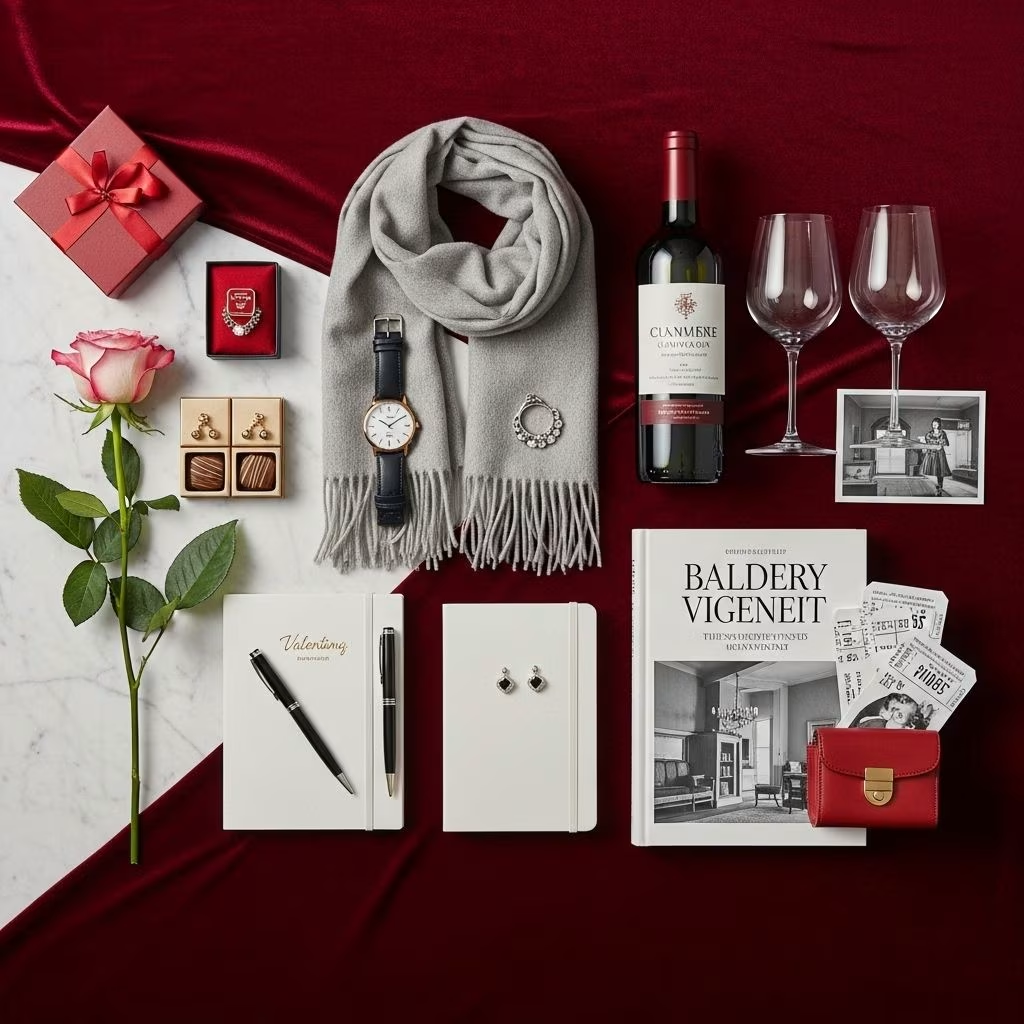
Navigating Valentine’s Day can feel like walking through a minefield, especially when you’re trying to find that perfect gift for your partner. The stakes are high, and choosing the wrong present could send unintended signals about where you think the relationship stands. Whether you’ve been together for a week or planning your wedding, understanding what’s appropriate for your specific relationship stage is crucial for making this romantic holiday memorable for all the right reasons.
The beauty of Valentine’s Day lies in its flexibility—it’s not a one-size-fits-all celebration. What works for a couple who just started dating would be completely inappropriate for those who’ve been together for years, and vice versa. The key is matching your gift to the emotional intimacy and commitment level you’ve both established. This comprehensive guide will walk you through six distinct relationship stages and provide thoughtful gift recommendations that hit just the right note.
The Brand New Relationship: Just Started Dating
Finding yourself in a relationship that’s only a week old when Valentine’s Day rolls around creates one of the most awkward dating scenarios imaginable. You’re caught in that uncomfortable space between wanting to acknowledge the holiday and not wanting to come across as overly intense or presumptuous about where things are headed. The last thing you want is to scare away someone you’re genuinely interested in by going overboard with grand romantic gestures.
At this stage, less is definitely more. Your goal should be to show that you’re thoughtful and aware of the occasion without putting pressure on the budding relationship. A small gesture demonstrates consideration while maintaining appropriate boundaries for such a new connection. Think of this as an opportunity to be creative and lighthearted rather than intensely romantic.
The perfect approach involves purchasing a greeting card with a funny or clever message inside. Humor can be your best friend here—it acknowledges the slight awkwardness of the situation while showing you don’t take yourself too seriously. Sometimes recognizing the elephant in the room actually makes the moment less uncomfortable and more endearing.
If a card alone feels insufficient, consider pairing it with something universally appreciated but not overly personal. A Starbucks gift card or a box of quality chocolates represents the sweet spot for new relationships. These gifts are thoughtful without being presumptuous, and they’re practical items most people genuinely enjoy. Coffee and chocolate are safe territories that won’t send mixed signals about your intentions or expectations.
The Promising New Romance: A Few Months In
After dating for several months, your relationship has moved beyond the initial awkward phase into something with real potential. You’ve likely started having conversations about the future, even if tentatively, and the word “love” might be hovering on the edges of your discussions. This is a delicate but exciting stage where the relationship is still developing but showing clear signs of becoming something meaningful and lasting.
At this point in your journey together, you want your Valentine’s Day gift to reflect the growing seriousness of your relationship while still respecting that you’re not quite at the “established couple” phase yet. The focus should shift from simple tokens to creating meaningful experiences that allow you both to invest time and energy into the relationship.
Planning a special dinner at an upscale restaurant represents an ideal gift for this stage. It provides an opportunity to dress up, enjoy each other’s company in a romantic setting, and create a memorable experience together. The act of making reservations, choosing a nice venue, and dedicating an evening to celebrating your connection demonstrates thoughtfulness and investment in the relationship’s future.
For those looking to add an extra touch of romance, bringing flowers can elevate the entire evening. While red roses traditionally symbolize passionate love, they might feel premature for a relationship that’s still in its early months. Instead, consider pink roses, which convey admiration and appreciation—sentiments that perfectly capture this stage of romantic development. Pink roses strike the right balance between romantic interest and respectful restraint, showing you care deeply without overwhelming your partner with declarations that might feel too intense too soon.
The Established Love: Deep Connection and Commitment
When you’ve been together for a year or more and have openly expressed love for each other, you’ve entered an entirely different territory of gift-giving. At this stage, you’re not just dating—you’re building a life together, discussing marriage, children, and long-term plans. The relationship has proven its staying power, and both partners have demonstrated serious commitment to making things work for the long haul.
This is when you can confidently enter jewelry territory. After a year together with expressed love and commitment, a piece of fine jewelry becomes not just appropriate but expected by many partners. For women who appreciate classic romantic gestures, few things create more excitement than receiving that iconic little blue box. Jewelry at this stage symbolizes the precious nature of your relationship and represents a tangible reminder of your commitment.
However, it’s crucial to remember that not everyone has the same preferences or values when it comes to gifts. Some people simply aren’t jewelry enthusiasts, and that’s perfectly valid. The most important aspect of gift-giving at this stage isn’t about following traditional expectations—it’s about demonstrating how well you truly know your partner. If your valentine isn’t someone who wears jewelry, invest that same level of thought and financial commitment into finding something they will genuinely treasure.
The significance of any gift at this relationship stage lies in two key elements: first, it should clearly demonstrate how much you care about your partner and value the relationship. Second, it needs to show that you’ve paid attention to their interests, preferences, and personality. Whether it’s jewelry, a high-end gadget they’ve been eyeing, tickets to their favorite artist’s concert, or something completely unique to their passions, the gift should feel deeply personal and intentionally chosen specifically for them.
The Engaged Couple: Wedding Planning and Beyond
Being engaged brings its own unique set of challenges when Valentine’s Day approaches. You’re planning a wedding that’s likely consuming both your time and financial resources, leaving you potentially tapped out when it comes to creative gift ideas. After dating for an extended period and now being engaged, you might feel like you’ve already exhausted every possible gift option over the years. The pressure intensifies because you want to make the holiday special while being realistic about your current circumstances.
Here’s where creativity becomes more valuable than cash. At this point in your relationship, you’ve already proven your love and commitment in the most significant way possible—by agreeing to spend your lives together. Your partner knows how you feel about them, so the Valentine’s Day gift doesn’t need to carry the weight of proving your devotion or demonstrating commitment. Instead, this is an opportunity to focus on sentimentality and personal meaning.
Creating a scrapbook of your journey together represents one of the most meaningful gifts you can give at this stage. Compile photographs, ticket stubs, receipts from memorable dates, handwritten notes, and other mementos that tell the story of your relationship from beginning to present. This labor of love requires time, thought, and genuine effort—qualities that matter far more than expensive price tags.
A well-crafted memory book serves multiple purposes: it celebrates your shared history, reminds you both of the adventures and obstacles you’ve overcome together, and builds excitement for the married life ahead. It’s a tangible representation of your unique love story, and it’s something your partner can flip through whenever they want to be reminded of special moments you’ve shared. For men especially, creating such a thoughtful, handmade gift will earn significant appreciation because it demonstrates emotional investment and creative effort.
Understanding the Psychology Behind Relationship-Stage Gifts
The concept of matching gifts to relationship stages isn’t just about following social conventions—it’s rooted in understanding how relationships develop and what each stage requires for healthy growth. Early in a relationship, partners are still assessing compatibility, establishing trust, and determining whether they want to invest more deeply. Overwhelming gestures at this stage can trigger anxiety about moving too fast or feeling pressured into reciprocating feelings that haven’t yet fully developed.
As relationships progress, the emotional landscape shifts dramatically. What might have felt suffocating in month one becomes expected and appreciated by year one. The gifts that work best at each stage align with the psychological needs and expectations appropriate to that level of commitment. Early stages prioritize low pressure and fun, middle stages focus on demonstrating growing investment, and later stages emphasize deep knowledge of your partner and shared history.
Research in relationship psychology suggests that gifts matter most when they reflect genuine understanding of the recipient. The monetary value becomes less important than the thought and personalization involved. This explains why a homemade scrapbook can be more impactful for an engaged couple than expensive jewelry—it demonstrates intimate knowledge of shared experiences and emotional investment in preserving those memories.
Alternative Valentine’s Day Approaches for Different Situations
Not every relationship fits neatly into one of these categories, and that’s completely normal. You might be in a long-distance relationship, dating casually without clear commitment, or navigating a relationship that’s going through a challenging period. These circumstances require adjusted approaches to Valentine’s Day gift-giving.
For long-distance couples, the focus should shift to bridging the physical gap between you. Consider gifts that facilitate connection despite distance: video call dates with coordinated activities, subscription services you can enjoy simultaneously, or planning a future visit to give you both something to look forward to. The gift becomes about maintaining intimacy across miles rather than grand gestures.
If you’re in a casual or undefined relationship, honest communication matters more than any gift. Have a conversation before Valentine’s Day about whether you’re even celebrating and what that might look like. Assuming expectations without discussion often leads to disappointment or discomfort on both sides.
For relationships experiencing difficulties, Valentine’s Day can feel particularly fraught. Rather than ignoring problems or pretending everything is perfect, consider gifts that acknowledge the situation while showing commitment to working through it. Stress-reducing items, planning quality time together, or even couples therapy sessions can demonstrate that you’re invested in improving the relationship rather than just papering over issues with romantic gestures.
The Importance of Communication Over Assumptions
While this guide provides helpful frameworks for gift-giving at different relationship stages, the single most important factor in successful Valentine’s Day celebration is open communication with your partner. People have vastly different feelings about the holiday itself—some view it as essential romantic celebration, while others consider it a commercialized obligation they’d prefer to skip entirely.
Before investing time, money, and emotional energy into planning the perfect Valentine’s Day surprise, have a straightforward conversation about expectations. Ask your partner how they feel about the holiday, what kinds of celebrations they enjoy, and whether they prefer gifts, experiences, or quality time together. This discussion doesn’t ruin the romance—it actually enhances it by ensuring you’re both on the same page and working toward making each other happy.
Some relationships thrive on surprises and grand romantic gestures, while others prefer practical demonstrations of affection or simply spending quality time together. Neither approach is superior; they’re just different expressions of love and care. Understanding your partner’s love language—whether they value words of affirmation, quality time, physical touch, acts of service, or receiving gifts—can guide you toward Valentine’s Day celebrations that genuinely resonate with them rather than following generic romantic scripts.
Budget Considerations Across Relationship Stages
Financial stress shouldn’t overshadow Valentine’s Day celebration, regardless of your relationship stage. It’s worth noting that appropriate spending typically scales with both the length of the relationship and your financial circumstances. Early relationships warrant modest spending—perhaps $20 to $50 on cards, coffee, or chocolate. This keeps expectations reasonable and doesn’t create financial pressure.
As relationships develop into the several-months stage, spending might reasonably increase to $100 to $200 for a nice dinner and flowers. This reflects growing investment without being financially irresponsible. Long-term relationships often see higher spending on jewelry or significant gifts, potentially ranging from $200 to $1000 or more, depending on individual financial situations.
However, these are guidelines, not rules. Your financial reality matters more than adhering to arbitrary spending expectations. A thoughtful, personal gift that costs $30 will always mean more than an expensive but generic present purchased out of obligation. Focus on meaningful gestures within your budget rather than overspending to meet perceived expectations.
Creating Lasting Valentine’s Day Memories
Ultimately, the most successful Valentine’s Day celebrations aren’t measured by gift price tags or elaborate surprises—they’re defined by whether both partners feel valued, appreciated, and connected. The gifts and gestures that create lasting positive memories are those that align with where the relationship actually is, not where you hope it might be or think it should be.
As you navigate this sometimes-stressful holiday, remember that your partner chose to be with you for who you are, not for your gift-giving prowess. Authenticity and thoughtfulness trump perfection every time. Whether you’re nervously giving a card to someone you just started dating or planning an elaborate celebration for your long-term partner, the most important element is showing that you care enough to consider what would make them happy.
Valentine’s Day offers an opportunity to celebrate your connection and show appreciation for your partner, but it shouldn’t create anxiety or financial hardship. Use these guidelines as a starting point, adjust them to fit your unique relationship dynamics, and above all, focus on creating moments of genuine connection and joy together. That’s the real spirit of Valentine’s Day, regardless of what stage your relationship has reached.
Frequently Asked Questions
Q: What if my relationship doesn’t fit neatly into one of these stages?
A: Relationships are unique and don’t always follow predictable patterns. Use these guidelines as a framework, but ultimately choose gifts based on your specific dynamic, communication with your partner, and mutual understanding of where you both stand. When in doubt, have an honest conversation about expectations rather than making assumptions.
Q: Should I spend more money if my partner typically gives expensive gifts?
A: Gift-giving shouldn’t be a competition or create financial stress. If there’s a significant disparity in financial resources between partners, communicate openly about comfortable spending levels. Thoughtfulness and personal meaning matter far more than matching dollar amounts. Your partner should appreciate gifts within your means.
Q: Is it okay to skip Valentine’s Day gifts entirely?
A: Absolutely, if both partners agree. Many couples choose to skip commercial holidays in favor of celebrating their relationship in more personal ways throughout the year. The key is ensuring both people are on the same page about this decision to avoid hurt feelings or unmet expectations.
Q: What if I give a gift that’s too much or too little for our relationship stage?
A: Mismatched gifts happen, and they’re usually not relationship-ending mistakes. If you realize you’ve misjudged, acknowledge it with humor and honesty. Use the experience as a conversation starter about expectations and communication. Most partners will appreciate the effort even if the execution was slightly off.
Q: How do I handle Valentine’s Day in a new relationship when I’m not sure if we’re exclusive?
A: This situation calls for direct communication before the holiday arrives. Ask where things stand and whether celebrating Valentine’s Day together feels appropriate. If you haven’t had the exclusivity conversation yet, this might be a natural time to broach that topic rather than making gift-related assumptions.
References
- https://www.thebabereport.com/thoughtful-valentines-day-gifts-for-every-stage-of-a-relationship/
- https://www.elitedaily.com/dating/gifts-valentines-stage-relationship/1372285
- https://www.firstroundsonme.co/blog/the-ultimate-valentine-s-day-gift-guide-for-every-relationship-stage
- https://www.elitedaily.com/p/should-you-exchange-gifts-on-valentines-day-if-you-just-started-dating-its-tricky-15950195
- https://www.redbookmag.com/life/g35374113/valentines-day-gifts-for-anyone/
- https://washfm.iheart.com/featured/toby-and-chilli-mornings/content/2018-01-25-what-you-should-spend-on-valentines-gifts-based-on-length-of-relationship/


