


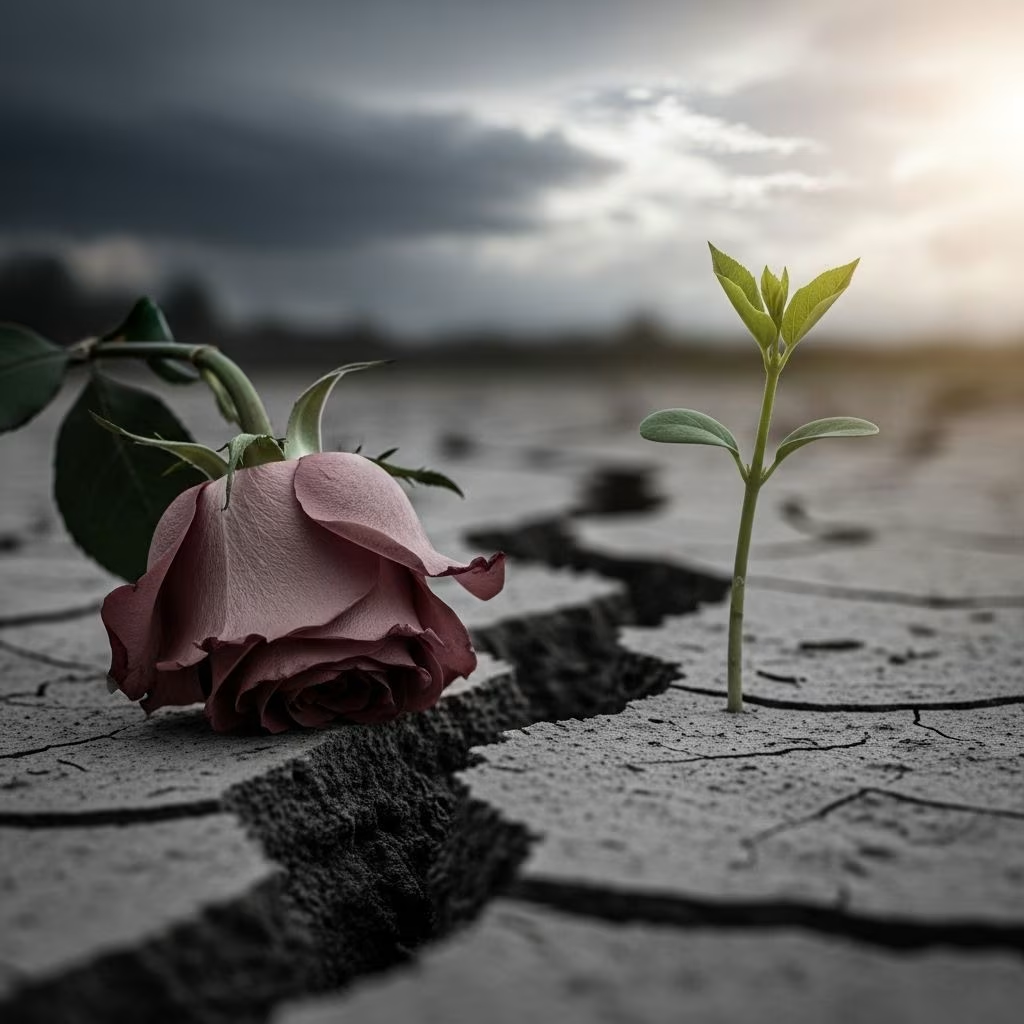
Psychologically Abusive Relationships: Recognizing the Hidden Harm
Psychological and emotional abuse are among the most insidious forms of maltreatment in intimate relationships. Rather than leaving visible scars, psychological abuse erodes self-esteem, autonomy, and emotional stability, often leaving victims questioning their reality and sense of self. Unlike physical abuse, psychological abuse frequently remains undetected—even by those experiencing it. Recognizing the signs and tactics is essential for protecting yourself and supporting others facing these challenges.
What Is Psychological Abuse?
Psychological abuse—sometimes referred to as emotional or mental abuse—occurs when one partner uses manipulation, coercion, intimidation, or control to diminish the other’s self-worth or sense of autonomy. This form of abuse undermines a person’s confidence, mental health, and ability to function, making them increasingly dependent on the perpetrator for validation and guidance.
Key elements of psychological abuse include:
- Manipulation of thoughts, emotions, and perceptions
- Gradual erosion of self-confidence and independence
- Intention to control, dominate, or punish the victim
Common Tactics of Psychological Abuse
Abusers use a spectrum of tactics to gain control over their partners. Recognizing these behaviors early is critical:
- Gaslighting: The abuser makes the victim doubt their own perceptions and reality, often insisting things never happened or that memories are false. This leaves the victim feeling ‘crazy’ and powerless.
- Contempt: Hostile humor, sarcasm, mockery, or name-calling in public or private aim to demean and belittle the victim.
- Emotional Manipulation: The abuser induces guilt, shame, embarrassment, or fear to control the victim’s actions and reactions.
- Isolation: By cutting off the victim from friends, family, or coworkers, the abuser ensures they have no support network or reality check, increasing dependency.
- Cold Shouldering (Silent Treatment): Deliberately withholding affection, attention, or validation as punishment or as a means of control, then “rewarding” submissive behavior.
- Social Restriction: Manipulating social circles to exclude the victim or turn others against them, heightening feelings of rejection and loneliness.
- Love Bombing: Showering the victim with outsized affection and gifts early in the relationship, creating a strong bond that is later used against them when the abuser withdraws.
Warning Signs: Are You in a Psychologically Abusive Relationship?
It’s important to know the red flags that therapists and relationship experts point out. If you notice several of the following in your relationship, it may signal psychological abuse:
- You often feel confused or question your own memory and judgment due to your partner’s constant denial or contradiction.
- Your partner uses sarcasm, ridicule, or humiliation—especially in front of others—to make you feel inferior.
- You feel like you must ask for permission to spend time with family, friends, or engage in activities you enjoy.
- Your partner monitors your whereabouts, communications, or finances excessively and without valid reason.
- Arguments frequently end with your partner blaming you and refusing to accept responsibility.
- You feel responsible for “fixing” your partner’s emotions or avoiding topics to prevent their anger or criticism.
- Affection, love, and support are given or withheld based on how much you comply with their wishes.
- Your partner tries to convince you that no one cares about you but them, or that you’re better off alone.
- Social events, career moves, or important life decisions are sabotaged or taken out of your control.
- You feel isolated, increasingly dependent, and less able to share your feelings or reach out for help.
How Psychological Abuse Impacts Victims
Psychological abuse causes profound emotional and mental harm. Its effects can linger long after the relationship ends, impacting every facet of life:
- Low Self-Esteem: Constant criticism, humiliation, and blame eat away at confidence and self-worth.
- Anxiety & Depression: The unpredictability and emotional instability cause chronic stress, anxiety, and often clinical depression.
- Confusion & Self-Doubt: Gaslighting and manipulation make victims mistrust their own perceptions and decision-making abilities.
- Social Withdrawal: Isolation leaves victims feeling alone, unsupported, and fearful of seeking help.
- Difficulty Setting Boundaries: After repeated violation of personal limits, survivors struggle to assert their needs or say no.
Table: Comparing Healthy vs. Psychologically Abusive Relationships
| Aspect | Healthy Relationship | Psychologically Abusive Relationship |
|---|---|---|
| Communication | Open, respectful, constructive | Manipulation, sarcasm, withholding information |
| Conflict Resolution | Mutual responsibility, fair compromise | Blame-shifting, denial, escalation |
| Emotional Support | Consistent, empathetic, unconditional | Conditional, withdrawn, punitive |
| Independence | Encouraged, respected | Controlled, restricted, sabotaged |
| Trust | Built and maintained | Undermined, questioned, manipulated |
Why It’s Difficult to Leave a Psychologically Abusive Relationship
Leaving an emotionally or psychologically abusive relationship is often incredibly challenging. Key reasons include:
- Attachment to Good Memories: Abusive relationships often have moments of affection or happiness, keeping survivors hopeful for change.
- Self-Doubt: Manipulation convinces victims they are at fault or that things will improve.
- Isolation: Once isolated, victims may feel they have nowhere to turn for support or affirmation.
- Fear of Escalation: Threats or intimidation make leaving feel dangerous or impossible.
- Shame & Embarrassment: Admitting abuse can feel overwhelming, especially when the abuser has convinced the victim no one will believe them.
Regaining Control: Steps Toward Recovery
If you recognize signs of psychological abuse in your relationship, you deserve safety, respect, and support. Recovery involves both immediate action and long-term healing:
- Acknowledge the Abuse: Recognize that the behavior is unacceptable, no matter what excuses are given.
- Seek Support: Reach out to trusted friends, family, or counselors for guidance and validation.
- Set Boundaries: Communicate clearly about unacceptable behaviors. If boundaries are violated and the partner does not commit to change, consider ending the relationship.
- Don’t Minimize Your Experience: Emotional abuse is serious. Avoid rationalizing or downplaying hurtful behavior.
- Plan for Safety: If threats or intimidation escalate, discreetly develop a safety plan with professional support.
- Professional Help: Therapy and counseling can help rebuild self-worth, develop coping strategies, and address trauma.
- Contact Help Lines: The National Domestic Violence Hotline (1−800−799−7233) and other services provide confidential support and resources.
Frequently Asked Questions (FAQs)
What is ‘gaslighting’ and how do abusers use it?
Gaslighting is a psychological manipulation tactic where the abuser makes the victim question their reality, memories, and perceptions. Common signs include denial of events you witnessed, dismissing your feelings as irrational, and making you feel “crazy.”
Can psychological abuse exist without physical violence?
Absolutely. Psychological abuse can be just as harmful as physical abuse, though it often lacks visible evidence. It encompasses manipulation, control, humiliation, isolation, and more, even in the absence of physical harm.
Is it possible to repair a relationship after emotional abuse?
Change is only possible if the abuser fully acknowledges their behavior and actively works to correct it. Many experts insist that only with genuine accountability and professional intervention does repair become possible; otherwise, ending the relationship is advised.
How do I support someone I think is experiencing psychological abuse?
Listen without judgment, offer validation, and encourage professional help. Never pressure the person to leave before they feel ready, but reinforce their worth and the unacceptability of the abuse.
Where can I get help if I’m experiencing this?
The National Domestic Violence Hotline, local shelters, therapists, and online support communities can provide resources, advice, and safe spaces to plan your next steps.
What Healing Looks Like
Recovery from psychological abuse is a deeply personal process, requiring patience, support, and self-compassion. Survivors must rebuild trust in themselves, rediscover joyful connections, and learn to set healthy boundaries moving forward.
Key steps in healing include:
- Working with a counselor to process trauma
- Reconnecting with a supportive network
- Practicing self-care and self-compassion
- Learning to identify and communicate personal boundaries
- Gradually engaging in activities that spark happiness and meaning
It is vital to remember that you are not alone. Healing can be slow, but the journey is made lighter with help, understanding, and hope.
Resources for Support
- National Domestic Violence Hotline: 1−800−799−7233
- Domestic Abuse Shelters & Support Groups: Find local organizations online or through community centers.
- Counseling & Therapy: Seek licensed counselors specializing in trauma and abuse recovery.
- Online Communities: Support networks offer validation, encouragement, and shared stories of hope.
Final Thoughts: You Deserve Respect, Safety, and True Happiness
If any part of your relationship damages your self-esteem, controls your actions, or makes you fear for your emotional well-being, consider what you truly deserve. The cycle of psychological abuse can be broken—with the right help, hope is real, and happiness is within reach.
References
- https://www.elitedaily.com/p/5-signs-youre-in-emotionally-abusive-relationship-according-to-therapists-9664848
- https://sosviolenceconjugale.ca/en/articles/8-tactics-of-psychological-violence-used-by-abusers-in-intimate-relationships
- https://canadianwomen.org/blog/signs-of-emotional-abuse/
- https://www.elitedaily.com/dating/abusive-relationship-setting-boundaries-saying-no/2040225
- https://www.yourtango.com/2021344592/what-my-abusive-relationship-taught-me
- https://www.ourwave.org/en/post/the-hidden-side-of-healing-from-emotional-abuse-in-an-intimate-relationship


