


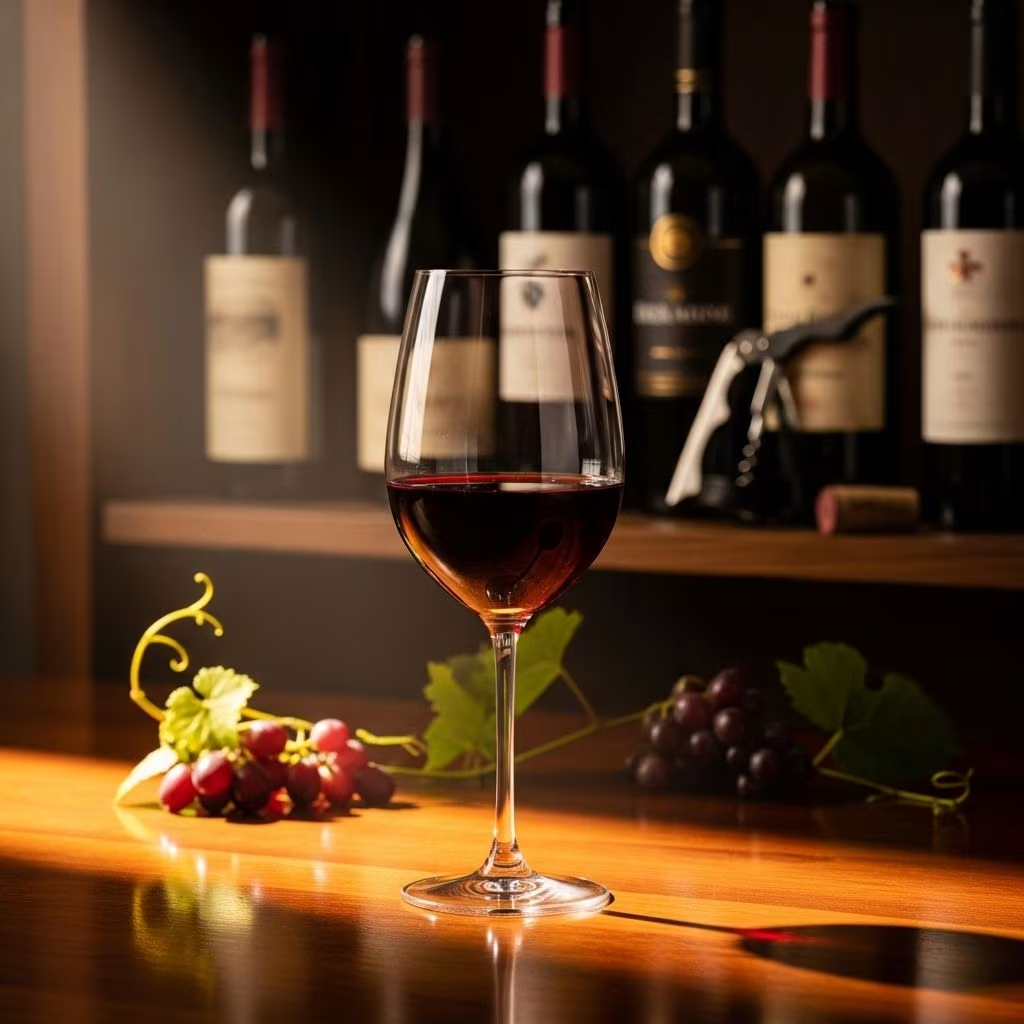
Taking the Next Step: Transforming Your Relationship With Wine
For many, wine is far more than just a beverage; it’s a companion, a confidant, and occasionally even a rival. But what does it really mean to have a relationship with wine that’s more than casual? When you’re ready to transition from the occasional pour to a genuine appreciation, you embark on a journey filled with discovery, depth, and joy. Here’s how to take the next step in your relationship with wine.
Wine: More Than Just a Drink
Wine is woven into the fabric of gatherings, conversations, and moments of stillness. For some, it becomes so foundational that opening a bottle is synonymous with relaxation or celebration. But taking your relationship with wine to the next level means embracing a new, more intentional approach to every glass.
How to Know You’re Ready for the Next Step
Is your casual enjoyment evolving into something deeper? Here are some signs you’re prepared for more:
- You’re curious about the stories behind the wine. You wonder where it’s from, who made it, and what makes each bottle unique.
- You crave variety. You don’t just want the house red—you’re ready to experiment with different regions, grapes, and styles.
- You notice subtle differences in taste, aroma, and color. Sipping isn’t simply routine; it’s an adventure for your senses.
- You want to share your discoveries. Wine is becoming a catalyst for conversation, connection, and perhaps even romance.
Embracing Wine as a Partner in Your Journey
Treating wine like a companion means pursuing knowledge, curiosity, and meaningful experiences, not just fleeting buzzes. Here’s how to nurture this evolving relationship:
1. Cultivate Wine Literacy
Taking the time to learn the basics—how to read a label, the meaning of varietals, and the regions of the world—gives you a foundation to build on. Consider these steps:
- Read about wine regions: Old World versus New World, climates, and grape varieties.
- Understand wine terminology: Learn to speak ‘tannin,’ ‘vintage,’ and ‘body’ with confidence.
- Attend local tastings or classes: Hands-on experience is invaluable.
2. Practice Mindful Tasting
Instead of drinking on autopilot, slow down and truly notice what’s in your glass. Engage your senses:
- Swirl and observe the color and viscosity.
- Savor the aroma before your first sip.
- Let the wine linger, noticing each unfolding flavor note.
This deliberate attention deepens enjoyment and helps you refine your preferences.
3. Elevate the Experience: Pairing Wine With Food, Mood, and Place
Matching wine with the mood and the meal can turn ordinary moments into memorable ones. Consider:
- Pairing light wines with delicate dishes: Think Pinot Grigio with salad or Chardonnay with seafood.
- Serving bolder wines with hearty fare: Cabernet Sauvignon with steak or Malbec with rich pasta.
- Letting context guide you: Celebrate milestones with sparkling wines or unwind on a cozy night with a favorite red.
Different Styles, Different People: Decoding Your Wine Personality
Your taste in wine might say more about you than you realize. Wine styles are as diverse as personalities, and there’s room for exploration as well as introspection.
| Type | Personality Traits | Best Paired With |
|---|---|---|
| Red Wine Lovers | Bold, romantic, introspective | Woodsy nights, leather-bound books, deep talks |
| White Wine Admirees | Carefree, social, refreshing | Sunny afternoons, al fresco brunch, light laughter |
| Rosé Fans | Versatile, fun-loving, adaptable | Spring picnics, rooftop parties, casual dates |
| Sparkling Sippers | Celebratory, energetic, upbeat | Milestones, brunches, impromptu toasts |
Beyond the Glass: Wine in Relationships and Self-Discovery
Wine can serve as both a social spark and a companion for solitude. Here’s how it influences connections, romance, and your personal journey:
Wine as Conversation Starter
- Sharing wine knowledge can break the ice on dates or spark deep discussions with friends.
- Comparing tasting notes offers a window into another person’s palate, preferences, and even their memories.
Wine’s Role in Shared Experience
- Tasting wines together builds shared memories and encourages mutual discovery.
- Exploring new bottles or visiting vineyards can become beloved traditions with friends or partners.
Solo and Social: Embracing Both Sides
- Don’t be afraid to enjoy wine alone—savoring a glass can be an act of self-care and contemplation.
- Wine can also mark celebration, healing, or simply comfort after a long day.
How to Choose the Right Wine For Every Occasion
Personal preference is important, but so is context. Here’s a quick guide to choosing a wine that suits the moment:
- Date Night: Aim for a versatile red or rosé that pairs well with a range of foods and moods.
- Girls’ Night In: Go with playful whites or Prosecco for a lively vibe.
- Solo Evenings: Pick a favorite varietal—something comforting and familiar.
- Celebrations: Nothing beats classic bubbles or a high-quality reserve wine.
Red vs. White: Which Side Are You On?
The debate between red and white wine isn’t just about flavor. It’s often rooted in personality, lifestyle, and even romantic attitudes. Though we’re united by our love for wine in general, our preference reveals subtle differences.
- Red wine drinkers: Often enjoy depth and complexity, both in their wine and their relationships.
- White wine drinkers: Prefer lightness, ease, and the possibility of spontaneity.
But ultimately, true wine lovers know that variety keeps things exciting—and sometimes, having the ‘wrong’ wine is better than no wine at all.
Common Challenges in Your Wine Relationship (And How to Overcome Them)
Even passionate oenophiles can face speed bumps:
- Intimidation by wine lists: Stick to what you know, but try to add one fresh option each time.
- Wine snobbery: Ignore elitism. Great wine isn’t always expensive or rare.
- Too much, too fast: Mindful pacing prevents regret; savoring is key.
- Drinking as a crutch: Monitor motives—wine is best as a complement, not an emotional escape.
Love-Hate: The Duality of Wine Affection
Passionate wine lovers recognize a seldom-discussed truth—the relationship isn’t always harmonious. Here are some classic love-hate moments:
- LOVE: The gentle buzz after two glasses.
- HATE: Realizing you slur your words faster with wine than any other drink.
- LOVE: The anticipation of uncorking a new bottle.
- HATE: The inevitable stain on your favorite white shirt.
- LOVE: The confidence boost after the first sip.
- HATE: The spinning room when you’ve indulged a bit too much.
This push-and-pull is part of what makes wine so enduring. Every glass holds the possibility of delight—or comic frustration.
Bringing Others Into Your Wine World
One of the most gratifying parts of advancing your wine relationship is sharing it. Some tips for including partners and friends (even doubters):
- Host casual tastings; ask everyone to bring a new bottle.
- Introduce beer drinkers to approachable, “juicy” reds or rosés.
- Never pressure anyone—wine is about pleasure, not conformity.
- Embrace questions and conversation; stories often matter more than what’s in the glass.
Wine Wisdom for Every Stage
Whether you’re a rookie or an aficionado, personal progress is part of the journey. A few reminders:
- Experimentation leads to new favorites; don’t fear making mistakes.
- Your palate will grow with you; what you love now may change in a year.
- Balance adventurousness with savoring the familiar.
- Appreciation beats perfection. Enjoy the glass that’s in front of you.
Frequently Asked Questions (FAQs)
Q: How do I find the right wine for my taste?
A: Sample bottles from different regions and grape varieties. Attend tastings or join local wine clubs to discover what you enjoy most.
Q: Are expensive wines really better?
A: Not necessarily. Many affordable wines offer great quality and complexity. Price often reflects rarity and production rather than guaranteed enjoyment.
Q: What are some beginner-friendly wines?
A: Popular choices include Pinot Grigio, Sauvignon Blanc, Merlot, and Malbec. Look for lighter, fruit-forward wines if you’re just starting out.
Q: How do I avoid a wine hangover?
A: Drink water between glasses, choose quality over quantity, and avoid sweet wines that can intensify headaches.
Q: Can wine be part of a healthy lifestyle?
A: In moderation, wine (especially red) may offer some health benefits. Focus on mindful consumption and overall lifestyle balance.
Final Toast: Your Relationship With Wine Is Yours Alone
Taking your relationship with wine to the next level isn’t about perfection or pretense. It’s about developing personal tastes, savoring moments both shared and solo, and letting wine enhance—not define—your milestones. Whether you favor red or white, drink alone or in company, what matters most is relishing the small rituals and stories with every bottle and pour. Cheers to your journey!
References
- https://www.elitedaily.com/dating/wine-lovers-ace-date-night/1613516
- https://www.elitedaily.com/envision/how-to-order-wine-according-to-expert/1402216
- https://www.elitedaily.com/women/2-types-women-red-wine-drinkers-white-wine-drinkers/916980
- https://www.elitedaily.com/dating/relationship-based-on-alcohol/1195562
- https://www.elitedaily.com/women/17-things-that-perfectly-describe-every-womans-love-hate-relationship-with-wine
- https://www.elitedaily.com/wellness/binge-drinking-turned-alcoholic/1841935
- https://www.elitedaily.com/lifestyle/wine-instagram-captions


