


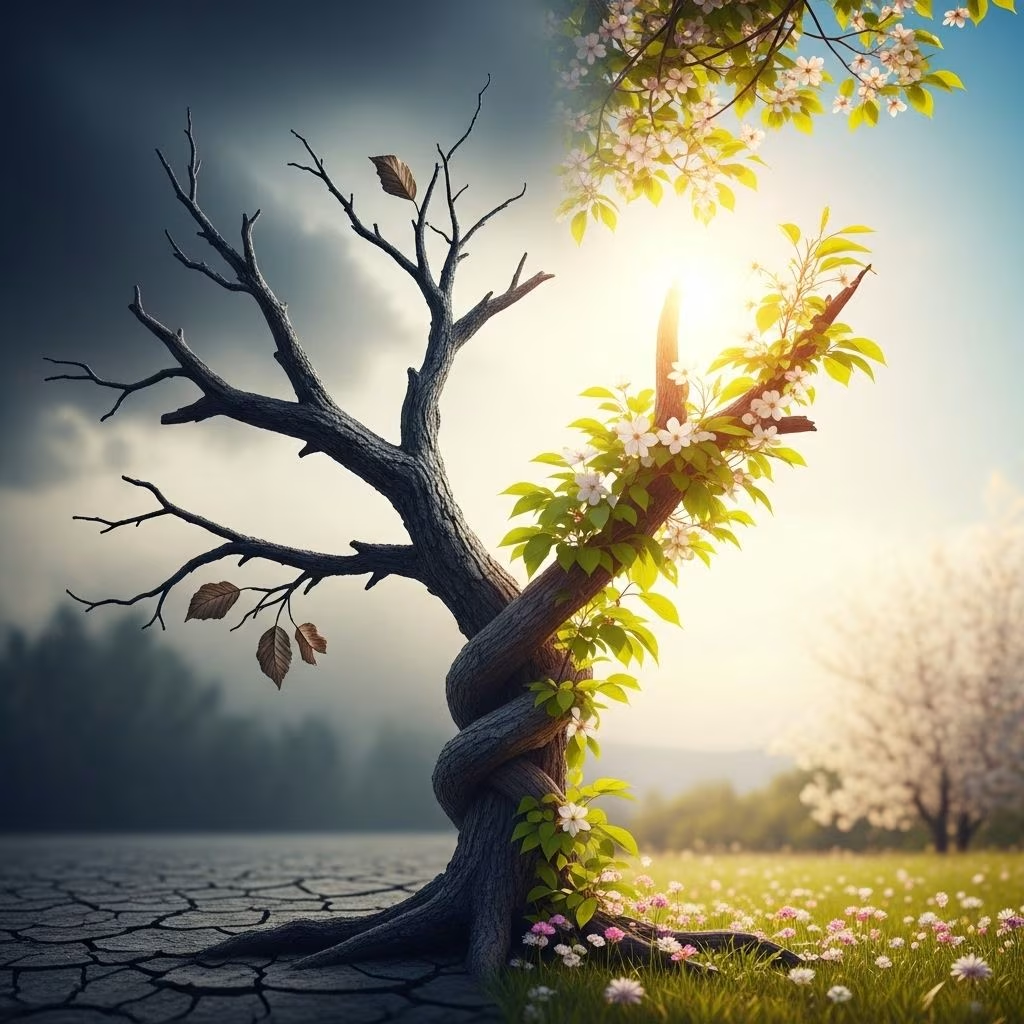
Introduction to Healthy Relationships
A healthy relationship is not about finding two perfect people; it’s about two imperfect individuals who are committed to each other’s growth and well-being. Being in such a relationship can profoundly change your life, fostering personal development, emotional maturity, and a deeper understanding of yourself and your partner.
Lessons Learned in Healthy Relationships
Arguments as Opportunities for Growth
In a healthy relationship, arguments are not tools for tearing each other down but rather opportunities for growth and understanding. They help couples confront issues, communicate effectively, and ultimately strengthen their bond. Unlike unhealthy relationships, fights in healthy ones do not create distance but instead bring partners closer together by encouraging open dialogue and mutual respect.
Embracing Imperfections
One of the most beautiful aspects of a healthy relationship is learning to appreciate and love each other’s imperfections. Rather than trying to change each other, partners in healthy relationships focus on creating an environment where both can thrive as they are. This acceptance fosters a sense of security and comfort, allowing individuals to be themselves without fear of judgment.
Vulnerability as Strength
Being vulnerable in a relationship is often misunderstood as a sign of weakness. However, in a healthy partnership, vulnerability is a strength. It allows partners to be open, honest, and trusting, which are essential components of building a strong and lasting relationship. Trusting each other enough to be vulnerable indicates a deep level of respect and commitment.
Keeping the Spark Alive
Maintaining Independence and Attraction
Keeping a relationship exciting involves more than just grand gestures; it’s about maintaining independence and attraction. Even simple acts like dressing up for a date night or taking care of oneself can reignite passion and interest. Ensuring personal growth and self-care can make a partner more attractive and appealing.
Pursuing Shared Goals
Having shared goals and bucket lists can create a sense of unity and purpose in a relationship. Whether it’s adopting a pet, going on a hike, or trying a new restaurant, pursuing these goals together can foster passion and excitement. It’s not just about the destination but the journey and experiences shared along the way.
Effective Communication and Conflict Resolution
Daily Check-Ins and Support
Effective communication is key to a healthy relationship. Regular check-ins about daily highs and lows can help couples stay connected and supportive. Additionally, being there for important events in each other’s lives shows commitment and care.
Conflict Resolution Strategies
Conflicts are inevitable, but how they are handled makes all the difference. Healthy couples do not avoid arguments; instead, they approach them with patience and understanding. Taking time to assess the root of a problem and perspective-shifting can lead to more constructive and respectful conflict resolution.
Personal Growth and Development
Being in a healthy relationship often prompts personal growth and development. It encourages self-reflection, self-improvement, and learning from each other. Recognizing areas for personal growth and working together to address them can strengthen the bond and improve individual well-being.
Conclusion
In conclusion, a healthy relationship is a journey of mutual growth, love, and acceptance. It transforms individuals by fostering personal development, emotional maturity, and a deeper understanding of oneself and one’s partner. Embracing imperfections, maintaining effective communication, and pursuing shared goals are just a few of the many ways a healthy relationship can change your life for the better.
Frequently Asked Questions (FAQs)
Q: What are some signs of a healthy relationship?
A: Signs include mutual respect, effective communication, trust, and the ability to handle conflicts constructively.
Q: How do you maintain intimacy in a long-term relationship?
A: Intimacy can be maintained through regular date nights, surprise gifts, and emphasizing emotional connection.
Q: Can relationships change over time?
A: Yes, relationships evolve over time. Healthy relationships adapt to changes while maintaining mutual respect and communication.
References
- https://jamesrussell.org/blogs/love-story-from-the-male-perspective–2/posts/3734646/12-lessons-you-learn-when-you-re-finally-in-a-healthy-relationship
- https://www.elitedaily.com/dating/how-to-keep-your-relationship-exciting/2061154
- https://www.elitedaily.com/p/how-to-have-a-better-relationship-than-ever-before-according-to-a-couples-therapist-8550007
- https://affirmativetherapycollective.com/elite-daily-exercise-article/
- https://www.kylebenson.net/5-relationship-books-change-love/
- https://www.austintherapyemdr.com/blog/feature-emoji-communication


