


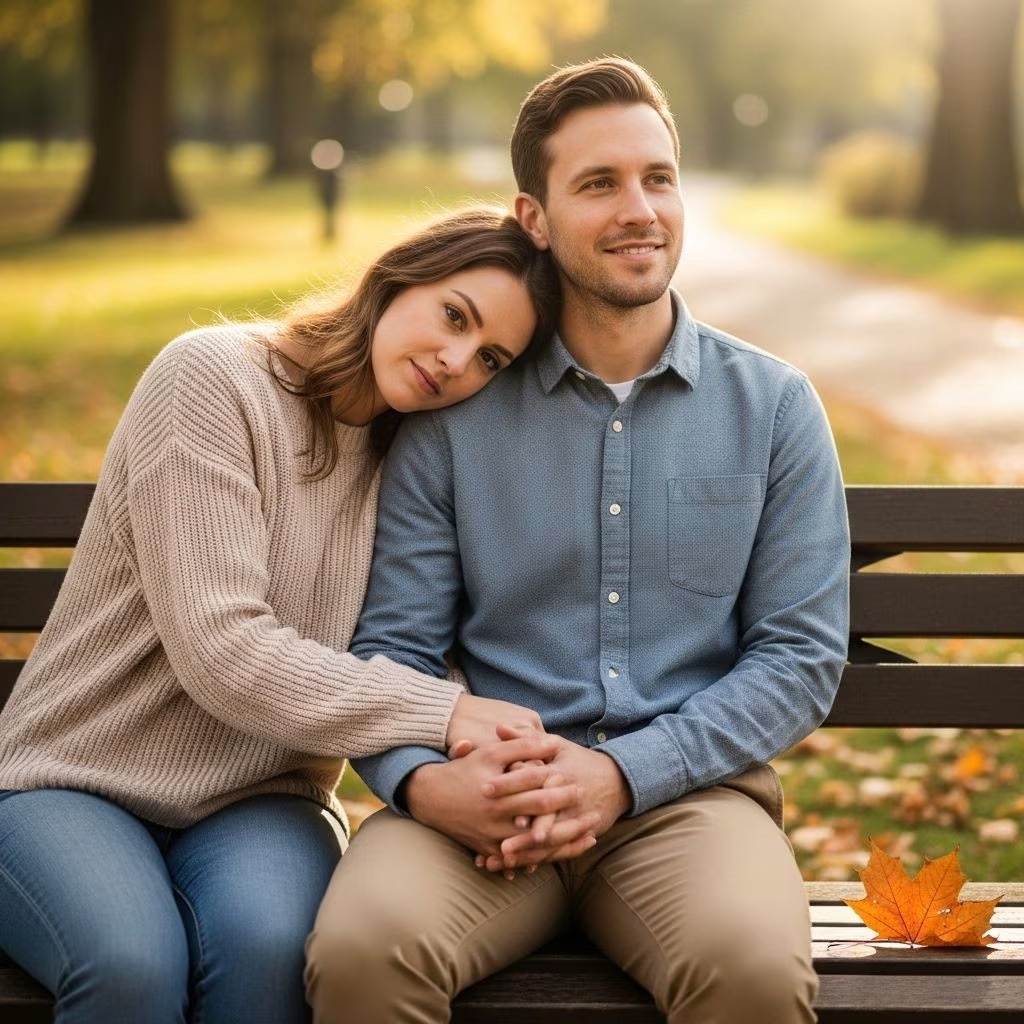
Why Not Marrying My Long-Term Partner Is the Best Decision We’ve Made
In a world where marriage is often seen as the ultimate goal of a romantic relationship, some couples are choosing a different path—one that is just as loving and committed, but without the legal and social expectations of marriage. This is a first-person exploration of what it means to be in a long-term, committed relationship without plans to marry, and why this choice can be the best decision for some.
The Pressure to Marry
Society often views marriage as the natural next step in a serious relationship. Friends, family, and even strangers may ask, “When are you getting married?” as if it’s the only way to validate a couple’s love. But for some, marriage doesn’t feel necessary—or even desirable. Instead of succumbing to societal expectations, my partner and I have chosen to remain unmarried, and it’s been the best decision for our relationship.
There’s a common misconception that marriage is the only way to prove commitment. But commitment isn’t about a piece of paper or a ceremony—it’s about daily choices, mutual respect, and the intention to build a life together. We’ve found that our relationship is just as strong, if not stronger, without the formalities of marriage.
Freedom from Legal Obligation
One of the most tangible benefits of not marrying is the lack of legal entanglement. Marriage is a legally binding contract that makes it much harder to separate if things don’t work out. Without marriage, there’s no obligation to stay together if our feelings change or if life leads us in different directions. This freedom is both practical and emotional.
- No Divorce Process: If our relationship ends, we won’t have to navigate the complexities and costs of divorce. We’ll simply part ways, without needing lawyers, court dates, or dividing assets.
- No Added Pressure: There’s no unspoken societal or legal pressure to stay together “no matter what,” which can sometimes force unhappy couples to remain in damaging relationships.
- Personal Independence: Each person retains autonomy over major life decisions, from career moves to financial choices, without needing to consider the legal implications of marriage.
Flexibility in Life Choices
Being unmarried allows us both the flexibility to make life choices for ourselves. If one of us gets a dream job across the country—or even overseas—there’s no guilt or obligation to uproot the other’s life or to stay together out of duty. We’re free to pursue opportunities and adventures that enrich our individual lives.
This flexibility extends to our emotional lives as well. If one of us were to meet someone else who truly makes us happier, there’s no societal shame or legal barrier preventing us from pursuing that path. While this might sound unconventional to some, it’s a level of honesty and respect that we both value.
Absence of Societal Expectations
Marriage comes with a boatload of unspoken expectations. Couples are often expected to merge finances, buy a house together, have children, and present a united front to the world. Without marriage, we’re free to define our relationship on our own terms.
- No Pressure to Conform: We’re not subject to the same expectations or judgments as married couples, which allows us to focus on what truly matters to us.
- No Unrealistic Vows: We don’t make vows that might later feel impossible to keep. Instead, we renew our commitment in small, everyday ways.
- No Fear of Being a Statistic: The staggering divorce rate isn’t a specter hanging over our relationship, which is surprisingly freeing.
The Emotional Rewards
Far from being less committed, our relationship is built on mutual respect, trust, and the knowledge that we’re together because we genuinely want to be—not because we’re expected to stay. We never take each other for granted, and every day together feels like a choice rather than an obligation.
We’ve found that our modern, marriage-free partnership is just as fulfilling—if not more so—than many traditional marriages we’ve witnessed. Our communication is open, honest, and ongoing, addressing issues as they arise rather than letting them fester under the pressure of “happily ever after” expectations.
Public Perception and Realities
When people learn that we’re in a long-term relationship without plans to marry, we’re often met with confusion or skepticism. Questions like “Don’t you want to be secure?” or “Aren’t you afraid he’ll leave?” reflect the biases and fears surrounding non-married partnerships. But our experience has shown that security doesn’t come from a marriage certificate—it comes from trusting ourselves and each other.
- Trust Over Fear: We choose to trust each other every day, which feels more genuine than relying on societal norms.
- No Legal Safety Net: While marriage provides certain legal protections, we’ve chosen to handle matters like finances and living arrangements through honest discussion and mutual agreement.
- The Power of Choice: Our relationship is a series of ongoing choices rather than a one-time commitment enforced by law—and that feels more real, not less.
Common Myths Debunked
There are persistent myths about marriage and long-term relationships. Here are a few we encounter, and our perspective:
- Myth: Marriage Means More Stability
Stability comes from daily effort, not a wedding ring. Many married couples experience instability or dissatisfaction, just as unmarried couples can enjoy deep, secure relationships. - Myth: Marriage Equals True Commitment
Commitment is an action, not a legal status. We’ve seen couples stay together happily for decades without marriage, while others divorce quickly. - Myth: Marriage Guarantees Happiness
Happiness comes from compatibility, communication, and shared values—not a marriage license. We feel just as fulfilled as our married friends, sometimes more so.
Why Marriage Isn’t for Us—And That’s Okay
For my partner and me, marriage simply doesn’t align with our values or lifestyle. We don’t want the societal or legal expectations that come with it. We’re not opposed to marriage for others—it works well for many couples. But for us, it’s not a necessary step toward happiness or commitment.
We respect that every couple must make their own choices based on what’s best for them. The important thing is open, honest communication about what both partners want and need.
FAQs: Long-Term Relationships Without Marriage
Q: Aren’t you worried about your partner leaving?
A: Not especially. We’re together by choice, not obligation. If one of us were to leave, it would mean we’re not right for each other—and that’s okay. We prefer honesty over staying together out of fear or convenience.
Q: What about legal and financial protections?
A: We handle issues like finances, living arrangements, and healthcare directives through open discussion and, when needed, legal documents (like a cohabitation agreement). We don’t let the absence of marriage prevent us from organizing our lives.
Q: Do you still feel as committed as married couples?
A: If anything, our commitment feels more intentional. We renew it every day through our actions and choices, not just once at a wedding.
Q: What if you change your mind in the future?
A: We’re open to change, but for now, we’re happy as we are. If either of us ever wants to get married, we’ll talk about it honestly, without pressure.
Conclusion
For couples who find marriage unnecessary or unappealing, long-term commitment without marriage can be just as rewarding—sometimes even more. It’s about love, respect, and mutual choice, not societal expectations or legal paperwork. If you’re considering this path, know that it’s a valid, fulfilling way to experience love and partnership in the modern world.
Key Takeaways
- Freedom: No legal obligation to stay, making every day a conscious choice to be together.
- Flexibility: Both partners enjoy personal and career autonomy, pursuing opportunities without restriction.
- Avoiding Societal Pressure: The relationship is defined on your own terms, without expectations or judgments.
- Emotional Honesty: Trust, communication, and ongoing effort matter more than a marriage certificate.
- Respect for Choice: Every couple’s needs are different; what matters most is mutual happiness and understanding.
References
- https://www.elitedaily.com/dating/getting-married-doom-relationship-expert/1621498
- https://www.elitedaily.com/dating/married-long-term-relationships/1617106
- https://www.elitesingles.co.uk/em/from-single-to-couple/ending-a-relationship
- https://phyliciamasonheimer.com/10-ways-this-generation-can-recover-their-ability-to-be-in-love/
- https://sophisticatedmatchmaking.com/the-girls-you-should-be-marrying/
- https://www.yourtango.com/2021345291/im-long-term-relationship-i-dont-believe-marriage
- https://www.aubreenichols.com/published-article/2017/6/22/elite-daily-my-past-abusive-relationship-makes-it-hard-for-me-to-say-no-to-men


