


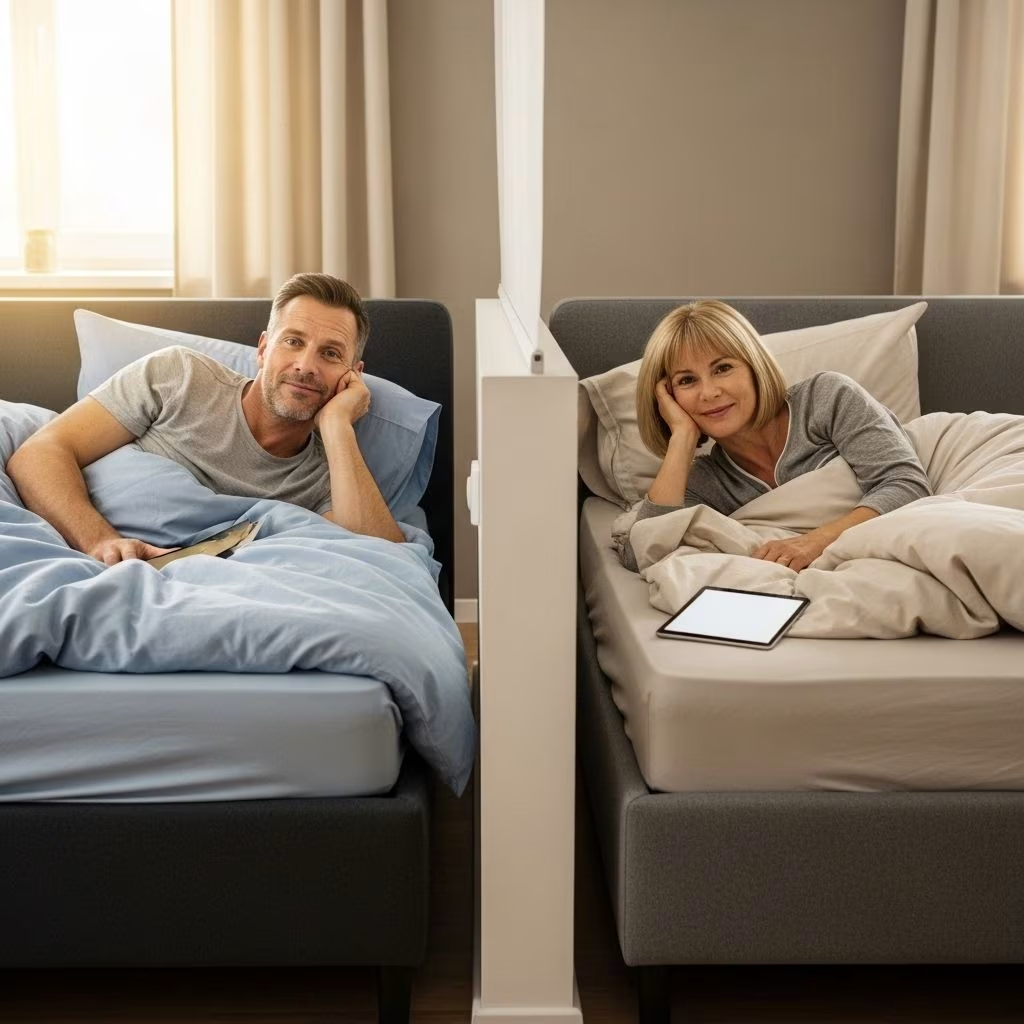
When it comes to couple sleeping arrangements, the image of two partners cozily tucked into the same bed is deeply ingrained in our cultural psyche. Yet, an increasing number of couples are quietly opting for separate beds, challenging traditional notions of intimacy and partnership. Is this trend a sign of trouble, or can it be a healthy evolution in how we approach love, sleep, and well-being? To answer this, we examine expert opinions, common reasons for ‘sleep divorce,’ possible relationship impacts, and how couples can navigate this sensitive decision.
Why Are More Couples Choosing Separate Beds?
The decision to sleep apart is more common than many realize. According to the National Sleep Foundation, nearly one in four American couples sleep in separate beds or bedrooms. While the practice may invite questions or even concern, there are valid, practical motivations behind this growing trend:
- Snoring: Chronic snoring can dramatically affect sleep quality for both partners, prompting some to retreat to another bed for rest.
- Restlessness: One partner’s tossing, turning, or frequent trips to the bathroom can easily interrupt the other’s sleep.
- Differing schedules: Shift work, early risers, or late-night habits can make sharing a bed logistically challenging.
- Sleep disorders: Conditions like insomnia, sleep apnea, or even just being a particularly light or heavy sleeper can play a role.
- Temperature preferences: Disagreements over room or blanket temperature are a surprisingly common reason to seek separate sleeping spaces.
Love and romance are not necessarily casualties of separate beds. As relationship expert Susan Winter notes, the key is whether the decision is mutual and made for reasons that make sense to both partners. When approached thoughtfully, sleeping separately doesn’t have to diminish intimacy or connection (source: Elite Daily expert commentary).
The Idea of a “Sleep Divorce”
Some have dubbed this arrangement a “sleep divorce”. Unlike its legal namesake, this term refers to couples choosing to part ways at bedtime alone—often strengthening, rather than fracturing, the rest of their relationship. Neuroscience expert Dr. Patrick Porter explains that “insufficient sleep can lead to impatience, heightened irritability, and compromised communication,” raising the stakes for couples who struggle with poor sleep (source: Sleepopolis).
With sleep quality so closely tied to mood and relational harmony, it’s not surprising that couples are experimenting with creative ways to get their eight hours. Porter adds, “Sleeping in separate bedrooms can enhance sleep quality by allowing individual customization of sleep environments based on preferences for factors like temperature, light, and sound.”
Does Sleeping Apart Hurt Your Relationship?
Despite the practical benefits, concerns often arise around the impact on intimacy and emotional closeness. Fran Greene, a dating and relationship coach, warns that, “continuous sleeping apart can have a negative impact on the couple’s relationship.” She stresses that sharing a bed is one of the most private, intimate spaces for two people in a partnership, and a prolonged absence from this can erode feelings of coziness, connectedness, and even sexual intimacy (source: Elite Daily).
Other experts and couples, however, suggest balance is possible. Open communication, intentional quality time, and a willingness to periodically break from the ‘sleep divorce’ can allow couples to reap the health benefits of better rest while maintaining romantic closeness.
Common Reasons Couples Sleep Separately
- Chronic snoring keeping one or both partners awake.
- Children needing attention, especially for new parents on different feeding or night duties.
- Medical needs, such as post-surgery recovery, anxiety, or other health concerns.
- Personal preference for space, quiet, or undisturbed rest.
Expert Views: Is It Really a Problem?
Short-term separation, say experts, is usually not an issue and can even be a solution to acute sleep disruptions. The core of any potential problem is when the arrangement is not fully agreed upon, or when it becomes a proxy for avoiding deeper relational issues. Dr. Sarah Allen, a psychologist specializing in relationships, reminds us couples should not conflate separate beds with distance in the relationship; rather, the motivations for the arrangement matter most (source: Dr. Sarah Allen).
Potential concerns:
- Loss of intimacy: Physical closeness at night can promote bonding hormones such as oxytocin, which can be diminished with prolonged separate sleeping.
- Drifting apart: Some worry about the “roommate effect,” where partners begin to feel less like romantic partners and more like cohabitants.
- Lack of communication: Problems can arise if the decision is unilateral or not openly discussed, leading to misunderstandings or hidden resentments.
Benefits of Sleeping Apart
Though not for everyone, some partners discover significant upsides to separate beds:
- Better sleep quality: No more waking up to snoring, blanket tug-of-wars, or restless movement.
- Improved health: More sleep enhances mood, immune function, and cognitive abilities.
- Reduced resentment: Addressing chronic sleep issues can eliminate a major source of friction.
- Increased intentional intimacy: Consciously making time for physical affection outside of the sleep routine.
When Should You Worry About Sleeping Apart?
While temporary or mutually agreed arrangements are often fine, problems can develop in certain scenarios:
- The separation is not mutually wanted, and one partner feels rejected or hurt.
- There’s little or no communication about the true reasons behind the new arrangement.
- Sleeping apart becomes a way to avoid intimacy or unresolved conflicts in the relationship.
- Physical distance persists even in waking hours, and the couple spends little quality time together otherwise.
Expert Warning Signs Table
| Red Flag | Explanation |
|---|---|
| One partner feels rejected | Feelings of hurt or abandonment should not be dismissed. Open dialogue is essential. |
| Loss of physical intimacy | Extended periods without affection or sex may indicate underlying problems. |
| Avoidance of issues | If sleeping apart is used to dodge conflict or difficult conversations, it can deepen rifts. |
How to Decide If Sleeping Separately Is Right for You
Every relationship is unique, and what works for some couples may be a poor fit for others. Here’s what experts recommend if you’re considering a “sleep divorce”:
- Talk openly: Discuss your sleep needs and concerns with your partner without judgment or blame.
- Set boundaries together: Decide if the arrangement will be temporary, occasional, or permanent, and revisit the decision regularly.
- Prioritize intimacy: Commit to spending connecting time together before bed, or plan for morning cuddles or affectionate rituals.
- Seek support if needed: If the decision leads to relationship distress, consider couples counseling or professional guidance.
Real Couples, Real Stories
The choice to sleep separately need not spell doom for romance. For example, popular TikTok couple Abby and Matt Howard started sleeping apart to manage sleep interruptions after their baby was born. Abby, a lifelong cuddler, admitted she was initially hesitant, but soon recognized the arrangement was best for their needs and was only temporary during pregnancy. Their relationship benefitted from better sleep and less stress on each parent (source: Sleepopolis).
Carson Daly, host of the Today show, also described a positive experience after implementing a sleep divorce when his wife was pregnant. The couple reported higher quality sleep and a healthier relationship overall. As Daly remarked, “It’s the best thing that ever happened to us. We both, admittedly, slept better apart.”
Expert Tips to Preserve Intimacy While Sleeping Separately
- Quality time before bed: Spend time together before parting ways for the night, whether that’s chatting, cuddling, or watching a show.
- Morning rituals: Start the day with a hug, kiss, or a shared breakfast to maintain connection.
- Intimate touch points: Plan for dates, affectionate gestures, and physical intimacy regularly.
- Communicate frequently: Talk about how the new arrangement is working and make adjustments as needed.
Frequently Asked Questions (FAQs)
Is sleeping in separate beds a sign of relationship trouble?
Not necessarily. Experts agree that, as long as the decision is mutual and communication is open, separate beds can improve sleep quality without harming the relationship. It becomes a problem if it masks deeper issues or leads to a sustained loss of intimacy.
What are some healthy ways to maintain closeness while not sleeping together?
Prioritize time spent together before bed or in the morning, maintain physical affection and regular conversations, and plan for quality time and intimacy outside of the bedroom routine.
Are there any situations where sleeping apart is unhealthy?
If one partner feels hurt, rejected, or if the separation is being used to avoid dealing with conflict, it can signal a problem. Ongoing avoidance of intimacy may also indicate deeper relationship distress, in which case counseling is advisable.
How common is it for couples to sleep separately?
It is more common than many people realize. Studies estimate that almost one in four couples sleeps in separate beds or bedrooms at least some of the time.
Can sleeping apart be temporary?
Absolutely. Many couples choose separate beds for short periods during illness, schedule changes, or pregnancy, and often resume sharing a bed when circumstances change.
When to Seek Help
If sleeping separately is causing anxiety, a lack of intimacy, or distress for either partner, it’s time to address it directly. Couples therapists are trained to help partners explore the underlying issues and come up with workable solutions that respect both partners’ needs.
Conclusion: A Personal Decision
There’s no one-size-fits-all answer when it comes to sleeping arrangements in relationships. The most important factors are communication, mutual respect, and the ability to openly discuss individual needs without judgment. Whether together or apart, the healthiest relationships are built on understanding and adaptability—in bed and beyond.
References
- https://sleepopolis.com/news/sleep-divorce-leads-to-healthier-relationship/
- https://www.elitedaily.com/p/my-partner-i-sleep-in-separate-beds-heres-how-its-affected-our-relationship-12174980
- https://www.elitedaily.com/p/is-it-normal-to-sleep-in-separate-beds-in-a-relationship-experts-say-it-depends-12038231
- https://drsarahallen.com/advice-couples-sleeping-separate-bedrooms/
- https://www.romper.com/p/the-6-worst-things-you-can-do-with-your-partner-at-night-79850


