


I Took a Meditation Class With My Boyfriend: How It Changed Our Relationship
People meditate for countless reasons—some seek to sleep better, others wish to tune into their emotions or bodies, and many simply need a way to quiet the noise of daily life. While meditation’s benefits are well-documented, the experience of sharing the practice with a loved one brings unexpected and profound changes to a relationship. This is how one meditation session, held in memory of someone dear, brought lasting transformation to our partnership and changed how we experienced love, gratitude, and the present moment together.
The Impulse to Meditate as a Couple
Meditation first entered our lives on a deeply personal note. Earlier this year, my boyfriend Zach and I suffered the loss of his cousin Samantha to cancer. Samantha, an avid yogi and lifelong meditator, embodied mindfulness and gratitude both before and during her illness. After she passed, Zach and I made a silent pledge: we would honor her by practicing the values she held dear—by meditating, expressing gratitude, and staying mindful. This promise became the beginning of a journey neither of us anticipated.
We had always known that meditation could relieve stress and promote well-being—evidence of its use extends back thousands of years to ancient Indus Valley wall art. Yet, in our modern world, our minds raced from one ‘what next’ to another. Living in the moment, as Samantha had done, felt distant, almost impossible. Could attending a guided meditation class together bring us some of that peace and presence?
Why Meditate Together? The Science and the Experience
For millennia, meditation has been practiced globally, woven into various spiritual traditions from Buddhism and Hinduism to Christianity and Islam. Its recognized benefits include:
- Reduced stress and anxiety
- Enhanced self-awareness
- Better sleep and mood regulation
- Increased empathy and compassion
According to Psychology Today, the urge to chase future anxieties is a distinctly modern phenomenon, making it tougher to stay mindful. Practicing meditation with a partner, however, can interrupt those patterns with shared presence, support, and accountability.
Our First Couples Meditation Class
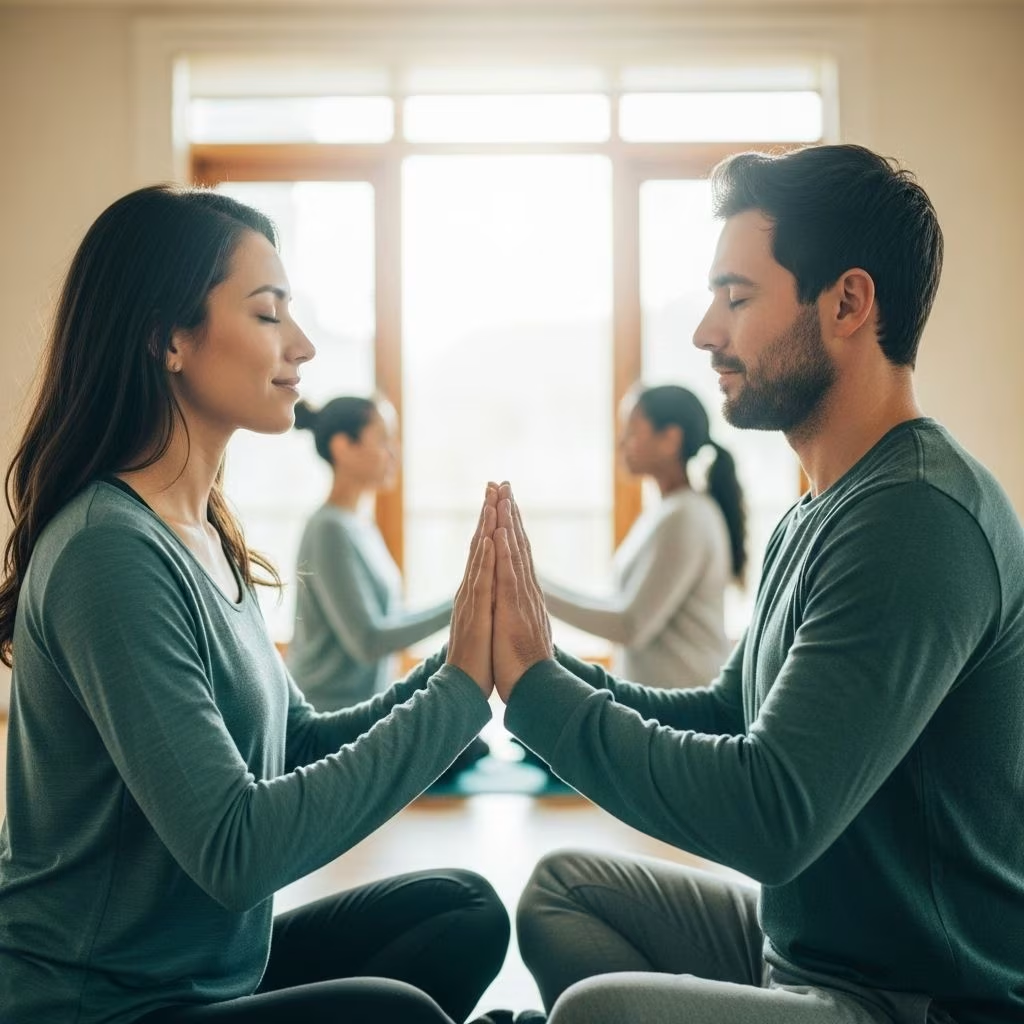
Instead of opening an app or meditating separately, Zach and I signed up for a local class. Walking into a dedicated meditation space together, I felt a mixture of anticipation and skepticism. Would we just sit awkwardly side by side, fidgeting while pretending to ‘be present’? Or could two people genuinely find synchrony in silence and breath?
The instructor guided us through a basic mindfulness practice, drawing our attention to the flow of our breath, the weight of our bodies, the sensations in the room. But she also gave us exercises to connect as partners: holding hands, exchanging glances, expressing silent gratitude for each other. At first, these exercises felt strange. Soon, though, we were laughing quietly, nerves dissolving into a sense of vulnerability. For the first time in a long while, we were both really there—not distracted, not on our phones, not thinking about errands or work. Just there, together.
Unexpected Effects: Emotional Openness and Support
The effects of the class rippled into our lives in surprising ways. That week, I noticed myself feeling less reactive—a snippy comment didn’t escalate into an argument, and looming worries about our relationship faded. Instead, a calming sense of trust started to settle between us. We began to realize:
- We could rely on each other in the present rather than trying to control the future.
- Challenges no longer felt insurmountable; they became shared experiences to move through together.
- The urge to nitpick or catastrophize was replaced by patience and humor.
The true revelation wasn’t that meditation erased our problems. Instead, it gave us tools—moments to pause, breathe, and see each other without the clutter of unresolved worries. In a world constantly shouting “what next?” we discovered the power of “right now.”
Honoring Memories Through Mindfulness
Our impulse to meditate had come from grief—a desire to honor someone who lived with intention and grace. We realized that by cultivating mindfulness and gratitude, we weren’t just remembering Samantha; we were adopting her legacy in our daily choices. Her memory inspired us to be kinder partners: to pause before reacting, to voice appreciation even for small gestures, and to offer forgiveness freely. Through this, her spirit of mindfulness carries on, subtly shaping our relationship for the better.
How Couples Meditation Builds Healthier Relationships
While our experience provided immediate emotional rewards, the science and broader relationship literature reinforce meditation’s benefits for couples:
- Deepens communication and connection: Meditating together requires trust and openness, which strengthens the lines of communication.
- Enhances empathy and patience: Mindfulness makes us less reactive to each other’s triggers and more gentle in resolving disagreements.
- Promotes mutual accountability: Practicing as a team motivates both partners to stick with it, nurturing a sense of shared responsibility.
- Creates meaningful shared memories: Exploring something new together builds intimacy and positive associations.
| Benefit | Description |
|---|---|
| Connection | Creates a sense of intimacy and shared experience by being present together. |
| Communication | Encourages active listening and emotional honesty between partners. |
| Stress Relief | Helps couples manage external pressures and handle conflict more skillfully. |
| Gratitude | Fosters appreciation for each other and for the little joys in daily life. |
Tips for Meditating As a Couple
- Choose a regular time: Meditate when you both have a few uninterrupted minutes—mornings or evenings often work best.
- Find a comfortable setting: A quiet space makes it easier to focus and connect.
- Start small: Even five to ten minutes is enough to see benefits, especially when starting out.
- Support each other’s efforts: Celebrate the intention to practice, not just the outcomes.
- Be flexible: Some days will be easy; others more challenging. The goal is to show up, not to be perfect.
Living in the Moment: Letting Go of What-Ifs
The hardest patterns to break in a modern relationship are those of rumination and anxiety. Before meditation, we found ourselves caught in cycles of “what if?”:
- What if we argue again about the same thing?
- What if our plans don’t work out?
- What if something happens that we can’t fix?
Meditation didn’t eliminate these anxieties, but it gave us the clarity to see them for what they were—just thoughts, not realities. By learning to let go of toxic mental loops, we uncovered new space for trust, laughter, and real connection. Our relationship became less about predicting the future and more about supporting each other in the present.
Spreading Positive Vibes: Bringing Mindfulness to Daily Life
Perhaps the most lasting effect of meditating together is the way those peaceful, supportive feelings radiate beyond the meditation cushion. We found ourselves:
- Being more patient in stressful situations—like traffic jams or deadlines
- Expressing love and appreciation more freely
- Picking up on each other’s moods more quickly, and offering comfort
- Carrying a quiet confidence into other areas of our lives
The best part is that it’s not just about us. Practicing gratitude and mindfulness as a couple makes us more compassionate friends, supportive siblings, and kinder coworkers. The benefits ripple outward into our families and communities—proof that a few moments of quiet shared attention can change much more than just a single relationship.
Frequently Asked Questions About Couples Meditation
Q: What if one partner is skeptical or inexperienced?
A: Start small and focus on the intention to support each other, not on immediate results. Sometimes, simply sitting together quietly is enough to build comfort before trying guided sessions.
Q: Do we need special training or equipment?
A: No special tools are required—just a quiet space and an open mind. Many couples find classes or guided recordings helpful at first, but you can absolutely practice at home together.
Q: Can we meditate together even if our schedules are different?
A: Absolutely. Try syncing up just once or twice a week when your time allows, even for five or ten minutes. The key is consistency and shared intention.
Q: What are some simple couples meditation exercises?
A: Try these quick practices:
- Breathing in sync: Sit facing each other and match your breaths for a few minutes.
- Silent gratitude: Hold hands and mentally list things you appreciate about your partner.
- Mindful listening: After meditation, take turns sharing one feeling or thought, listening without interrupting.
In Conclusion: Meditation as a Lifelong Gift for Relationships
When Zach and I stepped into that meditation class, we expected little more than a curious new experience. What we found was an invitation to let go of worry, practice gratitude, and trust ourselves—and each other—to get through whatever life brings. The simple art of meditation gave us fresh eyes for old joys and renewed hope for the future. We are grateful, present, and, above all, mindful—together.
References
- https://www.elitedaily.com/p/i-took-a-meditation-class-with-my-boyfriend-heres-how-it-changed-our-relationship-12034591
- https://circlebloom.com/6-ways-couples-meditation-brings-you-closer/
- https://lorelledehnhard.com/daily-meditation-can-change-dating/
- https://www.elitedaily.com/p/the-hidden-benefits-of-meditation-according-to-experts-make-the-practice-so-worth-it-9974063
- https://betterhumans.pub/the-5-ways-a-daily-meditation-practice-has-improved-my-life-5e18b33a2559
- https://insighttimer.com/thementallevel/guided-meditations/advanced-focus-awareness-meditation-elite-focus-flow
- https://www.psychiatrictimes.com/view/on-mentoring


