


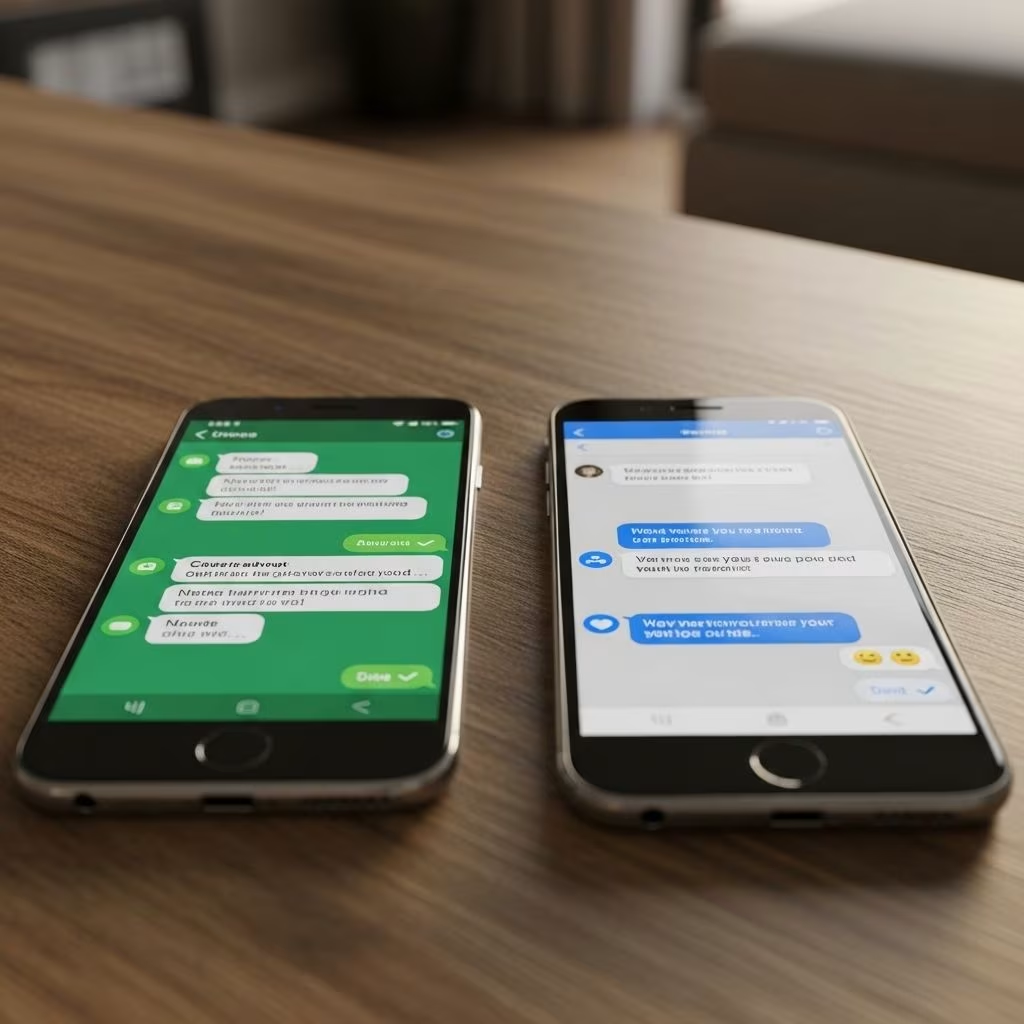
How Texting Evolves When You Define the Relationship
Texting is at the heart of modern romance. From tentative hellos to deep expressions of love, the way you communicate by phone often mirrors and shapes your relationship journey. But what truly changes about texting when you officially define the relationship? Experts explain how digital conversations evolve when dating transitions into commitment, and how mindful texting can strengthen, rather than strain, your bond.
What Does Defining the Relationship (DTR) Really Mean?
Defining the relationship—often dubbed the ‘DTR talk’—is a major emotional milestone. It marks the moment when you and your partner move from ambiguous or ‘seeing each other’ territory into an exclusive partnership with shared expectations. Naturally, this clarity changes many communication habits, especially over text.
How Texting Changes After You DTR: Expert Insights
Texting is typically one of the primary ways couples maintain day-to-day connection. While the shift from casual dating to commitment can feel subtle in person, the change is often striking over text. Here’s why:
- Increased Consistency: Couples report texting more regularly, with the expectation of daily check-ins now feeling natural rather than pressured.
- Reduced Anxiety: There’s less second-guessing about what or when to text. Uncertainty is replaced with a comfortable, authentic communication style.
- More Intimate Content: The tone of conversation shifts from playful banter and light flirtation to emotional sharing, inside jokes, and open affection.
- Practical Planning: Over time, logistics and routine updates—like organizing dates or sharing daily wins and frustrations—become central.
The Psychology Behind Texting in Newly Defined Relationships
According to digital communication experts and relationship therapists, the psychological shift after DTR is rooted in increased security and trust. While texts in the early stages of dating are often tinged with performance and the fear of being too eager, post-DTR exchanges are about being seen and understood. As one expert notes, “Texting becomes less novel and more authentic as the relationship solidifies.” The focus shifts from making an impression to maintaining genuine connection.
Textual Intimacy: From Flirting to Emotional Vulnerability
Before DTR, your texts might focus on witty banter, emojis, and playful memes. These messages are often curated to keep interest alive. After DTR, texting opens the door to vulnerability: sharing hopes, worries, and even the frustrations of the day, trusting your partner to respond with empathy.
- Before DTR: Flirty, cautious, and sometimes strategic (“Should I wait to reply?”).
- After DTR: Candid, affectionate, and even mundane (“Remembered you love this song!” or “Rough day, need to vent later.”).
Texting Habits By Relationship Stage
| Relationship Stage | Typical Texting Patterns |
|---|---|
| Early Dating | Light banter, delayed replies, performance-driven texts, lots of emojis or GIFs |
| Just Defined Relationship | Increased consistency, mutual initiation, emotional openness, fewer second-guesses |
| Long-Term Relationship | Practical planning (“Who’s picking up dinner?”), affectionate check-ins, unique inside jokes |
What Experts Say Really Changes After You DTR
1. You Both Start Initiating Texts
Reciprocity is a hallmark of healthy communication. Before DTR, one partner might drive the conversation; after DTR, both partners check in, start conversations, and maintain balance in emotional energy. This shift fosters security, demonstrating that both people are equally invested.
2. You Stop Overthinking Every Message
In the undefined stage, it’s common to workshop texts, triple-check for humor, or time your replies. Post-DTR, there’s less fear of saying the wrong thing. You text freely, trusting that honesty won’t jeopardize the relationship. This allows for deeper, more spontaneous connection.
3. Content Gets Personal—and More Practical
Once the relationship is defined, texts may focus less on impressing and more on day-to-day connection. You make plans, coordinate errands, or simply share how much you miss each other. This practicality doesn’t kill romance; it signals you’re integrating each other into daily life.
4. There’s a Unique “Relationship Language”
Long-term couples often develop a micro-world of inside jokes, shorthand, and “secret” emojis that are unique to their dynamic. This playful, personalized way of texting deepens connection, making your digital dialogue a kind of private love language.
Common Challenges After You DTR—and How to Address Them
- Misaligned Communication Styles: Not every couple has the same texting preferences. If one partner is more responsive than the other, discuss expectations and find a comfortable rhythm for both.
- Complacency: As security increases, some partners text less, which can leave the other feeling neglected. Continue to prioritize connection, even with simple daily updates or affirmations.
- Too Much Practicality: If all your texts become logistical, mix in affection and humor to keep the emotional spark alive.
Expert-Approved Tips for Healthy Post-DTR Texting
- Maintain Consistent Check-Ins—But Don’t Overdo It: Daily “good morning” or “thinking of you” texts are simple, meaningful ways to nurture security.
- Mix Emotional and Practical Subjects: Blend logistics with emotional support and playful conversation.
- Be Honest About Your Needs: If you’re craving more (or less) texting, communicate openly to prevent misunderstandings.
- Embrace Your Unique Style: Each couple’s texting habits are distinct. Celebrate your quirks and don’t compare your frequency or style to others.
The Role of Emojis, GIFs, and Digital Playfulness
With increased intimacy comes greater willingness to use your authentic voice—including emojis, GIFs, and spontaneous memes. These playful elements provide warmth and levity, conveying tone and emotion often lost in text alone. Over time, you’ll likely develop “in-jokes” or visual references unique to your relationship, creating a digital bond as strong as any verbal catchphrase.
Signs of Healthy (and Unhealthy) Texting After Defining the Relationship
- Healthy Signs:
- Balanced initiation of conversations
- Reliable daily or frequent communication
- Comfort with vulnerability and authenticity
- Blending practical and affectionate texts
- Use of playful, shared language, emojis, or references
- Red Flags:
- One-sided initiation or emotional energy
- Anxiety or overthinking before sending texts
- Abrupt or dismissive replies
- Texting only for logistical reasons; emotional distance
- Consistent misunderstandings or conflicts arising from texting
How Texting Evolves in a Long-Term Relationship
As relationships mature, texting generally becomes less frequent but more significant in quality. Quick messages transform from excitement-fueled exchanges to daily check-ins and logistical planning, interspersed with heartfelt reminders of care. According to relationship linguists, this evolution isn’t a sign of waning attraction–it’s a natural progression as the novelty fades and authentic connection deepens.
Routine messages like “Home in 10” or “Grabbed your favorite coffee” reflect the intertwining of your lives. While passion texts may slow, these small notes often matter more—serving as a digital glue for busy, intertwined days.
The Unique “Play Frame” of Every Couple’s Texts
Experts highlight the idea of a “play frame”—a digital space unique to each couple. Built from inside jokes, emojis, specific language, and shared experiences, your play frame is a micro-culture accessible only to the two of you. This intimacy not only preserves, but strengthens, romantic connection over time.
Why Embracing the Evolution of Texting Matters for Relationship Health
Understanding and accepting how texting changes after DTR is crucial. Clinging to early patterns can lead to disappointment or unnecessary anxiety. Instead, recognize the comfort of established communication and use it as a springboard for new levels of emotional connection, support, and shared joy.
Frequently Asked Questions (FAQs)
How often should couples text after defining the relationship?
There is no set rule. Healthy couples typically text daily or with regular frequency that feels reassuring for both. The important factor is mutual satisfaction, not comparison with other couples.
Should I be worried if texting slows down after commitment?
Not necessarily. A decrease in volume often means you’re more comfortable and spending more time together in person. Focus on quality and emotional resonance rather than quantity.
What if we have different texting styles?
Acknowledging and discussing your preferences helps avoid misunderstandings. Compromise and respect are key—neither partner’s comfort should be ignored.
Is it normal for texting to become more practical?
Absolutely. As lives merge, practical matters will come up more often. Combine practical planning with occasional affectionate messages to nurture intimacy.
How do I keep our texting playful and connected?
Continue to share inside jokes, memes, or GIFs. Reference past shared moments, and check in with your partner about what makes them feel appreciated.
Final Takeaways: Embracing the Textual Shift
The transformation in texting after you define your relationship is not a sign of fading excitement, but evidence of growing trust and understanding. As communication becomes more authentic, practical, and uniquely yours, it provides a foundation for a resilient, loving partnership—both on and off the screen.
References
- https://www.elitedaily.com/dating/texting-early-stages-dating
- https://www.elitedaily.com/p/how-does-texting-change-throughout-a-relationship-a-linguist-explains-18013178
- https://www.youtube.com/watch?v=vXKVYc1vaaE
- https://elite709.rssing.com/chan-13248285/all_p1066.html
- https://www.austintherapyemdr.com/blog/feature-emoji-communication


