


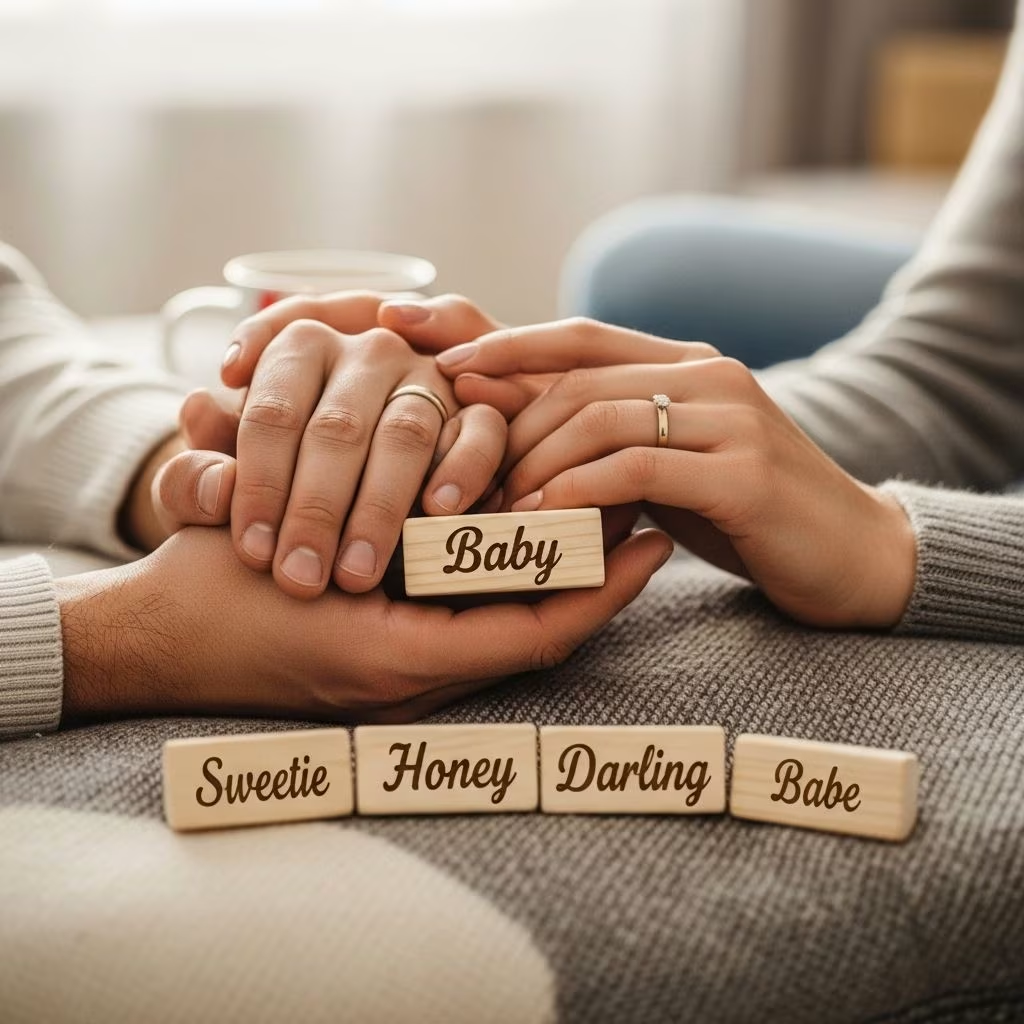
When you hear couples whispering sweet nothings to each other—calling one another baby, babe, sweetheart, or honey—you might wonder what’s really happening beneath the surface. Are these affectionate nicknames just empty words, or do they carry deeper psychological significance? According to relationship experts and psychologists, the use of pet names between romantic partners reveals fascinating insights into relationship dynamics, emotional intimacy, and the very nature of human connection.
The practice of using diminutive names and terms of endearment has been a staple of romantic relationships across cultures and throughout history. From the classic “darling” to the modern “bae,” these linguistic choices shape how couples communicate, bond, and express vulnerability with one another. Understanding what these names truly signify can help you evaluate the health and depth of your own relationship.
The Psychology Behind Calling Your Partner Baby
When adults in romantic relationships adopt childlike language and call each other names typically associated with infants, something profound is occurring at a psychological level. This behavior, far from being immature or silly, actually demonstrates a sophisticated form of emotional intelligence and relationship building.
In close relationships, people often find comfort in showing their most vulnerable sides. Many grown adults discover that with the right partner, it feels natural to use terms of endearment, embrace childhood memories, or even seek the kind of comfort they once received as children. These habits highlight that successful relationships often call for both emotional maturity and a willingness to reconnect with the younger, more dependent parts of ourselves.
Affection in relationships often appears through gentle language and diminutive nicknames, such as calling each other baby or using playful suffixes on names. Partners may also exchange meaningful tokens like childhood teddies or use a soft, nurturing tone late at night. These behaviors invite a sense of comfort and safety, echoing the warmth and security often experienced in early childhood.
The use of pet names triggers the release of oxytocin, often called the bonding hormone, which creates feelings of emotional closeness and attachment. This neurochemical response helps explain why hearing your partner call you by a special name can instantly make you feel more connected and secure. The brain literally rewards this behavior by producing chemicals associated with pleasure, bonding, and trust.
Creating a Private World Through Language
Baby talk, pet names, inside jokes, and playful banter serve as linguistic devices that help couples create a private world just for two, free from the exhausting realities of adulthood and distinct from other adult relationships. This phenomenon has been well-documented in relationship research.
A frequently cited study published in the Journal of Social and Personal Relationships found that couples who used more private language, or idiosyncratic communication, reported higher levels of relationship satisfaction. The researchers discovered that these personalized forms of communication weren’t just cute additions to relationships—they were actually markers of deeper connection and contentment.
When couples develop their own unique vocabulary, complete with special nicknames and private references, they’re constructing boundaries around their relationship that separate it from the outside world. This linguistic intimacy creates a sense of belonging and exclusivity that strengthens the partnership. It’s a way of saying, without explicitly stating it, that this relationship occupies a special place that others cannot access.
The Vulnerability Factor in Terms of Endearment
Research examining the context of diminutives found words such as baby, sweet pea, and cutie pie conveyed pragmatic senses such as smallness, cuteness, and silliness—all things that require vulnerability. Therefore, while it may be easy for outsiders to laugh at baby-talk between a couple, for two people willing to put their very-adult-guards down and engage in such talk, it can actually strengthen relationship security.
Healthy adult relationships require both maturity and the capacity to revisit a more vulnerable state. True emotional intimacy means occasionally embracing a childlike need for care, such as wanting comfort or reassurance from a partner. People with difficult past experiences may struggle with this, often adopting sarcasm or maintaining emotional defenses to avoid appearing vulnerable. However, showing such softer, less self-sufficient sides is a marker of emotional health—not weakness.
Balancing independence with the ability to ask for comfort strengthens trust and demonstrates a high level of self-assurance. By confidently accessing both developed and undeveloped sides of the self, individuals foster deeper, more genuine relationships. The willingness to use and respond positively to pet names signals that both partners feel safe enough to lower their defenses and show their authentic selves.
The Evolutionary and Biological Basis
Psychotherapists point to evolutionary explanations for why baby talk and pet names feel so natural in romantic relationships. There are seven basic emotional systems—including rage, fear, care, and play—that all animals have, representing how we’ve been evolutionarily wired. When young, all animals learn through play, and these social connections are critical for wellbeing.
Using baby talk with each other is a way of facilitating these innate bonding systems of play and care. Just as young animals engage in playful behavior to form social bonds and learn crucial survival skills, adult humans tap into these same systems when they use affectionate, playful language with their romantic partners. This isn’t regression in a negative sense—it’s actually accessing fundamental bonding mechanisms that have been refined over millions of years of evolution.
The care system, in particular, gets activated when partners use nurturing language with each other. This same system is engaged when parents care for their children, which explains why parental-style affection between romantic partners can feel so comforting and bonding. It’s tapping into our deepest wiring for connection and attachment.
When Pet Names Become Red Flags
While pet names generally indicate positive relationship dynamics, experts warn that certain patterns of usage can actually signal problems beneath the surface. Not all affectionate nicknames are created equal, and context matters enormously when evaluating whether these terms strengthen or undermine a relationship.
Being called babe or baby too early in a relationship can make you grow attached to someone who hasn’t shown you true intimacy. Affectionate language triggers oxytocin, which makes us feel emotionally close even in the absence of trust or consistency. You may start to feel attached to someone who’s never actually shown you their emotional world. This premature intimacy can create false feelings of closeness that don’t match the actual level of commitment or vulnerability in the relationship.
The term sweetheart can sometimes be used to dismiss genuine concerns about the relationship in what psychologists call emotional infantilization. Instead of engaging with concerns, a partner might respond with dismissive statements that sound affectionate but actually minimize emotions and shift the focus away from the issue at hand. This tactic treats you as if you’re too fragile and emotionally unstable to be taken seriously.
Similarly, seemingly sweet monikers such as angel can function as emotional distractions from real issues. After a conflict, instead of addressing the problem, there might be a flood of endearments that sound sweet but actually act as emotional distractions, soothing the partner’s discomfort rather than engaging with underlying problems. This is also called emotional appeasement—using affection to avoid emotional responsibility.
The Difference Between Healthy and Manipulative Pet Names
Not all pet names are manipulative. In emotionally healthy relationships, they often reflect genuine affection and tenderness and can even help de-escalate tension. The key difference lies in intention and timing. Understanding these distinctions helps you evaluate whether pet names in your relationship serve constructive or destructive purposes.
In healthy relationships, pet names emerge naturally from mutual affection and shared experiences. They’re used consistently across different contexts—not just when trying to avoid conflict or deflect criticism. These nicknames feel authentic rather than calculated, and both partners respond positively to them without feeling patronized or dismissed.
Manipulative use of pet names, by contrast, tends to appear strategically at moments when one partner is trying to avoid accountability or shut down legitimate concerns. The affectionate language serves as emotional wallpaper, creating a superficial appearance of warmth while preventing genuine intimacy and honest communication. If you notice that pet names only appear when your partner is defensive or avoiding difficult conversations, this pattern warrants attention.
Discussing Pet Names With Your Partner
As cute and admiring as terms of endearment are, relationship coaches emphasize that couples need to actually discuss and test out pet names rather than assuming their partner enjoys them. This conversation should happen during pleasant and happy moments in a relaxed, light, and jovial way. Pillow talk is usually a great time to bring up these subjects.
Opening the topic for discussion might sound like: “This feels good snuggled up with you like this. Do you like it when I call you babe?” This approach respects the person’s feelings and creates space for honest feedback about what nicknames feel comfortable and meaningful.
It’s important to keep in mind how pet names were used in past relationships, in case your partner feels triggered by using a specific pet name. What seemed affectionate in one relationship context might carry negative associations from previous experiences. Being sensitive to this possibility demonstrates emotional awareness and respect for your partner’s history.
Cultural and Individual Variations
The specific pet names that feel appropriate and affectionate vary considerably across cultures and individual preferences. What sounds endearing in one cultural context might seem strange or even offensive in another. Similarly, personal taste plays an enormous role—some people love elaborate, creative nicknames while others prefer simple, classic terms.
Some common categories of pet names include food-based terms like honey, sugar, or pumpkin; animal-based names like bunny or tiger; diminutive versions of actual names; and descriptive terms like beautiful or handsome. The key is finding nicknames that resonate with both partners and feel authentic to your specific relationship dynamic.
Generational differences also influence pet name preferences. Older generations might favor more traditional terms like dear or sweetheart, while younger couples often embrace newer slang like bae or create entirely unique nicknames based on inside jokes or shared experiences.
The Role of Pet Names Throughout Relationship Stages
The use of pet names typically evolves as relationships progress through different stages. In the early dating phase, couples might start with safer, more general terms like babe before developing more personalized, unique nicknames as intimacy deepens. Long-term couples often have entire vocabularies of private language that has accumulated over years together.
A decrease in the use of pet names can sometimes signal relationship trouble. When partners stop using affectionate nicknames and revert exclusively to given names, it may indicate growing emotional distance or unresolved conflict. Conversely, a sudden increase in pet name usage after a period of distance might indicate reconciliation efforts or renewed intimacy.
The most securely attached couples tend to use pet names consistently but not excessively, incorporating them naturally into everyday communication without relying on them to paper over problems. These names become seamlessly integrated into how partners address each other, reflecting genuine affection rather than performing it.
Benefits of Using Pet Names Appropriately
When used authentically and mutually, pet names offer numerous benefits to romantic relationships. They serve as constant micro-affirmations of love and commitment, reinforcing the bond multiple times throughout each day. Every time you call your partner by an affectionate nickname, you’re essentially saying “I care about you” without having to explicitly state it.
Pet names also help couples maintain connection during stressful periods. When life becomes overwhelming with work pressures, family obligations, or other challenges, these small linguistic gestures of affection help preserve intimacy even when partners have limited time or energy for deeper connection. They serve as relationship maintenance tools that require minimal effort but yield significant emotional returns.
Additionally, using unique pet names creates shared identity and reinforces the sense of being a team. When you have special names for each other that nobody else uses, it strengthens the feeling that you belong to something exclusive and meaningful. This shared identity helps couples weather difficulties and maintain commitment during challenging times.
When to Be Cautious About Pet Names
Despite the many benefits, there are situations where caution regarding pet names is warranted. If you’re in a new relationship and your partner immediately begins using intense terms of endearment, consider whether this matches the actual level of intimacy and commitment that has developed. Love bombing—overwhelming someone with affection and attention early in a relationship—often includes premature use of pet names as a manipulation tactic.
Similarly, if pet names are used exclusively in private but your partner never uses affectionate language in public or around others, this discrepancy might indicate discomfort with public displays of affection or, more concerningly, an unwillingness to fully claim the relationship in social contexts. While some discretion is normal and healthy, a complete disconnect between private and public behavior deserves examination.
Pay attention to how you feel when your partner uses pet names. Do these terms make you feel loved and valued, or do they feel diminishing or patronizing? Your emotional response provides important information about whether these nicknames are serving the relationship positively or functioning as subtle forms of control or dismissal.
The Importance of Authenticity
Perhaps the most crucial factor determining whether pet names benefit a relationship is authenticity. Terms of endearment should arise spontaneously from genuine affection rather than being deployed strategically or performed for others. When nicknames feel forced or calculated, they lose their bonding power and may even create distance.
Authentic pet names often emerge from shared experiences, inside jokes, or observations about your partner that you find endearing. They shouldn’t be adopted simply because they’re common or because you think you’re supposed to use them. The most meaningful nicknames are those that carry personal significance for your specific relationship.
This authenticity also means being willing to evolve how you use pet names as the relationship changes. What felt right in the honeymoon phase might need adjustment as you build a life together. Being attuned to these shifts and communicating about them helps ensure that your language continues serving the relationship positively.
Frequently Asked Questions
Q: Is it normal to not like pet names in a relationship?
A: Yes, it’s completely normal and acceptable to not enjoy pet names. People have different preferences regarding terms of endearment, and some individuals find them uncomfortable or inauthentic. What matters is communicating this preference to your partner so they can respect your boundaries while finding other ways to express affection.
Q: What does it mean if my partner suddenly stops using pet names?
A: A sudden decrease in pet name usage could indicate growing emotional distance, unresolved conflict, or stress affecting the relationship. However, it’s important not to jump to conclusions. The best approach is to have an open conversation with your partner about what you’ve noticed and how you’re both feeling about the relationship.
Q: How early is too early to start using pet names in a new relationship?
A: There’s no universal timeline, but pet names should generally reflect the actual level of intimacy and commitment that has developed. If affectionate nicknames appear before you’ve had meaningful conversations, established trust, or demonstrated consistency, this might be a sign of love bombing or premature intensity that doesn’t match the relationship’s foundation.
Q: Can pet names help improve a struggling relationship?
A: While reintroducing affectionate language might help soften communication and remind partners of their bond, pet names alone cannot fix fundamental relationship problems. They work best as part of broader efforts to rebuild intimacy, improve communication, and address underlying issues. Using pet names to avoid dealing with real problems is a form of emotional appeasement that ultimately harms the relationship.
Q: What if I don’t like the pet name my partner uses for me?
A: It’s important to communicate this gently but clearly. You might say something like, “I appreciate the affection, but that particular name doesn’t quite feel right for me. Could we try something else?” Then suggest alternatives that would feel more comfortable. A caring partner will respect your preference and work with you to find terms of endearment that resonate for both of you.
Q: Do pet names really strengthen relationships according to research?
A: Yes, research shows that couples who use private language including pet names report higher levels of relationship satisfaction. The key is that these terms must be used authentically and mutually, arising from genuine affection rather than manipulation or avoidance. When used appropriately, pet names facilitate bonding by triggering oxytocin release and creating a private world that strengthens couple identity.
References
- https://www.ourmental.health/everyday-enlightenment/why-do-people-call-their-partners-baby-the-psychology-behind-loves-pet-names
- https://www.unilad.com/news/sex-and-relationships/three-nicknames-relationship-doomed-fail-933989-20250707
- https://www.yourtango.com/experts/lisa-hawkins/pet-name-our-lovers-messages-desire
- https://www.theswaddle.com/psychology-of-couples-pet-names-baby-talk
- https://www.psychologytoday.com/us/blog/lifetime-connections/201603/pet-names-between-couples-are-a-very-good-sign


