


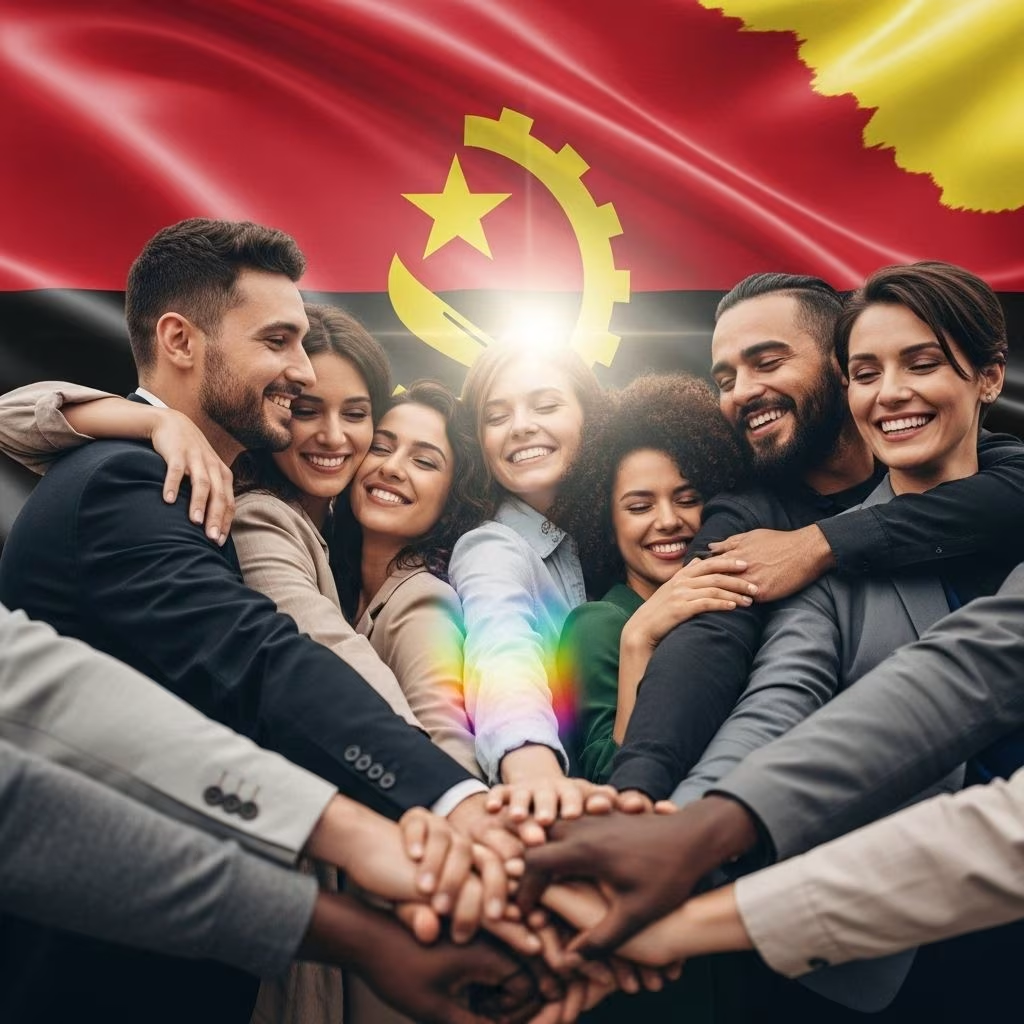
Angola Decriminalizes Same-Sex Relationships with New Penal Code
Angola has taken a historic step toward LGBTQ+ equality by decriminalizing same-sex relationships through its new penal code, which officially came into force in February 2021. This reform marks a significant departure from a colonial-era ban that had persisted since Angola’s days as a Portuguese colony, and positions Angola as one of the few African nations to have lifted criminal penalties for consenting same-sex sexual activity. The move has been hailed by human rights organizations as a crucial, if incomplete, step toward greater recognition and protection for LGBTQ+ people in the country.
The End of Colonial-Era Criminalization
For decades, Angola’s law included a vague “vices against nature” provision—a relic of Portuguese colonial rule—which was interpreted to criminalize same-sex relationships. While enforcement was rare, the existence of such a law contributed to a climate of fear and stigma for LGBTQ+ people. The repeal of this provision highlights Angola’s growing commitment to international human rights standards, even as many other African nations continue to criminalize same-sex relationships.
The new penal code, approved by the National Assembly in November 2020 and enacted in 2021, explicitly decriminalizes consensual same-sex sexual activity and establishes equal age of consent for all. Angola joins a small group of African countries—including Seychelles, Lesotho, and Botswana—that have taken similar steps. The reform was influenced in part by advocacy from local and international human rights organizations, as well as by broader social changes.
Legal Protections and Remaining Gaps
While the decriminalization of same-sex relationships is a landmark achievement, Angola’s legal framework for LGBTQ+ rights still faces significant limitations:
- Same-Sex Marriage and Partnership Recognition: Angola’s Family Code defines marriage as a “voluntary union between a man and a woman,” explicitly excluding same-sex couples from marriage or civil partnership recognition. This creates a legal barrier for same-sex couples seeking to formalize their relationships or access rights associated with marriage, such as joint adoption or inheritance.
- Anti-Discrimination Laws: The new penal code includes robust provisions against discrimination based on sexual orientation in employment and the provision of goods and services. Angola is one of the few African countries to explicitly ban employment discrimination on the basis of sexual orientation, with protections in place since 2015. The 2021 penal code extends these protections, criminalizing hate speech, incitement to hatred, and acts of violence motivated by sexual orientation.
- Family and Adoption Rights: There is no legal recognition of same-sex couples in family law, and same-sex couples are barred from adopting children together. Single individuals, regardless of sexual orientation, may adopt, but joint or stepchild adoption by same-sex couples is not permitted.
- Gender Identity Rights: The legal framework for transgender rights remains unclear. While the Civil Registry Code allows for name changes and potentially gender marker changes in cases “altering legal identity,” there is no explicit legal pathway for gender recognition, leaving transgender Angolans in a state of legal ambiguity.
Social Context and Public Opinion
Angola’s legal reforms occur within a broader African context, where most countries still criminalize same-sex relationships and LGBTQ+ people face widespread discrimination, violence, and social stigma. Despite Angola’s progressive legal changes, social attitudes remain mixed:
- Public Opinion: A 2017 survey by ILGA found that 61% of Angolans agreed that gay, lesbian, and bisexual people should enjoy the same rights as others, and 65% supported protections against workplace discrimination. However, significant minorities still hold prejudiced views, and there is considerable social pressure to conform to heterosexual norms.
- Civil Society and Advocacy: There are a few LGBTQ+ organizations in Angola, but only one—the Iris Angola Association—has received official legal recognition. NGOs working on HIV/AIDS have begun to engage with the LGBTQ+ community, but advocacy remains limited compared to many Western countries.
- Violence and Discrimination: Despite legal protections, LGBTQ+ people in Angola continue to experience harassment, violence, and discrimination, sometimes with inadequate law enforcement response.
Comparative Analysis: Angola vs Other African Countries
| Country | Same-Sex Relationships Legal | Anti-Discrimination in Employment | Same-Sex Marriage Recognized | LGBTQ+ Advocacy Presence |
|---|---|---|---|---|
| Angola | Yes (2021) | Yes (2015/2021) | No | Limited |
| South Africa | Yes (1994) | Yes | Yes (2006) | Strong |
| Botswana | Yes (2019) | No | No | Moderate |
| Nigeria | No | No | No | Limited |
Future Directions and Recommendations
Human rights organizations have outlined several areas for further legal and social reform in Angola:
- Legalize Same-Sex Marriage: Advocates urge the government to amend the Family Code to allow for same-sex marriage and civil partnerships, providing full equality under the law.
- Remove Exceptions to Marriage Age: The Family Code allows marriage at 15 for girls and 16 for boys with parental consent, which contradicts international standards. Activists call for raising the minimum age to 18 without exception.
- Clarify Property and Inheritance Rights: While property acquired during marriage is generally split equally upon divorce, the law should explicitly include same-sex couples and clarify inheritance rights.
- Expand Gender Identity Protections: Legal recognition for transgender and non-binary individuals should be strengthened, including clear pathways for changing legal gender markers.
- Enhance Enforcement of Anti-Discrimination Laws: While Angola’s laws are progressive on paper, consistent enforcement and public education are needed to reduce stigma and violence.
Frequently Asked Questions (FAQs)
Is same-sex marriage legal in Angola?
No, same-sex marriage is not legally recognized in Angola. The Family Code defines marriage as a union between
References
- https://equalitynow.org/wp-content/uploads/2024/05/EN-Africa-Family-Laws-Angola.pdf
- https://en.wikipedia.org/wiki/LGBTQ_rights_in_Angola
- https://www.globalcitizen.org/en/content/countries-legalized-same-sex-relationships-africa/
- https://database.ilga.org/angola-lgbti
- https://www.state.gov/reports/2023-country-reports-on-human-rights-practices/angola
- https://issafrica.org/iss-today/anti-gay-laws-africas-human-rights-regression
- https://www.equaldex.com/region/angola
- https://freedomhouse.org/country/angola/freedom-world/2024


