


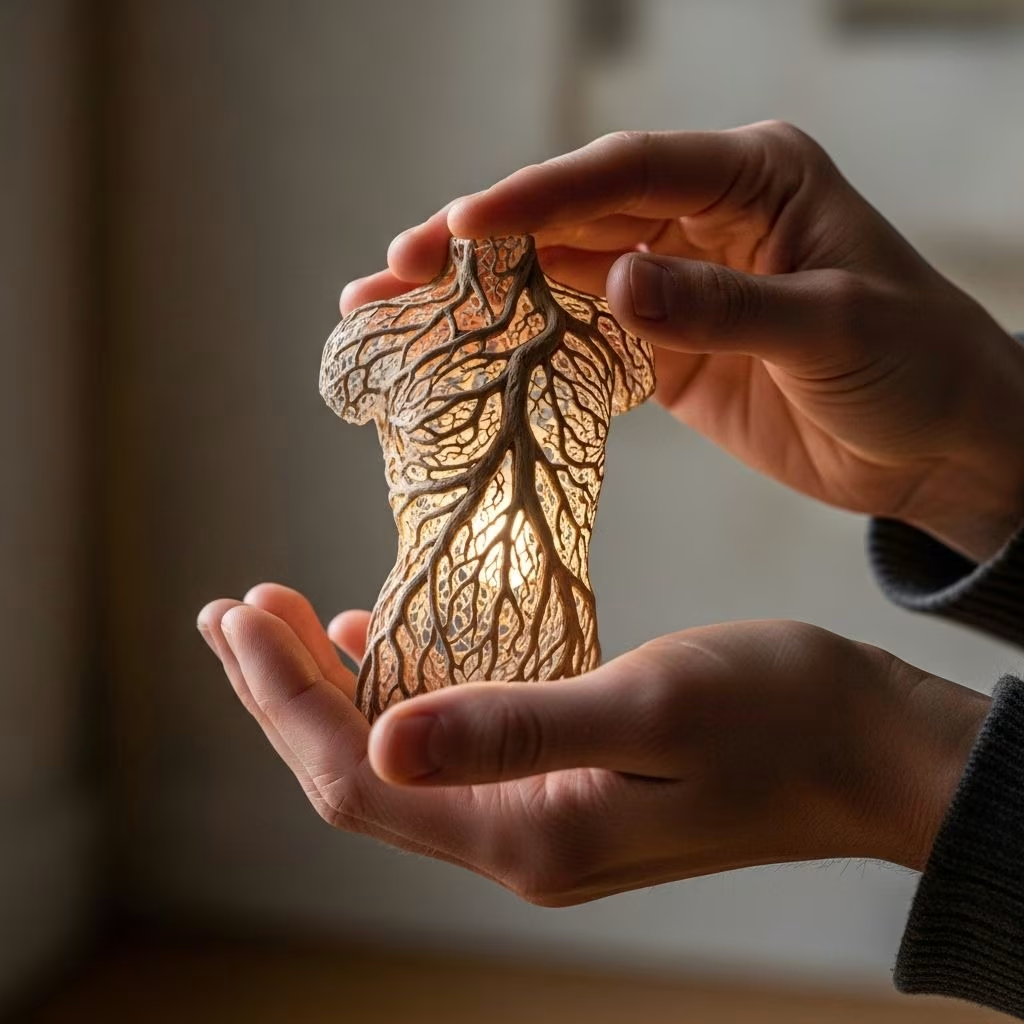
How Chronic Illness Transforms Our Relationship With Our Bodies
Living with chronic illness is a journey that deeply transforms the way we relate to our bodies and ourselves. The experience is both personal and profound, reshaping physical self-perception, mental health, social interactions, and the rituals of self-care. Individuals dealing with long-term health conditions encounter unique challenges and revelations that affect everything from body image to relationships, and from daily routines to overall self-worth.
Understanding the Mind-Body Connection
The relationship between physical health and psychological well-being is complex and dynamic. Chronic illness is known to elevate rates of depression and anxiety, as managing symptoms and treatments often leads to significant stress. Beyond the purely physical, chronic conditions impact self-esteem, body image, and the way one participates socially and professionally. An integrated approach to care is vital, focusing on both physical and psychological health .
- Anxiety and depression are common in chronic illness sufferers due to constant psychological strain .
- Stress, sleep disturbances, and social stigma worsen both mental and physical outcomes.
- Body image often suffers, requiring continuous emotional adaptation .
Physical Transformation: Invisible and Visible Symptoms
Many chronic illnesses, such as Lyme Disease, fibromyalgia, and autoimmune disorders, bring both hidden and overt symptoms. What starts as subtle pain or fatigue can, over time, become visible in the mirror through changes in skin, hair, nails, and overall appearance. These outward signs are often a source of shame or discomfort for sufferers .
- Hair loss, brittle nails, and skin discoloration may occur due to medications or the illness itself .
- Physical symptoms like tremors, joint pain, and chronic fatigue shift how individuals see their bodies.
- Some symptoms are ‘invisible,’ leading to misdiagnoses or dismissal by doctors and others.
“Much of my life has been spent coming to terms with the increased proof of all of my pain staring back at me in the mirror.” – Chronic illness sufferer
Beauty, Self-Image, and Shame
Not only does chronic illness impact how one feels physically, it fundamentally alters the concept of beauty and self-worth. Rituals around makeup and self-care can shift from sources of joy to reminders of lost abilities or changed appearance. The battle with shame is ongoing; individuals often strive for body positivity while grappling with the harsh realities of their conditions .
- Society’s beauty standards rarely account for illness-induced changes.
- Constant reminders—like comments about looking tired—can reinforce feelings of inadequacy.
- Many learn to redefine beauty by resilience, strength, and authentic self-expression.
Social Identity and Stigma
Chronic illness can render a person’s symptoms ‘invisible,’ making it harder for others to understand or validate the experience. This invisibility breeds skepticism from medical practitioners and loved ones alike. For some, the illness becomes a defining factor in social engagement, work, and sexuality .
- Stigma leads to feelings of isolation and alienation.
- Relationships may strain under the weight of misunderstanding.
- Social roles—such as those in work or dating—often require renegotiation.
Chronic Illness and the Challenge of Acceptance
Acceptance is rarely straightforward. Many deal with fluctuating symptoms and the unpredictable nature of their conditions. The traditional narrative of fighting illness can overshadow moments of self-compassion and genuine acceptance. Adjusting self-care routines and expectations is an important part of healing mentally and emotionally, even as the body struggles .
- Letting go of former ideals of health is a gradual, sometimes painful process.
- Reclaiming control involves redefining personal goals and routines.
- Integrated care models that address mental health as well as physical symptoms can be transformative .
Relationships: Love, Support, and Boundaries
Chronic illness challenges how individuals approach relationships—romantic, familial, and platonic. The demands of illness reveal who is able to offer genuine support versus those who distance themselves. Many find illness serves as a ‘barometer’ for quality connections, as it quickly distinguishes authentic relationships .
- Concerns around self-sufficiency and risk affect intimacy and trust.
- Partners who engage with the reality of an illness contribute to healing and acceptance.
- Illness may help identify supportive people who commit to ‘in sickness and in health.’
“It’s become a built-in barometer that I didn’t ask for, showing me who I should and shouldn’t spend my time, and more importantly, my energy with, since it’s so limited.” – Chronic illness survivor
Resilience, Adaptation, and New Self-Compassion
The process of living with chronic illness forges resilience and prompts profound adaptation. Many become advocates for their health, learning to navigate complex medical systems and self-advocate amid skepticism. Over time, this fosters new levels of self-compassion and acceptance.
- Adaptation is essential: it means changing lifestyle routines, employment, and even sexuality .
- Mindfulness and mental health support can help lessen feelings of shame and isolation.
- Personal stories and communities provide validation and companionship.
Body Positivity: Reclaiming Health and Identity
For many, body positivity is a journey rather than a destination. Embracing imperfections and changes becomes an act of resistance against stigma and self-blame. Advocacy and education about chronic illness can reduce societal misconceptions and empower both individuals and communities.
- Education about invisible symptoms promotes empathy and understanding.
- Reclaiming beauty means celebrating endurance, agency, and authenticity.
- Community building—both online and offline—creates space for shared healing and growth.
Table: Psychosocial Domains Impacted by Chronic Illness
| Domain | Impact | Opportunity for Growth |
|---|---|---|
| Body Image | Negative self-perception; struggle for acceptance | Self-compassion, advocacy, redefining beauty |
| Mental Health | Elevated depression, anxiety, stress | Mindfulness, counseling, integrated care |
| Social Identity | Stigmatization, isolation | Community building, education |
| Relationships | Strained intimacy; support varies | Boundary-setting, healthy connections |
| Occupational Role | Work limitations, identity shifts | Flexible roles, self-advocacy |
Lessons and Takeaways from Chronic Illness
- Acceptance is a process, not a milestone.
- Listening to one’s body and redefining health offer new forms of agency.
- Illness can prompt greater empathy for others facing invisible struggles.
- Supportive care—mental and physical—can dramatically improve quality of life.
Frequently Asked Questions (FAQs)
Q: Can chronic illness affect self-esteem and body image?
A: Yes, chronic illness can significantly impact self-esteem and body image, especially when symptoms or treatments change physical appearance or abilities .
Q: Why do people with chronic illness feel misunderstood?
A: Many symptoms are ‘invisible’ and hard to detect, leading others—including doctors—to doubt the severity of the illness, which fosters feelings of loneliness and frustration .
Q: Are there strategies to improve mental health with chronic illness?
A: Mindfulness, support groups, therapy, and integrated care approaches are effective in improving mental health and coping with the complexities of chronic conditions .
Q: How do relationships change after chronic illness diagnosis?
A: Relationships may be challenged by the emotional and physical demands of illness, but they can also deepen and grow stronger through honest communication and mutual support .
Q: What does body positivity look like for someone with chronic illness?
A: Body positivity for those with chronic illness often means embracing the body’s strength, resilience, and adaptability, rather than conforming to external standards of health or beauty .
Final Thoughts: Redefining Body, Health, and Self
Chronic illness fundamentally changes how individuals relate to their bodies—but it also offers unexpected opportunities for growth, resilience, and self-compassion. Through acceptance, adaptation, and advocacy, sufferers can reclaim agency, foster community, and shape new definitions of beauty and health that honor both struggle and strength.
References
- https://sciety.org/articles/activity/10.31234/osf.io/2e78k_v1
- https://www.bustle.com/articles/148624-how-having-a-chronic-illness-can-affect-your-relationship-with-beauty
- https://pubmed.ncbi.nlm.nih.gov/3649787/
- https://www.bustle.com/articles/168304-what-having-lyme-disease-taught-me-about-love
- https://www.shelbyforsythia.com/blog-archive/how-to-let-go-of-grief-without-letting-go-of-love-2-lists-that-help-you-release-the-pain-you-carry
- https://www.mdanderson.org/cancerwise/kidney-cancer-caregiver–places-to-relax-re-charge-at-md-anderson.h00-159220989.html
- https://www.highmarkhealth.org/blog/care/Anxiety-Understanding-It-And-Treating-It.shtml


