


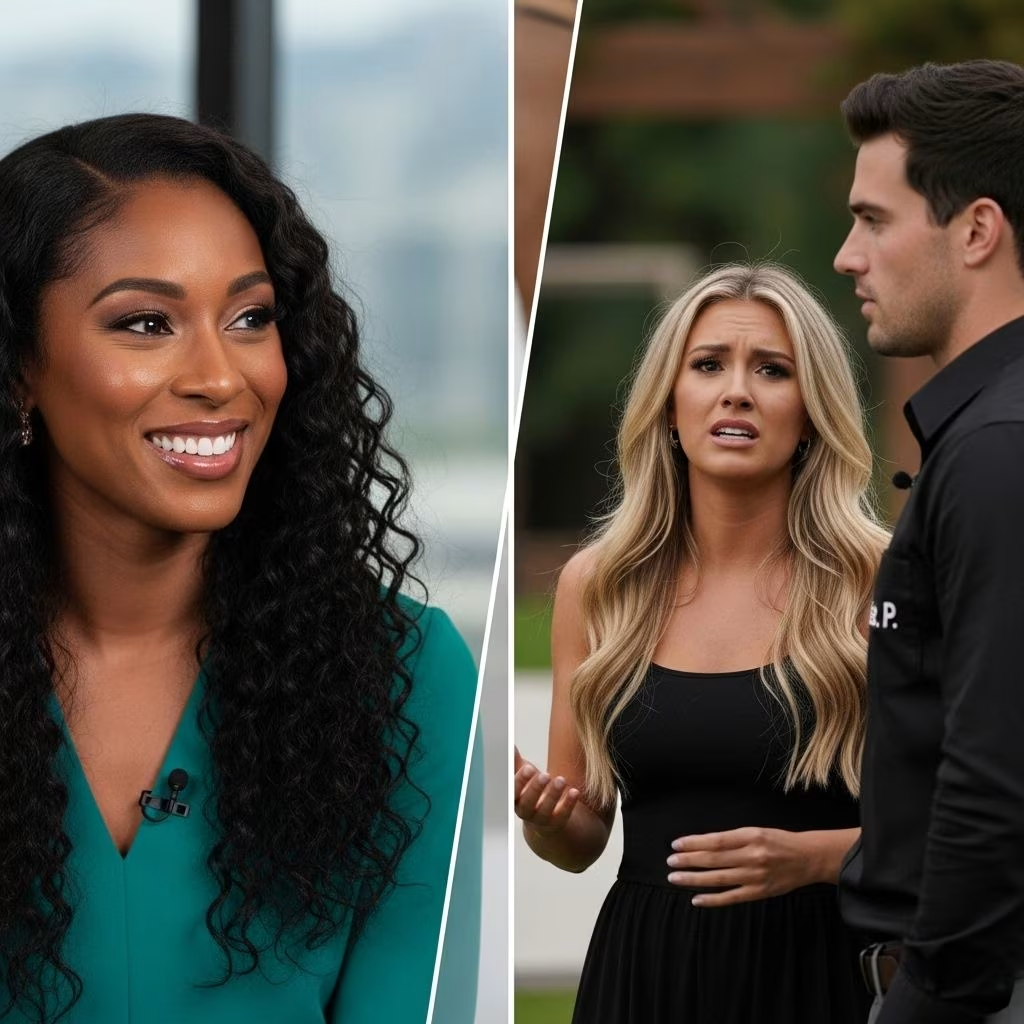
Rachel Lindsay, known for her candid commentary and insightful observations about Bachelor Nation, has never been one to hold back her opinions. The former Bachelorette has established herself as a voice of reason within the franchise, often calling out problematic behavior and advocating for positive change. Her latest commentary regarding Hannah Brown’s season of The Bachelorette showcased her trademark wit and ability to connect pop culture phenomena in unexpected ways.
During Hannah Brown’s journey as the Bachelorette, one relationship dominated conversations among fans and former contestants alike: her connection with Luke Parker, better known as Luke P. The relationship between Hannah and Luke P. became one of the most controversial and talked-about dynamics in Bachelorette history, sparking debates about manipulation, religious judgment, and the importance of recognizing red flags in romantic relationships.
The Bold Bird Box Comparison
Rachel Lindsay made waves when she compared Hannah Brown and Luke P.’s relationship to the Netflix psychological thriller Bird Box, starring Sandra Bullock. For those unfamiliar with the film, Bird Box presents a post-apocalyptic world where survivors must navigate their environment blindfolded to avoid seeing mysterious entities that drive people to deadly violence when observed. The premise centers on characters making their way through dangerous situations without being able to see the threats right in front of them.
The comparison proved both clever and cutting. Lindsay suggested that Hannah’s inability to see the red flags that Luke P. was displaying throughout the season mirrored the characters in Bird Box who must navigate their world without sight. Just as the characters in the film willingly blind themselves to survive, Hannah appeared to be metaphorically blind to the warning signs that were evident to viewers and fellow contestants.
This commentary from Lindsay resonated with many Bachelor Nation fans who had been frustrated watching Hannah’s continued connection with Luke P. despite his controversial behavior. The comparison served as a powerful metaphor for how people in romantic relationships sometimes refuse to see obvious problems, choosing instead to focus on potential or the moments when things seem perfect.
Understanding the Luke P. Controversy
To fully appreciate Lindsay’s comparison, it’s essential to understand why Luke P. became such a polarizing figure during Hannah’s season. From the very first episode, Luke P. positioned himself as intensely focused on Hannah, securing an early connection that seemed promising. He received the coveted first impression rose, signaling that Hannah felt a strong initial attraction and connection with him.
However, as the season progressed, Luke P.’s behavior began raising concerns among both the other contestants and viewers at home. His approach to pursuing Hannah became increasingly aggressive, often interrupting other men’s time with her and dominating conversations. While confidence can be attractive, Luke P.’s intensity crossed into territory that many found unsettling.
The pattern of behavior that emerged included: possessiveness over Hannah’s time and attention, difficulty respecting boundaries established by other contestants, a tendency to position himself as morally superior to the other men, controversial statements about faith and relationships, and an inability to accept criticism or acknowledge problematic behavior.
The situation reached its climax during the fantasy suite dates, when Luke P. made judgmental comments about Hannah’s choices regarding physical intimacy. His approach to discussing sexuality and religion sparked immediate backlash, with Hannah ultimately deciding she had seen enough and sending him home. The confrontation became one of the most memorable moments in Bachelorette history, with Hannah firmly standing up for herself and her right to make her own choices without shame or judgment.
Rachel Lindsay’s Perspective as a Former Lead
Rachel Lindsay’s commentary carries particular weight because of her own experience as the Bachelorette. As the first Black Bachelorette in franchise history, Lindsay navigated her own season with grace, intelligence, and a no-nonsense approach to finding love. Her season, which aired in 2017, was praised for Lindsay’s ability to see through manipulation and stay true to her values throughout the process.
Having been in Hannah’s position, Lindsay understands the unique pressures and challenges that come with being the Bachelorette. The experience of dating multiple people simultaneously, managing group dynamics, and making these decisions under intense scrutiny and time pressure creates an environment unlike any other dating scenario. Lindsay’s insights come from a place of genuine understanding rather than mere observation.
Lindsay has been vocal about the importance of recognizing red flags early in relationships and not allowing chemistry or potential to overshadow concerning behavior patterns. Her own season demonstrated her ability to identify and eliminate contestants who weren’t there for the right reasons, making her commentary about Hannah’s journey with Luke P. all the more significant.
Through her podcast Bachelor Happy Hour, which she co-hosts with fellow Bachelorette Becca Kufrin, Lindsay has created a platform for thoughtful discussion about the franchise. The show offers behind-the-scenes insights, interviews with current and former contestants, and honest commentary about what viewers see on screen. This platform has allowed Lindsay to share her perspectives while fostering important conversations about relationships, boundaries, and personal growth.
The Psychology Behind Ignoring Red Flags
The Bird Box comparison opens up a broader conversation about why intelligent, capable people sometimes fail to recognize warning signs in their romantic relationships. Hannah Brown is by no means alone in this experience—countless individuals have found themselves in situations where they overlooked concerning behavior because of strong feelings or the hope that things would improve.
Psychologists have identified several factors that contribute to this phenomenon. Cognitive biases play a significant role, with people often engaging in confirmation bias—seeking information that confirms their existing beliefs while dismissing contradictory evidence. When someone wants a relationship to work, they may focus exclusively on positive moments while minimizing or rationalizing problematic behavior.
The concept of intermittent reinforcement is also relevant to understanding Hannah and Luke P.’s dynamic. When someone provides occasional moments of positive interaction mixed with problematic behavior, it can create a powerful psychological pull. The unpredictability of when positive reinforcement will occur can actually strengthen emotional attachment, making it harder to walk away even when logic suggests one should.
Additionally, the unique environment of The Bachelorette amplifies these psychological factors. The compressed timeline creates a pressure-cooker atmosphere where feelings intensify quickly. The lack of normal relationship context—such as seeing how someone behaves in everyday situations, with their friends and family, or under regular stress—means contestants and leads must make major decisions with limited information.
Fan Reactions and Social Media Response
Rachel Lindsay’s Bird Box comparison sparked immediate and widespread reaction across social media platforms. Bachelor Nation fans, known for their passionate engagement with the show, embraced the metaphor wholeheartedly. The comparison became a viral talking point, with thousands of fans sharing their own thoughts about Hannah’s relationship with Luke P.
Many viewers expressed relief that someone with Lindsay’s credibility was articulating what they had been feeling throughout the season. Comments flooded social media praising Lindsay for her clever and accurate assessment of the situation. Fans created memes combining imagery from Bird Box with scenes from The Bachelorette, further cementing the comparison in Bachelor Nation lore.
However, the commentary also sparked some defensive responses from viewers who felt Hannah was being unfairly criticized. These fans argued that it’s easy to judge from the outside but much harder when you’re the person experiencing the relationship. They pointed out that Hannah ultimately did recognize the issues with Luke P. and made the decision to send him home, demonstrating growth and self-awareness.
The divided reactions highlighted an important aspect of why The Bachelorette resonates with so many viewers—the show presents real human struggles with relationships, vulnerability, and decision-making under pressure. People connect with these stories because they see their own experiences reflected, whether that’s recognizing red flags too late, defending choices that others question, or eventually finding the strength to walk away from something unhealthy.
Comparing Hannah’s Journey to Other Bachelorette Seasons
Hannah Brown’s season stands out in Bachelorette history for several reasons, with her relationship with Luke P. being just one aspect of a dramatic and emotionally charged journey. When compared to other seasons, Hannah’s approach showcased both vulnerability and strength, though not always in equal measure at the same time.
Rachel Lindsay’s own season provides an interesting contrast. Lindsay approached her relationships with a more analytical mindset, quickly identifying and eliminating contestants who raised concerns. Her ability to see through contestants like DeMario Jackson, who was revealed to have a girlfriend back home, demonstrated the kind of clear-sightedness that some fans wished Hannah had displayed earlier with Luke P.
JoJo Fletcher’s season presented different dynamics, with Jordan Rodgers facing skepticism from other contestants but JoJo maintaining her trust in him throughout. This situation showed that sometimes the lead’s instincts are correct, even when others question their judgment. The key difference was that Jordan’s questioned behavior related more to his sincerity about marriage rather than controlling or judgmental behavior patterns.
Becca Kufrin’s season, following her heartbreak on The Bachelor, showcased a lead who was perhaps more cautious about red flags. Having been hurt publicly on national television, Becca approached her relationships with heightened awareness, though she too faced challenges in navigating complicated dynamics with contestants like Garrett Yrigoyen, whose social media activity sparked controversy.
The Broader Impact on Bachelor Nation
The conversations sparked by Rachel Lindsay’s commentary and Hannah’s experience with Luke P. have had lasting effects on how Bachelor Nation discusses relationships and problematic behavior. The franchise has increasingly featured conversations about consent, boundaries, and recognizing unhealthy relationship patterns, representing a shift toward more substantive content beyond just romantic drama.
Several important themes have emerged from these discussions: the importance of trusting your instincts when something feels off, recognizing that strong chemistry doesn’t excuse problematic behavior, understanding that others can sometimes see red flags more clearly than those directly involved, the value of friends and family offering honest perspectives on relationships, and the courage it takes to walk away from someone you have feelings for when the relationship isn’t healthy.
These themes resonate far beyond The Bachelorette. The show, despite being entertainment, provides a framework for discussing real relationship issues that people face in their everyday lives. When millions of viewers watch someone navigate these challenges, it creates opportunities for reflection and conversation about personal experiences.
Rachel Lindsay’s willingness to offer honest commentary, even when it might be uncomfortable or controversial, has elevated the discourse around the franchise. Rather than treating the show as mere guilty pleasure television, Lindsay approaches it as a platform for discussing meaningful topics related to relationships, representation, and personal growth.
Lessons Learned from Hannah’s Experience
Despite the criticism Hannah faced for her prolonged relationship with Luke P., her journey ultimately became a powerful example of personal growth and self-advocacy. The moment when she confronted Luke P. about his judgmental comments and firmly sent him home became iconic, with her words resonating with viewers who had experienced similar judgment in their own lives.
Hannah’s willingness to be vulnerable and make mistakes publicly, then learn from those mistakes, created a relatable narrative that many found inspiring. She demonstrated that recognizing red flags late is better than never recognizing them at all, and that standing up for yourself is always the right choice, even when it’s difficult.
The experience also highlighted the importance of having strong voices like Rachel Lindsay within Bachelor Nation who aren’t afraid to call out problematic behavior. This type of commentary, while sometimes uncomfortable, serves an important purpose in helping viewers—and perhaps even the contestants themselves—recognize patterns that might otherwise go unchallenged.
For future Bachelorettes and Bachelors, Hannah’s season serves as a case study in the importance of trusting outside perspectives while also maintaining confidence in your own judgment. The balance between being open to feedback and staying true to your own experience is delicate, and Hannah’s journey illustrated both the pitfalls of ignoring concerns and the strength required to eventually address them.
Frequently Asked Questions
Q: Why did Rachel Lindsay compare Hannah and Luke P.’s relationship to Bird Box?
A: Rachel Lindsay used the Bird Box comparison to illustrate how Hannah appeared to be metaphorically blind to the red flags that Luke P. was displaying throughout the season, similar to how characters in the film must navigate their world without being able to see the dangers around them. The comparison suggested that Hannah was choosing not to see the warning signs that were obvious to viewers and other contestants.
Q: What were the main red flags that Luke P. displayed on The Bachelorette?
A: Luke P. displayed several concerning behaviors including possessiveness over Hannah’s time, aggressive pursuit that crossed boundaries, positioning himself as morally superior to other contestants, making judgmental comments about sexuality and faith, and an inability to accept criticism or acknowledge his problematic behavior. These patterns culminated in his controversial comments during fantasy suite week.
Q: How did Hannah Brown ultimately handle her relationship with Luke P.?
A: Despite maintaining a connection with Luke P. throughout much of the season, Hannah ultimately sent him home after he made judgmental comments about her choices regarding physical intimacy. Her confrontation with him became one of the most memorable moments in Bachelorette history, with Hannah firmly standing up for herself and refusing to accept shame or judgment about her decisions.
Q: Why is Rachel Lindsay’s perspective on The Bachelorette considered particularly valuable?
A: Rachel Lindsay’s perspective carries significant weight because she has personal experience as the Bachelorette, having navigated her own season with intelligence and strong boundaries. She successfully identified and eliminated contestants who raised concerns, demonstrating the kind of discernment that makes her commentary credible. Additionally, through her podcast and public commentary, she has established herself as a thoughtful voice within Bachelor Nation.
Q: What broader lessons did viewers take away from Hannah’s experience with Luke P.?
A: Viewers took away several important lessons including the importance of recognizing red flags in relationships, understanding that strong chemistry doesn’t excuse problematic behavior, the value of outside perspectives when you’re emotionally involved, and the courage required to walk away from someone you have feelings for when the relationship isn’t healthy. Hannah’s eventual decision to send Luke P. home also demonstrated that it’s never too late to stand up for yourself.
References
- https://www.etonline.com/bachelor-peter-weber-shuts-down-rachel-lindsay-after-she-compares-hannah-ann-to-luke-p-139067
- https://www.etonline.com/bachelor-peter-weber-on-rachel-lindsay-where-they-stand-after-her-criticism-exclusive-139212
- https://www.bustle.com/p/rachel-lindsay-just-compared-hannah-luke-ps-relationship-on-the-bachelorette-to-bird-box-18147863


