


Why Nancy & Her Mom’s Relationship On Stranger Things 3 Is Super Underrated
Nancy Wheeler and her mother Karen Wheeler have long been central characters in Netflix’s hit series Stranger Things, but their relationship rarely takes center stage. In Season 3, viewers witness an uprising in the emotional depth and complexity between the two, unraveling themes of generational tension, empathy, and female solidarity. This article explores why their evolving dynamic deserves far more recognition—and what it reveals about mothers, daughters, and the realities of womanhood.
Setting the Stage: Who Are Nancy and Karen Wheeler?
- Nancy Wheeler: An ambitious, intelligent, and determined teenager, Nancy is known for her pursuit of truth, her investigative spirit, and her willingness to stand up against injustice—even when it puts her at odds with authority figures and her own family. She’s the older sister of Mike Wheeler and has had complex romantic relationships with both Steve Harrington and Jonathan Byers.
- Karen Wheeler: Karen embodies the role of a devoted mother and the steady center of the Wheeler family, but beneath that surface lies an adventurous spirit that she’s suppressed in favor of family and societal expectations. Her storyline in Season 3 offers glimpses into the private dissatisfactions and aspirations lingering just below her composed exterior.
The Early Seasons: A Fraught Relationship
Across the first two seasons of Stranger Things, Nancy and Karen’s interactions are often marked by friction and misunderstanding. Nancy perceives her mother as distant—caught up in the duties of home life and seemingly disconnected from Nancy’s emotional world. Karen, for her part, worries about Nancy’s choices and feels unable to truly connect with her daughter, often ascribing Nancy’s rebelliousness to youthful impulsiveness.
- Nancy frequently lies to her mother about plans, highlighting trust issues and a lack of open communication.
- When Barbara Holland goes missing, Nancy confides in Karen, drawing out her mother’s concern and authority.
- Despite moments of tension, Nancy seeks comfort from her mother when confronted by overwhelming circumstances, revealing the enduring, if complicated, bond between them.
Season 3: A Tipping Point for Mother-Daughter Understanding
The third season brings pivotal changes—both women are grappling with their place in the world and their aspirations. Nancy, now an intern at The Hawkins Post, faces workplace sexism and disappointment; Karen is tempted by a spark of adventure as she spends time at the community pool, flirting with the idea of excitement beyond her domestic life.
Nancy’s Storyline at The Hawkins Post
- Nancy is assigned menial tasks while her colleague and boyfriend Jonathan Byers gets professional opportunities, highlighting the gendered discrimination she faces.
- Driven by her investigative instincts, she pursues a lead on her own, resulting in her and Jonathan being fired for insubordination.
- Her determination and refusal to be cowed by authority mirror her mother’s hidden strength and missed opportunities.
Karen’s Internal Conflict
- At the community pool, Karen is drawn to lifeguard Billy Hargrove, representing a yearning for recognition and excitement that she sacrificed for family.
- Karen’s flirtation is emblematic of a deeper dissatisfaction with her day-to-day existence—she feels a lack of fulfillment in her marriage and wonders about the path not taken.
- Despite these temptations, Karen ultimately chooses loyalty and commitment to her family, reinforcing the values that define her character.
An Emotional Milestone: Episode 4’s Mother-Daughter Scene
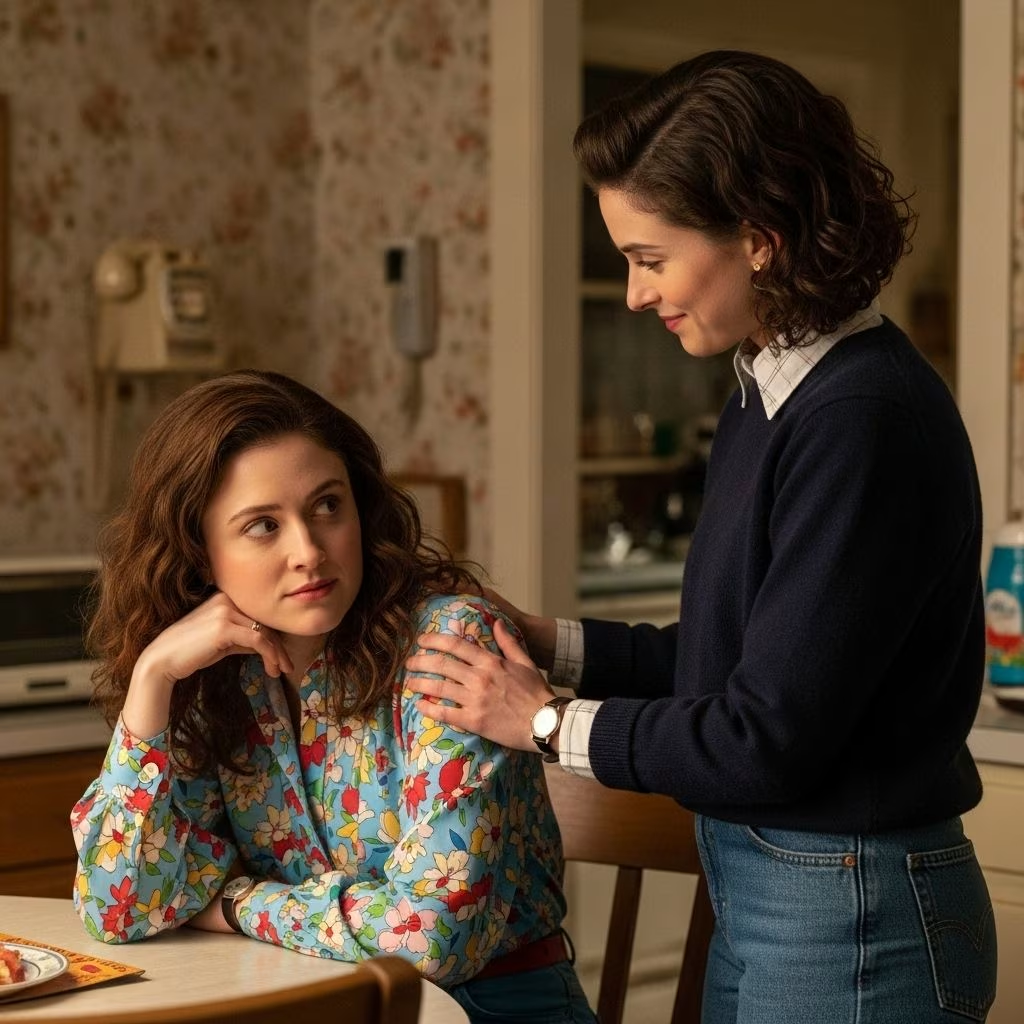
One of the season’s—and the series’—most poignant moments occurs in Episode 4. After a demoralizing day, Nancy returns home, defeated by the Hawkins Post’s dismissive treatment and subsequent firing. Karen is there to console her, expressing empathy for Nancy’s frustration and sharing candid reflections on her own sacrifices.
| Episode | Scene Description | Core Theme |
|---|---|---|
| Season 3, Episode 4 | Karen comforts Nancy after her firing, encouraging her to keep fighting | Female Solidarity, Generational Empathy |
In this scene, Karen tells Nancy, “Most people just stop trying, but you’re not like that. You’re a fighter.” Nancy responds, “I got it from you,” encapsulating the idea that female strength is passed down and nurtured—even if it isn’t always recognized.
Women Supporting Women: Cultural Impact of the Scene
Actress Natalia Dyer (Nancy) and Cara Buono (Karen) both highlighted in interviews how scenes like this remind viewers of the importance of women supporting each other—especially on mainstream platforms. Dyer notes, “It’s not just a mother-daughter moment, it’s a women-supporting-women moment on-screen.” Buono adds that Karen’s backstory is rich with unfulfilled dreams, making her empathy toward Nancy all the more resonant.
- The episode offers a rare glimpse of mothers and daughters connecting as equals, with shared understanding and mutual validation.
- It counters the traditional narrative that mothers and daughters must be at odds or are separated by generational divides.
- For audiences, the scene is a meditation on the realities women face at home and in workplaces—grappling with sexism, disappointment, and the pressure to conform.
Reflections from the Actors: Exploring Nuance and Backstory
Natalia Dyer expressed her hope that the show would continue to delve deeper into Nancy and Karen’s relationship, especially the complexities that haven’t been fully explored. She notes that the third season finally allows viewers to mine these nuances, giving their characters the space to grow together.
Cara Buono views Karen as someone who “probably had to forego a lot of her dreams and aspirations to be a mom.” In her portrayal, Karen’s support for Nancy is layered with personal regret—but also pride in seeing her daughter fight for what matters. Buono wonders how Karen would fare if drawn into the heroic battles against Hawkins’ supernatural threats, suggesting she might “come out as a swinging fighter” or draw inspiration from iconic TV mothers like Betty Draper from Mad Men.
How Their Relationship Evolved Over the Series
- Season 1: Nancy is independent, often evasive about her whereabouts; Karen struggles to relate, and emotional distance prevails.
- Season 2: Though trust is an issue, the bond softly deepens as they face local tragedies and the threat posed by Hawkins Lab.
- Season 3: Empathy and mutual respect take hold, shaped by Nancy’s struggles in the workplace and Karen’s unresolved yearning for more.
Relationship Ratings Table
| Season | Relationship Status | Key Developments |
|---|---|---|
| 1 | Strained, distant | Misunderstandings and secrecy |
| 2 | Gradually improving | Moments of vulnerability |
| 3 | Respectful, supportive | Mutual empathy and solidarity |
Comparisons: Nancy’s Relationship With Other Family Members
- Ted Wheeler (Father): Nancy feels little emotional connection to her father, perceiving him as passive and oblivious to family dynamics. She’s more concerned about her mother and brother when danger arises in Hawkins.
- Mike Wheeler (Brother): Their bond is closer, built on shared adventure and the challenges posed by Hawkins’ supernatural occurrences.
Future Hopes: What Could Be Next for Karen and Nancy?
Both actors—and fans—are hopeful that future installments will highlight more of the Wheeler women’s dynamic. With Karen’s spirited nature revealed and Nancy’s relentless drive established, there’s potential for Karen to step into Hawkins’ fight against the Upside Down and for Nancy’s career trajectory to incorporate lessons from her mother’s sacrifices.
- Will Karen transform from doting housewife into active hero, echoing genre-defining TV mothers?
- Can Nancy channel her mother’s resilience as she faces new professional and supernatural challenges?
- Might we see both women working side-by-side to protect their family and community?
Frequently Asked Questions (FAQs)
Q: Why has Nancy and Karen’s relationship been overlooked in Stranger Things?
A: The show’s focus on supernatural action and teen drama has often overshadowed subtler emotional narratives, but Season 3 gives their bond more space, revealing complexities that resonate with many viewers.
Q: What does the Season 3 mother-daughter scene reveal about Karen?
A: It sheds light on Karen’s unfulfilled ambitions and her empathy for Nancy’s struggles, showcasing that Karen’s strength and adventurousness have been suppressed by family obligations.
Q: How does the Nancy-Karen dynamic represent female empowerment?
A: The scene demonstrates women supporting women, passing strength through generations, and fighting against workplace and societal barriers—making it a standout moment for feminine solidarity in television.
Q: Will Karen Wheeler play a bigger role in future seasons?
A: Both actress Cara Buono and fans hold hope for Karen’s greater involvement, potentially as a more active force in Hawkins’ supernatural battles—mirror to Nancy’s own evolution.
Conclusion: Why Their Bond Matters
The relationship between Nancy and Karen Wheeler embodies the lived struggles, suppressed dreams, and transformative power of female empathy and support. While Stranger Things dazzles with monsters and mysteries, it’s these moments of emotional connection that truly anchor the series—and offer viewers a powerful example of how women can connect, uplift, and inspire across generations.
- Underrated No More: Their story isn’t just background, but rather, a vital map of resilience, generational dialogue, and empowerment worthy of greater attention.
- Potential Unleashed: With more screen time and narrative focus, the Wheeler women could redefine family—and heroism—as the series continues.
References
- https://www.bustle.com/p/why-nancy-her-moms-relationship-in-stranger-things-3-is-super-underrated-according-to-the-actors-18166914
- https://aminoapps.com/c/stranger-things/page/item/nancy-wheeler/G5Nl_KEqhVIz4q6EBdLeapwWew7QrQ8KrEv
- https://en.wikipedia.org/wiki/Nancy_Wheeler
- https://strangerthings.fandom.com/wiki/Karen_Wheeler
- https://strangerthings.fandom.com/wiki/Nancy_Wheeler
- https://www.youtube.com/watch?v=siYpv-_KP5s
- https://www.seventeen.com/celebrity/movies-tv/a28400337/cara-buono-stranger-things/


