


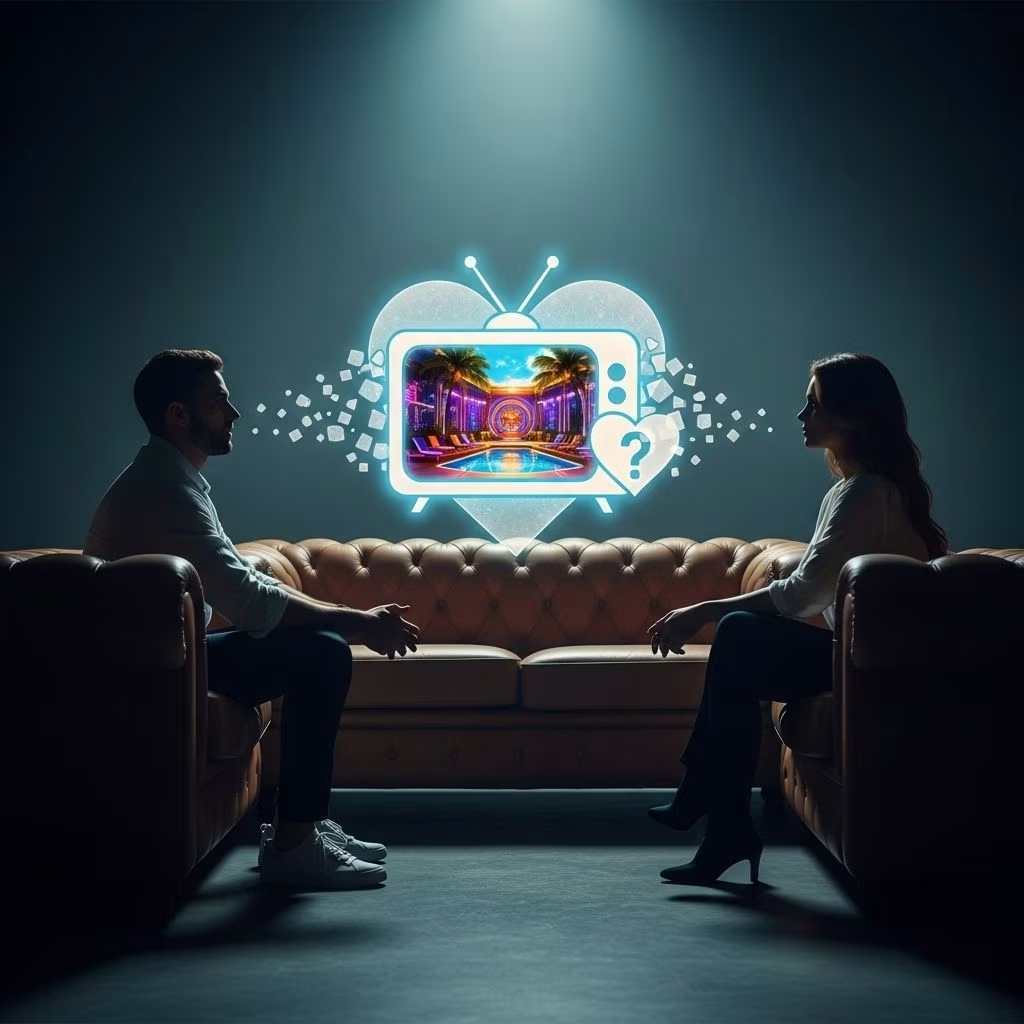
Reality television has become a cultural phenomenon that extends far beyond entertainment, and nowhere is this more evident than with Love Island. The wildly popular dating show has captivated millions of viewers worldwide, but emerging research suggests that binge-watching beautiful people navigate relationships on a tropical island may be doing more than just passing the time—it could be fundamentally reshaping how we approach our own romantic lives.
Recent surveys and psychological studies have begun to examine the tangible effects that shows like Love Island have on viewers’ relationship expectations, body image, and dating behaviors. The findings paint a complex picture of a show that simultaneously entertains and influences, often in ways viewers may not consciously recognize.
The Love Island Phenomenon: More Than Just Entertainment
Love Island’s format is deceptively simple: attractive singles are isolated in a villa, constantly filmed, and required to couple up to avoid elimination. The result is a pressure cooker environment where connections form rapidly, drama unfolds constantly, and conventional dating timelines are compressed into weeks rather than months. What makes the show particularly compelling—and potentially problematic—is how it presents an alternate reality of romance that feels both aspirational and achievable.
For many young adults, the show has become appointment television, with viewers syncing their schedules to watch episodes together, discussing plot developments on social media, and following contestants long after the season ends. This level of engagement means the show’s influence extends beyond passive viewing into active participation in a cultural conversation about love, attraction, and relationships.
The show’s popularity among young demographics is particularly noteworthy. Viewers in their late teens and twenties are at a crucial developmental stage where they’re forming their own relationship patterns and expectations. When these formative years coincide with regular consumption of highly dramatized, unrealistic portrayals of romance, the potential for influence becomes significant.
What the Research Reveals About Love Island’s Impact
A comprehensive multi-year study conducted as part of a UK National relationship education program provided groundbreaking insights into how Love Island affects young viewers. Researchers interviewed thousands of students between ages 13 and 21, conducting detailed focus groups specifically about the show’s influence on their perceptions of relationships.
The findings revealed that while young viewers are often media-savvy and critical of what they watch, the show still shapes their expectations in subtle but meaningful ways. Students frequently compared their own relationships to what they saw on screen, even when they intellectually recognized the show’s artificial nature. This cognitive dissonance—knowing something is unrealistic while still using it as a reference point—creates a unique challenge in understanding the show’s true impact.
One particularly concerning finding involved the pressure to develop intimacy at an accelerated pace. The show’s format rewards contestants who form deep emotional and physical connections quickly, creating a template that some viewers unconsciously adopt. Several study participants acknowledged struggling with the expectation that relationships should feel intense and all-consuming from the very beginning, a standard that rarely holds up in real-world dating scenarios where people have jobs, families, and other responsibilities competing for their attention.
The Pressure Cooker Effect: Unrealistic Relationship Timelines
One of the most significant ways Love Island distorts relationship expectations is through its compressed timeline. Contestants meet, couple up, declare strong feelings, and sometimes even discuss future plans within days or weeks. This accelerated intimacy is a direct result of the show’s structure—islanders are isolated with zero distractions, constantly in close proximity, and incentivized to form connections to remain on the show.
Clinical psychologists note that this creates a fundamental misunderstanding about how healthy relationships actually develop. In the real world, building genuine intimacy requires time, shared experiences across different contexts, and the ability to see how a partner handles various life situations. The hothouse environment of Love Island eliminates these natural relationship tests, replacing them with artificial drama and manufactured conflict.
Viewers who internalize these timelines may find themselves disappointed or anxious when their own relationships don’t develop with the same intensity and speed. The expectation of instant chemistry and rapid emotional disclosure can make normal relationship pacing feel inadequate or problematic. This disconnect between media-created expectations and reality contributes to dating dissatisfaction and relationship anxiety among young adults.
Body Image and the Pressure to Conform
Beyond relationship dynamics, Love Island has a documented impact on viewers’ body image and self-perception. A three-wave panel study conducted during the 2023 series of Love Island UK examined the relationship between watching the show and engagement in body change strategies. The results were striking: body pressure experienced at the midpoint of the series predicted heightened engagement in weight loss and muscle gain strategies, as well as increased desire for cosmetic surgery, by the season’s end.
The show features contestants with highly idealized bodies that represent a narrow standard of attractiveness. For many viewers, especially young women, the constant exposure to these physiques creates comparison and inadequacy. The study found evidence of a bidirectional relationship—watching the show increased body pressure, and heightened desire for cosmetic procedures predicted continued body pressure, creating a potentially harmful feedback loop.
This concern extends beyond individual self-esteem to broader questions about diversity and representation. Students in the UK research study were particularly critical of Love Island’s lack of body diversity, noting that the show features almost exclusively contestants with similar body types. This homogeneity sends an implicit message about what bodies are desirable and worthy of love, a message that many viewers internalize even when they consciously recognize its problematic nature.
Gender Dynamics and Problematic Relationship Patterns
Love Island has faced criticism for perpetuating harmful gender stereotypes and normalizing problematic relationship behaviors. The show frequently features instances of possessiveness framed as passion, jealousy portrayed as care, and emotional manipulation dismissed as drama. These presentations can blur the lines between healthy and unhealthy relationship dynamics, particularly for younger viewers still developing their understanding of appropriate romantic behavior.
Research has identified patterns of slut-shaming, double standards for sexual behavior between male and female contestants, and excessive sympathy for male contestants who behave poorly—a phenomenon sometimes called “himpathy.” When these patterns play out episode after episode, they can normalize behaviors that would be recognized as red flags in healthier relationship contexts.
Students in the focus groups demonstrated awareness of these issues, frequently criticizing the show for its portrayal of women and recognizing power imbalances in on-screen relationships. However, awareness doesn’t necessarily translate to immunity from influence. Even viewers who can articulate problems with the show’s gender dynamics may still absorb some of its messaging about acceptable relationship behavior.
The Paradox of Performative Relationships
One of Love Island’s more insidious effects is the emphasis it places on how relationships appear rather than how they actually function. Contestants are constantly aware of being watched, both by cameras and by their fellow islanders. This creates an environment where the performance of a relationship becomes as important as—or even more important than—the relationship itself.
This performative aspect resonates with viewers who live in an era of social media where relationships are often curated for public consumption. The show reinforces the idea that a relationship’s success can be measured by how it appears to others rather than how it feels to the people in it. Several research participants noted that people today care more about how their relationship is perceived than how healthy it actually is, identifying this as one of the biggest problems with contemporary dating culture.
The emphasis on external validation over internal satisfaction can lead to relationships that look perfect on the surface but lack genuine intimacy and connection. When viewers internalize this value system, they may find themselves prioritizing appearances over substance in their own romantic lives, choosing partners who look good together rather than partners who genuinely complement and support each other.
Surprising Positives: Friendship and Emotional Awareness
Despite the numerous concerns about Love Island’s influence, research has identified some unexpected positive impacts, particularly regarding platonic relationships and emotional literacy. The show frequently features strong friendships between female contestants, with women supporting each other through breakups and conflicts despite competing for the same romantic partners. This representation of female solidarity has resonated with viewers, many of whom mentioned these friendships as one of their favorite aspects of the show.
The concept of being a “girl’s girl”—someone who prioritizes supporting and uplifting other women—has become part of the cultural conversation around the show. While this term deserves scrutiny for potential internalized misogyny, it also represents a positive shift toward valuing female friendships and mutual support in competitive environments.
Male friendships on the show are more complex, sometimes perpetuating toxic masculine traits but occasionally modeling emotional vulnerability and support between men. When male contestants demonstrate genuine care for each other, express emotions openly, and maintain friendships despite romantic competition, it provides a counter-narrative to traditional masculinity that some viewers find valuable and refreshing.
Critical Viewing: Young Audiences Are More Aware Than Expected
One of the most encouraging findings from the research is that young viewers are often remarkably critical and aware of Love Island’s problematic elements. Students regularly recognized unhealthy relationship dynamics, identified emotional manipulation and gaslighting, and discussed these issues with their peers. Rather than passively accepting the show’s portrayal of relationships, many viewers actively used it as a springboard for conversations about what constitutes healthy versus unhealthy romantic behavior.
Participants frequently criticized the show’s lack of diversity, noting that it fails to represent the actual demographics of the UK population. They expressed disappointment about the absence of LGBTQ+ relationships, limited racial diversity, and narrow body representation. Young viewers wanted to see relationships that reflected their lived experiences rather than an idealized, homogeneous fantasy.
This critical engagement suggests that media literacy education may be an important tool for mitigating reality TV’s negative effects. When viewers can identify and discuss problematic patterns, they’re better equipped to resist internalizing harmful messages. However, critical awareness alone may not be sufficient protection against the show’s influence, particularly when it comes to unconscious effects on body image and relationship expectations.
The Role of Social Connection in Love Island’s Appeal
For many viewers, Love Island serves a social function that extends beyond the content of the show itself. Watching together—whether in person or synchronized remotely—creates shared experiences and conversation topics. The show becomes a way to maintain friendships, bond with romantic partners, and participate in broader cultural conversations.
This social dimension helps explain why people continue watching even when they recognize the show’s problematic elements. The value isn’t necessarily in the content but in the community it creates. However, this social benefit comes with the trade-off of extended exposure to potentially harmful messages about relationships, bodies, and romance.
Long-distance couples, in particular, have adopted Love Island watching as a way to spend time together and maintain connection. The irony of using a show about dramatic, intense, in-person relationships to sustain calm, committed long-distance partnerships is not lost on participants, many of whom acknowledge that their relationships look nothing like what they see on screen.
Implications for Real-World Relationships
The research on Love Island’s effects raises important questions about how media consumption shapes our approach to romance and intimacy. While the show is clearly entertainment rather than a relationship manual, its influence operates on multiple levels—some conscious and some unconscious.
Relationship experts emphasize that healthy partnerships develop gradually, with room for uncertainty, conflict resolution, and growth. They require work, communication, and the ability to maintain individual identities while building something together. These elements are rarely featured on Love Island because they don’t make for compelling television. The mundane work of actual relationship maintenance is edited out in favor of grand gestures, dramatic confrontations, and intense emotional moments.
When viewers internalize the show’s version of romance without recognizing what’s missing, they may develop unrealistic expectations that their relationships cannot meet. The gap between media portrayals and lived experience can create disappointment, anxiety, and a sense that something is wrong with relationships that are actually quite healthy but simply not as dramatic as what appears on screen.
Moving Forward: Balancing Entertainment and Reality
The solution to Love Island’s influence isn’t necessarily to stop watching reality television. Entertainment serves important functions, including relaxation, social bonding, and escapism. However, viewers can benefit from developing greater awareness of how these shows may be shaping their expectations and self-perception.
Critical viewing practices—actively questioning what the show presents, discussing its problematic elements with others, and consciously separating entertainment from reality—can help mitigate negative effects. Parents, educators, and relationship professionals can use shows like Love Island as teaching tools, helping young people identify unhealthy relationship patterns and unrealistic standards while still enjoying the entertainment value.
Media producers also bear responsibility for the messages their shows send. Greater diversity in casting, more careful attention to the relationship dynamics featured, and acknowledgment of the show’s artificial nature could help reduce harm while maintaining entertainment value. Some reality dating shows have begun incorporating more diverse bodies, sexual orientations, and relationship styles, suggesting that commercial success and social responsibility aren’t mutually exclusive.
Frequently Asked Questions
Q: Does watching Love Island really affect how people behave in relationships?
A: Research indicates that watching Love Island can influence relationship expectations, particularly around intimacy timelines and emotional intensity. While most viewers recognize the show is unrealistic, prolonged exposure can subtly shape expectations about how relationships should develop and what constitutes normal romantic behavior.
Q: Is Love Island harmful for body image?
A: Studies have found that body pressure from watching Love Island predicts increased engagement in weight loss strategies, muscle gain efforts, and desire for cosmetic surgery. The show’s narrow representation of body types can contribute to body dissatisfaction, particularly among young viewers who compare themselves to contestants.
Q: Are young people aware that Love Island portrays unrealistic relationships?
A: Yes, research shows that young viewers are often critically aware of the show’s problematic elements, including unhealthy relationship dynamics and lack of diversity. However, conscious awareness doesn’t always prevent unconscious influence on expectations and self-perception.
Q: Does Love Island have any positive effects on viewers?
A: The show has been credited with positive representations of female friendships and occasionally models emotional vulnerability between men. It can also spark important conversations about healthy versus unhealthy relationships when viewers discuss problematic moments they observe.
Q: Should people stop watching Love Island if they’re in relationships?
A: Rather than avoiding the show entirely, viewers can benefit from critical viewing practices—actively discussing what’s unrealistic, recognizing manipulative behavior, and consciously separating entertainment from reality. Watching with a partner can even facilitate conversations about relationship values and expectations.
Q: How can parents help teenagers who watch Love Island?
A: Parents can use the show as a teaching opportunity, watching together and discussing problematic relationship dynamics, unrealistic body standards, and lack of diversity. Helping teens develop critical viewing skills can reduce the show’s potential negative influence while respecting their autonomy to enjoy entertainment.
References
- https://www.alligator.org/article/2025/07/what-love-island-isn-t-telling-you-about-love
- https://theresresearch.substack.com/p/what-love-island-teaches-about-relationships
- https://labs.sciety.org/articles/by?article_doi=10.31234%2Fosf.io%2F8zrtn_v1
- https://lmkletmeknow.org/2024/05/28/as-a-society-are-we-confusing-relationship-abuse-for-passion/
- https://flourish.studio/blog/love-island-data-analysis/
- https://www.goodtherapy.org/blog/how-reality-tv-like-love-island-impacts/


