


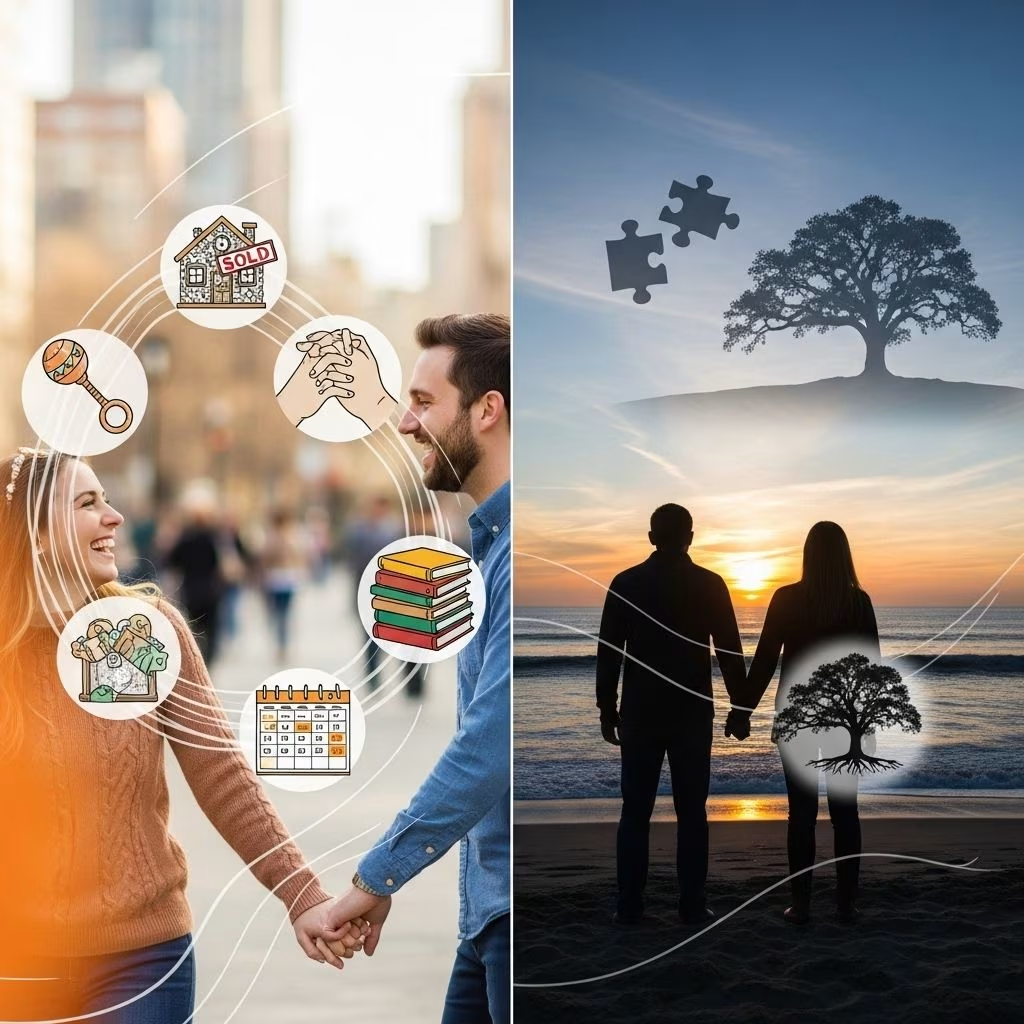
Marriage is an adventure that marks a new chapter in a couple’s journey together. While it is often viewed as a natural progression of commitment, the reality is that tying the knot has a unique impact on both individuals in a relationship and the dynamic they share. The transformation is not just symbolic or legal; it affects daily habits, emotional ties, family bonds, and even the way others perceive you both. Yet, at the heart of marriage, certain essential elements endure, anchoring a couple through change.
How Getting Married Changes Your Relationship
Marriage is more than exchanging vows and rings. Many newlyweds discover that aspects of their relationship change in ways they hadn’t anticipated. Here are five of the most significant changes couples often experience after marriage:
1. You Fight Differently
Arguments don’t disappear after marriage—but the nature of conflict changes profoundly. When you were dating, fights might have felt more threatening; there was always the undercurrent that a big enough disagreement could signal a breakup. After getting married, disputes take on a new tone: you’re in it for the long haul and you’ve committed to working things out. The permanence of the marital bond can have several surprising effects:
- Deeper Honesty: There’s often less fear of being completely honest because you know that small disagreements aren’t going to break you up. Couples may disagree more directly, but also trust each other to weather the disagreement and resolve it constructively.
- Improved Conflict Resolution: Many couples report putting more effort into resolving conflict for good, rather than just ‘winning’ an argument or letting issues linger.
- Security in Commitment: The mutual understanding that you’re not walking away at the first sign of trouble—even when things get tough—is emotionally comforting and can make fights feel less threatening and more manageable.
2. Your Spouse’s Family Is Your Family
Marriage doesn’t just unite two individuals—it weaves together two family trees. After the wedding, in-laws become a permanent part of your support network. Some ways this change can manifest include:
- Joint Family Events: Holidays, birthdays, and significant milestones often become joint celebrations, blending traditions and rituals from both sides.
- Expanded Support: You may find yourself relying on your partner’s parents or siblings the way you do with your own family. This can increase your sense of belonging but may also require negotiation around boundaries and loyalties.
- Challenges with Integration: Not all familial blending happens smoothly. Clashes in expectations, traditions, and personalities can occur. However, marriage often provides the framework and motivation to work through these issues together.
3. You and Your Spouse Are Each Other’s Family
Getting married doesn’t just shift your relationship with your extended families—it fundamentally changes the core of your primary family unit. You and your spouse become ‘home’ for each other. This shift is both symbolic and practical:
- New Sense of Belonging: Whether you loved or tolerated your family of origin, marriage is the first step toward building your own version of ‘family.’
- Shared Responsibilities: Everything from emotional support to financial decisions rests on your partnership, deepening the sense of being each other’s rock and primary ally.
- Creating Traditions: Many couples start new rituals and habits, from holiday routines to weekend activities, that are unique to their new family unit.
4. The Future Looks Different
Before marriage, couples may talk about the future—travel, career moves, or maybe getting a pet. After the vows, the future expands in scope and permanence. Long-term planning becomes the norm:
- Extended Time Horizons: You’ll find certain dreams, like buying a home, planning for children, or retirement, become more central topics of conversation.
- Unified Decision-Making: Major choices, from career changes to big purchases, are made with the assumption that you’re a permanent team facing life’s changes together.
- Deeper Commitment to Goals: You tend to support each other’s ambitions more deeply, knowing the outcome will shape both your lives for the decades ahead.
5. Your Relationship Isn’t Just Personal—It’s Public
Getting married makes your partnership a public, social, and legal entity. This shift can be subtle or overt, but it’s always there:
- External Perceptions Change: Friends, coworkers, even strangers start to view you as part of a unit. There is a new layer of expectations and assumptions placed upon married couples.
- Legal Ties: From changing tax status to medical decisions and next-of-kin status, there are concrete legal ramifications to marriage that elevate your relationship from private commitment to legal partnership.
- Social Pressure: Married couples often feel increased pressure to meet societal milestones such as home ownership, having children, or even career stability. These stereotypes exist regardless of whether or not they align with your personal goals.
Table: Comparing Dating vs. Marriage Dynamics
| Area | Dating | After Marriage |
|---|---|---|
| Conflict Resolution | May avoid deeper issues | Confront and resolve issues for long-term harmony |
| Family Ties | Casual involvement | Permanent family blending |
| Future Planning | Short-to-medium term plans | Long-term plans (retirement, children, legacy) |
| Public Identity | Seen as individuals in a relationship | Seen as a unit in society and legally |
What Doesn’t Change: The Core That Endures
While marriage transforms much about the way you interact as a couple, some fundamental elements remain unchanged. Here are two joyful constants that continue after saying ‘I do’:
1. You Still Have Fun Together
The myth of marriage as the end of fun and the start of ‘settling down’ is just that—a myth. The sense of fun, adventure, and shared joy not only persists but often deepens with marriage:
- Shared Adventures: Couples continue to travel, try new restaurants, pursue hobbies, and make new memories together—even after the honeymoon phase.
- Inside Jokes and Shared History: Many married couples say that the silly rituals and private jokes only increase over time, helping them weather challenges and bond.
- Comfort in Weirdness: The deeper trust and commitment built through marriage often give couples the freedom to be ‘weirder’ and more authentically themselves with each other, fueling deeper connection and playful spontaneity.
2. You Are Still Your Own Person
Marriage may unite you legally and emotionally, but it does not erase your individuality. Maintaining your sense of self is both possible and essential in a healthy marriage:
- Personal Interests and Goals: Your hobbies, professional ambitions, and personal growth continue. Many couples even encourage each other’s individuality, knowing mutual support benefits everyone.
- Emotional Independence: You will both still have personal feelings, opinions, and perspectives. Maintaining healthy independence means advocating for your needs, supporting each other’s differences, and integrating them into your shared life.
- Integration Rather Than Merger: Balancing unity with individuality can make your relationship more resilient by allowing both partners to grow.
Frequently Asked Questions (FAQs)
Q: Does getting married really change your relationship?
A: Yes, for most couples, marriage changes the feel and depth of their relationship. The sense of shared commitment often increases, family relationships deepen, and partners may experience a greater sense of security and responsibility.
Q: Do you still have fun after marriage?
A: Absolutely. Many couples find that their ability to have fun and make new memories together actually improves, as they feel more comfortable with each other after marriage.
Q: How do married couples handle fights differently?
A: Most couples become more committed to resolving conflicts constructively. The permanence of marriage often leads to improved communication and honesty in disagreements.
Q: Will I lose my individuality after marriage?
A: No. While you become part of a new family unit, a healthy marriage is built on the uniqueness and independent growth of both individuals.
Final Thoughts
Marriage is an ongoing evolution. While it creates profound shifts in how couples view each other, tackle challenges, and plan for the future, it also safeguards the core joys and traits that brought you together in the first place. The most important thing is to enter marriage with open communication, mutual respect for each other’s individuality, and a willingness to nurture both your shared bond and your personal growth. That’s how you write your own lasting love story—even after the ceremony ends.
References
- https://www.bustle.com/articles/129283-7-ways-marriage-can-change-your-relationship-for-the-better
- https://www.bustle.com/articles/58101-5-ways-getting-married-changes-your-relationshipand-2-ways-it-doesnt
- https://cupla.app/blog/five-stages-of-a-relationship/
- https://www.bustle.com/articles/114781-6-small-ways-your-relationship-changes-when-you-get-married
- https://www.bustle.com/articles/161936-5-marriage-traditions-to-update-for-a-feminist-relationship
- https://firstthings.org/5-ways-your-relationship-changes-after-you-get-married/
- https://www.bustle.com/articles/118383-people-share-how-marriage-changed-their-relationships
- https://maggiereyes.com/wp-content/uploads/2020/03/MR-Ep-7-Transcript.pdf
- https://www.marriage.com/advice/relationship/love-is-gone/
- https://www.psychologytoday.com/us/blog/a-marriage-of-equals/202312/the-marriage-effect-everything-changes


