


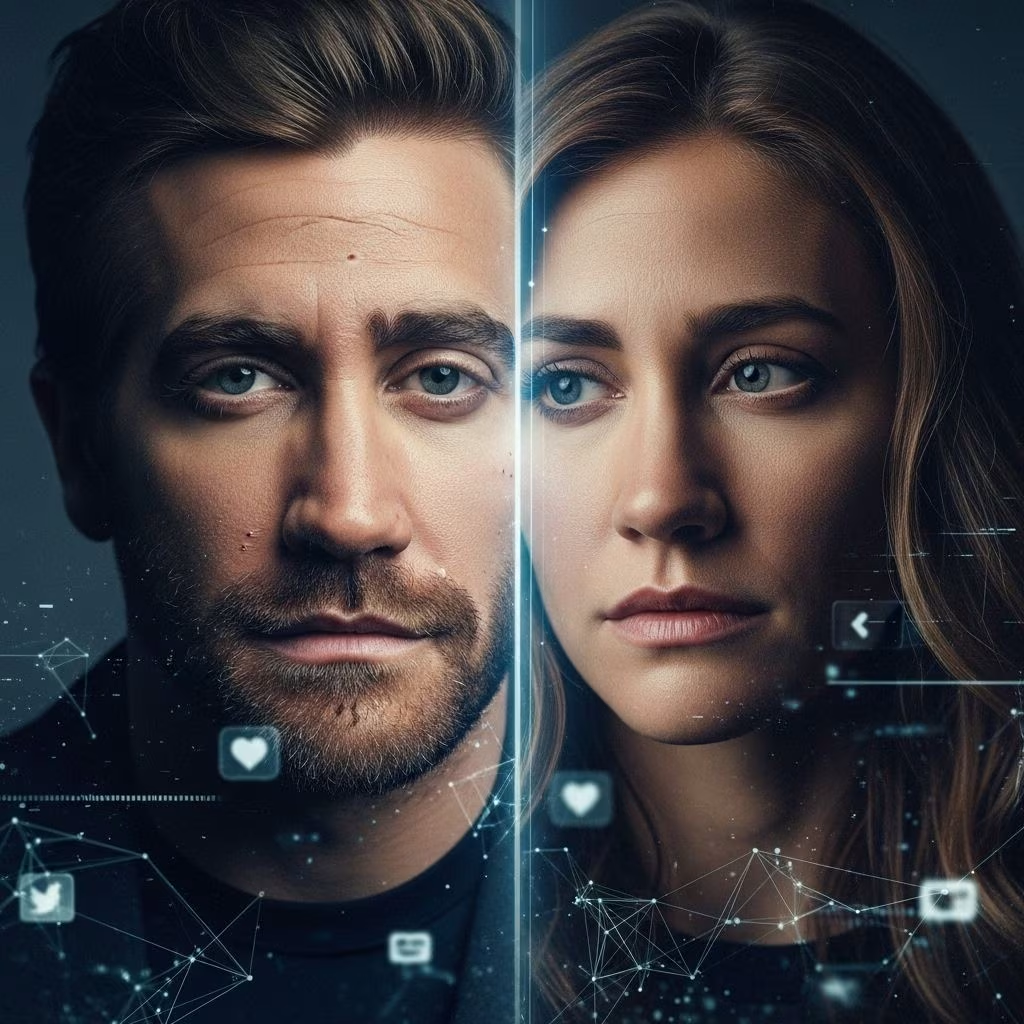
Introduction: The Boundary Between Reality and Internet Fantasy
In recent years, social media and online forums have demonstrated a remarkable—often troubling—ability to take any aspect of celebrity culture and turn it into viral entertainment, regardless of accuracy, sensitivity, or decency. Few phenomena reveal the downsides of this tendency better than ‘Gyllencest’: an internet-fueled meme trend that speculates, jokes, and fantasizes about a romantic or sexual relationship between Hollywood siblings Jake and Maggie Gyllenhaal.
While the siblings themselves have maintained a personal and professional relationship that is both loving and supportive, the internet has repeatedly distorted their bond, making them unwilling, uncomfortable subjects for a form of online sensationalism that highlights bigger concerns regarding privacy, empathy, and the boundaries of public discourse.
The Origins of ‘Gyllencest’: Where Did This Meme Come From?
The term ‘Gyllencest’ is a portmanteau of ‘Gyllenhaal’ and ‘incest,’ coined by internet communities who noticed the siblings’ close relationship and began constructing a narrative, largely through memes, jokes, and speculative posts, that implied something more salacious and taboo than reality. These discussions often began in fandom circles, message boards, and social aggregation sites, such as Reddit and Tumblr, spread rapidly through Twitter threads, and found their way onto meme pages and viral blogs.
- The ‘Gyllencest’ meme initially gained traction through the unique combination of both siblings’ presence in pop culture and their willingness to publicly support each other’s careers.
- Appearing together at events, working on films such as Donnie Darko, and discussing their personal lives drew additional attention from fans and internet commentators.
- The meme escalated as users took images and interviews out of context, using them to fuel narratives that are entirely fictitious—and intrusive.
Why ‘Gyllencest’ Crossed a Line: Celebrification and Voyeurism
Unlike playful fan speculation or shipping, the ‘Gyllencest’ discourse immediately signaled a more invasive attitude toward celebrity boundaries. Though Jake and Maggie Gyllenhaal have always presented their sibling bond as loving and normal, the internet’s fixation on inventing rumors or jokes about incest moves far afield from harmless fun.
Key reasons this phenomenon provoked outrage include:
- Violation of boundaries: The ‘Gyllencest’ meme leverages real family relationships for titillation, disregarding the humanity of its subjects.
- Amplification by viral culture: Sensational and controversial content spreads quickly, with internet users often prioritizing entertainment or shock value over respect or empathy.
- Objectification of celebrities: The meme ignores the feelings of Jake and Maggie, treating them as fictional characters for public amusement rather than real individuals.
Context: The Gyllenhaal Siblings and Their Actual Relationship
To understand the disconnect between internet fantasy and reality, it’s necessary to look at Jake and Maggie Gyllenhaal’s actual relationship. Born into a Hollywood family—children of director Stephen Gyllenhaal and screenwriter Naomi Foner—they enjoyed a close upbringing and have often spoken glowingly of each other in interviews.
| Sibling | Notable Career Highlights | Public Statements about Each Other |
|---|---|---|
| Jake Gyllenhaal |
|
|
| Maggie Gyllenhaal |
|
|
Both siblings have withstood public scrutiny, challenging stereotypes in Hollywood and supporting each other’s work. However, they have never given any indication of improper or abnormal closeness beyond standard family bonds.
Internet Meme Culture and Its Obsession with Taboo
Why did such an extreme and frankly distasteful meme catch on? The answer lies in the nature of internet culture, where pushing boundaries, indulging in shock humor, and cultivating communities around taboo subjects are commonplace.
- Edgelord humor: Many users participate in these memes to provoke outrage, troll others, or explore subjects forbidden offline.
- Celebrity as myth: Celebrities become mythological figures onto whom fans project fantasies, fears, and cultural anxieties.
- Anonymity: The anonymity of the internet allows users to express opinions or jokes they would never repeat in person.
Yet, there’s a darker side to the viral spread of such memes: where does entertainment end and harassment begin?
The Real-Life Consequences for the Gyllenhaals
Though neither Jake nor Maggie has commented directly on the ‘Gyllencest’ meme, they have addressed broader themes of internet speculation, privacy, and the impact of celebrity culture on their lives. In interviews, Jake has spoken out about the harms of online schadenfreude, cyberbullying, and the responsibility of artists and media consumers to cultivate civil discourse.
- Jake was targeted by online backlash after Taylor Swift’s fanbase revived controversies around their brief romance; the volume and pitch of negative sentiment were unprecedented.
- Both siblings have experienced the amplification of internet gossip, leading to personal inconvenience, discomfort, and sometimes threats or harassment.
- They have, however, maintained a united front and a loving relationship, refusing to allow negative discourse to disrupt their personal or professional lives.
Why Is Celebrity Privacy So Fraught in the Digital Era?
The ‘Gyllencest’ phenomenon is not an isolated incident; it reflects a much larger set of trends in the treatment of celebrities online. Privacy, once protected by physical distance and professional boundaries, is now constantly invaded by fans, media, and meme culture.
- Social media platforms democratize access to celebrities, making objects of fascination instantly available for commentary, speculation, and meme generation.
- Virality and monetization: Sensational content drives clicks, shares, and revenue—even when it originates from personal attacks or baseless rumors.
- Loss of empathy: Celebrities are increasingly seen as public property, reducing respect for their boundaries and feelings.
Consequences for public figures: Reputational harm, mental health consequences, and the inability to control their own narratives.
The Response: Debunking, Pushback, and Call for Empathy
Not all internet users support the spread of ‘Gyllencest’ or similar memes. Many have voiced discomfort, moral outrage, or disappointment in the trend, arguing it is disrespectful, invasive, and unnecessarily cruel.
- Some fans have encouraged others to redirect attention to the siblings’ artistic achievements rather than speculative or harmful content.
- Journalists and commentators have written articles and social media posts dismantling the logic of the meme and asking for more psychologically safe and respectful behavior online.
- Ultimately, the best response lies in a collective reassessment of the ethics of meme culture, fan communities, and media sensationalism.
Frequently Asked Questions (FAQs)
Q1: Did Jake and Maggie Gyllenhaal ever publicly address ‘Gyllencest’?
No direct statements from Jake or Maggie Gyllenhaal about the ‘Gyllencest’ meme exist. They have, however, spoken about internet speculation, cyberbullying, and maintaining personal boundaries in other contexts.
Q2: Why do internet communities create memes like ‘Gyllencest’?
Such memes often arise from the desire to push boundaries, evoke shock or controversy, and treat celebrities as fictional entities, ignoring the real-world consequences for the subjects involved.
Q3: What is the impact of these internet rumors on celebrities?
Rumors and memes of this kind can cause personal distress, reputational harm, and a loss of control over one’s public image, especially when amplified by viral sharing.
Q4: How have the Gyllenhaal siblings responded to internet speculation generally?
They have stressed the importance of empathy, civility, and responsible discourse in interviews, while continuing to support each other’s careers and maintain their private lives apart from public speculation.
Conclusion: Lessons from the ‘Gyllencest’ Episode
The internet’s fascination with ‘Gyllencest’ reveals deeper patterns of digital culture, including sensationalism, the blurring of reality and fantasy, and the tendency to overstep personal boundaries in the name of entertainment. Through the experiences of Jake and Maggie Gyllenhaal, we are reminded that behind every meme, rumor, or joke are real people—subject to real consequences.
- Critical engagement with meme culture is crucial to protect privacy, empathy, and decency online.
- Fans and communities hold power to shape discourse and can choose respect over sensationalism.
- In an age where viral content reigns, the responsibility for ethical behavior online is more urgent than ever.
If nothing else, the ‘Gyllencest’ episode serves as a cautionary tale about the costs of entertaining ourselves at the expense of others, and an opportunity to reimagine online communities less guided by shock value and more by dignity, respect, and kindness.


