


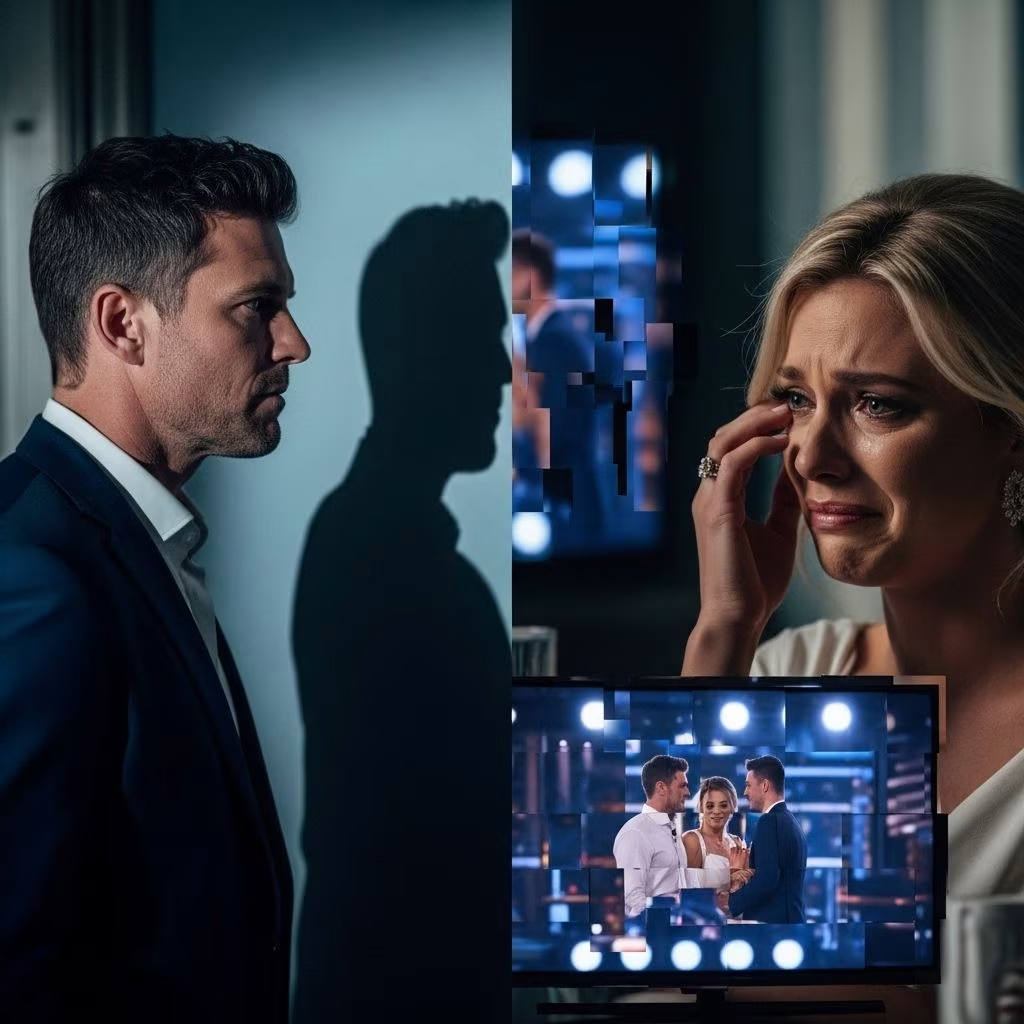
The Unfolding Drama: Luke & Hannah’s Bachelorette Relationship
In the world of reality television, few relationships have sparked as much debate and concern as the volatile dynamic between Luke Parker and Hannah Brown on The Bachelorette Season 15. Their rocky journey, marked by emotional highs, public confrontations, and controversial moments, became a focal point for viewers, experts, and media alike. As their story played out on primetime television, it offered both a cautionary tale and a conversation starter about the signs and consequences of toxic relationships.
The Timeline: A Relationship Marked by Intensity and Control
From the outset, Luke Parker’s approach diverged sharply from the other contestants. In a process that typically accelerates intimacy, Luke deepened the intensity, confessing his love to Hannah on their very first date. This swift escalation is a classic red flag in unhealthy relationships:
- Rapid emotional involvement, which can obscure critical thinking and ignore necessary boundaries.
- Frequent displays of possession and jealousy, such as Luke’s discomfort with Hannah’s interactions with other suitors.
- Attempts to define or police a partner’s actions, notably during the bungee jumping date and, later, the infamous “Fantasy Suite” controversy.
Luke’s pattern of expressing disappointment and attempting to guilt Hannah—over her physical interactions and choices—mirrors behaviors that relationship experts consistently warn against. These moments contributed to a sense of power imbalance and emotional instability within their relationship.
The Turning Point: Public Confrontations and Slut-Shaming
The most widely discussed incident occurred during the show’s Fantasy Suite week. After learning that Hannah had been intimate with other finalists, Luke told her directly that if she had had sex with anyone else, he would leave the show. This ultimatum deeply upset Hannah, who interpreted his words as judgmental and shaming. She responded powerfully, stating, “I have had sex, and Jesus still loves me,” and reaffirmed her right to make her own choices.
This sharp clash—broadcast to millions—resonated for its:
- Religious overtones, with both Luke and Hannah citing faith as central to their identities.
- Gendered double standards, as Hannah called out Luke’s attempt to control or shame her sexual decisions.
- Rejection of slut-shaming. Hannah’s public stand became a cultural touchstone for many viewers.
The moment became one of the season’s defining images, sparking widespread online conversation around autonomy, respect, and the dangers of conditional love.
Signs of Toxicity: What Relationship Experts Saw
To understand why so many flagged Luke and Hannah’s romance as unhealthy, it’s vital to outline classic markers of toxic relationships—several of which were apparent on screen:
- Excessive Jealousy: Luke repeatedly expressed anger or hurt regarding Hannah’s dates and choices with other contestants.
- Control and Possession: He often dictated what he thought Hannah should or shouldn’t do, sometimes invoking their shared faith as justification.
- Gaslighting Behaviors: When confronted, Luke would backpedal, claiming Hannah misunderstood him, which led to her second-guessing her own feelings and judgment.
- Guilt-Tripping and Isolation: Luke’s disappointment was regularly accompanied by statements designed to induce guilt or doubt in Hannah.
- Emotional Rollercoaster: The relationship was defined by ‘high highs and low lows,’ keeping both parties, especially Hannah, off-balance and uncertain.
Gaslighting, in particular, is a pattern where a person seeks to sow seeds of doubt, making their partner question their own memory, perception, or sanity. Hannah herself was quoted saying: “I’m either falling in love with Luke, or Luke is making me go crazy.”
Why Did Hannah Stay So Long?
For many viewers, the most baffling part was Hannah’s repeated choice to keep Luke on the show—even as other contestants, the host, and the audience saw the warning signs. Experts note that this is a common pattern:
- Confusion Between Intensity and Love: When emotional extremes are mistaken for deep connection.
- Charismatic Manipulation: Luke’s early intensity and proclamations of love may have hooked Hannah into believing in his sincerity.
- Hope For Change: Victims of toxic dynamics often rationalize problematic behavior, hoping their partner will revert to the idealized early relationship.
- Public Pressure: With the world watching, the stakes of each choice can feel overwhelming.
Such dynamics are not unique to reality shows—many unhealthy relationships in real life rely on the same emotional cycles.
Bachelor Nation’s Lessons: Pros & Cons of Watching Toxic Relationships on TV
The highly-public unraveling of Luke and Hannah’s relationship offers unexpected educational value as well as risks, according to experts in relationships and media psychology.
Potential Benefits
- Visibility of Red Flags: Viewers are exposed to real-time examples of manipulative or unhealthy behaviors, which can help them recognize these patterns in their own lives.
- Public Conversations: The televised drama sparks dialogue on social media and in homes about boundaries, self-worth, and mutual respect.
- Empowerment Opportunities: Seeing Hannah eventually reclaim her agency may empower others in similar situations to set boundaries or leave toxic relationships.
- Expert Responses: Many therapists, coaches, and advocacy groups use these moments to educate the public about healthy relationships.
Potential Drawbacks
- Normalization of Dysfunction: When repeated dramatic relationships are featured, viewers may begin to see volatility or possessiveness as normal or even romantic.
- Triggering Trauma: For those with histories of abuse or controlling relationships, the depiction can bring up difficult emotions.
- Oversimplification: Reality TV often flattens complex issues, leaving nuance and deeper psychological factors unexplored.
- Editing Bias: The format and editing may prioritize spectacle over genuine education, skewing perceptions for the sake of drama.
Where Are They Now? The Post-Show Impact
After Hannah’s public breakup with Luke, both have reflected on their experience. Luke admits to feeling embarrassed and has expressed regret about how his actions were received. He has since moved on, married, and started a family; Hannah, meanwhile, has publicly discussed the lessons she learned and has become a visible advocate for relationship clarity and self-empowerment.
The aftermath of their season saw Bachelor Nation continuing to dissect the relationship, using it as a reference point for discussions about boundaries, self-respect, and the importance of mutual trust.
What Viewers Should Take Away: Spotting the Signs
If you recognize any of these signs in a relationship—on television or in your personal life—experts recommend paying careful attention. Emotional intensity, controlling behaviors, or cycles of guilt and forgiveness can all be part of an unhealthy pattern:
- Listen to your instincts: If something feels off, it often is.
- Seek support: Talking to friends, family, or a professional can help bring perspective.
- Value mutual respect: A healthy relationship fosters autonomy, listens to boundaries, and encourages both partners to thrive as individuals.
Frequently Asked Questions (FAQs)
Q: Why was Luke Parker’s behavior viewed as toxic by experts?
A: Experts identified patterns such as emotional manipulation, jealousy, possessiveness, and attempts to exert control over Hannah’s choices as defining features of an unhealthy relationship.
Q: How did Hannah Brown ultimately respond to Luke’s actions?
A: Hannah confronted Luke’s attempts to shame her and chose to end their relationship, publicly reaffirming her autonomy and right to make her own sexual decisions.
Q: Can watching toxic relationships on TV be harmful?
A: Yes, frequent exposure can normalize unhealthy dynamics or be triggering for viewers with personal histories of abuse, though such depictions can also provide educational value if handled thoughtfully.
Q: What are some red flags for unhealthy relationships highlighted on The Bachelorette?
A: Excessive jealousy, emotional highs and lows, isolation attempts, gaslighting, and using guilt or shame to influence behavior are all key signs showcased in Luke and Hannah’s relationship.
Table: Healthy vs. Unhealthy Relationship Dynamics Seen on TV
| Healthy Relationship | Unhealthy Relationship |
|---|---|
| Mutual respect | Control or dominance by one partner |
| Open, honest communication | Gaslighting or minimizing concerns |
| Support for each other’s autonomy | Possessiveness and jealousy |
| Steady emotional connection | Rollercoaster of emotions |
| No pressure or ultimatums about intimacy | Conditional affection and shaming |
Final Reflections: Why These Stories Matter
While reality television is designed for drama and ratings, it also reflects and shapes real-world conversations about love, vulnerability, and personal boundaries. The Luke and Hannah saga continues to resonate because it mirrors the very real challenges viewers may face in their own lives. By scrutinizing these relationships through a critical lens, audiences can better recognize the value of healthy love and the warning signs that suggest it’s time to walk away.
If you or someone you know is experiencing similar dynamics, resources and help are available. Public conversations, like those sparked by this storied season of The Bachelorette, can ultimately empower more people to pursue respect, balance, and genuine partnership in their relationships.
References
- https://www.realitytvworld.com/news/luke-parker-i-still-feel-i-handled-my-bachelorette-sex-talk-with-hannah-brown-perfectly-35105.php
- https://www.tvinsider.com/1198085/bachelorette-luke-parker-life-update-hannah-brown/
- https://www.swooon.com/1198678/bachelorette-luke-parker-update-hannah-brown-season-details/
- https://www.joinonelove.org/learn/the-bachelorette-why-luke-p-s-behavior-has-unhealthy-written-all-over-it/


