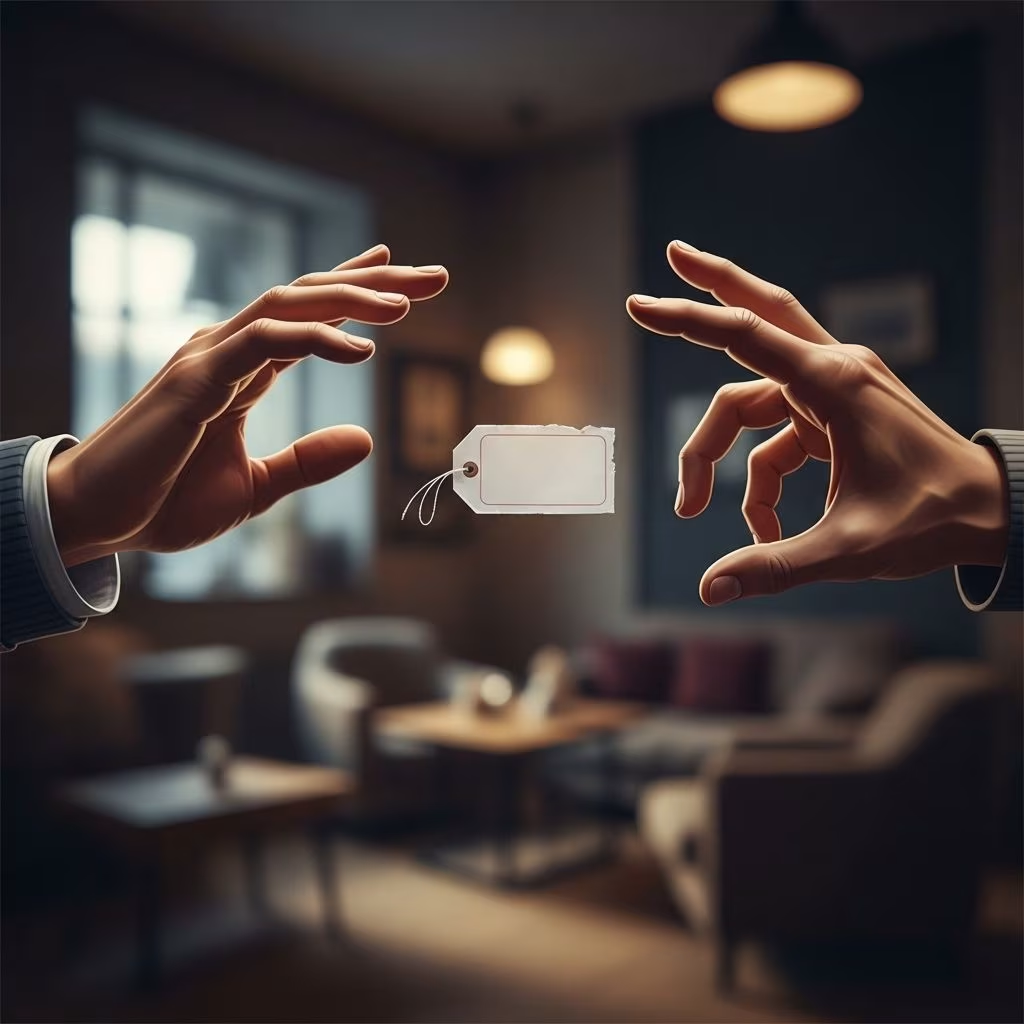
The One Night Relationship Theory: When Intense First Dates Fade Away
In a digital age where connection is just a swipe away, dating can sometimes feel like a dizzying emotional rollercoaster. One day, you’re up late sharing childhood secrets with someone who feels eerily familiar—by the next, you’re staring at a ghosted text thread, trying to piece together what went wrong. Enter the viral ‘one night relationship’ theory, a new social phenomenon that’s captivating TikTok users and relationship experts alike. This theory attempts to explain why some seemingly magical first dates—full of vulnerability, laughter, and intimacy—lead not to budding romance, but to silent goodbyes and unexpected heartbreak.
What Is the ‘One Night Relationship’ Theory?
The ‘one night relationship’ theory is rooted in the dynamic where people become deeply open, vulnerable, and even romantically intimate with someone they’ve just met—often during a first date or initial encounter. Rather than a simple, fleeting hookup, these evenings feel like real relationships condensed into a few hours. The night is filled with emotional sharing, confessions, cuddling, and even discussing future dreams. Yet, in an abrupt twist, this closeness often vanishes by the next day. Instead of building on the chemistry, one or both participants disappear—ghosting, ignoring, or pretending as if the magic never happened.
- Deep intimacy: These encounters involve sharing secrets, trauma, hopes, and fears, not just casual flirting.
- Temporal romance: Emotional intensity flourishes rapidly but doesn’t translate to lasting commitment.
- Sudden detachment: After an evening of connection, communication abruptly halts or the person acts like a stranger if paths cross again.
This trend isn’t about one-night stands or purely physical flings. Instead, it’s about experiencing condensed emotional intimacy—what feels like a relationship in miniature—but with none of the follow-through.
The TikTok Origin and Real-Life Stories
The theory gained traction after TikTok creator @christinazozulya described it in a viral video. She recounted how her friend experienced an incredibly romantic first date: hours of deep conversation, handholding, forehead kisses—the kind of night that feels film-worthy. Yet the next day, her date vanished, and when she unexpectedly saw him at a party later, he didn’t even acknowledge her. The confusion and emotional whiplash led to a flood of similar stories in the TikTok comments. Many users complained about experiencing an inexplicable sense of loss and rejection, even as their dates appeared to have shared the same magical night.
- “They are so selfish! They want to connect on their terms.”
- “I just had a one night relationship and yep, it’s not for me. I felt so awkward and weird in the morning.”
- “Lol, these hurt so bad.”
The viral response makes it clear: The phenomenon’s emotional impact is widespread, and many daters are left wondering what motivates such intense, fleeting connections.
Why Are People Drawn to ‘One Night Relationships’?
Relationship experts suggest that modern dating trends—fueled by dating apps, shifting social expectations, and a desire for instant gratification—play a major role. According to Ciara Bogdanovic, LMFT, a relationship therapist, ‘one night relationships’ allow individuals to access closeness and self-expression without the pressure—and risk—of genuine long-term intimacy.
Several psychological and social factors drive this behavior:
- Emotional Impulsivity: In-the-moment vulnerability feels cathartic but is disconnected from future intentions.
- Safety in Anonymity: People are more comfortable sharing their deep emotions with someone they don’t plan to see again, seeing them as “safe” because there are no anticipated consequences.
- Intimacy without vulnerability: Individuals want the perks of close connection but aren’t ready—or willing—for the complications that come with real, ongoing intimacy.
- Unmet need for connection: These encounters can temporarily satisfy the longing for companionship without navigating the messy complexities of a real relationship.
As Bogdanovic explains, “They likely feel safe being emotionally raw with you precisely because they don’t expect it to go anywhere.” Instead of confiding in friends or family, who might hold them accountable or bring things up again, people may use the intimacy of a first date as a one-off, self-contained outlet for emotional release.
How ‘One Night Relationship’ Differs from One-Night Stands
While both one-night relationships and one-night stands may last a single night, the key difference is emotional participation. One-night stands are typically characterized by physical chemistry but emotional detachment, with little expectation for genuine connection. ‘One night relationships’ are the opposite: They involve sustained talking, vulnerability, and a simulation of early relationship bonding—yet still dissolve just as abruptly the next morning.
| Aspect | One Night Relationship | One-Night Stand |
|---|---|---|
| Emotional Intimacy | High—deep sharing, bonding, vulnerability | Low—minimal personal disclosure |
| Physical Intimacy | Can be present but not primary | Primary focus |
| Post-Encounter Behavior | Ghosting, ignoring, acting unfamiliar | Ghosting, mutual understanding of no follow-up |
| Motivation | Craving connection, seeking catharsis | Physical attraction, fun, experimentation |
Why Does the ‘One Night Relationship’ Phenomenon Hurt So Much?
Many people who experience one night relationships report an unusual sense of loss that seems out of proportion to the short duration of the interaction. Several emotional dynamics are at play:
- Mirrored vulnerability—Sharing secrets and feelings can create the illusion of intimacy, but the abrupt withdrawal can trigger feelings of abandonment and confusion.
- Expectation vs. Reality—The night feels like the beginning of something meaningful, so ghosting afterward feels like an unresolved ending.
- Self-blame—Without clear closure, people blame themselves or question what they did wrong.
- Conflicting signals—The disconnect between intense connection and sudden silence is emotionally jarring, making it hard to process or move on.
Commenters on TikTok frequently express how “awkward,” “weird,” or “hurt” they felt after such encounters, highlighting the emotional fallout. Even if both parties tacitly participated in the temporary intimacy, the lack of closure can lead to longing and regret.
Relationship Therapist Insights: What’s Really Going On?
According to Ciara Bogdanovic, therapist and Sagebrush Psychotherapy founder, the ‘one night relationship’ is less about mutual deception and more about uneven needs and emotional skill sets. She points out:
- Low-stakes Intimacy: People can show up with the full force of their emotional selves because they believe there are no long-term consequences.
- Emotional Impulsivity: Sometimes, the desire to feel connected or heard overrides their interest in building something real.
- Lack of Commitment: If someone is “curious about who else is out there” or not ready for commitment, this fleeting intimacy is more comfortable than a developing relationship.
Bogdanovic warns, “It feels like intimacy, but often reflects emotional impulsivity or an unmet need for connection rather than a true desire for long-term closeness.”
How to Protect Yourself: Avoiding the Trap of One Night Relationships
If you’re tired of over-sharing on magical dates only to wake up to a vanished connection, experts suggest several practical dating strategies to avoid emotional burnout:
- Keep first dates short: Limit the time spent together; opt for a casual drink over drawn-out dinners or late-night hangouts to avoid blurring emotional boundaries.
- Notice consistency over chemistry: Emotional highs are exciting, but true potential for a relationship shows in regular communication, respect, and reliability.
- Slow unfolding: Pay attention to whether the other person can handle a gradual, mutual development of intimacy—instead of wanting all the perks right away.
- Communicate needs clearly: If you know you get attached easily, set expectations and prioritize your emotional well-being first.
- Seek closure within yourself: If you experience abrupt endings, remind yourself that the connection was real—even if it was only temporary—and it isn’t a reflection of your worth.
Frequently Asked Questions (FAQs)
Q: How is a ‘one night relationship’ different from a one-night stand?
A: A one night relationship involves intense emotional connection and vulnerability during an encounter, often without sexual expectations or with physical intimacy as a secondary aspect. One-night stands focus on physical attraction and lack deep emotional sharing.
Q: Why do people open up so quickly and then disappear?
A: For many, it’s easier to be emotionally raw with someone they don’t see as a long-term partner. The knowledge there are no future consequences makes them feel safe sharing, but also encourages emotional impulsivity and avoidance of actual commitment.
Q: Can these brief relationships ever turn into something long-term?
A: In rare cases, yes—if both people recognize and pursue the connection after the initial encounter. However, the pattern often signals a lack of readiness for deeper commitment on at least one side.
Q: What can I do if I keep experiencing one night relationships?
A: Set and communicate clear emotional boundaries, favor shorter first dates, and observe whether someone shows consistency, not just chemistry. Remember it’s not about your worth, but sometimes about circumstances and maturity levels of both people involved.
Takeaways: Navigating Modern Dating Without Losing Yourself
- ‘One night relationships’ are a real and confusing part of modern dating. They fulfill emotional needs for intimacy without actual commitment, but often lead to ghosting and unresolved endings.
- Protect yourself by setting boundaries, keeping first dates brief, and valuing actions and consistency over emotional fireworks.
- Don’t take it personally. These fleeting connections reveal more about the pace and pressure of modern relationships than about individual shortcomings.
While it’s tempting to chase the magical spark of an intense first date, true connection develops over time through repeated reliability, genuine care, and mutual emotional safety. The ‘one night relationship’ theory is a cautionary tale about romanticizing instant intimacy—and a reminder to trust consistency over chemistry.
References
- https://www.bustle.com/life/one-night-relationship-theory-tiktok
- https://www.bustle.com/wellness/last-meeting-theory-tiktok-running-into-ex
- https://rollingout.com/2025/07/16/one-night-relationship-theory-exposes/
- https://ground.news/article/one-type-of-dating-leads-to-less-stable-and-satisfying-marriages