Introduction
Interracial relationships have increasingly become a subject of public discourse, but few pairings provoke as much scrutiny and backlash as unions between white men and Asian women. This judgment often manifests in the form of online harassment, cruel stereotypes, and heated debates within Asian communities and broader society. Natalie Tran, a prominent Asian Australian YouTube personality and actor, experienced this firsthand when she faced a torrent of personal attacks after sharing details of her romantic relationship with a white partner. In response, she produced a documentary, “White Male Asian Female,” that delves into the roots of this judgment and what it reveals about contemporary attitudes toward interracial love, racial identity, and privilege.
The Trigger: Natalie Tran’s Personal Experience
Natalie Tran’s journey into this topic began when she posted about her relationship online and was met with a barrage of vitriolic comments—many targeting her racial identity and choices. She notes, “This video was a weird experience because it started with my being hurt and angry, and ended up with me wanting to help and learn more.” Her documentary, created in partnership with YouTube’s Creators for Change, seeks not only to unpack the backlash Asian women face but also to explore the broader societal dynamics at play.
Navigating Backlash and Identity
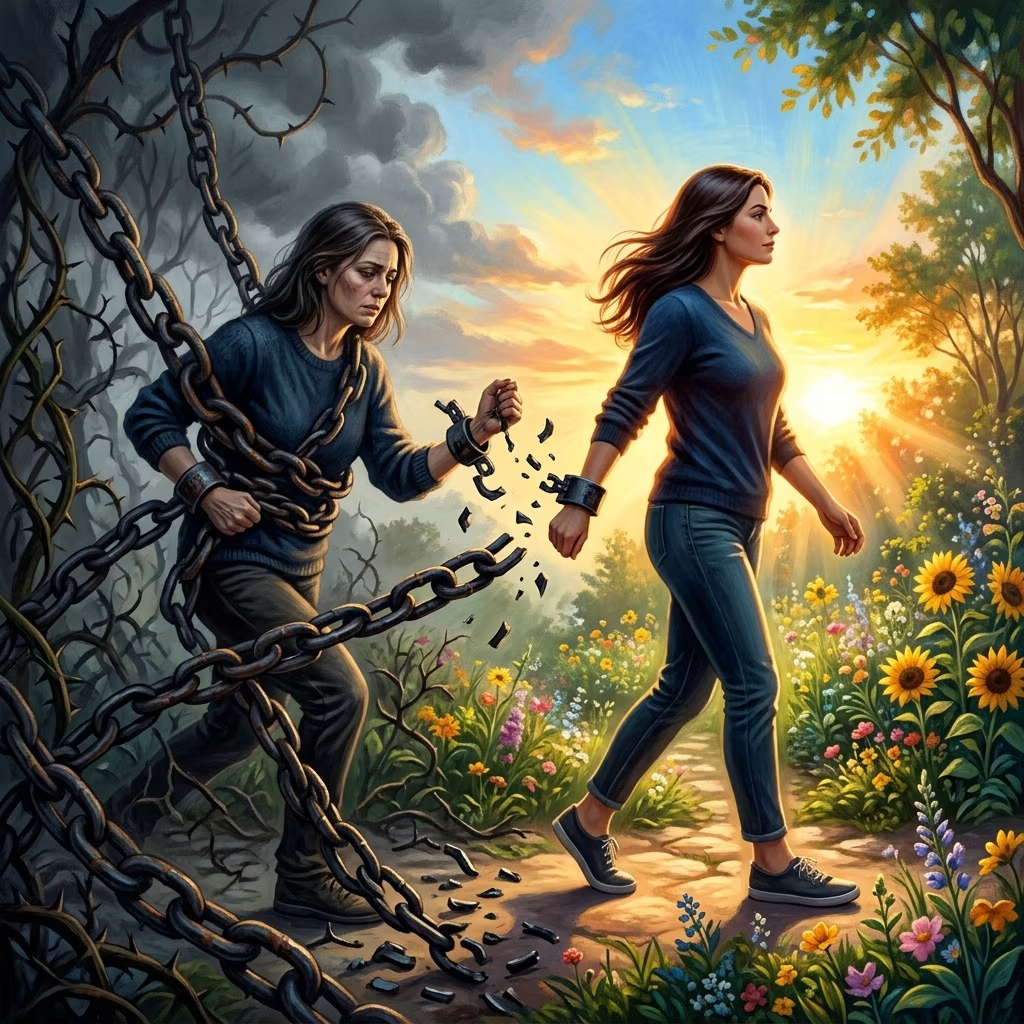
Tran’s experience is far from unique. Asian women who date outside their race—especially with white men—often face accusations of betraying their heritage or seeking white privilege. This policing of romantic choices is often compounded by the fact that the backlash comes from both Asian men and others outside the community, reflecting a complex interplay of race, gender, and power.
Tran interviews various voices, including professional matchmakers and social science experts, to better understand the origins and motivations behind these reactions. What emerges is a nuanced picture of identity, insecurity, and societal conditioning.
The Role of Matchmakers and Dating Preferences
One expert, Katie Chen of Two Asian Matchmakers, highlights how some Asian women actively seek non-Asian partners—a trend that is both shaped by and reinforces certain stereotypes. Chen observes that Asian men, in contrast, face greater difficulties in dating outside their race, often being stereotyped as “nerdy” or “less engaging.” These stereotypes are perpetuated not only in pop culture but also within some Asian communities themselves, where preference for white partners is sometimes seen as aspirational.
Unpacking the Skepticism Toward Interracial Relationships
While Tran focused primarily on relationships between white men and Asian women, the documentary’s insights are applicable to interracial relationships more broadly. The skepticism some people of color feel toward these relationships is not entirely unfounded; it’s rooted in historical contexts of white supremacy, systemic racism, and the devaluation of people of color, particularly men.
Tran argues that the people who troll her are often dealing with their own identity crises and feelings of hurt, rather than any genuine concern for racial loyalty. This dynamic is reflective of broader conversations about race and belonging in multicultural societies.
The Broader Context: Race, Privilege, and Power
The documentary makes clear that the issues at play are not just about personal dating preferences but also about systemic power structures. The notion of “white privilege-by-proxy”—that Asian women gain certain social advantages by dating white men—is a recurring theme, though not always recognized by those in these relationships.
Different Experiences, Different Privileges
Male interviewees in the documentary note that Asian men dating white women do not experience the same social benefits, highlighting disparities in how race and gender intersect. They argue that Asian women who marry white men may have access to social circles and opportunities that remain out of reach for Asian men, reflecting broader inequalities in society.
The Role of Media and Stereotypes
Media portrayals of Asian men and women have long contributed to these dynamics. Asian men are frequently depicted as emasculated or undesirable, while Asian women are portrayed as exotic or submissive—a dichotomy that influences both self-perception and societal expectations.
The Emotional Impact: Feeling Inferior vs. Being Told You’re Inferior
Tran’s conversations reveal a key distinction in how Asian men and women experience feelings of inadequacy. Asian men report being explicitly told, often by family members and the community, that they are not as desirable as white men. In contrast, Asian women may internalize feelings of inferiority to white women, even if not overtly stated by others. These differing experiences can lead to resentment, confusion, and further division within the community.
The Cycle of Judgment and Its Consequences
The policing of Asian women’s dating choices is not just about maintaining racial purity; it’s also about maintaining power and control. The documentary suggests that men of color may police women of color to limit their romantic options, thereby reinforcing their own sense of power and dominance within the community. This dynamic is deeply connected to broader issues of sexism and patriarchy.
The Personal vs. The Political
For many Asian women, the backlash they face is deeply personal but also profoundly political. Their dating choices are often interpreted as a comment on their racial identity, their loyalty, or their values, rather than as simple expressions of personal desire.
Resistance and the Importance of Dialogue
Tran’s documentary ultimately serves as a call for more open dialogue about these issues. She moves from being hurt by the judgment to seeking understanding and education, both for herself and her audience. Her project is a reminder that confronting these biases and stereotypes is essential for social progress.
FAQs
Why do Asian women who date white men face more scrutiny than other interracial couples?
- Social Stereotypes: Both white and Asian communities have strong, sometimes opposing stereotypes about what interracial relationships signify—whether it’s “betrayal,” “status-seeking,” or something else entirely.
- Historical Context: Colonial history and white dominance in Western societies have shaped attitudes toward interracial relationships, especially those involving women of color and white men.
- Internalized Racism: Some Asian women and men internalize negative stereotypes about themselves and their communities, influencing their romantic choices and reactions.
What is “white privilege-by-proxy,” and is it real?
- Definition: The idea that people of color may gain some social advantages by associating with white partners—such as increased acceptance in mainstream circles or easier access to opportunities.
- Reality: While some benefits may be real, many Asian women in these relationships say they do not experience overt privileges, and the concept itself is debated within communities.
How do media portrayals affect the dating experiences of Asian men and women?
- Asian Men: Often portrayed as less masculine or desirable, which can hinder their dating prospects both within and outside their community.
- Asian Women: Frequently stereotyped as exotic or submissive, which can impact both how they are perceived and how they perceive themselves.
Is the criticism of Asian women dating white men really about race purity, or is there more to it?
- Beyond Purity: Much of the criticism is about power dynamics—specifically, men policing women’s choices to maintain their own status and control within the community.
- Gender Dynamics: Sexism and patriarchy in Asian communities and society at large play a significant role in how these relationships are judged.
What can be done to address these issues?
- Open Dialogue: Encouraging conversations within and across communities about race, privilege, and identity.
- Media Representation: Advocating for more nuanced and diverse portrayals of Asian men and women in film, TV, and other media.
- Educational Initiatives: Supporting initiatives that address internalized racism and encourage healthy self-perception among people of color.
Key Takeaways
| Topic | Main Point |
|---|---|
| Online Backlash | Asian women in interracial relationships with white men often face intense personal attacks and judgment. |
| Root Causes | This backlash is rooted in historical racism, stereotypes, and power dynamics within and outside Asian communities. |
| Media Influence | Pop culture depictions reinforce negative stereotypes, which in turn shape dating expectations and experiences. |
| Community Dynamics | Asian men may feel excluded and stigmatized, while Asian women can internalize feelings of inferiority compared to white women. |
| Power and Privilege | Discussions about “white privilege-by-proxy” highlight the ways interracial relationships can intersect with and reinforce broader inequalities. |
Conclusion
Natalie Tran’s documentary “White Male Asian Female” is a powerful exploration of the emotional, cultural, and societal complexities surrounding interracial relationships between Asian women and white men. The backlash these women face is emblematic of deeper issues related to racism, sexism, and power in society. By engaging with matchmakers, experts, and real-life couples, Tran’s work encourages audiences to look beyond surface-level judgments and to confront the uncomfortable truths about racial identity and privilege. Ultimately, her documentary underscores the urgent need for empathy, dialogue, and systemic change in how we think about race, gender, and the choices people make in love.
References
- https://www.bustle.com/p/white-male-asian-female-youtube-documentary-explores-the-judgment-asian-women-face-for-dating-white-men-it-tells-us-a-ton-about-interracial-relationships-7598999
- https://nextshark.com/natalie-tran-made-documentary-asian-women-dating-white-men-absolute-must-see
- https://www.youtube.com/watch?v=6cUNMnUHLTE
- https://www.youtube.com/watch?v=uMbkkTtlIzk
- https://www.bustle.com/articles/36286-multiracial-singles-are-the-most-attractive-online-daters-according-to-new-study