The Black and Tan Coonhound stands as a striking symbol of American hunting heritage and companionship, renowned for its blend of athleticism, tenacity, and affable nature. Originating on American soil, this breed was crafted to brave long nights in pursuit of quarry, yet remains equally content dozing by the fireside or joining family adventures. Whether you are a seasoned hunter, an active household, or simply an admirer of classic hounds, the Black and Tan Coonhound offers a unique harmony of power and loyalty that makes it an enduring favorite.
Breed History and Origins
The Black and Tan Coonhound draws from a rich tapestry of canine ancestry, most notably tracing its roots to the Bloodhound and the Black and Tan Virginia Foxhound. The breed’s lineage likely dates back to America’s early settlement period, with even deeper connections to the Talbot Hound of 11th-century England. Crafted as a scent-tracking specialist capable of hunting in challenging terrains, this breed quickly rose to prominence for its exceptional ability to follow ‘cold’ trails, skills vital for coon and possum hunts throughout the Southern United States.
- First of Its Kind: In 1945, the Black and Tan Coonhound became the first Coonhound breed officially recognized by the American Kennel Club (AKC), highlighting its significance within American dog culture.
- Versatile Ancestry: Its genetic heritage blends the tracking prowess of the Bloodhound with the stamina and determination of Foxhound lines.
- One of Six Coonhound Breeds: While it is the most iconic and recognizable, other Coonhounds include the American English, Bluetick, Plott, Redbone, and Treeing Walker Coonhounds.
Physical Characteristics
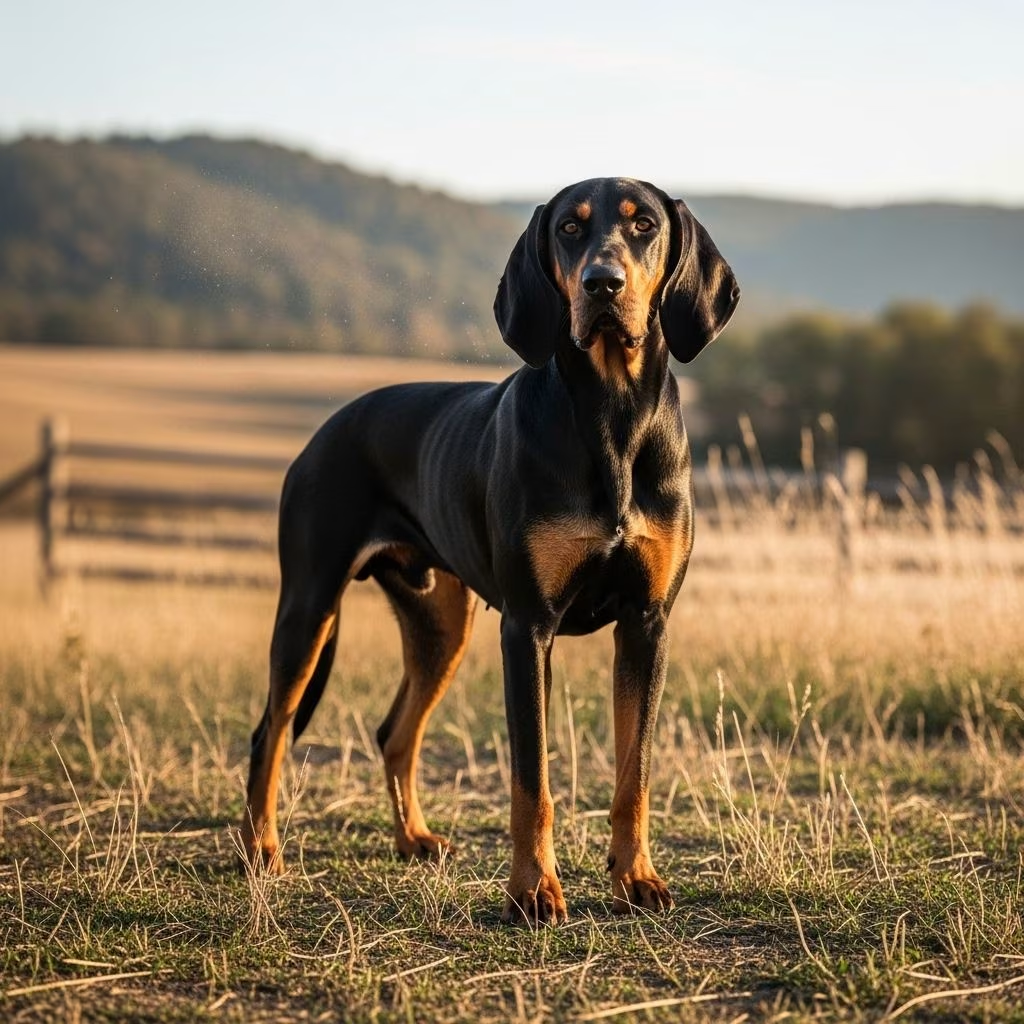
Striking in both structure and appearance, the Black and Tan Coonhound radiates athleticism and classic hound appeal. Their size, musculature, and signature coloring make them instantly identifiable among the hunting and companion dog communities alike.
| Characteristic | Description |
|---|---|
| Height | 23–27 inches (males), 21–25 inches (females) |
| Weight | 65–100 pounds (males), 40–65 pounds (females) |
| Coat & Color | Short, dense, and glossy; always black with rich tan ‘pumpkin seed’ markings above the expressive eyes and on the muzzle and legs |
| Distinctive Features | Long, velvety ears; sturdy, athletic body; pronounced dewlap; expressive, deep-set eyes |
| Lifespan | 10–12 years |
- Howl & Voice: The breed’s trademark call is a deep, resonant, baying howl—a trait invaluable during hunts and a recognizable signature for any owner.
Temperament and Personality
The Black and Tan Coonhound is celebrated for its combination of friendly, easygoing, and sociable disposition. While bred for tenacity and independence in the field, these dogs reveal a notable warmth, making them excellent family companions.
- Companionship: They are happiest in the company of humans or other dogs, preferring not to be left alone for extended periods.
- Loyalty: Incredibly devoted and affectionate, they create deep bonds with their families.
- Intelligence: Black and Tans are bright and eager, yet possess a streak of independence that can come across as stubbornness during training.
- Calm Indoors, Energetic Outdoors: While they retain the energy required for tracking miles of woodland trail, they become mellow and restful at home.
- Vocal Nature: Expect the distinctive baying voice, especially when alerting their family to unusual happenings.
Living with a Black and Tan Coonhound
Whether as a family pet or a specialized hunter, the Black and Tan Coonhound thrives on interaction, activity, and purposeful work. They appreciate structured environments where both mental and physical energy can be channeled constructively.
- Family Suitability: Their friendly attitude and calm nature indoors make them suitable for families with children. However, supervision is always recommended, especially with smaller children.
- Other Pets: Generally gets along well with other dogs; early socialization is vital.
- Space Needs: Best suited to homes with ample space to roam or securely fenced yards. Apartments may be challenging unless daily exercise requirements are met.
- Watchdog Ability: Naturally protective and alert, they make vigilant watchdogs, though not aggressive by default.
Activity and Exercise Requirements
The breed’s hunting heritage means these dogs are highly energetic and require substantial daily exercise. Failing to provide mental and physical stimulation can lead to boredom-related behaviors, such as nuisance barking or digging.
- Daily Walks: At least one hour of vigorous walking, running, or playtime per day is essential.
- Exploration: An excellent companion for hiking, tracking games, or fieldwork. Allowing controlled scent-tracking exercises enriches their lives.
- Mental Engagement: Scent games, puzzle toys, and basic obedience tasks can help satisfy their independent minds.
Training and Socialization
Training the Black and Tan Coonhound is both rewarding and sometimes challenging due to their blend of intelligence and independence. Successful training demands consistency, patience, and positive reinforcement.
- Early Socialization: Introduce puppies to diverse people, pets, and environments to foster confidence and adaptability.
- Firm Yet Gentle Handling: Their independent streak reflects mental sharpness. A calm, encouraging owner will get the best results.
- Recall Challenges: Due to their strong prey drive, off-leash recall can be unreliable; ensure secure areas for free exercise.
- Consistency: Establish clear rules and routines for optimal behavior.
Grooming and Care
The Black and Tan Coonhound’s short, dense coat makes grooming relatively straightforward. With regular attention to basic routines, they remain healthy and comfortable year-round.
- Brushing: Weekly brushing with a rubber grooming mitt or hound glove helps control shedding and maintains coat health.
- Bathing: Only occasional bathing is needed, unless their outdoor adventures dictate otherwise.
- Ear Care: Long, drooping ears are prone to gathering dirt and moisture—check and clean regularly to prevent infections.
- Nail Trimming: Keep nails short to avoid discomfort and mobility problems.
- Dental Hygiene: Weekly tooth brushing is ideal for overall health.
Health and Lifespan
This breed is regarded as generally healthy but, like all purebred dogs, is susceptible to certain inherited conditions. Responsible breeding and regular veterinary care can help ensure a long, healthy life.
- Common Health Concerns:
- Hip dysplasia
- Ear infections (due to long ears)
- Eye conditions, such as ectropion
- Occasional bloat
- Lifespan: 10–12 years is typical for the breed.
- Regular Vet Visits: Annual checkups, up-to-date vaccinations, and proactive screenings are essential.
Fun Facts about the Black and Tan Coonhound
- They can follow scent trails for miles—even when the trail is ‘cold’ or hours old, thanks to their “cold nose” stemming from Bloodhound ancestry.
- Their howl is so distinct that individual dogs can be recognized by voice alone.
- Black and Tan Coonhounds are one of only a handful of breeds truly indigenous to the United States.
- The breed’s tan ‘pumpkin seed’ eyebrows add to its expressive, soulful appearance.
- Equally famous for their prowess on the hunt as for their loveable, snoozy presence at home.
Is the Black and Tan Coonhound Right for You?
You may be the perfect match for a Black and Tan Coonhound if you seek an athletic companion willing to accompany you on outdoor adventures, enjoy a loyal dog who becomes an integral part of the family, and have the time and patience required for training and exercise. They are particularly well-suited for:
- Active individuals or families
- Rural or suburban homes with lots of space
- Owners with an interest in tracking, field work, or scent sports
- Those comfortable managing a vocal, large dog breed
Potential owners should carefully consider the breed’s need for interaction and exercise. Boredom, loneliness, or lack of engagement can lead to undesirable behaviors. However, for those capable of meeting their needs, Black and Tan Coonhounds offer unyielding loyalty, charm, and companionship like no other.
Frequently Asked Questions (FAQs)
Q: Are Black and Tan Coonhounds good family dogs?
A: Yes, they are known for being affectionate, gentle, and especially tolerant with children when properly socialized. Their easygoing attitude makes them a great fit for families.
Q: How much exercise does a Black and Tan Coonhound need?
A: Substantial daily exercise—at least one hour of active engagement and mental stimulation—is required to keep them healthy and happy.
Q: Do they get along with other pets?
A: Generally yes, especially with proper socialization. Their hunting instincts do mean smaller pets should be introduced carefully and watched closely.
Q: What is their grooming routine?
A: Routine includes weekly brushing, regular ear cleaning, nail trimming, and occasional baths.
Q: Are they noisy?
A: Their deep, baying howls are a breed hallmark, especially when working or excited. They are not suited for apartment dwellers who are sensitive to vocal dogs.
Q: Is this breed difficult to train?
A: They are smart but independent and sometimes stubborn, requiring patient and positive training methods.
Conclusion
The Black and Tan Coonhound undeniably remains an iconic symbol of American canine mastery, blending formidable tracking ability with a surprisingly gentle temperament. Whether you’re seeking a cooperative hunting partner or a new addition to your family, this breed provides an immersive, multifaceted companion experience—provided you can meet their exercise and social needs. The Black and Tan Coonhound continues to prove that American heritage, when paired with loyalty and love, is a breed apart.
References
- https://www.akc.org/dog-breeds/black-and-tan-coonhound/
- https://www.akc.org/expert-advice/dog-breeds/fun-facts-black-and-tan-coonhound/
- https://www.akc.org/expert-advice/dog-breeds/black-tan-coonhound-right-for-you/
- https://bark.co/blogs/breeds/black-and-tan-coonhound-breed-information
- https://www.orvis.com/black-and-tan-coonhound.html