Introduction to the Swedish Lapphund
\n
The Swedish Lapphund is one of the oldest native Swedish breeds, tracing its lineage back to ancient times and retaining a strong connection to the indigenous Sami people of Lappland. Recognized for its herding abilities, playful disposition, and weather-resistant coat, the Lapphund has transitioned from a working companion of reindeer herders to a beloved family dog. The American Kennel Club (AKC) describes it as lively, alert, kind, and affectionate—a versatile and easy-to-train breed.
\n\n
Breed Origin and History
\n
The Swedish Lapphund is considered one of the most ancient breeds in Scandinavia, with roots that predate written records. Initially, these dogs were integral to the Sami people, serving as hunting, herding, and guarding dogs in the harsh northern climates. Their primary role was to herd and guard reindeer, a tradition that shaped their intelligence, endurance, and independence.
\n\n
The breed was first officially recognized by the Swedish Kennel Club in 1903, with recognition by the Federation Cynologique Internationale (FCI) in 1944 and the AKC in 2007. Despite their long history, Swedish Lapphunds remain rare outside of Scandinavia.
\n\n
Physical Characteristics
\n
| Breed Standard | Description |
|---|---|
| Breed Group | Foundation Stock Service (AKC) |
| Height | 16–20 inches (43–48 cm) |
| Weight | 30–45 lbs (14–20 kg) |
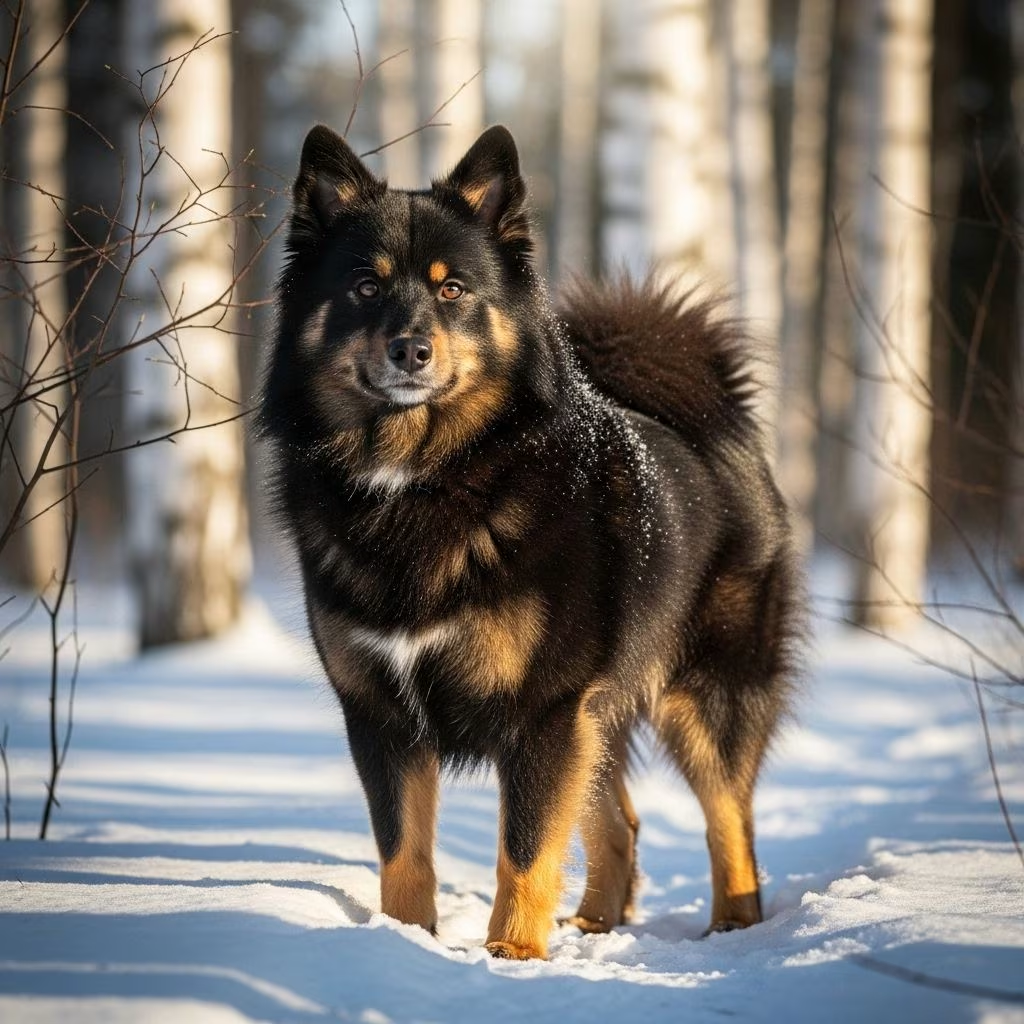
| Coat | Thick, double, weather-resistant, comes in black, bear-brown, or black and liver with white markings on chest, feet, and tail tip. |
| Eyes | Large, round, and expressive, typically dark brown |
| Ears | Triangular, pricked, and mobile |
| Tail | High set, bushy, curled over the back |
\n\n
The Swedish Lapphund is a spitz-type dog, slightly less than medium size, with a rectangular body, proud head carriage, and strong, muscular legs. The coat is profuse, with a dense undercoat and straight outercoat, ideal for withstanding frigid temperatures.
\n\n
Temperament and Personality
\n
Swedish Lapphunds are known for their lively, alert, and affectionate personalities. They are highly sociable, forming strong bonds with their families and enjoying participation in all activities.
\n\n
- \n
- Friendly and outgoing: Lappies are generally good with children, other pets, and strangers, making them excellent family companions.
- Intelligent and trainable: Their herding heritage gives them keen intelligence, willingness to work, and adaptability to various dog sports.
- Alert and protective: As natural watchdogs, they are quick to alert their owners to unfamiliar sights or sounds, though they are not aggressive.
- Energetic and playful: Regular exercise and mental stimulation are important to prevent boredom and maintain good behavior.
\n
\n
\n
\n
\n\n
Health and Lifespan
\n
Swedish Lapphunds are generally healthy with a lifespan of 12–14 years.
\n\n
- \n
- Common health issues: The breed can be prone to hip dysplasia and progressive retinal atrophy (PRA). Regular veterinary check-ups are important for early detection and management of these conditions.
- Living conditions: They adapt well to various climates due to their weather-resistant coat but are happiest in cooler environments. Extra precautions—such as shade and hydration—are necessary in hot weather.
- Diet and nutrition: A balanced diet appropriate for medium-sized dogs with moderate energy requirements is recommended.
- Exercise needs: Daily walks, play sessions, and participation in dog sports are ideal to fulfill their need for physical and mental stimulation.
\n
\n
\n
\n
\n\n
Care and Grooming
\n
The Swedish Lapphund’s thick double coat requires regular maintenance:
\n\n
- \n
- Brushing: Weekly brushing helps to remove loose hair and prevent matting. During shedding seasons, daily brushing may be necessary.
- Bathing: Bathing should be done occasionally, as needed, using a mild dog shampoo.
- Ear care: Regular inspection and cleaning of the ears are essential to prevent infections.
- Nail trimming: Routine nail trims help prevent discomfort and overgrowth.
- Dental care: Daily brushing and regular veterinary dental check-ups support good oral health.
\n
\n
\n
\n
\n
\n\n
Training and Socialization
\n
Swedish Lapphunds respond well to positive reinforcement training. Their eagerness to please and intelligence make them suitable for obedience, agility, herding, and tracking activities.
\n\n
- \n
- Early socialization: Exposure to various people, animals, and environments from a young age will foster a well-rounded adult dog.
- Obedience training: Consistent, reward-based training will curb any tendencies to bark excessively and reinforce desirable behaviors.
- Mental stimulation: Puzzle toys, interactive games, and learning new tricks keep the Lappie mentally engaged.
\n
\n
\n
\n\n
Suitability as a Family Pet
\n
Swedish Lapphunds excel in family environments:
\n\n
- \n
- With children: Their friendly, tolerant nature makes them great with kids, though supervision is always recommended.
- With other pets: Early socialization helps them get along with other dogs and even cat-savvy individuals.
- For active families: Their energy and zest for life make them a good match for families who enjoy outdoor activities.
- For apartment living: They can adapt to apartment living if given sufficient exercise and mental stimulation.
\n
\n
\n
\n
\n\n
Breed Recognition and Events
\n
The Swedish Lapphund is recognized by the AKC in the Foundation Stock Service, as well as the UKC and FCI. Although rare in the United States, enthusiasts can find these dogs at specialty events and through responsible breeders.
\n\n
Frequently Asked Questions
\n\n
Q: Are Swedish Lapphunds good family dogs?
\n
A: Yes, Swedish Lapphunds are known for their kind and affectionate nature, making them excellent companions for families with children and other pets.
\n\n
Q: How much exercise does a Swedish Lapphund need?
\n
A: They require daily exercise, including walks, play sessions, and mental stimulation. Without sufficient activity, they may become bored and develop undesirable behaviors.
\n\n
Q: Are Swedish Lapphunds good watchdogs?
\n
A: Yes, they are alert and will bark to alert their owners of strangers or unusual activity, but they are not aggressive.
\n\n
Q: Are Swedish Lapphunds easy to train?
\n
A: Yes, their intelligence and willingness to please make them responsive to consistent, positive training methods.
\n\n
Q: What health issues are common in Swedish Lapphunds?
\n
A: The breed may be prone to hip dysplasia and progressive retinal atrophy (PRA); regular veterinary care is important for early detection.
\n\n
Q: Do Swedish Lapphunds require a lot of grooming?
\n
A: Their thick double coat requires regular brushing, especially during shedding seasons. Occasional baths and routine ear, nail, and dental care are also recommended.
\n\n
Q: How rare is the Swedish Lapphund in the United States?
\n
A: The Swedish Lapphund is still rare in the U.S. but can be found through specialty breeders and breed clubs.
\n\n
Conclusion
\n
The Swedish Lapphund is a versatile, affectionate, and hardworking breed, deeply rooted in Scandinavian history. Their temperament, intelligence, and adaptability make them excellent family pets and companions for active owners. With proper care, training, and socialization, the Swedish Lapphund can thrive in a variety of living situations, bringing joy and energy to their families. If you’re seeking a loyal, energetic, and beautifully coated spitz breed with a rich heritage, the Swedish Lapphund is a rewarding choice.
\n\n
For more information about the Swedish Lapphund or to find a breeder, visit the American Kennel Club’s breed resources or reach out to breeders involved in breed preservation and responsible breeding practices.
References
- https://www.akc.org/dog-breeds/swedish-lapphund/
- https://www.swedishlapphundclub.com/breed-standard
- https://www.petful.com/dog-breeds/breed-profile-swedish-lapphund/
- https://www.wisdompanel.com/en-us/dog-breeds/swedish-lapphund
- https://www.ukcdogs.com/swedish-lapphund
- https://wagwalking.com/breed/swedish-lapphund
- https://www.dogbreedinfo.com/s/swedishlapphund.htm