The Spinone Italiano represents one of Italy’s most treasured contributions to the world of sporting dogs. This densely-coated hunting dog combines a robust, powerful build with a remarkably gentle and sociable temperament. Known for being docile, patient, and occasionally stubborn yet always endearing, the Spinone has captured the hearts of hunters and families alike for centuries. With its distinctive wiry coat, expressive bearded face, and loyal nature, this breed stands out as both an exceptional working dog and a devoted companion.
About the Breed
The Spinone Italiano is a large, rugged hunting dog that embodies strength, stamina, and versatility. This ancient Italian breed was developed to work in all types of terrain and weather conditions, from marshlands to mountainous regions. Standing between 22 to 27 inches tall at the shoulder and weighing approximately 60 to 85 pounds, the Spinone presents a substantial yet balanced appearance. Males typically measure larger than females, with heights ranging from 23.5 to 27.5 inches compared to females at 22 to 25.5 inches.
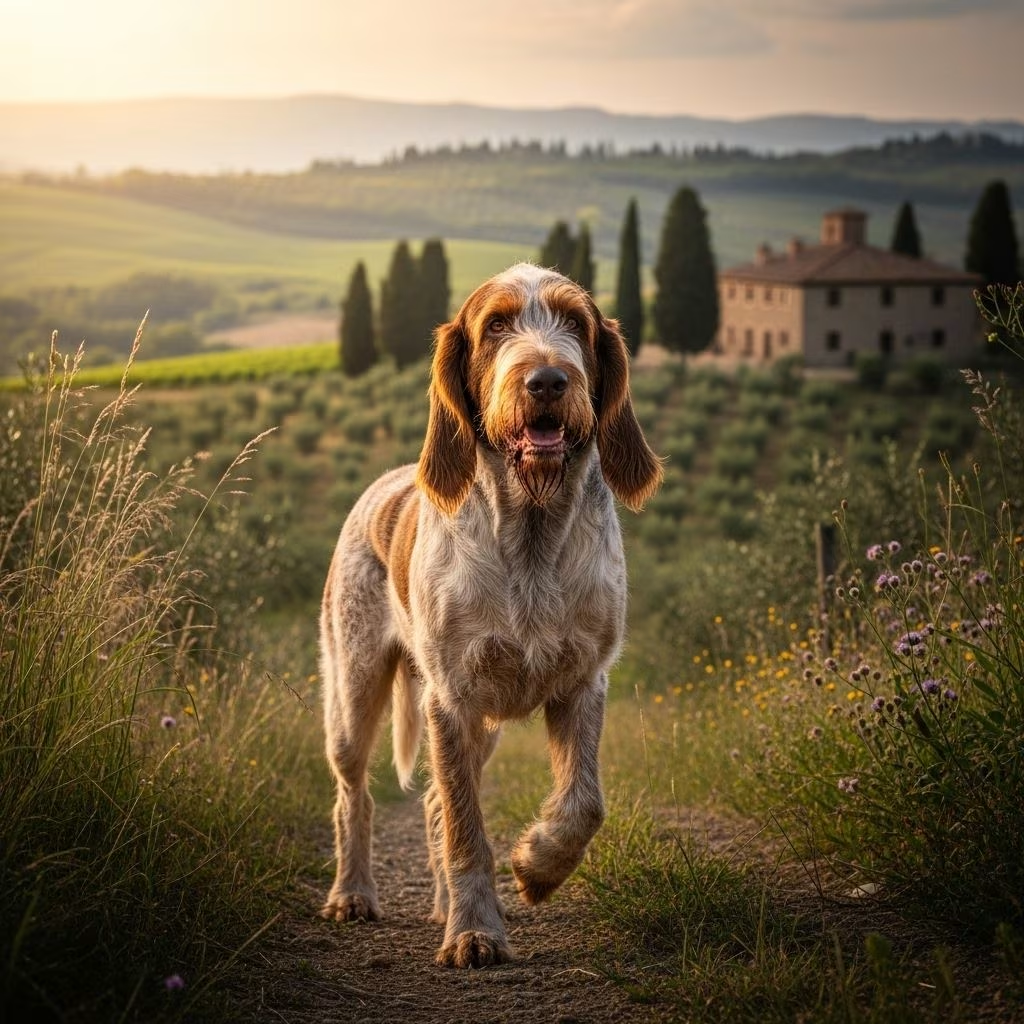
What immediately distinguishes the Spinone is its rough, thick coat that provides protection against harsh weather and dense vegetation. The breed’s facial features are particularly striking, with bushy eyebrows framing soulful dark eyes, complemented by a thick mustache and beard that give the dog a wise, almost human-like expression. This characteristic appearance, combined with the breed’s square build where body length approximates height at the withers, creates a dog that is both functional and distinctive.
The Spinone’s coat comes in several attractive color variations, including solid white, white with orange markings or speckling, white with chestnut brown markings, and brown or orange roan patterns. The preferred shade of brown, known traditionally as tonaca di frate or “Friar’s frock,” represents a lighter, more reddish chestnut than the liver color seen in some other pointing breeds. This thick, wiry coat measures approximately 1.5 to 2.5 inches in length across most of the body, becoming shorter on the head, feet, and front portions of the legs.
History and Origin
The Spinone Italiano boasts a lineage stretching back centuries in Italian history. As one of Europe’s oldest pointing breeds, the Spinone developed in the Piedmont region of northwestern Italy, where it was prized for its ability to work across varied and challenging terrain. The breed’s name derives from the Italian word “pino,” referring to thorny bushes, or “spinoso,” meaning thorny, reflecting the dog’s remarkable ability to push through dense underbrush without hesitation.
Historical evidence suggests the Spinone may have descended from ancient rough-coated hunting dogs brought to Italy during the Roman Empire. Over generations, Italian hunters refined the breed to create a versatile gundog capable of pointing, retrieving, and working both on land and in water. Unlike some specialized hunting breeds, the Spinone was developed as an all-purpose hunting companion, equally adept at tracking game birds in uplands, retrieving waterfowl from cold water, and working methodically through difficult terrain.
The breed faced near extinction following World War II, when much of Italy’s agricultural landscape and hunting traditions were disrupted. Dedicated Italian breeders worked tirelessly to preserve the Spinone, carefully rebuilding the population while maintaining the breed’s essential working characteristics and gentle temperament. Today, while still relatively rare compared to more common sporting breeds, the Spinone has gained recognition worldwide and maintains a devoted following among those who appreciate its unique combination of hunting ability and companionable nature.
Temperament and Personality
The Spinone Italiano’s temperament represents perhaps its most endearing quality. This breed is renowned for being exceptionally patient, docile, and sociable, making it an outstanding choice for families with children. Despite their substantial size and hunting heritage, Spinoni display a gentle, almost thoughtful demeanor that sets them apart from more intense sporting breeds. They form deep bonds with their human family members and genuinely enjoy being included in daily activities, whether at home or traveling.
In the field, the Spinone transforms into a serious, focused hunting companion with remarkable stamina and determination. However, at home, this breed reveals a distinctly clownish side that frequently entertains their families. Spinoni are known for their expressive faces and somewhat comical movements, often bringing smiles to those around them. This dual nature—serious worker and playful companion—makes the breed particularly appealing to active families who want both a capable sporting dog and an affectionate pet.
The breed’s intelligence is notable, though it sometimes manifests as a stubborn streak. Spinoni are thinking dogs who may pause to consider commands rather than responding with immediate obedience. This independent thinking served them well as hunting dogs required to make decisions in the field, but it means training requires patience and consistency. They respond best to positive reinforcement methods and form stronger bonds with handlers who treat them as valued partners rather than mere subordinates.
Sociability defines the Spinone’s interactions with both people and other animals. They typically welcome strangers with friendly enthusiasm rather than suspicion, making them poor guard dogs but excellent family companions. Most Spinoni get along well with other dogs and can coexist peacefully with other household pets when properly socialized. Their patience with children is legendary, though their large size means supervision is always recommended during interactions with very young children.
Care and Maintenance
Exercise Requirements: The Spinone Italiano is an active breed that requires substantial daily exercise to maintain physical health and mental well-being. These dogs were bred to work all day in the field, and they retain considerable stamina and energy. A minimum of one to two hours of vigorous exercise daily is essential, ideally including activities that engage both body and mind. Long walks, jogging, swimming, and interactive play sessions all contribute to meeting the Spinone’s exercise needs.
Mental stimulation proves equally important for this intelligent breed. Without adequate physical and mental engagement, Spinoni may develop destructive behaviors or become overly vocal. Activities like scent work, retrieving games, and puzzle toys help keep the breed mentally satisfied. Many Spinone owners find that their dogs excel in various dog sports, including tracking, hunt tests, and agility, which provide excellent outlets for the breed’s natural abilities and energy.
Grooming Needs: Despite their rough, dense coat, Spinoni are relatively low-maintenance in terms of grooming compared to some other wire-haired breeds. The coat requires brushing several times weekly to prevent matting and remove dead hair. Unlike some wire-coated breeds, the Spinone typically does not require professional stripping, though some owners choose to have the coat hand-stripped to maintain optimal texture and appearance.
Special attention should be paid to the facial furnishings, as the beard and mustache can collect food and water, requiring daily cleaning to prevent odor and skin issues. Many Spinoni are notorious droolers and sloppy drinkers, so keeping a towel handy becomes part of daily life with the breed. Regular ear checks and cleaning are essential, as the breed’s pendant ears can trap moisture and debris. Nail trimming, teeth brushing, and routine eye care round out the grooming routine.
Living Environment: While adaptable, the Spinone Italiano thrives best in homes with access to secure outdoor space. A large, fenced yard provides ideal opportunities for the breed to move freely and burn energy. That said, the Spinone is very much a people-oriented dog that wants to be included in family life. They should not be relegated to outdoor-only living, as they form strong bonds with their families and require regular interaction and companionship.
The breed can adapt to various climates thanks to its protective coat, though extreme heat requires special consideration due to their size and coat density. In colder weather, the Spinone’s coat provides natural insulation, and many individuals readily enter cold water without hesitation. Indoor living space should accommodate the breed’s large size, with comfortable areas for rest and relaxation after active periods.
Training and Behavior
Training a Spinone Italiano requires understanding the breed’s intelligent yet somewhat independent nature. These dogs are highly trainable but respond best to positive reinforcement methods that respect their thinking nature. Harsh corrections or heavy-handed training approaches typically backfire with this sensitive breed, potentially damaging the trust bond and leading to stubborn resistance.
Early socialization is crucial for developing a well-rounded adult Spinone. Exposure to various people, places, sounds, and experiences during puppyhood helps ensure the dog develops into a confident, adaptable companion. Puppy kindergarten classes provide excellent opportunities for both socialization and foundational training in a controlled environment.
Basic obedience training should begin early, establishing clear expectations and boundaries while the dog is still young and manageable. The Spinone’s natural desire to please, combined with their intelligence, means they can learn complex commands and behaviors. However, their thinking nature means they may not always choose immediate obedience, particularly if they perceive a more interesting option available. Consistency in training and expectations helps minimize this tendency.
For those interested in hunting with their Spinone, the breed typically requires less intensive training than some other pointing breeds, as many hunting instincts come naturally. However, refining these natural abilities and ensuring reliable performance in the field still demands dedicated training. Many Spinone owners find working with professional trainers experienced in versatile hunting dogs helps bring out the best in their dog’s natural abilities.
Health Considerations
The Spinone Italiano is generally a healthy breed with a life expectancy of approximately 10 to 12 years. Recent studies indicate an average lifespan of 11.9 years, which is respectable for a large breed dog. However, like all purebred dogs, the Spinone is susceptible to certain health conditions that prospective owners should understand.
Hip Dysplasia: This developmental condition affects the hip joint and can lead to arthritis and mobility issues. Responsible breeders screen breeding stock for hip dysplasia using radiographic evaluation. Maintaining appropriate weight and providing moderate, regular exercise helps minimize the impact of this condition.
Cerebellar Abiotrophy: This neurological disorder has been identified in the breed and causes progressive degeneration of the cerebellum, the part of the brain responsible for coordination and balance. Symptoms typically appear in young dogs and progressively worsen over time. Genetic testing can identify carriers, helping breeders make informed breeding decisions.
Idiopathic Epilepsy: Some Spinoni develop seizure disorders with no identifiable underlying cause. While epilepsy can often be managed with medication, it represents a significant health concern within the breed. Working with experienced veterinarians and following prescribed treatment protocols helps affected dogs maintain good quality of life.
Bloat (Gastric Dilatation-Volvulus): Like many large, deep-chested breeds, the Spinone faces increased risk of bloat, a life-threatening condition where the stomach fills with gas and potentially twists. Feeding smaller meals multiple times daily, avoiding vigorous exercise immediately after eating, and using raised food bowls may help reduce risk. Owners should familiarize themselves with symptoms and seek immediate veterinary care if bloat is suspected.
Regular veterinary check-ups, appropriate vaccinations, parasite prevention, and dental care all contribute to maintaining the Spinone’s health throughout life. Prospective owners should seek puppies from health-tested parents and maintain ongoing communication with their breeder regarding any health issues that arise.
Nutrition and Feeding
Proper nutrition plays a vital role in maintaining the Spinone Italiano’s health, energy levels, and coat quality. As a large, active breed, the Spinone requires a high-quality diet formulated for large-breed dogs. The specific amount fed depends on the individual dog’s age, size, activity level, and metabolism, but most adult Spinoni consume approximately 3 to 4 cups of premium dry food daily, divided into two meals.
Puppies require specially formulated large-breed puppy food that supports steady, controlled growth. Rapid growth in large breeds can contribute to developmental orthopedic problems, so maintaining appropriate body condition during the growth phase is essential. Following breeder and veterinarian recommendations regarding feeding amounts and transitioning to adult food helps ensure proper development.
Weight management deserves particular attention in the Spinone, as excess weight places additional stress on joints and increases the risk of various health problems. The breed should maintain a lean, athletic build with ribs easily felt beneath a thin layer of fat. Adjusting food amounts based on the dog’s body condition and activity level helps prevent obesity.
Some Spinoni benefit from supplements that support joint health, particularly as they age. Glucosamine and chondroitin supplements may help maintain cartilage health and joint function. Omega-3 fatty acids from fish oil can support coat quality and overall health. Always consult with a veterinarian before adding supplements to ensure they’re appropriate for your individual dog.
Is the Spinone Italiano Right for You?
The Spinone Italiano makes an exceptional companion for the right household, but this breed isn’t suitable for everyone. Active individuals or families who can provide ample exercise and include their dog in daily activities will find the Spinone a wonderfully rewarding companion. The breed’s patient, gentle nature makes it particularly well-suited to families with children, while its sociable temperament appeals to those who enjoy sharing their lives with a truly devoted dog.
However, prospective owners must realistically assess their ability to meet the breed’s needs. The Spinone requires significant time investment in exercise, training, and companionship. Those with limited time for daily activities with their dog, or who prefer a more independent pet, should consider other breeds. The Spinone’s size alone requires adequate space and resources, from larger food budgets to appropriately sized vehicles for transportation.
The breed’s grooming needs, while not extreme, do require regular attention. Prospective owners should be prepared for some drool and messiness, particularly around water and food bowls. The Spinone’s coat also brings in outdoor debris, meaning extra housekeeping may be necessary. Those with high standards for household cleanliness might find the breed challenging.
Hunters seeking a versatile, methodical working dog will find much to appreciate in the Spinone. The breed excels at various hunting tasks and works with steady determination rather than frenetic intensity. However, the Spinone’s slower pace and thinking nature mean it differs significantly from high-energy pointers like English Pointers or German Shorthaired Pointers. Understanding these differences helps ensure alignment between handler expectations and breed characteristics.
Finding a Spinone Italiano
Due to the breed’s relative rarity, finding a well-bred Spinone Italiano puppy requires patience and research. Connecting with the Spinone Club of America provides access to breeder referrals and resources for learning more about the breed. Attending dog shows where Spinoni are exhibited offers opportunities to meet breeders, see quality examples of the breed, and ask questions about living with these dogs.
Responsible breeders health-test their breeding stock, provide proper socialization for puppies, and remain available as resources throughout the dog’s life. They ask prospective buyers detailed questions to ensure good matches between puppies and homes. Be prepared for potential waiting lists, as conscientious breeders typically produce limited litters with specific breeding goals in mind.
While less common than purchasing from breeders, Spinone rescue organizations occasionally have adult dogs available for adoption. Adult rescue dogs may be excellent options for those unable to manage puppy challenges or who prefer a dog with a known personality. Rescue organizations typically assess dogs carefully and work to match them with appropriate homes.
Frequently Asked Questions
Q: Are Spinone Italianos good family dogs?
A: Yes, Spinone Italianos are excellent family dogs known for their patient, gentle nature with children. They form strong bonds with family members and thrive when included in daily activities. Their sociable temperament and tolerance make them particularly well-suited to active families who can provide adequate exercise and attention.
Q: How much exercise does a Spinone Italiano need?
A: Spinone Italianos require substantial daily exercise, typically one to two hours of vigorous activity. This should include physical exercise like walks, swimming, or retrieving games, as well as mental stimulation through training or puzzle activities. The breed was developed for all-day hunting work and retains considerable stamina.
Q: Do Spinone Italianos shed a lot?
A: Spinone Italianos shed moderately throughout the year. Their rough, wiry coat requires regular brushing several times weekly to remove dead hair and prevent matting. While not considered a heavy-shedding breed, they do require consistent grooming attention to maintain coat health and minimize loose hair in the home.
Q: Are Spinone Italianos easy to train?
A: Spinone Italianos are intelligent and trainable but can show an independent, thinking nature. They respond best to positive reinforcement training methods and may be less immediately obedient than some other sporting breeds. Patience, consistency, and respecting their thoughtful nature yields the best training results.
Q: Can Spinone Italianos live in apartments?
A: While adaptable, Spinone Italianos are best suited to homes with access to secure outdoor space due to their size and exercise requirements. They can adjust to apartment living if provided with adequate daily exercise and mental stimulation, but a house with a fenced yard is ideal for meeting their needs.
Q: Do Spinone Italianos get along with other pets?
A: Spinone Italianos typically get along well with other dogs and can coexist peacefully with other household pets when properly socialized. Their patient, sociable nature generally makes them good companions for other animals, though their hunting instincts mean early socialization with small pets is important.
Q: How long do Spinone Italianos typically live?
A: Spinone Italianos have an average lifespan of 10 to 12 years, with recent studies indicating an average of 11.9 years. Providing proper nutrition, regular veterinary care, appropriate exercise, and maintaining healthy weight can help maximize lifespan and quality of life.
References
- https://www.akc.org/dog-breeds/spinone-italiano/
- https://en.wikipedia.org/wiki/Spinone_Italiano
- https://www.purina.co.uk/find-a-pet/dog-breeds/italian-spinone
- https://www.dogbreedinfo.com/spinone.htm
- https://www.orvis.com/spinone-italiano.html
- https://www.webmd.com/pets/dogs/what-to-know-about-a-spinone-italiano
- https://projectupland.com/dogs/spinone-italiano-dog-breed-history-and-profile/
- https://dogtime.com/dog-breeds/spinone-italiano
- https://www.ukcdogs.com/spinone-italiano