Choosing the right dog for your family is one of the most important decisions you’ll make as a pet owner. The ideal family dog should be gentle, patient, tolerant of children, and adaptable to your household’s lifestyle. Whether you live in a spacious home with a large backyard or a cozy apartment, there’s a perfect canine companion waiting to join your family. Understanding different breed characteristics, temperaments, and care requirements will help you make an informed decision that benefits both your family and your future four-legged friend.
The American Kennel Club recognizes numerous breeds that excel as family companions, each bringing unique qualities to the household. From energetic sporting dogs that thrive on outdoor activities to gentle giants that provide protective companionship, family-friendly breeds come in all shapes and sizes. The key is matching a dog’s natural tendencies and energy levels with your family’s lifestyle, activity preferences, and living situation.
What Makes a Great Family Dog
The best family dogs share several essential characteristics that make them suitable for households with children. Temperament stands as the most crucial factor—ideal family dogs display patience, gentleness, and a stable disposition. They should be tolerant of the unpredictable behavior of young children, including sudden movements, loud noises, and enthusiastic affection. A good family dog remains calm in various situations and doesn’t react fearfully or aggressively to new experiences.
Trainability is another vital characteristic. Families benefit greatly from dogs that are eager to please and respond well to positive reinforcement training. Intelligent breeds that enjoy learning new commands and tricks make excellent companions because they can be taught appropriate behavior around children and visitors. The most trainable family dogs are highly tolerant of physical affection, enjoy being cuddled by small children, and take little time to settle into new routines.
Energy level must align with your family’s activity preferences. Active families who enjoy hiking, running, and outdoor adventures will appreciate high-energy breeds that can keep pace with their lifestyle. Conversely, families preferring quieter activities may find moderate to low-energy dogs more suitable. The right match ensures both the dog’s exercise needs are met and the family isn’t overwhelmed by constant demands for physical activity.
Size considerations play a significant role in determining the best fit for your household. While large breeds can be wonderfully gentle with children, their size requires careful supervision around toddlers to prevent accidental knocks. Smaller breeds may be more fragile and require older children who understand how to handle them gently. Medium-sized dogs often provide the perfect balance, being sturdy enough to handle enthusiastic play while remaining manageable in size.
Top Large Family Dog Breeds
Large dog breeds often make exceptional family companions, combining protective instincts with gentle temperaments. These substantial dogs typically display remarkable patience with children and provide a sense of security for the entire household.
Labrador Retriever
The Labrador Retriever consistently ranks among the most popular family dogs in America, and for excellent reasons. These friendly, outgoing dogs are known for their gentle nature and unwavering patience with children of all ages. Labs are highly intelligent and eager to please, making them exceptionally easy to train. Their playful personality means they’re always ready for a game of fetch, a swim, or a family hike. Labrador Retrievers adapt well to various living situations and get along beautifully with other pets. Their short, water-resistant coat requires minimal grooming, though they do shed seasonally. Labs need substantial daily exercise to maintain their physical and mental health, making them perfect for active families.
Golden Retriever
Golden Retrievers embody everything families seek in a canine companion. These beautiful dogs are renowned for their friendly temperament, intelligence, and adaptability. Goldens display extraordinary gentleness with children and naturally protective instincts without aggression. Their eagerness to please makes training a joy, whether for basic obedience or specialized roles like therapy work. Golden Retrievers thrive on family activities and excel in various dog sports including agility competitions, obedience trials, and swimming. They require regular grooming to maintain their luxurious coat and need consistent exercise to stay healthy and happy. These active dogs participate enthusiastically in family adventures while maintaining their characteristic calm demeanor indoors.
German Shepherd
German Shepherds combine intelligence, loyalty, and protective instincts to create outstanding family guardians. These versatile dogs are highly trainable and form deep bonds with family members, particularly children they’re raised alongside. German Shepherds are naturally alert and make excellent watchdogs while remaining gentle and patient with their family. Their intelligence allows them to learn complex commands quickly, and they excel in various roles from family companion to working dog. German Shepherds require consistent training, early socialization, and substantial daily exercise to channel their energy positively. Their moderate to high energy level suits active families who can provide both physical activity and mental stimulation.
Best Medium-Sized Family Dogs
Medium-sized breeds offer an ideal compromise for many families, providing the sturdiness to withstand active play while remaining manageable in size. These versatile dogs adapt well to various living situations and typically require moderate exercise and care.
Boxer
Boxers are exuberant, playful dogs that form incredibly strong bonds with their families, especially children. Known for their patience and protective nature, Boxers combine a fun-loving personality with natural guarding instincts. These muscular, athletic dogs maintain a puppy-like enthusiasm well into adulthood, making them entertaining family companions. Boxers are intelligent and respond well to training, though their energetic nature requires consistent exercise and mental stimulation. Their short coat needs minimal grooming, and their expressive faces and comical antics provide endless entertainment. Boxers thrive on human interaction and don’t do well when left alone for extended periods, making them ideal for families where someone is frequently home.
Beagle
The Beagle is a happy-go-lucky breed that brings joy and energy to any household. Originally bred as hunting dogs, Beagles are pack animals that naturally integrate well into family units. Their friendly, curious nature makes them excellent companions for children, and their sturdy build can handle rough play. Beagles are intelligent but can be independent, requiring patient, consistent training. Their moderate energy level means they enjoy daily walks and playtime but don’t require intense exercise. The Beagle’s short coat is easy to maintain, and their compact size makes them suitable for various living situations. These vocal dogs are known for their distinctive bay, which can be managed through training but remains part of their charming personality.
Bulldog
Bulldogs, with their distinctive appearance and gentle disposition, make wonderful family companions. Despite their somewhat fierce appearance, Bulldogs are exceptionally patient, friendly, and affectionate. They form strong attachments to children and are known for their tolerance and calm demeanor. Bulldogs have a low to moderate activity level, making them suitable for families preferring quieter lifestyles. Their compact, muscular build means they’re sturdy enough for play but don’t require extensive exercise. Bulldogs do need attention to their facial wrinkles and can have breathing issues due to their flat faces, requiring care in hot weather. Their laid-back personality and devotion to family make them excellent companions for households with children of all ages.
Small Family-Friendly Dog Breeds
Small dogs can make excellent family pets, particularly for families with older children who understand how to handle them gently. These compact companions often adapt well to apartment living and typically require less space for exercise.
Cavalier King Charles Spaniel
The Cavalier King Charles Spaniel combines beauty, grace, and an exceptionally gentle temperament. These affectionate dogs thrive on human companionship and are particularly patient with children. Cavaliers are adaptable, equally happy curling up on the couch or accompanying the family on outdoor adventures. Their friendly nature extends to other pets, making them excellent additions to multi-pet households. Cavaliers require regular grooming to maintain their silky coat and moderate daily exercise. Their small size and gentle disposition make them ideal for families with younger children, though supervision is always recommended.
French Bulldog
The French Bulldog has surged in popularity, becoming one of the most beloved companion dogs across America. Frenchies are playful, intelligent, and highly adaptable to various living situations. Their affectionate nature and patience with children make them excellent family dogs. French Bulldogs have a low to moderate activity level, requiring only short walks and play sessions. Their compact size and quiet nature suit apartment living perfectly. Families appreciate their well-behaved disposition and generally good compatibility with other dogs and young children. French Bulldogs need protection from extreme temperatures due to their flat faces and potential breathing issues, requiring careful monitoring during hot or cold weather. Their smooth coat is easy to maintain, though their facial wrinkles need regular cleaning.
Poodle
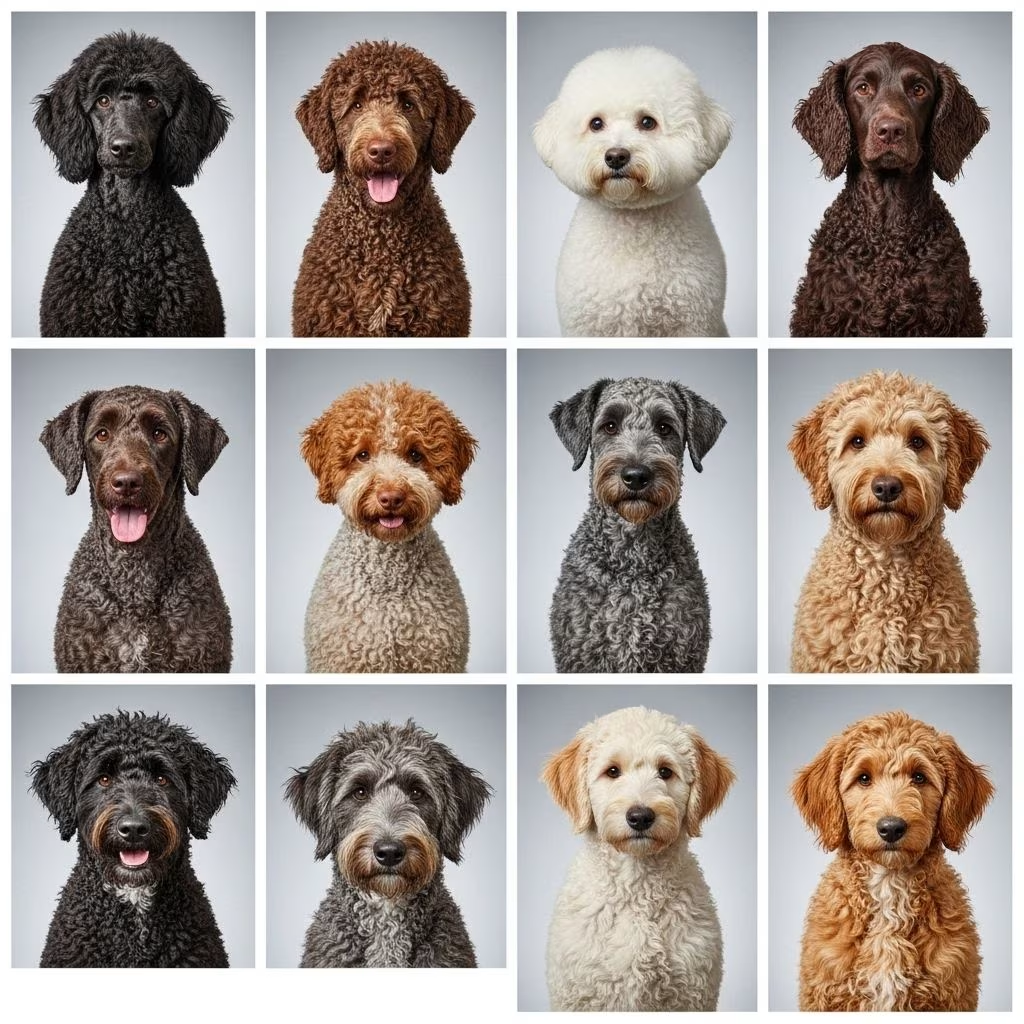
Poodles come in three sizes—standard, miniature, and toy—allowing families to choose the perfect fit for their household. All varieties share exceptional intelligence, making them among the most trainable family dogs. Poodles are active, elegant dogs with a playful side that children adore. Their hypoallergenic coat, which doesn’t shed, makes them suitable for families with allergies, though they require regular professional grooming. Poodles excel in various dog sports and activities, from agility to obedience competitions. Their versatility, combined with their friendly and patient nature, makes them outstanding family companions.
Protective Family Dog Breeds
Some families seek dogs that provide both companionship and protection. Several breeds naturally combine guardian instincts with family-friendly temperaments, offering security without sacrificing affection.
Rottweiler
Rottweilers are powerful, confident dogs that form deep, loyal bonds with their families. When properly trained and socialized, Rottweilers display remarkable gentleness with children while maintaining natural protective instincts. These intelligent dogs require consistent training from an early age and firm, fair leadership. Rottweilers need substantial daily exercise and mental stimulation to remain balanced and content. Their imposing presence provides excellent deterrence, yet they’re affectionate and playful with family members they trust.
Doberman Pinscher
Doberman Pinschers combine elegance, intelligence, and loyalty in a sleek, athletic package. These alert dogs are naturally protective of their families while remaining friendly and affectionate with those they know. Dobermans require consistent exercise and mental stimulation, thriving on having jobs to perform. Early socialization and positive training help manage their protective instincts appropriately. Their short coat requires minimal grooming, and their high energy level suits active families who can provide regular vigorous exercise.
Cane Corso
The Cane Corso has experienced remarkable growth in popularity, vaulting from near 50th to 14th in breed rankings over just a decade. These powerful, protective dogs are versatile and highly trainable, capable of learning numerous commands and skills. Cane Corsos can be excellent with children when socialized early and supervised carefully due to their large size and strength. They require experienced owners who can provide consistent training, substantial daily exercise, and firm but fair leadership. While they’re excellent guard dogs, Cane Corsos need proper socialization to ensure they’re well-adjusted family companions.
Active and Sporting Family Dogs
Sporting breeds were developed to work alongside hunters, giving them natural energy, intelligence, and desire to please. These characteristics translate beautifully into family life, especially for households that enjoy outdoor activities.
Irish Setter
Irish Setters bring beauty, energy, and enthusiasm to family life. These stunning red-coated dogs are known for their friendly, outgoing personalities and natural affinity for children. Irish Setters are playful and energetic, requiring substantial daily exercise to remain happy and well-behaved. Their intelligence and eagerness to please make training enjoyable, though their high energy can be challenging for first-time dog owners. Irish Setters thrive in active families who can provide the exercise and mental stimulation these athletic dogs require.
Bearded Collie
Bearded Collies are lively, intelligent herding dogs that adapt well to family life. These shaggy, charming dogs are known for their playful nature and natural gentleness with children. Bearded Collies are highly active and require regular exercise, making them perfect for families who enjoy outdoor activities. Their intelligence means they learn quickly, though their independent herding instincts require consistent training. The breed’s long, flowing coat needs regular grooming to prevent matting, but their affectionate, entertaining personality makes the extra effort worthwhile.
Mixed Breed and Designer Dogs for Families
Mixed breed dogs and designer hybrids have gained tremendous popularity among families seeking specific traits combined in unique ways. While the American Kennel Club doesn’t currently recognize designer breeds like Goldendoodles or Cavapoos, these crossbreeds often inherit desirable characteristics from both parent breeds.
Popular mixed breeds for families include Goldendoodles (Golden Retriever and Poodle crosses) that combine intelligence and hypoallergenic coats, Cavapoos (Cavalier King Charles Spaniel and Poodle) known for their gentle, affectionate nature, and various Labrador mixes that maintain the Lab’s friendly temperament while introducing other desirable traits. German Shepherd mixes, Poodle mixes, and Golden Retriever mixes also make excellent family companions, often inheriting the best qualities of their parent breeds.
When considering mixed breeds, remember that while you may get the best of both breeds, you might also face challenges from either parent breed. Research both parent breeds thoroughly and meet the puppy’s parents when possible to better predict adult temperament and size.
Choosing the Right Dog for Your Family
Selecting the perfect family dog requires careful consideration of multiple factors beyond simply choosing an attractive breed. Start by honestly assessing your family’s lifestyle, activity level, and living situation. Consider these important questions:
Space availability: Do you have a large yard or live in an apartment? Some breeds require outdoor space for exercise, while others adapt well to smaller living quarters with regular walks.
Time commitment: Can you dedicate time to daily exercise, training, and grooming? High-energy breeds need substantial physical activity, while some breeds require professional grooming every few weeks.
Children’s ages: Younger children need especially patient, gentle dogs, while older children can handle more energetic or sensitive breeds. Always supervise interactions between dogs and young children regardless of breed.
Allergies: If family members have allergies, consider hypoallergenic breeds like Poodles or breeds with minimal shedding.
Experience level: First-time dog owners should consider breeds known for being easy to train and forgiving of mistakes, while experienced owners might handle more challenging breeds successfully.
Training and Socialization for Family Dogs
Regardless of breed, all family dogs need proper training and socialization to become well-adjusted companions. Start training early, using positive reinforcement methods that reward good behavior rather than punishing mistakes. Basic obedience commands like sit, stay, come, and leave it are essential for safety and household harmony.
Socialization is equally important. Expose your puppy to various people, places, sounds, and experiences during their critical socialization period (approximately 3 to 14 weeks of age). This early exposure helps puppies develop confidence and prevents fearful or aggressive behavior later in life. Continue socialization throughout your dog’s life by introducing new experiences gradually and positively.
Teach children how to interact appropriately with dogs. Even the most patient, gentle dog has limits, and children must learn to recognize signs of stress or discomfort. Basic rules include never disturbing a dog while eating or sleeping, avoiding pulling ears or tails, and always asking permission before approaching unfamiliar dogs.
Health and Care Considerations
Different breeds have varying health considerations and care requirements. Research breed-specific health issues before making your decision. Larger breeds may be prone to hip dysplasia, while flat-faced breeds often experience breathing difficulties. Regular veterinary care, including vaccinations, parasite prevention, and annual check-ups, keeps your family dog healthy and happy.
Grooming needs vary significantly between breeds. Some dogs require professional grooming every few weeks, while others need only occasional brushing and bathing. Consider both the time commitment and cost associated with grooming when choosing your breed. Regular grooming isn’t just about appearance—it’s essential for skin health and provides opportunities to check for lumps, bumps, or other health concerns.
Exercise requirements differ dramatically between breeds. High-energy dogs like German Shepherds or Golden Retrievers need vigorous daily exercise, while breeds like Bulldogs or French Bulldogs require only moderate activity. Matching a dog’s exercise needs with your family’s activity level prevents behavioral problems that arise from boredom or excess energy.
Adoption Considerations
While purebred dogs from reputable breeders are wonderful companions, don’t overlook the many excellent family dogs available through rescue organizations and animal shelters. Mixed breed dogs often combine the best traits of multiple breeds, and adult dogs allow you to see exactly what you’re getting in terms of size, temperament, and energy level. Many rescue organizations can provide detailed information about a dog’s behavior around children and other pets, helping you make an informed decision.
Reputable breeders conduct health testing on parent dogs, provide health guarantees, and raise puppies in home environments with early socialization. They’ll ask you extensive questions about your family and lifestyle to ensure proper matches. Avoid puppy mills and pet stores that source from them—these facilities prioritize profit over animal welfare and often produce dogs with health and behavioral issues.
Frequently Asked Questions
Q: What is the best dog breed for families with young children?
A: Labrador Retrievers, Golden Retrievers, and Beagles are excellent choices for families with young children due to their patient, gentle temperaments and tolerance for enthusiastic play. These breeds are naturally friendly, easy to train, and adapt well to family life while being sturdy enough to handle active children.
Q: How do I know if a dog breed is right for my family?
A: Consider your family’s lifestyle, activity level, living space, and time available for exercise, training, and grooming. Research breed characteristics thoroughly, meet dogs of the breed if possible, and honestly assess whether you can meet the breed’s needs. The best match occurs when a dog’s natural tendencies align with your family’s daily routines and preferences.
Q: Are large dogs safe around small children?
A: Many large breeds are wonderfully gentle with children and make excellent family dogs. However, their size requires supervision around toddlers to prevent accidental knocks. Breeds like Golden Retrievers, Labrador Retrievers, and properly trained German Shepherds are known for their patience with children. Always supervise interactions between dogs and young children regardless of breed or size.
Q: Do all family dogs need the same amount of exercise?
A: No, exercise requirements vary significantly between breeds. High-energy sporting breeds like Golden Retrievers need vigorous daily exercise including long walks, runs, and playtime. Moderate-energy breeds like Beagles require regular walks and play sessions. Low-energy breeds like Bulldogs or French Bulldogs need only short walks and light activity. Match exercise requirements to your family’s activity level for best results.
Q: Should I get a puppy or an adult dog for my family?
A: Both have advantages. Puppies allow you to shape behavior from the beginning and grow up with your children, but require extensive time for training and socialization. Adult dogs often come already trained and their personality is fully developed, allowing you to choose one you know is good with children. Consider your family’s experience level, time available, and preference when deciding.
Q: Are mixed breed dogs good for families?
A: Yes, mixed breed dogs can make excellent family companions. They often combine desirable traits from multiple breeds and may have fewer inherited health issues than some purebreds. Many rescue organizations can provide information about a mixed breed dog’s temperament around children and other pets, helping you find the perfect match for your family.
Q: What’s the most important factor when choosing a family dog?
A: Temperament is the most crucial factor. Look for dogs that are patient, gentle, tolerant of children’s behavior, and have stable dispositions. Even the most popular breed isn’t suitable if its temperament doesn’t match your family’s needs. Training and socialization are also essential—all dogs need proper education to become well-adjusted family members regardless of breed reputation.
References
- https://www.akc.org/dog-breeds/best-family-dogs/
- https://www.akc.org/breed-selector-tool/
- https://www.akc.org/dog-breeds/best-family-dogs-best-dog-breeds-for-kids-smartest-breeds-of-dogs/
- https://www.akc.org/dog-breeds/
- https://6abc.com/post/american-kennel-club-reveals-most-popular-dog-breeds-2025-french-bulldog-top-breed/16044013/
- https://pettitodallas.com/best-dogs-for-families/
- https://www.petcarerx.com/article/akc-recognized-breeds/935