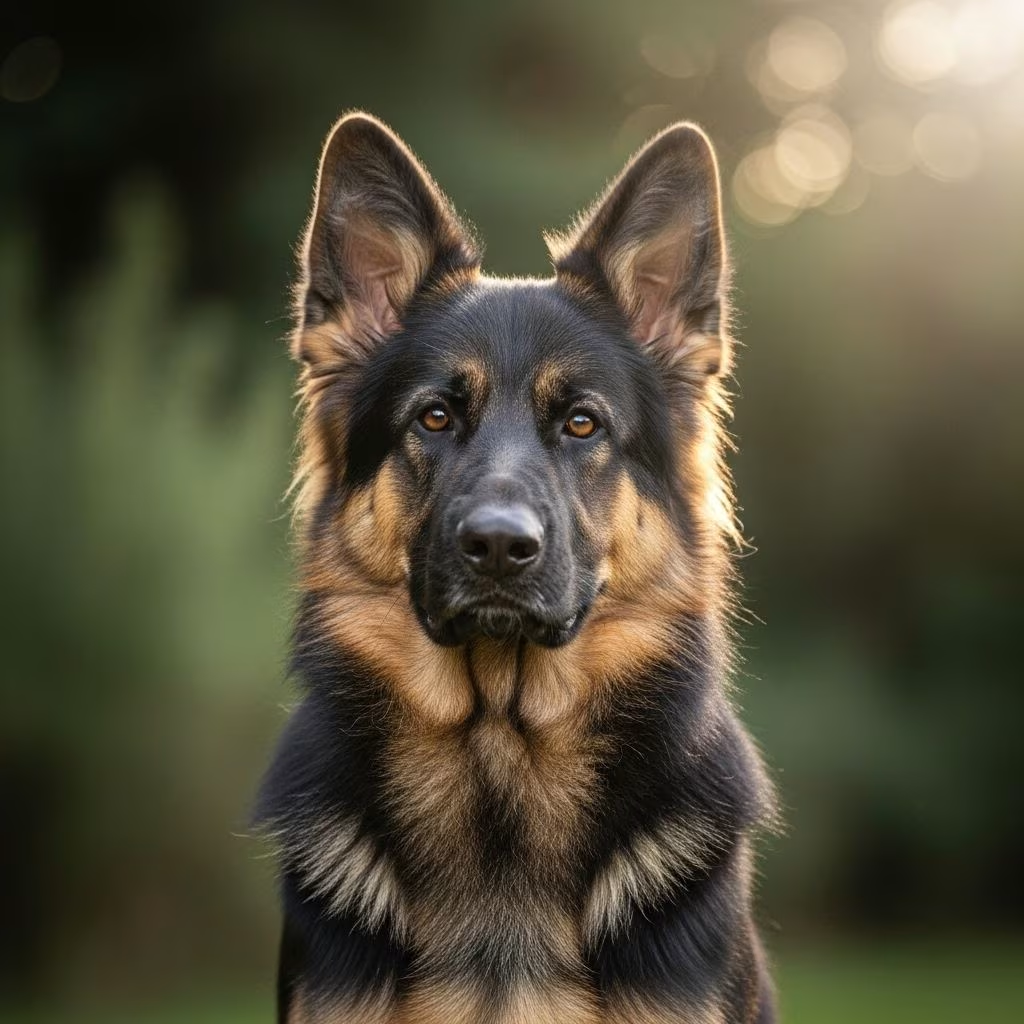
The German Shepherd Dog (GSD) stands among the world’s most recognized breeds, celebrated for its intelligence, loyalty, and unparalleled work ethic. Popular with families and professionals alike, GSDs thrive in active, engaged homes and require thoughtful training and consistent companionship. This guide offers an in-depth look at the breed’s temperament, care requirements, and suitability, helping you determine if the German Shepherd is the right fit for your life.
German Shepherd Dog Overview
- Origin: Germany
- Breed Group: Herding/Working
- Size: Large (Males: 60-65 cm/24-26 in; Females: 55-60 cm/22-24 in at the withers)
- Average Weight: Varies; males typically larger
- Life Expectancy: 9–13 years
- Distinctive Traits: Erect ears, deep chest, muscular build, noble expression
Breed Characteristics and Appearance
The German Shepherd’s impressive silhouette is instantly recognizable. Muscular, agile, and slightly longer than tall, they have a domed forehead, long square-cut muzzle, and a bushy tail that reaches to the hock. Their distinctive double coat, consisting of a dense undercoat with straight, coarse guard hairs, guards them against varied environments.
- Coat Colors: Most commonly black and tan or red and black; also seen in sable, all-black, and rarer shades like blue, silver, and liver. Pure white, liver, and blue are considered faults in conformation shows in some registries.
- Coat Types: Standard (medium length) and long-haired varieties exist. The gene for long hair is recessive and rarer.
| Trait | Description |
|---|---|
| Build | Strong, muscular, agile, with a pronounced chest |
| Head | Noble, domed forehead, pronounced jaw, medium-sized brown eyes |
| Tail | Bushy, reaching the hock |
| Ears | Large, upright, alert |
| Coat | Double, can be medium/long; dense undercoat |
German Shepherd Temperament & Personality
German Shepherds are revered for their intelligence, devotion, and versatility. Their personality is marked by strong loyalty to their family and a reserved, sometimes aloof attitude toward strangers. When properly socialized, they are approachable and gentle, particularly with children.
- Protective Instincts: GSDs are excellent watchdogs and may be wary of unfamiliar people; this protectiveness makes them superb guardians when correctly managed.
- Emotional Sensitivity: They thrive on companionship and close bonds. Prolonged isolation can lead to anxiety, excessive barking, or destructive habits.
- Behavior with Children and Animals: Typically gentle, especially when socialized from puppyhood. Careful management is needed with young children and new pets until relationships are established.
- Not Naturally Aggressive: Despite misconceptions, well-raised GSDs are not aggressive but confident and self-assured. Proper training minimizes the risk of undesirable behaviors.
Intelligence and Trainability
Widely ranked among the world’s most intelligent breeds, GSDs excel in learning new commands, interpreting instructions, and solving problems. They thrive on mental stimulation and purposeful tasks, from obedience training to complex working roles such as search and rescue or service dog duties.
- Quick Learners: They respond rapidly to positive reinforcement, praise, and consistency.
- Versatile Workers: Used in police, military, medical assistance, disaster search, competitive obedience, and sporting events.
Physical and Mental Exercise Needs
German Shepherds are energetic, athletic, and enthusiastic, making regular exercise and structured activities essential to their well-being.
- Daily Exercise: Require at least 2 hours of vigorous physical activity every day. This may include walking, running, hiking, agility training, or organized sports.
- Mental Stimulation: Engage them in tasks that challenge their minds, such as advanced obedience, scent work, puzzle toys, or learning new tricks. Without adequate engagement, they may resort to undesirable behaviors like excessive barking or chewing.
Training and Socialization
Early and consistent training lays the foundation for a well-mannered German Shepherd. Their intelligence and eagerness to please make them exceptionally trainable, but structure and patience are vital.
- Puppy Training: Begin structured training as early as eight weeks. Consistency and positive reinforcement are key.
- Socialization: Introduce your GSD puppy to diverse people, environments, noises, and experiences. Proper socialization helps reduce suspicion of strangers and fosters confidence.
- Owner Sensitivity: GSDs are keenly aware of their owner’s reactions. Emphasize praise for good behavior, and provide clear, calm corrections for undesirable actions.
Teaching a young GSD leash manners and basic commands is significantly easier than waiting until adulthood. As adults, they remain highly responsive to advanced training and can excel in a variety of canine activities.
Living with a German Shepherd Dog
German Shepherds are best suited for active individuals or families who have the time and energy to devote to exercise, play, and companionship. A bored or lonely GSD can develop negative behaviors, including separation anxiety, digging, excessive barking, or chewing.
- Companionship Needs: Thrive on being part of daily family activities. Prolonged isolation can be distressing for them.
- Space Requirements: Benefit from a home with a fenced yard, though they can adapt to apartments if exercised rigorously and given sufficient mental stimulation.
- Vocalization: They are naturally vocal, with a tendency to announce the arrival of visitors. Training and socialization can curb excessive barking.
- Sensitivity: Good with children and other pets when introduced properly and with supervision.
Grooming and Maintenance
Regular grooming is essential for this double-coated breed. The dense undercoat sheds seasonally (“blowing coat”), which can lead to heavy shedding several times a year.
- Brushing: Brush at least twice weekly, increasing frequency during shedding periods to control loose hair and reduce matting, especially in long-haired individuals.
- Bathing: Bathe only when necessary, usually several times per year, unless particularly dirty.
- Nail and Dental Care: Trim nails monthly and brush teeth several times per week to maintain good health.
Common Health Considerations
While generally robust, German Shepherds are predisposed to certain hereditary conditions. Responsible breeding and regular veterinary check-ups help mitigate risks.
- Hip and Elbow Dysplasia: Genetic conditions causing abnormal joint development. Look for breeders who test breeding stock for these ailments.
- Degenerative Myelopathy: A progressive neurological disease affecting the spinal cord.
- Bloat (Gastric Dilatation-Volvulus): A potentially life-threatening stomach condition that can affect deep-chested breeds.
- Other Issues: Allergies, eye conditions, and skin problems can occasionally occur.
Routine examinations, preventive health care, and sound nutrition are key to a long and healthy life for your GSD.
Should You Get a German Shepherd?
Deciding if a German Shepherd is the right fit for your household requires honest self-reflection and understanding of the breed’s needs. GSDs make loyal and loving companions, but require significant commitment of time, energy, and training. Consider the following as you decide:
- Excellent for:
- Active singles, couples, or families seeking an energetic, loyal companion.
- Those interested in dog sports, advanced training, or working canine roles.
- Owners with ample time for exercise, play, and ongoing socialization.
- Challenging for:
- First-time dog owners not prepared for rigorous daily exercise and structured training.
- Individuals seeking a low-maintenance or sedentary pet.
- Families with little time for interaction or socialization.
Frequently Asked Questions (FAQs)
Q: Are German Shepherds good with children?
A: Yes, when properly socialized, German Shepherds are generally gentle and protective towards children. Supervision and early training are essential, especially with toddlers.
Q: How much exercise does a German Shepherd need?
A: Adult German Shepherds require a minimum of two hours of vigorous activity and mental stimulation each day. Puppies have different needs and shorter attention spans.
Q: Do German Shepherds shed a lot?
A: Yes, they are known as heavy shedders, particularly during seasonal changes. Regular brushing helps manage shedding.
Q: Are German Shepherds aggressive?
A: German Shepherds are not inherently aggressive. They can be reserved or protective, but proper socialization and training produce confident, stable pets.
Q: What is the average lifespan of a German Shepherd?
A: Typically, 9 to 13 years with attentive care, regular veterinary visits, and preventive health measures.
Q: Can German Shepherds live in apartments?
A: With adequate exercise and mental engagement, GSDs can adapt to apartment living, but a home with a yard is preferable for their activity needs.
Summary Table: Pros and Cons of German Shepherd Ownership
| Pros | Cons |
|---|---|
| Highly intelligent and trainable | Require significant exercise and mental engagement |
| Loyal and protective | Heavy seasonal shedding |
| Excellent family and working dogs | Can develop separation anxiety if left alone |
| Versatile in various canine sports and tasks | Prone to specific hereditary health issues |
Final Thoughts
The German Shepherd Dog, with its remarkable intelligence, loyalty, and versatility, can make an extraordinary companion for the right owner. If you seek a devoted, energetic partner and are prepared to invest the time and energy needed for training, exercise, and companionship, the GSD may be your ideal canine friend. Consider your lifestyle, resources, and long-term commitment before welcoming this extraordinary breed into your home.