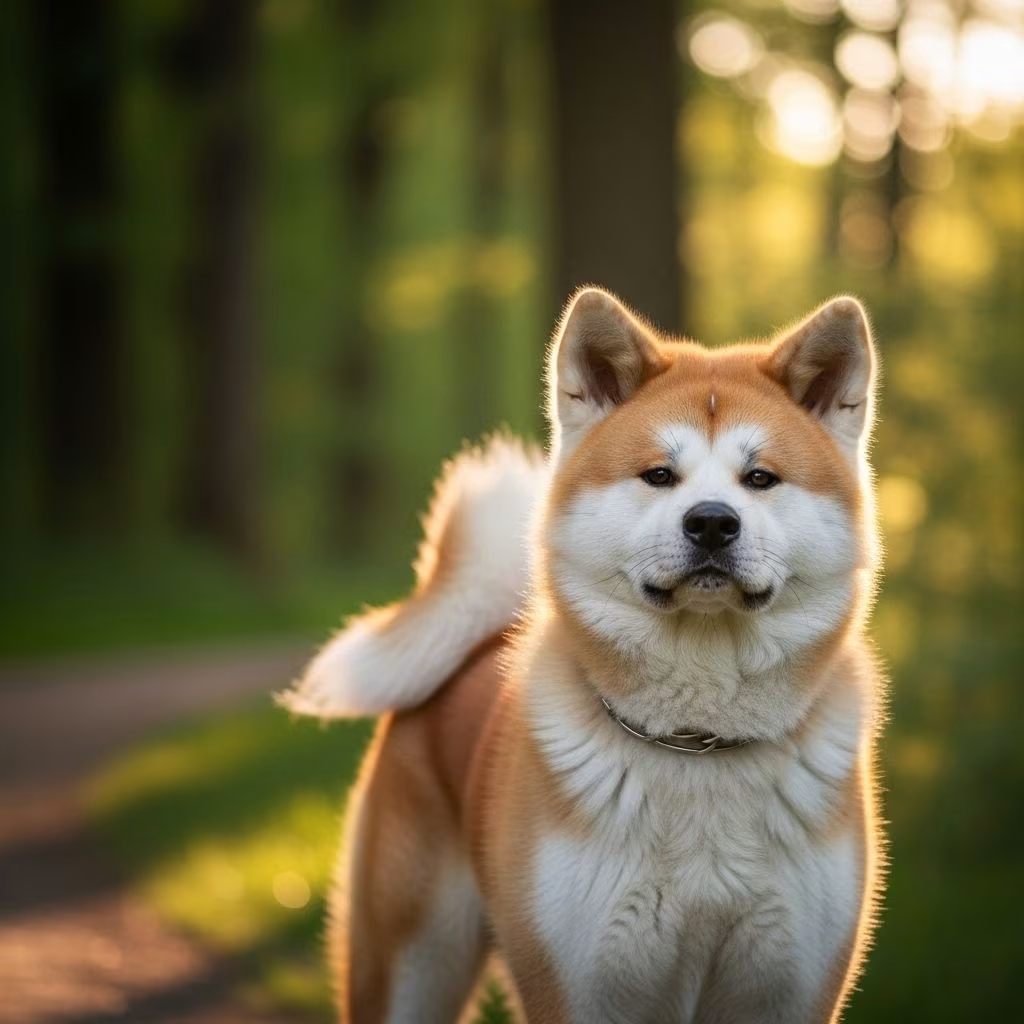
The Akita is a powerful, dignified, and profoundly loyal breed originating from the mountains of northern Japan. Renowned for its rich history, striking appearance, and unwavering devotion to family, the Akita continues to captivate dog lovers worldwide. This comprehensive guide explores the Akita’s ancient roots, physical attributes, temperament, care essentials, and more.
Breed Snapshot
| Origin | Japan (Akita Prefecture) |
|---|---|
| Group | Working |
| Height | 24-28 inches (male), 22-26 inches (female) |
| Weight | 70-130 pounds |
| Life Span | 10-13 years |
| Coat | Double coat; straight, harsh outer coat with soft undercoat |
| Colors | White, brindle, red, sesame, fawn, black, or pinto; typically with distinct urajiro (white/cream markings) for Japanese Akita |
Akita Breed History and Origins
The story of the Akita stretches back over a thousand years, with deep roots in the snowy mountains of northern Japan’s Akita Prefecture. Originally descending from the Matagi Inu, a medium-sized dog used by ancient hunters—from the 9th to 14th centuries—for tracking and subduing large game such as bear, wild boar, and deer, the Akita’s fierce spirit and resilience were prized above all else.
By the 1600s, Akitas became royal hunting companions to Japanese nobility. Their courage, power, and unwavering loyalty led to their revered status as protectors of both property and family. Over the centuries, as dogfighting gained popularity, Akitas were sometimes crossbred with strong breeds (like Mastiffs and Tosa Inu) to enhance their size and stamina.
The Akita faced the risk of extinction during periods of war and social upheaval, but after World War II, dog fanciers in Japan undertook a dedicated effort to restore the pure Akita lineage. In 1931, the breed was declared a national monument of Japan, forever tying its story to the nation’s cultural heritage.
Japanese Akita vs. American Akita
Today, Akitas are recognized in two principal forms:
- Japanese Akita Inu: More fox-like face, almond-shaped eyes, curled tail, and typically red, white, or brindle coloration with marked urajiro (light markings on cheeks, chest, inside legs).
- American Akita: Generally larger, with a bear-like broad head, deeper stop, heavier bone, and a broader range of coat colors, including pinto and black mask variations.
These differences are now recognized by most major kennel clubs, with breeding standards kept distinct to preserve each type’s heritage.
Physical Characteristics
- Size: A large, imposing dog—males usually 100-130 pounds, females slightly smaller. Their robust frame and muscular build reflect their working history.
- Coat: Dense double coat; outer fur is straight and harsh to the touch while the undercoat is soft and thick, providing insulation against harsh climates.
- Color: Variety of coat colors, including red, sesame, brindle, white, and pinto; Japanese Akitas must have urajiro markings.
- Head: Massive head with a deeply set stop; small, triangular eyes and erect, forward-tilted ears. American Akitas are often described as having a bear-like face, while Japanese Akitas possess more fox-like features.
- Tail: Plumed and famously curled over the back.
Akita Temperament and Personality
- Loyalty: Akitas are unrivaled in their devotion to family, forging deep bonds with those they love and often following them from room to room.
- Protective Instincts: Naturally wary of strangers, Akitas excel as guardians and are highly alert.
- Intelligence: Highly intelligent and independent, they can be dignified and aloof, yet affectionate with trusted family members.
- Socialization: Early, ongoing socialization is essential to temper their natural reserve and promote confidence around strangers, children, and other pets. Akitas can be dominant with other dogs, particularly of the same sex, and usually thrive best as the only canine companion in a household.
- Quiet Nature: Akitas are generally not prone to barking unnecessarily, using their voice strategically.
These characteristics make the Akita a wonderful companion for experienced dog owners who can provide leadership, structure, and consistent training. Their legendary loyalty is perhaps best encapsulated in the tale of Hachikō, the Akita who famously waited at a train station daily for his owner, even after the owner’s death—a story that has become a national symbol of unwavering devotion.
Living with an Akita: Ideal Environment
- Space Requirements: Akitas do well in spacious homes with securely fenced yards. Their size and need for mental stimulation make a suburban or rural environment ideal, but apartment living is possible if their exercise needs are diligently met.
- Climate Adaptability: Their double coat prepares them for cold weather. They are moderately heat-tolerant but must have ample shade and cool shelter in hot climates.
- Family Compatibility: Akitas can be loving companions to older children who respect their boundaries, but their size and instinctual traits mean they require supervision around young children. They are generally not recommended for homes with other dominant dogs or small pets.
Training and Behavioral Guidance
- Early Socialization: Expose puppies to diverse people, places, and sounds starting at a young age to foster a well-adjusted temperament.
- Consistent, Positive Training: Akitas respond best to calm, firm, positive reinforcement training—not harsh corrections.
- Obedience Training: Formal obedience classes are highly recommended to channel their independence and intelligence into desirable behaviors.
- Supervision: Monitor Akitas around strangers and other animals, especially outside the home.
Exercise and Activity Needs
Despite their calm indoor demeanor, Akitas are athletic dogs requiring daily exercise to stay physically and mentally satisfied.
- Engage in brisk walks, jogging, or supervised play in secure areas for at least 30-60 minutes daily.
- Provide puzzle toys, scent games, and training exercises to challenge their intelligence.
- Monitor interaction with other dogs carefully during group activities, as same-sex aggression is possible.
Grooming and Coat Care
- Shedding: Akitas are heavy seasonal shedders. Expect significant ‘blowouts’ of the undercoat twice per year—in spring and fall.
- Brushing: Brush several times per week, increasing to daily during shedding seasons, to remove loose hair and prevent mats.
- Bathing: Bathe every few months or as needed; their coat repels dirt naturally, but routine hygiene is essential.
- Other Routine Care: Regularly trim nails, clean ears, and brush teeth to maintain lifelong health.
Nutrition and Feeding
- Feed a high-quality, age-appropriate dog food formulated for large breeds; consult your veterinarian for guidance on portion sizes and feeding frequency.
- Monitor calories to prevent obesity—Akitas can easily gain weight if overfed or under-exercised.
- Provide clean, fresh water at all times.
- Avoid table scraps and foods toxic to dogs (such as chocolate, grapes, onions, and xylitol).
Health and Lifespan
With proper care, Akitas typically enjoy 10–13 years of life. Like all breeds, they are susceptible to certain hereditary health conditions, including:
- Hip dysplasia (malformation of the hip joint)
- Autoimmune disorders (such as VKH and sebaceous adenitis)
- Progressive retinal atrophy (PRA)
- Hypothyroidism
- Gastric dilatation-volvulus (bloat)
Work with a reputable breeder who screens for these issues, and maintain regular veterinary checkups, preventive care, and a healthy lifestyle for your Akita.
Where to Find an Akita Puppy or Rescue
- Choose breeders who prioritize health, temperament, and proper socialization—and who deliver full health clearances.
- Consider breed rescues and adoption organizations; Akitas sometimes need new homes and can make wonderful companions for the right family.
- Be prepared for a significant commitment; Akitas are not for novice dog owners, but their rewards are rich for those who appreciate their unique qualities.
Is the Akita Right for You?
A majestic combination of courage, pride, and devotion, the Akita is best suited to households with experienced owners who understand canine body language, value independence, and want a deeply loyal companion. Their imposing presence, intelligence, and unwavering fidelity make them unmatched guardians and family members, provided their needs for leadership, socialization, and exercise are met.
Frequently Asked Questions (FAQs)
Q: Are Akitas good family dogs?
A: Akitas can make loyal, affectionate family companions, particularly for households with older children and experienced adult handlers. Early and consistent socialization is key to harmonizing their protective instincts with a family environment.
Q: Do Akitas get along with other pets?
A: Akitas can be territorial and dominant toward other dogs, especially those of the same sex, and may not tolerate small animals due to their strong prey drive. They are typically best as the only dog in the household.
Q: How much grooming do Akitas need?
A: Frequent brushing—multiple times weekly—is needed, particularly during their twice-yearly shedding seasons. Regular ear, nail, and dental care are also important.
Q: What are common health concerns for Akitas?
A: Akitas may be prone to hip dysplasia, autoimmune conditions, hypothyroidism, and certain eye issues. Working with reputable breeders and regular veterinary care can help reduce health risks.
Q: How much exercise do Akitas need?
A: Daily physical activity is crucial—plan for a minimum of 30–60 minutes of walks, play, and mental challenges to keep them healthy and happy.
Quick Akita Facts
- Akitas symbolize health, happiness, and long life in Japanese culture.
- Hachikō, the most famous Akita, is memorialized in statue form in Tokyo for his legendary loyalty.
- The Akita’s thick double coat means they thrive in colder climates.
- Known for their reserved nature, Akitas use their imposing presence more than their voice to deter intruders.
- Notably clean dogs, Akitas often groom themselves in a feline fashion.
References
- https://en.wikipedia.org/wiki/Akita_(dog_breed)
- https://akitas.org/the-akita-breed/akita-breed-history/
- https://www.akc.org/expert-advice/dog-breeds/akita-history-hachiko-japanese-breed/
- https://www.akitaclub.org/breed-history/
- https://theakitainu.com/the-akita-inu-history/
- https://www.britannica.com/animal/Akita-dog
- https://akita-inu.com/breed-history/
- https://www.pawlicy.com/blog/akita-dog-breed/
- https://www.dogster.com/lifestyle/what-were-akitas-bred-for