Bulldog Breed Overview
The Bulldog is one of the most instantly recognizable dogs worldwide, famed for its distinctive wrinkled face, endearing personality, and unique journey from the fighting pits of England to its modern status as a beloved family companion. With a rich history full of transformation and resilience, Bulldogs enchant countless households, universities, and even serve as cultural icons. This guide covers all the essentials about Bulldogs, including their background, personality, health, care needs, and frequently asked questions to help you decide if the Bulldog is the right fit for your family.
Breed Characteristics
| Characteristic | Description |
|---|---|
| Group | Non-Sporting (AKC) |
| Height | 14–15 inches (at the shoulder) |
| Weight | 40–50 pounds |
| Lifespan | 8–10 years |
| Temperament | Gentle, loyal, courageous, affectionate |
| Coat | Short, smooth, straight, fine |
| Colors | Brindle, solid white, red, fawn, or piebald patterns |
Bulldog History and Origins
Understanding the Bulldog’s unique past sheds light on its present-day character and challenges. The breed’s roots are intertwined with English history and changing attitudes toward animal welfare.
From Bull-Baiter to Gentle Companion
- Tough Beginnings: The Bulldog’s ancestors date back to medieval England, where they were bred for the violent sport of bull-baiting. These dogs were prized for their determination, pain tolerance, and ability to subdue bulls, leading to the breed’s name “Bulldog”.
- Banned Blood Sports: The Cruelty to Animals Act of 1835 finally put an end to bull-baiting in the UK. With their original job outlawed, Bulldogs faced near extinction.
- A New Purpose: Breed enthusiasts, recognizing the Bulldog’s potential beyond fighting, began intentionally breeding for a less aggressive, more companionable dog. Over successive generations, Bulldogs lost their ferocity, becoming the affectionate pets we know today.
- Breed Standardization: Formal dog shows and the establishment of breed clubs (in England in 1875, followed by the Bulldog Club of America in 1890) helped standardize the Bulldog’s distinctive appearance and character.
- Modern-Day Mascot: Today, Bulldogs serve as mascots for schools and organizations, and are adored for their playful, loyal personalities.
Physical Traits and Appearance
The Bulldog’s appearance is iconic, combining a powerful build with unmistakable facial features. Selective breeding has emphasized traits that, while charming, also contribute to some of the breed’s unique health considerations.
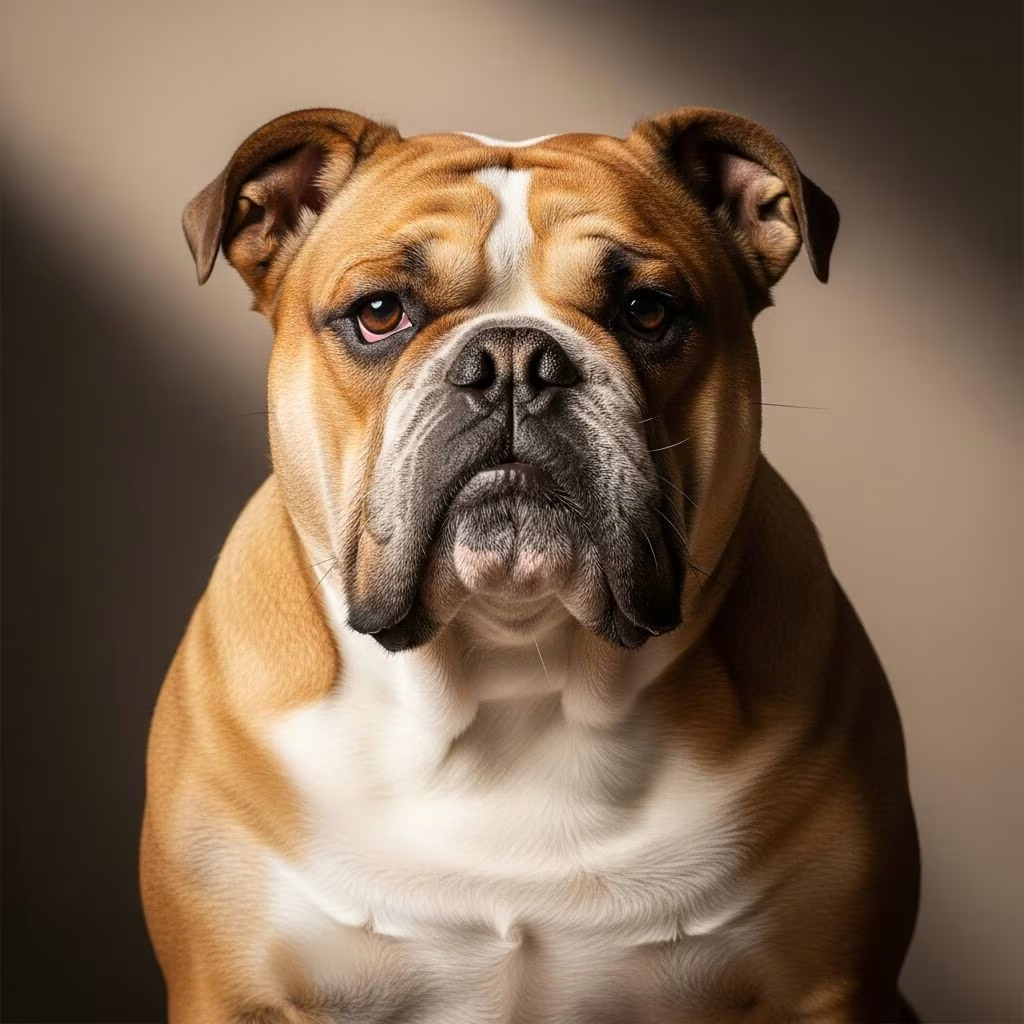
- Head: Large, with heavy wrinkles, a short and broad muzzle, pronounced underbite, and characteristic folds above the nose.
- Body: Low-slung and muscular with broad shoulders and a stocky frame.
- Skin: Loose, especially around the face and neck, forming deep folds that require regular cleaning.
- Coat: Short, glossy hair that is easy to groom and comes in a variety of colors including fawn, brindle, white, and combinations thereof.
- Ears: Small, thin, and set high on the head, usually folded back (termed “rose ears”).
- Tail: Naturally short and either straight or screwed, never docked.
Bulldog Personality and Temperament
Despite their tough appearance, Bulldogs are gentle, affectionate, and love companionship. Their easygoing nature makes them well-suited to families, singles, and seniors alike.
- Sociable: Bulldogs thrive on human interaction and tend to get along well with children and other pets when properly socialized.
- Calm and Patient: Known for their tolerance and laid-back demeanor, Bulldogs are rarely aggressive and are comfortable being handled.
- Loyal and Protective: Bulldogs form strong bonds with their families and can be protective, often serving as gentle guardians in the home.
- Stubborn: Bulldogs are renowned for their independent streak. They may need patient, positive reinforcement training to encourage cooperation.
- Low Energy: While playful in short bursts, most Bulldogs prefer lounging and cuddling over extended exercise sessions.
Living With a Bulldog: Home Life and Daily Needs
Beneath their bulldogged determination lies a heart dedicated to companionship. Knowing their daily requirements helps ensure a happy, healthy household.
- Space Needs: Bulldogs are well-suited to apartment living due to their moderate size and low exercise demands. They prefer a comfortable indoor environment and should not be left outdoors for long periods.
- Exercise: Short, regular walks and brief bursts of play are generally sufficient. Avoid strenuous activity, especially in hot or humid conditions. Bulldogs are susceptible to overheating and breathing difficulties due to their brachycephalic (short-nosed) anatomy.
- Feeding: Bulldogs have hearty appetites but are prone to obesity. Feed a high-quality, portion-controlled diet and avoid excess treats.
- Grooming:
- Brush their coat weekly to manage shedding.
- Clean skin folds on the face and tail base daily to prevent irritation and infection.
- Wipe ears, trim nails, and brush teeth regularly to maintain overall health.
- Socialization and Training: Early socialization is essential. Bulldog puppies should meet different people, sounds, and environments. Use positive reinforcement techniques for best training results.
Health and Common Issues
The Bulldog’s endearing appearance is linked to certain health vulnerabilities. Proactive, informed care and regular veterinary visits are crucial.
- Brachycephalic Syndrome: Their flat faces can cause breathing difficulties, leading to snoring, exercise intolerance, and risk during anesthesia.
- Joint Problems: Bulldogs are prone to hip dysplasia, elbow dysplasia, and arthritis, particularly as they gain weight or age.
- Skin Infections: The deep folds on their faces can harbor moisture and bacteria, resulting in dermatitis or yeast infections if not cleaned frequently.
- Obesity: Their love of food combined with lower activity levels makes weight gain a common concern, increasing the risk of other health problems.
- Other Concerns: Bulldogs may suffer from cherry eye (prolapsed gland in the third eyelid), allergies, and heart conditions.
Working with a veterinarian who understands Bulldogs’ unique needs is key to reducing health risks and maximizing quality of life.
Puppy to Adult: Bulldog Growth and Development
- Puppy Stage: Bulldog puppies are playful and curious but may be clumsy due to their compact build. Early socialization sets the stage for well-mannered adult dogs.
- Adolescence: Bulldogs typically reach full size between 12 to 18 months, developing their adult personalities and signature physique.
- Adulthood: Consistent training, mindful feeding, and gentle exercise keep Bulldogs happy and manageable throughout their adult years.
- Senior Years: With age, Bulldogs may slow down, become more prone to joint problems, and require adjustments in diet, activity, and veterinary care.
Is a Bulldog Right for You?
Bulldogs make outstanding companions for the right households, but their unique requirements mean they are best suited for individuals or families who can accommodate their care needs.
- Best For:
- Families with children, singles, and seniors.
- Individuals seeking a low-energy, affectionate companion.
- Households okay with regular wrinkle care and moderate grooming.
- Not Ideal For:
- Highly active homes wanting a jogging or hiking partner.
- Environments with extreme heat or poor air circulation.
- Owners unable to commit to regular vet visits and specialized care.
Types of Bulldogs
While the English Bulldog is the most famous, several breeds fall under the ‘bulldog’ banner, each with their own characteristics:
- English Bulldog: The classic, stocky, wrinkled breed most people picture when hearing “bulldog.” Gentle, sweet-natured, and companionable.
- French Bulldog: Smaller, with “bat” ears and a playful personality. Highly popular in urban areas.
- American Bulldog: More athletic, closer to original working lines, known for their agility and strength.
- Other Variants: Olde English Bulldogge, Alapaha Blue-Blood Bulldog, and various mixes contribute to the diversity of bulldog-type breeds.
Frequently Asked Questions (FAQs)
Q: What is the origin of the Bulldog’s name?
A: The Bulldog’s name comes from its historic use in bull-baiting, where its primary job was to grip and subdue bulls.
Q: Are Bulldogs aggressive?
A: Modern Bulldogs are selectively bred for gentleness and are rarely aggressive. They are generally known for their friendly, patient temperament.
Q: Do Bulldogs need a lot of exercise?
A: No, Bulldogs require only moderate exercise to stay healthy. Short walks and gentle play are best, as they can overheat quickly.
Q: Can Bulldogs live with other pets?
A: Yes, Bulldogs can coexist peacefully with other pets when socialized early and appropriately introduced.
Q: Are Bulldogs high-maintenance?
A: They have modest grooming needs but require dedicated wrinkle care and may face ongoing health issues that need attentive management.
Q: Are Bulldogs good with kids?
A: Bulldogs are typically excellent with children, displaying patience and affection. Always supervise interactions between young children and any dog.
Essential Tips for Prospective Bulldog Owners
- Find a reputable breeder or adopt to ensure your Bulldog comes from healthy, well-socialized stock.
- Prepare for potential veterinary expenses related to respiratory, joint, or skin issues.
- Maintain a consistent cleaning routine, especially for facial folds and tails, to prevent infections.
- Monitor weight and provide the right nutrition—Bulldogs do best with portion-controlled, high-quality diets.
- Give your Bulldog affection and companionship; they crave being part of your daily life.
Conclusion
The Bulldog stands as a testament to transformation—once bred for ferocity and battle, now celebrated for loyalty, patience, and devotion. With appropriate care, Bulldogs bring immense joy, comfort, and steadfast love into homes across the world. Understanding their specific needs ensures a fulfilling, lasting partnership with this iconic breed.
References
- https://www.akc.org/expert-advice/dog-breeds/bulldog-history/
- https://en.wikipedia.org/wiki/Bulldog
- https://www.bulldogbreedcouncil.co.uk/i/bulldogs-through-time
- https://leavittbulldogassociation.com/history-of-the-breed
- https://barkvoiceofthebulldogs.org/946/features/the-history-of-bulldogs/
- https://www.pawlicy.com/blog/english-bulldog-breed/
- https://www.bubblesdoggrooming.co.uk/post/from-bull-baiting-to-beloved-companions-a-look-at-the-history-of-bulldog-breeds
- https://bulldogclubofamerica.org/wp-content/uploads/2019/05/1980s.pdf
- https://www.goodlifebulldogrescue.org/educate/basic-bull-dog-history