Aussiedoodle: The Energetic and Affectionate Hybrid
The Aussiedoodle has gained popularity for its lovable energy, intelligence, and striking looks. As a designer breed, Aussiedoodles are the offspring of an Australian Shepherd and a Poodle (either Standard or Miniature). This hybrid brings together the best traits of both parent breeds, resulting in an adaptable, social, and active companion ideal for families as well as individuals with an active lifestyle.
Breed Overview
- Size: Height ranges from 10–15 inches (Mini) up to about 23 inches (Standard); weight spans 15–70 pounds depending on size and lineage.
- Lifespan: Average life expectancy is 10–12 years. Some live longer, depending on genetics and care.
- Coat: Can be curly or wavy, often low-shedding but not truly hypoallergenic.
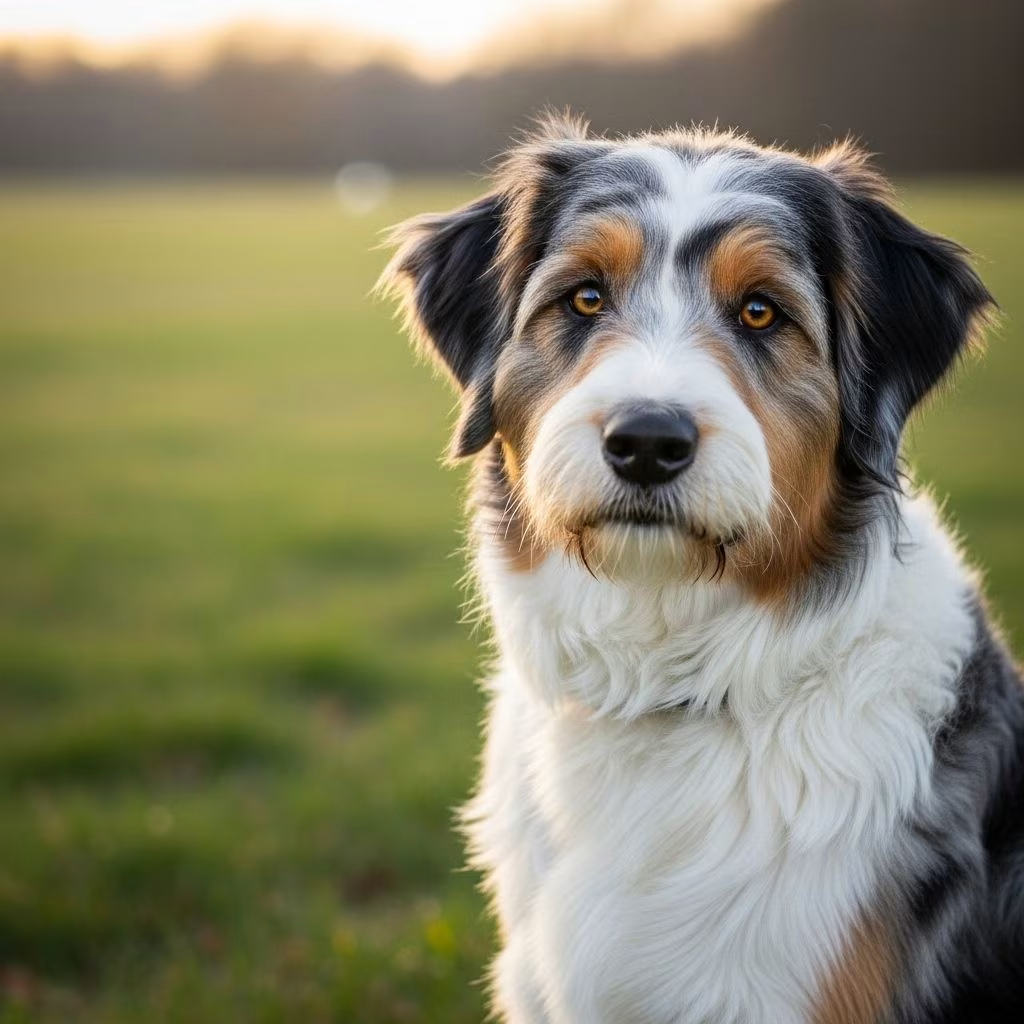
- Colors: Wide variety including black, blue merle, red, apricot, and combinations common to both parent breeds.
- Group: Mixed breed, often considered a designer or hybrid dog.
Personality and Temperament
Aussiedoodles are best known for their intelligence and energy. Both the Australian Shepherd and Poodle rank among the brightest canine minds, giving the Aussiedoodle a keen ability to learn quickly—sometimes picking up both good and mischievous behaviors. They tend to:
- Bond closely with their humans, sometimes favoring one or two people in the family.
- Exhibit playful and often goofy personalities, making them delightful companions.
- Stay emotionally attuned, often acting as therapy or emotional support dogs.
They need daily engagement and thrive on interaction, making them better suited to owners who can offer time and attention.
Physical Characteristics
- Body: Compact, athletic, and sturdy. Minis have a smaller frame, while Standards can be quite robust.
- Head: Often features an expressive face, with either Poodle-like refinement or Shepherd boldness.
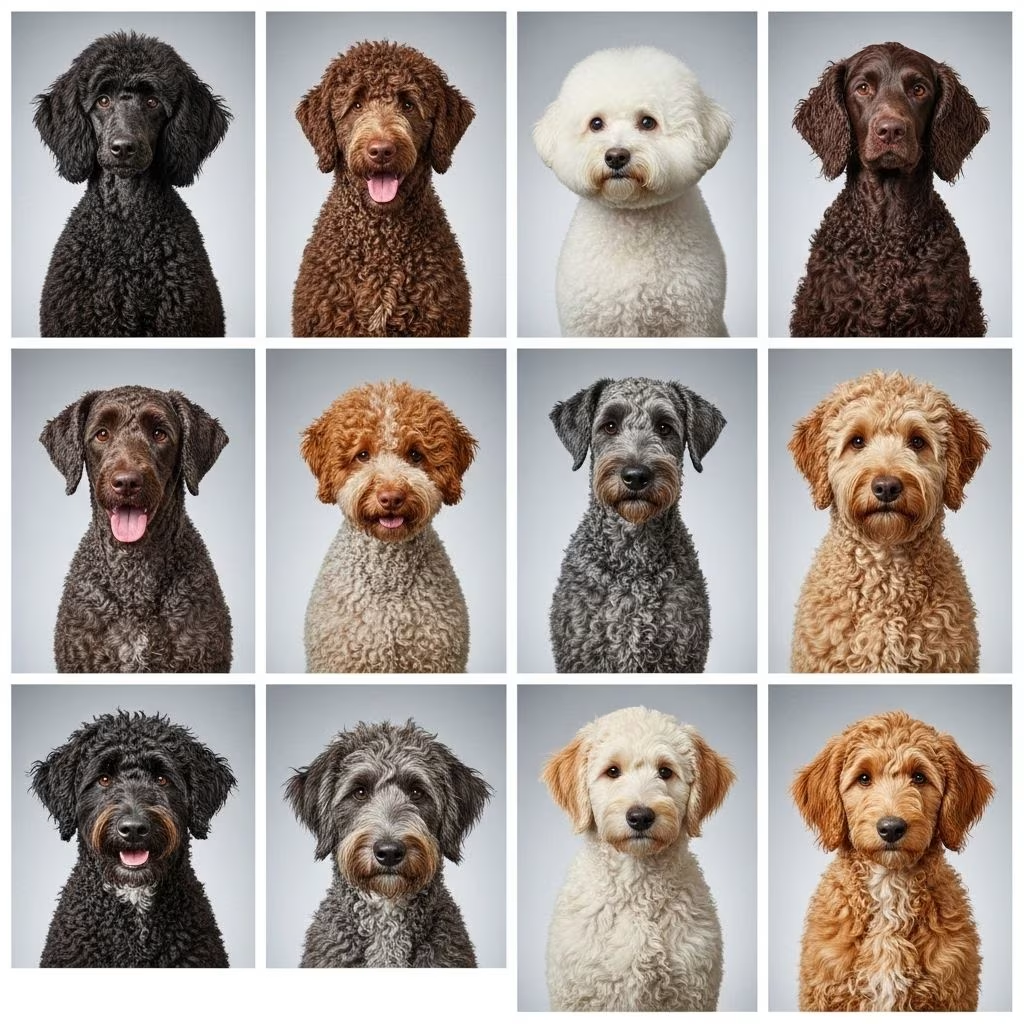
- Coat: Can be curly (after Poodle) or wavy/straight (after Aussie). Texture and color can vary widely.
- Eyes: May inherit striking blue, brown, or partially blue eyes from their Australian Shepherd parent.
Coat Types and Grooming Needs
Most Aussiedoodles have coats that are:
- Low to moderate shedding: Curly coated individuals shed less but require routine professional grooming every 6–8 weeks.
- Not fully hypoallergenic: Even low-shedding dogs can cause allergies due to skin dander.
- Color and pattern variety: Solid colors, blue merle, red merle, brindle, or two-tone combinations.
Regular brushing (2–3 times a week) helps keep tangles at bay. Aussiedoodles with heavy Australian Shepherd coat traits may shed more and need more frequent brushing.
Exercise, Training, & Socialization
Exercise is essential for Aussiedoodles. They require active daily walks, play, and mental challenges such as:
- Agility courses
- Obedience and rally competitions
- Fetch, flyball, and interactive games
- Puzzle toys and food-dispensing tools
Without sufficient activity, Aussiedoodles can become bored, leading to behavioral problems such as excessive barking or destruction.
Training Tips
- Use positive reinforcement: Praise, treats, and play work best for this eager-to-please breed.
- Early socialization is crucial to prevent wariness of strangers and other animals.
- They excel in advanced training, including therapy work and service roles.
Living Environment & Adaptability
| Environment | Suitability |
|---|---|
| Apartment | Possible for Minis; less ideal for Standards unless well exercised |
| Suburban/Rural | Ideal due to space for play |
| Families | Excellent; gets along with children |
| Seniors | Possible if daily activity is maintained |
Aussiedoodles adapt well to most environments as long as they are mentally and physically stimulated. They may not be the best pet for “leave at home all day” owners because they crave companionship and activity.
Health & Common Issues
- Lifespan: 10–12 years is typical, but some Aussiedoodles reach 15 years with good care.
- Major concerns:
- Hip dysplasia
- Progressive Retinal Atrophy (PRA)
- Epilepsy
- Allergies (skin and environmental)
- Avoid overbreeding for extra small size (“teacup” Aussiedoodle) due to higher health risks.
- Routine veterinary visits and preventive care are vital.
Mini and Teacup Aussiedoodles
- Mini Aussiedoodle: Stands 10–18 inches tall, weighing 15–40 pounds.
- Teacup Aussiedoodle: Bred to be under 6 pounds, but often faces significant health challenges and may involve unethical practices for size reduction.
Mini Aussiedoodles are ideal for owners seeking a smaller companion, but always verify breeder ethics and health guarantees.
Aussiedoodle Generations Explained
| Generation | Parent 1 | Parent 2 |
|---|---|---|
| F1 | Mini Australian Shepherd | Miniature Poodle |
| F1b | F1 Aussiedoodle | Mini Aussie or Mini Poodle |
| F2 | F1 Aussiedoodle | F1 Aussiedoodle |
| F2b | F2 Aussiedoodle | Mini Aussie or Mini Poodle |
| Multi-Gen | Later-gen Aussiedoodle | Later-gen Aussiedoodle |
The generation influences coat type, temperament predictability, and allergy potential.
Adoption, Rescue, and Buying Tips
Adoption
Rescued Aussiedoodles are available through shelters and breed-specific rescues. Adoption fees are typically lower ($100–$400) compared to breeder costs.
- Check for local and national rescue networks
- Review the health and behavioral history
- Adopt don’t shop: Consider the benefits of rescuing over buying
Buying From Breeders
- Expect to pay $1,500–$2,500 (rare colors may cost more).
- Choose breeders certified by club associations and with health guarantees.
- Ask about parent health, temperament, and genetic testing.
Meeting puppies in person and observing the environment is highly recommended.
Aussiedoodle vs. Other Doodle Breeds
| Breed | Key Traits | Best For |
|---|---|---|
| Aussiedoodle | Active, intelligent, bonds deeply | Active families, experienced owners |
| Goldendoodle | Mild-mannered, laid back, very sociable | Families, first-time dog owners |
| Labradoodle | Friendly, steady, adaptable | Variety of homes |
Goldendoodles may be more relaxed, while Aussiedoodles are often more energetic and attached to their primary caretakers.
Is the Aussiedoodle Right For You?
- You want an active, smart companion that keeps you on your toes
- You can commit to daily exercise, training, and mental stimulation
- You are ready for routine grooming and care expenses
- You seek a dog that bonds deeply, not left alone for long periods
- You may live in a home with children or other pets
If you prefer a very laid-back or low-energy dog, a different breed may suit you better.
Frequently Asked Questions (FAQs)
Q: Are Aussiedoodles hypoallergenic?
A: No dog is truly hypoallergenic. Aussiedoodles may have low-shedding coats, but they still produce dander which can trigger allergies.
Q: How much exercise do Aussiedoodles need?
A: Aussiedoodles require at least 1–2 hours of activity daily, including walks, play, and mental stimulation.
Q: What is the difference between Mini and Standard Aussiedoodles?
A: Mini Aussiedoodles are smaller (10–18 inches, 15–40 pounds), Standards are larger (up to 23 inches, 70 pounds). Both share intelligence and energy but may differ in exercise needs and suitability for apartments.
Q: Do Aussiedoodles get along with kids and other pets?
A: Yes, especially with early socialization. They are affectionate and playful, making good family companions.
Q: Are teacup Aussiedoodles healthy?
A: Teacup Aussiedoodles (<6 pounds) often face more health concerns due to breeding practices. Larger minis or standards are generally healthier.
Tips for Future Aussiedoodle Owners
- Provide daily mental and physical enrichment
- Brush regularly, and schedule professional grooming
- Choose ethical breeders or reputable rescues
- Invest in early, positive training and socialization
- Commit to regular veterinary care for long-term health
Where to Find Aussiedoodles and Learn More
- Local shelters and rescues often feature available Aussiedoodles
- Adoption sites list breed-specific rescue groups
- Breed clubs and online communities offer support, advice, and event listings
Useful Links (Not Clickable)
- Petfinder adoption listings
- National breed clubs for Poodles and Australian Shepherds
Final Thoughts
With their blend of Australian Shepherd energy and Poodle smarts, Aussiedoodles make exceptional companions for those ready to meet their needs. Whether you’re adopting or buying, being informed about care, training, and health is the first step in a happy life together.
References
- https://www.greatpetcare.com/dog-breeds/aussiedoodle/
- https://www.petfinder.com/dogs-and-puppies/breeds/australian-shepherd/
- https://rockykanaka.com/mini-aussiedoodle/
- https://www.betterpet.com/learn/aussiedoodle
- https://www.petfinder.com/dog/henry-ford-75512644/tx/houston/red-collar-rescue-tx1086/
- https://www.petfinder.com/dog/aussiedoodles-we-have-9-78627298/tx/lockhart/caldwell-county-animal-coalition-ccac-tx2610/
- https://www.petfinder.com/dog/curly-mini-aussie-78082889/mo/chesterfield/little-rays-of-sunshine-animal-rescue-mo755/
- https://www.petfinder.com/dog/charlie-76062969/wa/lynnwood/forever-home-dog-rescue-wa562/