Introduction to the Bullmastiff
The Bullmastiff is a powerful and loyal dog breed, developed in England in the 19th century to serve as a guard dog, particularly for gamekeepers. It is a cross between the English Mastiff and the Old English Bulldog, known for its impressive size and protective nature. Despite its formidable appearance, the Bullmastiff is also known for being gentle and affectionate with its family. Here’s an in-depth look at the history, temperament, health concerns, and care needs of this magnificent breed.
History of the Bullmastiff
The origins of the Bullmastiff date back to the mid-19th century when English gamekeepers sought a dog that could assist in controlling poaching. The breed was developed by crossing the English Mastiff with the Old English Bulldog, resulting in a dog that was both strong and agile. Recognized as a breed by The Kennel Club in 1924, and later by the American Kennel Club in 1934, the Bullmastiff has long been valued for its guarding capabilities and loyalty.
Temperament of the Bullmastiff
Bullmastiffs are known for their dual nature: they are fearless when faced with threats but docile at home. They are intelligent and responsive to training, though early socialization is crucial to ensure they are comfortable with new people and environments. These dogs are naturally protective but not aggressive unless provoked. They are generally good with children and other pets, provided they are socialized from an early age.
Here are some key characteristics of the Bullmastiff temperament:
- Brave and Protective: They will defend their family when necessary.
- Loyal and Affectionate: Deeply loving to their family members.
- Intelligent: Bulls are smart and respond well to consistent training.
- Confident: They have a strong presence and can be dominant if not properly trained.
Physical Characteristics
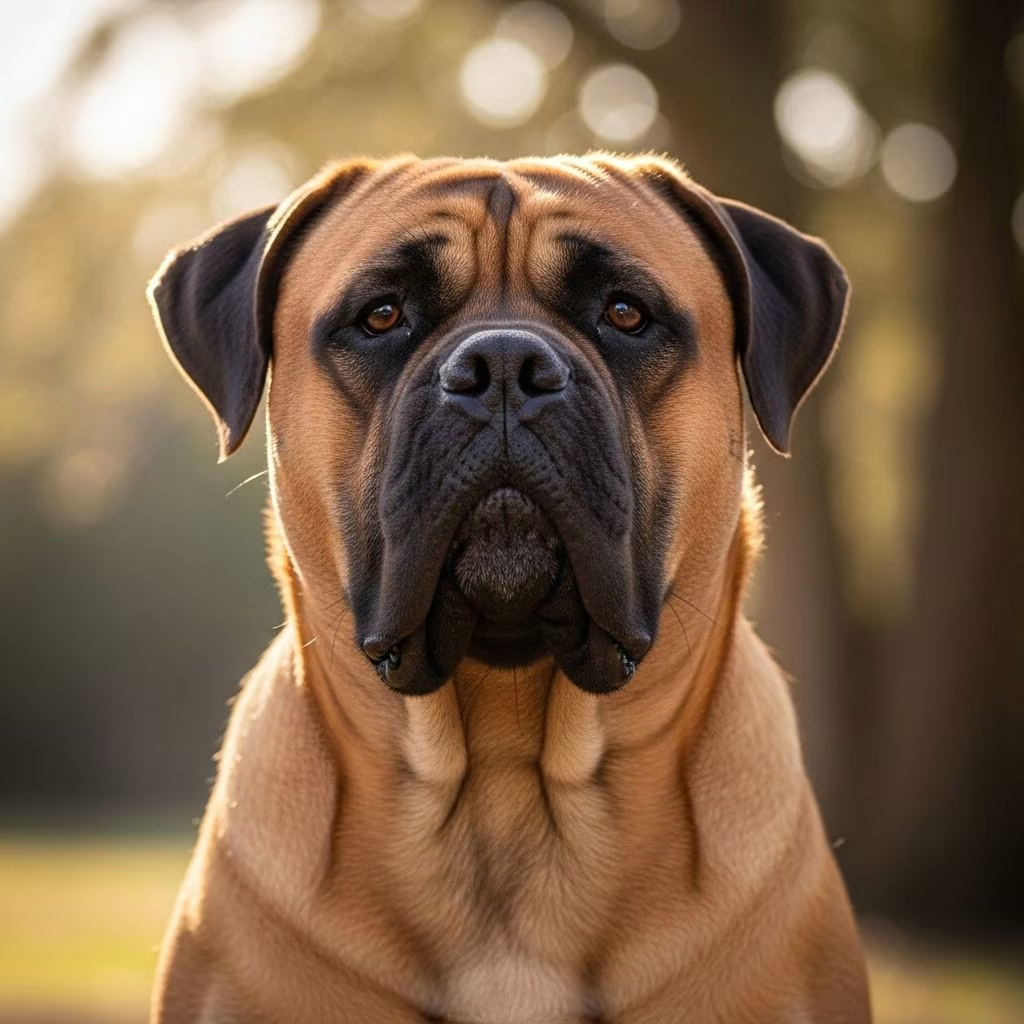
The Bullmastiff is a large dog breed with males typically weighing between 100 and 130 pounds and standing between 24 and 27 inches tall at the shoulder. Females are slightly smaller. They have a short, dense coat that comes in three main colors: fawn, red, and brindle. Their head is broad with a short muzzle, and they have V-shaped ears.
Here is a summary of their physical characteristics:
- Weight: 100-130 pounds for males, slightly less for females.
- Height: 24-27 inches for males, slightly less for females.
- Coat Colors: Fawn, red, and brindle.
- Head Type: Broad with a short muzzle.
- Ears: V-shaped.
Health Concerns
Bullmastiffs are generally healthy dogs but can be prone to certain health issues. Common health concerns include:
- Hip and Elbow Dysplasia: These conditions can cause mobility issues.
- Progressive Retinal Atrophy: A genetic condition leading to vision loss.
- Bloat: A condition that requires immediate veterinary attention.
- Cancer: Lymphoma and mast cell tumors are common.
- Ear Infections: Due to their floppy ears, they can be prone to infections.
Caring for a Bullmastiff
Caring for a Bullmastiff requires attention to their exercise, diet, and mental stimulation needs. Here are some key considerations:
- Exercise: Regular walks and playtime are essential. Aim for at least one hour of activity per day.
- Diet: Feed a high-quality dog food appropriate for their size and age.
- Mental Stimulation: Provide puzzle toys and engage in training sessions.
- Training: Early socialization and consistent training are crucial.
Living Arrangements
Bullmastiffs require a spacious living environment due to their size. While they can adapt to various settings, they thrive best in homes with a yard where they can exercise freely. However, they are not suited for small apartments without sufficient space for movement.
Here are some considerations for living arrangements:
- Space: A yard is preferred, but they can adapt to apartment living with regular exercise.
- Climate: While they can tolerate some heat, they should not be left in extreme temperatures.
- Family Dynamics: Best suited for families with older children due to their size and strength.
Frequently Asked Questions (FAQs)
Q: Are Bullmastiffs good with children?
A: Yes, Bullmastiffs can be good with children, provided they are socialized early and supervised due to their large size and strength.
Q: How much exercise does a Bullmastiff need?
A: Bullmastiffs need daily walks and playtime, approximately one hour per day, but they are not suited for long-distance running.
Q: Are Bullmastiffs good guard dogs?
A: Yes, Bullmastiffs are naturally protective and make excellent guard dogs due to their size and loyalty.
Q: Do Bullmastiffs require a lot of grooming?
A: No, Bullmastiffs have a short, easy-to-maintain coat. They require occasional brushing and regular nail trimming.