Basenji Dog Breed Overview
The Basenji is a distinctive dog breed known for its clever, energetic nature and its unique status as the “barkless dog” of Central Africa. With a rich, ancient lineage dating back thousands of years and a personality as fascinating as its history, the Basenji continues to intrigue and charm dog lovers worldwide. This guide covers everything potential owners and enthusiasts need to know about the Basenji: from its origins and temperament to health concerns, care, and compatibility with different households.
History and Origins of the Basenji
Originating in Central Africa—particularly the Congo region—the Basenji is considered one of the world’s oldest domesticated dog breeds. Archaeological finds, including cave paintings and ancient Egyptian tomb art, depict dogs with characteristics identical to the modern Basenji—upright ears, curled tail, and fine features—dating back as far as 6,000 BCE.
- Historical Use: Basenjis were prized as multi-purpose hunting dogs, adept at silently flushing game into hunters’ nets, thanks to their keen sight, speed, and remarkable stealth.
- Name: The name “Basenji” translates to “village dog” in several Bantu languages and reflects the breed’s historic place as a companion and worker among indigenous African tribes.
- Western Introduction: Europeans first described the breed in the late 19th century. After several failed importation attempts due to disease, Basenjis were successfully established in the West in the 1930s, recognized by the American Kennel Club (AKC) in 1943.
- Modern Foundation: Most Basenjis in the West today are descended from a handful of imported dogs, supplemented by additional African imports in the late 20th and early 21st centuries to widen the gene pool and improve health.
Physical Characteristics and Appearance
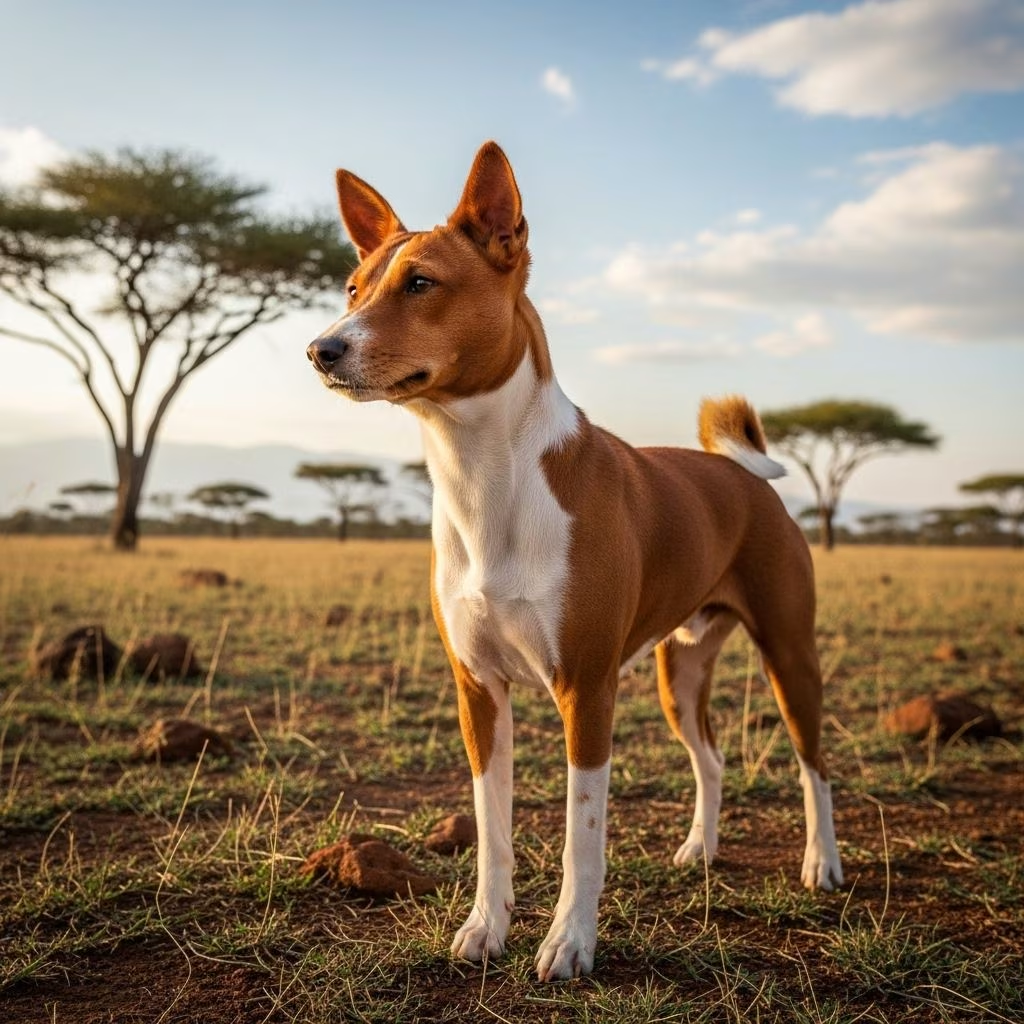
The Basenji is a small to medium-sized hound known for its elegant, athletic build—a reflection of its heritage as a swift, agile hunter.
- Size: Height ranges from 16 to 17 inches at the shoulder; typical weight is 20 to 24 pounds.
- Body: Lean, muscular, and finely boned, exuding agility and grace.
- Coat: Short, sleek, and fine; easy to maintain; comes in red, black, brindle, or tricolor (black, white, & tan) with white markings on chest, feet, and tip of tail.
- Distinctive Features:
- Tightly curled tail carried high over the back
- Wrinkled forehead, especially when alert or curious
- Large, pointed erect ears and almond-shaped expressive eyes
- Movement: High-stepping, almost trotting gait.
The Barkless Dog: Basenji’s Unique Communication
Perhaps the Basenji’s most celebrated trait is its inability to bark in the conventional sense. Due to the unique shape of its larynx, the Basenji cannot produce a typical bark, but it is far from silent. Instead, it communicates with a repertoire including:
- Yodel or “Baroo”: A melodious, yodel-like sound unique to the breed.
- Chortles, whines, and growls: Used for expressing excitement, uncertainty, or seeking attention.
While not a noisy dog, the Basenji will vocalize its emotions and alerts in distinctive ways, often surprising those unfamiliar with the breed.
Basenji Temperament and Personality
The Basenji possesses a complex temperament that sets it apart from more commonly kept domestic breeds:
- Intelligent, Curious, and Alert: Basenjis are quick-witted and highly observant, excelling at problem-solving.
- Independent and Self-Sufficient: Their centuries as working village dogs have fostered a fiercely independent streak. Basenjis are not eager-to-please in the traditional sense and may challenge inexperienced owners.
- Affectionate but Selective: While often reserved around strangers, Basenjis develop intense bonds with their family and seek attention on their own terms.
- Energetic and Playful: These dogs require regular exercise and mental stimulation. Boredom can lead to creative—and sometimes destructive—mischief.
- Prey Drive: The Basenji’s strong chasing instinct makes it unreliable with small caged pets and unsafe to walk off-leash in unsecured areas.
- Good with Children: When raised with respectful children, Basenjis are generally patient, but their independence means they may prefer calm, predictable interactions with younger family members.
- With Other Pets: They can coexist with other dogs—especially other Basenjis—but initial introductions and supervision are important.
Living With a Basenji: Suitability and Lifestyle Considerations
Owning a Basenji requires consideration of their distinct needs and personality traits. This breed is best matched with:
- Active owners or families who can provide daily exercise and structured play.
- Dog-savvy households familiar with intelligent, independent breeds.
- Secure living environments—Basenjis are notorious escape artists and require well-fenced yards.
- Potentially, multi-pet homes if properly socialized as puppies.
Basenjis are generally unsuitable for people seeking a fully off-leash companion, or those who desire a highly obedient, always-eager-to-please pet. Their mental stimulation needs are high; interactive toys, puzzle feeders, and regular training are essential to prevent boredom.
Basenji Care: Exercise, Grooming, and Training
Exercise and Enrichment
- Physical exercise: At least an hour daily, combining walks, runs, and vigorous play.
- Mental stimulation: Games, puzzle toys, scent work, and agility training are recommended.
- Outdoor safety: Always supervise in unsecured areas due to prey instincts and escape-artist tendencies.
Grooming Requirements
- Minimal grooming: Short, fine coat rarely sheds and requires only occasional brushing.
- Cleanliness: Basenjis are fastidiously clean and often groom themselves like cats, leading to less “doggy odor.”
Training Tips
- Positive reinforcement: Use treats and praise; avoid harsh methods that can trigger stubbornness.
- Early socialization: Expose to a wide variety of people, pets, and environments as a puppy.
- Short, engaging sessions: Their short attention span benefits from frequent, low-pressure training activities.
Health and Lifespan of the Basenji
Basenjis are generally healthy and robust, with a lifespan of 12 to 16 years. However, certain hereditary conditions are more prevalent than in some other breeds:
| Condition | Description | Screening Available |
|---|---|---|
| Fanconi Syndrome | Genetic kidney disorder affecting nutrient and electrolyte balance | Yes |
| Progressive Retinal Atrophy (PRA) | Degenerative eye disease, leading to blindness | Yes |
| Hip Dysplasia | Hip joint malformation; less common than in large breeds but can occur | Yes |
| Hypothyroidism | Low thyroid hormone, can cause lethargy and weight gain | Yes |
Reputable breeders conduct genetic testing for these and other conditions. Regular veterinary care and early detection support a long, happy life for most Basenjis.
Finding and Choosing a Basenji
When considering a Basenji, prospective owners should:
- Research Reputable Breeders: Choose breeders who prioritize health screening and ethical breeding.
- Consider Basenji Rescues: Adopt from breed-specific rescues and shelters that specialize in Basenjis.
- Meet Several Dogs: Spend time with adult Basenjis to ensure their temperament suits your family.
- Prepare for Long-Term Commitment: This breed thrives in stable, loving homes with ample time and energy to dedicate to their needs.
Basenji at a Glance
| Trait | Details |
|---|---|
| Origin | Central Africa (Congo Basin) |
| Height | 16–17 inches (40–43 cm) |
| Weight | 20–24 pounds (9–11 kg) |
| Lifespan | 12–16 years |
| Coat | Short, sleek, easy-care |
| Colors | Red, black, brindle, tricolor, with white markings |
| Temperament | Intelligent, independent, alert, aloof, loyal |
| Suitable for | Active owners, experienced handlers |
| Barking | Rarely barks; yodels |
| Exercise Needs | High |
| Grooming | Minimal |
Is the Basenji Right for You?
The Basenji is not a breed for everyone, but for those who appreciate its independent spirit, wit, and graceful presence, this ancient dog makes a deeply rewarding companion. Prepare for a pet like no other: dignified, mischievous, and full of surprises.
Frequently Asked Questions (FAQs) About Basenji Dogs
Q: Why doesn’t the Basenji bark?
A: The Basenji’s unique larynx and vocal anatomy prevent typical barking. Instead, it produces yodels, howls, and other soft sounds, which is why it’s known as the “barkless dog.”
Q: Are Basenjis good family pets?
A: Basenjis can be affectionate and playful family pets, but they require an experienced, active household with secure fencing and a commitment to training and mental stimulation.
Q: How much exercise does a Basenji need?
A: At least an hour a day of physical activity combined with mental enrichment. They excel in agility, lure coursing, fetch, and interactive play.
Q: Do Basenjis shed a lot?
A: The Basenji’s short coat sheds minimally, and the breed is known for grooming itself meticulously, keeping doggy odors to a minimum.
Q: Is the Basenji a hypoallergenic dog?
A: While Basenjis shed little and have less dander than many breeds, they are not considered fully hypoallergenic.
Q: Can Basenjis be left alone for long periods?
A: Basenjis are independent but can develop separation anxiety or become destructive if left alone for extended periods without sufficient exercise and mental stimulation.
Conclusion
The Basenji’s dazzling history, keen intelligence, and unique vocalization make it an endlessly fascinating breed. With the right preparation, lifestyle, and commitment, the Basenji is a loyal, entertaining, and utterly unique canine companion—perfect for those seeking a dog unlike any other.
References
- https://www.akc.org/expert-advice/dog-breeds/basenji-history/
- https://en.wikipedia.org/wiki/Basenji
- https://www.zealandiapets.com/pages/the-basenji-the-barkless-dog-with-a-rich-history
- https://www.basenji.org/BasenjiU/Owner/Handbook/HandPDF/IntroductionOG.pdf
- https://www.wisdompanel.com/en-us/dog-breeds/basenji
- https://www.britannica.com/animal/Basenji
- https://www.madpaws.com.au/blog/basenji/