


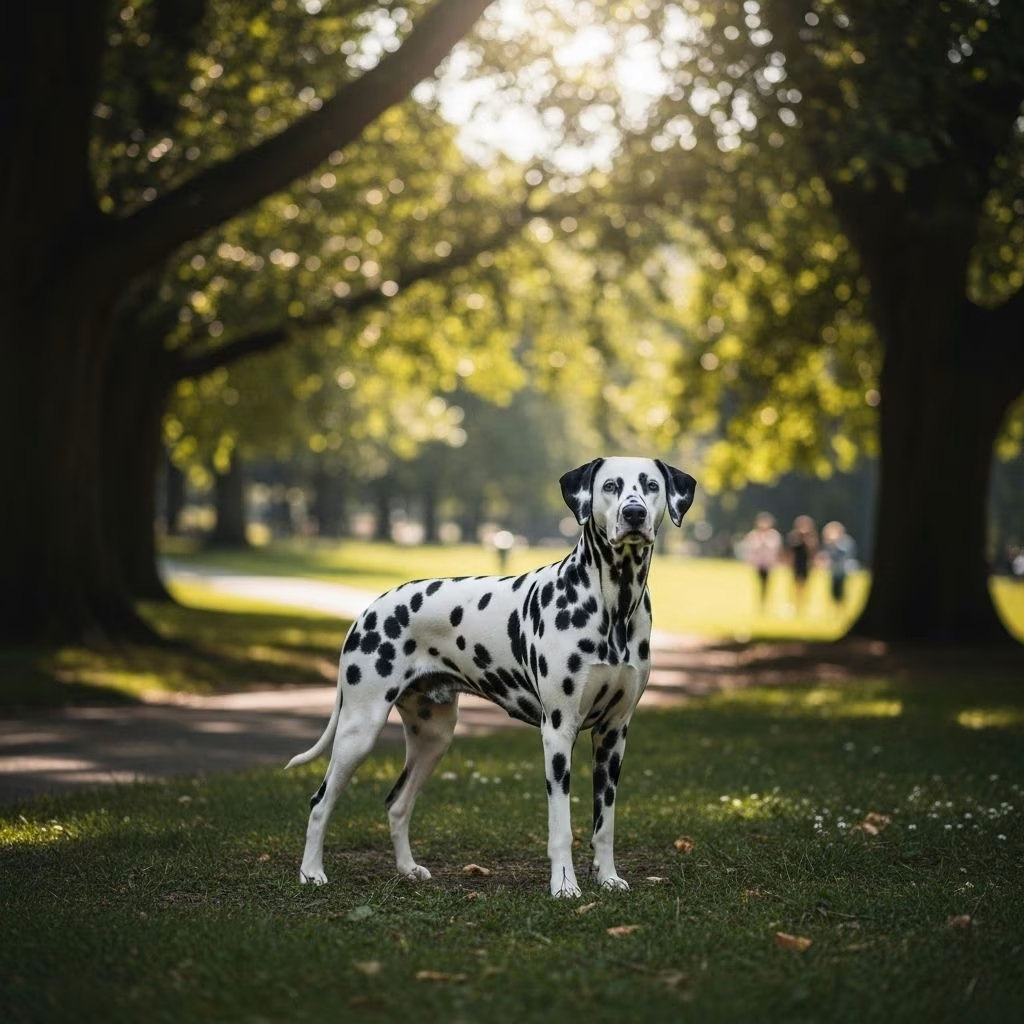
Dalmatian Dog Breed Overview
The Dalmatian is a distinguished breed, instantly recognized for its iconic black or liver spots set against a dazzling white coat. Beyond its memorable appearance made famous by film and folklore, the Dalmatian holds a rich history as an athletic, intelligent, and loyal companion. This breed is known for its boundless energy, historic roles alongside horse-drawn carriages, and enduring bond with firefighters. If you’re considering bringing a Dalmatian into your home, learning about their origins, personality, and care needs is essential to ensure a happy, healthy life together.
The History and Origins of the Dalmatian
The Dalmatian’s heritage spans centuries and continents, blending fact with legend. The true origins of the Dalmatian are shrouded in mystery. While many associate the breed’s name with the region of Dalmatia—a coastal area along the Adriatic Sea in modern-day Croatia—the exact geographical and genetic origins remain uncertain. The breed’s signature spots have appeared in ancient Egyptian artifacts, Greek frescoes, and numerous paintings across Europe, demonstrating the Dalmatian’s longstanding presence in human history .
- Ancient Traces: Spotted dogs similar to Dalmatians are seen in ancient Egyptian and Greek art, often depicted as hunting or guardian dogs .
- Name Origin: The term “Dalmatian” entered usage relatively late, with early written references such as Petar Bakic’s 1719 text describing the breed as “Canis Dalmaticus” .
- European Fame: By the Middle Ages and Renaissance, Dalmatians were associated with European nobility, frequently serving as carriage dogs—running alongside horse-drawn coaches, offering both protection and companionship .
- Versatility: Throughout history, Dalmatians have been carriage dogs, hunters, guards, vermin hunters, and performers. Their intelligence and agility made them beloved circus dogs and loyal protectors .
Despite their debated origins, Dalmatians have always been admired for their endurance, courage, and striking looks. Their connection to horses profoundly influenced their temperament and working instincts.
From Carriage Dog to Firehouse Mascot
Dalmatians’ natural affinity for horses positioned them as invaluable carriage dogs, clearing streets and guarding stables. As firefighting in the United States and Europe evolved in the 1800s—with horse-drawn fire engines being the norm—the Dalmatian found a prominent new role. Running ahead of the engines, they acted as living sirens, barking to alert pedestrians and guiding the horses through chaos .
- Protector of Horses: Dalmatians’ presence helped keep the often-skittish horses calm amid alarms, noise, and smoke at bustling fire scenes .
- Firehouse Guardians: Even as motorized firetrucks replaced horses, Dalmatians remained in firehouses as loyal mascots, their image forever woven into the culture of firefighting .
- Modern Roles: Today, they feature in parades and public events, such as accompanying the famed Anheuser-Busch Clydesdales. They no longer run beside fire engines, but their role as a symbol of bravery and loyalty endures .
Dalmatian Appearance and Physical Traits
The Dalmatian’s build is strong yet refined, befitting its athletic heritage. Some of the most notable features include:
- Coat: Short, dense, and sleek white coat with distinctive black or liver-colored spots.
- Size: Medium-sized; males stand 21–23 inches and females 19–22 inches tall at the shoulder. Adult weight ranges from 45 to 70 pounds.
- Eyes: Usually dark brown, though blue or one blue/one brown (heterochromia) may occur.
- Build: Muscular, balanced, and elegant—developed for stamina and speed, with a straight back and deep chest.
- Tail: Tapered and carried with a gentle upward curve.
Spotting and Color Variations
Dalmatians are almost always born pure white; their unique spots develop within a few weeks. Every Dalmatian is unique—the size, shape, and arrangement of their spots create an individual pattern for each dog. The primary colors are:
- Black spots on a white background (most common).
- Liver (brown) spots on a white background.
Dalmatian Personality and Temperament
The Dalmatian’s temperament is as vibrant as its appearance. Bred for endurance and intelligence, these dogs are active, energetic, and alert. Their history as protectors and companions has shaped a distinct personality profile:
- Energetic: Dalmatians need regular, vigorous exercise and mental stimulation to remain healthy and well-behaved.
- Affectionate: Deeply devoted to their families, Dalmatians thrive on human attention and companionship. They can be especially attached to one or two main people.
- Playful: They love games, running, and outdoor adventures. Their playful nature makes them fabulous additions to active households.
- Protective: Historically, their guarding instincts made them aloof with strangers but loyal to and protective of those they know .
- Intelligent: Highly trainable when motivated with positive, consistent reinforcement. They can be strong-willed or stubborn if bored or under-stimulated.
- Sensitive: Responsive to their environment and the emotions of people around them. They don’t do well with harsh training or chaotic households.
Socialization and Family Dynamics
Properly socialized Dalmatians tend to be friendly and good with children. They usually get along with other pets, especially when raised together, though their high prey drive means care should be taken around small animals.
Due to their strength and exuberance, supervision and structured play with small children are recommended. Training and early socialization are crucial to nurture their best traits.
Common Health and Genetic Concerns
Like all purebred dogs, Dalmatians are predisposed to certain health issues. Responsible breeders test for hereditary problems and strive to improve the breed’s overall health.
| Health Issue | Description | Preventive Actions |
|---|---|---|
| Deafness | Up to 30% of Dalmatians may be born deaf in one or both ears due to a genetic trait affecting the inner ear. | BAER (Brainstem Auditory Evoked Response) testing of puppies before sale/adoption; avoid breeding deaf dogs. |
| Urinary Stones | Dalmatians have unique uric acid metabolism, making them prone to urinary stones (urolithiasis). | Special diets, ensure fresh water access, and regular veterinary checks. |
| Skin Allergies | Some individuals may develop reactions to food or environmental allergens. | Work with a vet to identify and manage triggers. |
| Hip Dysplasia | Abnormal development of the hip joint may cause discomfort or lameness. | Screening parent dogs; healthy weight management; appropriate exercise. |
Lifespan
The typical lifespan of a well-cared-for Dalmatian is 11–13 years, though some live longer.
Dalmatian Care: Grooming, Exercise, and Nutrition
Grooming Needs
Dalmatians are low maintenance in terms of coat care, but they do shed consistently throughout the year.
- Brushing: Use a soft brush or grooming mitt 1–2 times per week to control shedding and remove loose hair.
- Bathing: Bathe as needed—generally every few months or when dirty.
- Ear and Dental Care: Clean ears regularly and brush teeth several times per week to prevent infections and dental issues.
- Nail Trimming: Keep nails short for comfort and health.
Exercise Requirements
Dalmatians have boundless energy and athleticism. Adequate exercise is critical to their physical and mental well-being.
- Provide daily vigorous exercise: long walks, running, games, and interactive play.
- Consider agility, obedience, tracking, or other dog sports to channel their intelligence.
- Lack of exercise may lead to boredom, frustration, and destructive behaviors.
Nutrition
- Diet: Feed a balanced, high-quality commercial or veterinary-supervised home-prepared diet.
- Hydration: Plenty of fresh water is vital, especially to minimize risk of urinary stones.
- Treats and extras: Use sparingly; monitor calorie intake to avoid obesity.
Ideal Home and Lifestyle for a Dalmatian
- Environment: Dalmatians thrive in active households with space to run and play. They do best in homes with a fenced yard.
- Companionship: They do not like being left alone for long periods and may develop separation anxiety or become destructive if ignored.
- Experience Level: They are suitable for experienced dog owners who are prepared to provide training, structure, and consistent exercise. First-time owners must be committed to meeting their needs.
Training and Socialization Tips
- Start socialization and positive reinforcement training early—in puppyhood, if possible.
- Keep training sessions short, fun, and varied; avoid harsh or punitive methods.
- Expose your Dalmatian to new environments, people, animals, and experiences to foster a confident, well-adjusted personality.
Adopting or Purchasing a Dalmatian
There are many ways to welcome a Dalmatian into your family:
- Rescue organizations and shelters: Many Dalmatians and Dalmatian mixes need loving homes. Adoption is a rewarding choice for those seeking a companion and wishing to support animal welfare.
- Reputable breeders: If choosing a puppy, work with an ethical breeder who tests adult dogs for health issues and raises puppies in a nurturing environment.
- Research: Ask about parental health, temperament, and socialization practices. Visit the facility, meet the dogs, and review contracts and health guarantees.
Interesting Facts About Dalmatians
- Born Almost All White: Dalmatians are usually born with solid white coats; their spots emerge within the first weeks of life.
- Firehouse Symbol: Their history as firehouse dogs is commemorated throughout artwork, pop culture, and tradition worldwide.
- Highly Intelligent and Energetic: Ideal for families who enjoy an active, outdoor lifestyle.
- Fame in Fiction: The breed reached pop-culture icon status with Disney’s “101 Dalmatians.”
Frequently Asked Questions (FAQs)
Q: Are Dalmatians good family dogs?
A: Yes, Dalmatians are affectionate, loyal, and playful. They thrive in active homes where they receive plenty of exercise, attention, and proper training. Early socialization is key for good behavior with children and other pets.
Q: How much exercise does a Dalmatian need?
A: Dalmatians require at least 1–2 hours of active physical exercise daily. This can include running, walking, playing, and participating in dog sports to satisfy their athletic needs and mental stimulation.
Q: Do Dalmatians shed a lot?
A: Yes, Dalmatians shed year-round despite having short coats. Weekly brushing helps manage shedding and keeps their coat healthy.
Q: Are Dalmatians easy to train?
A: Dalmatians are highly intelligent but can be independent or stubborn. Consistent, patient, and positive training techniques are the most effective. Early training and socialization are important for best results.
Q: Are Dalmatians prone to any health problems?
A: They are more susceptible to congenital deafness and urinary stones due to their unique genetics. Awareness and preventive health care can minimize risks. Regular veterinary checks are essential.
Conclusion
The Dalmatian stands as a symbol of canine elegance, endurance, and loyalty. Ideal for active, experienced owners, these striking, intelligent dogs thrive in stimulating environments with ample opportunity to exercise and be a true companion. Whether you’re captivated by their unique look, storied history, or lively personality, with the right care, a Dalmatian can be an irreplaceable member of your family.
References
- https://ccdalmatians.com.au/historyorigin-of-the-dalmatian/
- https://www.akc.org/expert-advice/dog-breeds/dalmatian-history/
- https://www.thedalmatianassociation.org.uk/history/
- https://www.thefarmersdog.com/digest/dalmatian-guide-history-personality-care/
- https://dalmatianclubofamerica.org/dalmatian-history/
- https://www.youtube.com/watch?v=QRzbdV54yhg
- https://www.hillspet.com/dog-care/dog-breeds/dalmatian


