Australian Shepherd: Complete Breed Guide & Care Essentials
The Australian Shepherd, often affectionately referred to as the “Aussie,” is a highly intelligent, energetic, and versatile breed cherished for its strong work ethic, agility, and loyal companionship. This guide covers everything prospective and current owners need to know—from breed history and physical traits to temperament, training, care requirements, and common health questions. Whether you’re considering adding an Australian Shepherd to your household or deepening your understanding of the breed, this article delivers researched, practical insights for every stage of the Aussie owner’s journey.
Breed Overview
- Origin: United States (despite the name)
- Group: Herding
- Height: 18–23 inches (male: 20–23 in, female: 18–21 in)
- Weight: 40–65 pounds (male: heavier)
- Coat: Medium-length, double coat (straight or wavy)
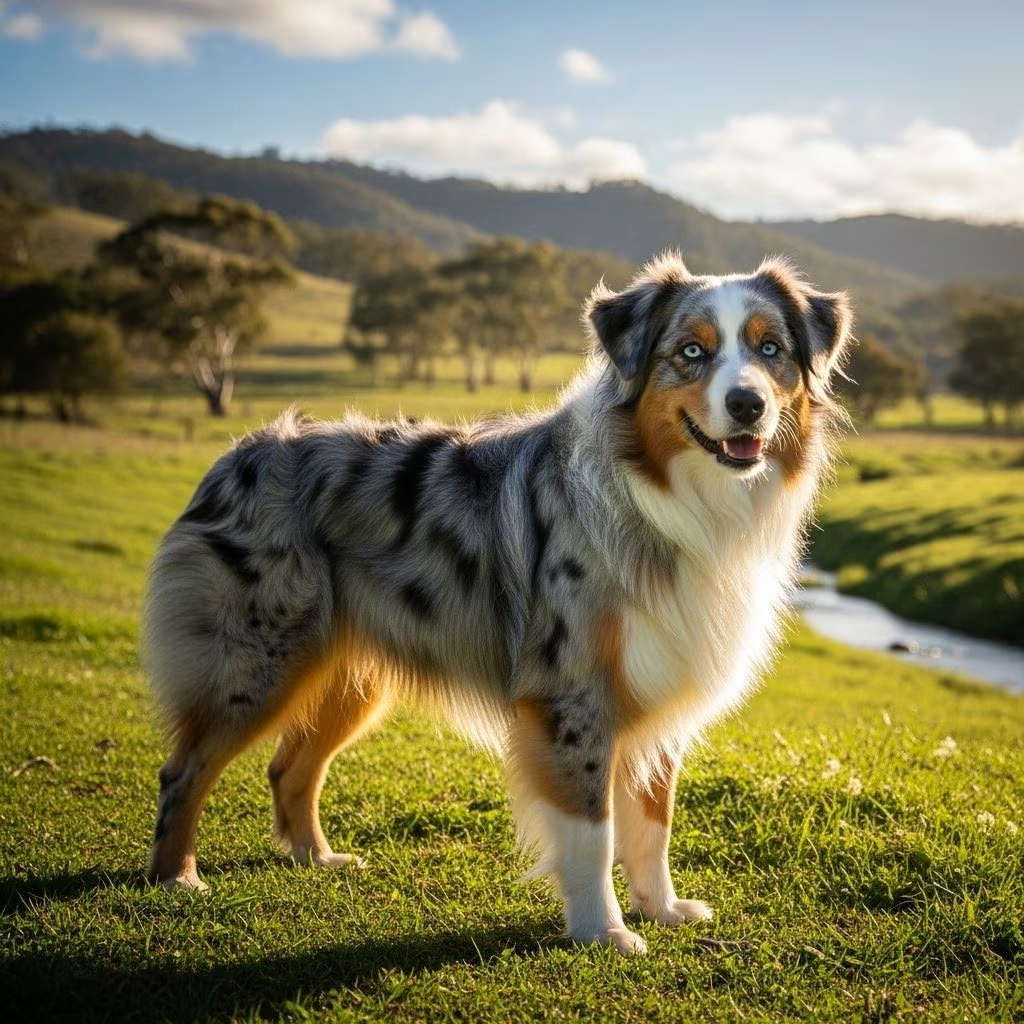
- Colors: Blue merle, red merle, solid black, solid red—all may have white and/or tan points
- Life Expectancy: 12–15 years
- Personality: Intelligent, loyal, energetic, reserved with strangers
History and Origins
Despite its name, the Australian Shepherd was developed in the United States. The breed’s origins trace back to the late 19th and early 20th centuries, where they were refined by American ranchers using a mix of imported herding dogs—some of which arrived with flocks of Australian sheep. Their agility, endurance, and herding instincts quickly made them indispensable helpers for managing livestock in the rough terrains of the American West.
The breed rose to wider popularity in the mid-20th century, especially after being featured in rodeos, television shows, and films, thanks to their intelligence and trainability. Aussies today thrive in both rural and suburban environments, provided their mental and physical needs are fulfilled.
Physical Characteristics
| Feature | Description |
|---|---|
| Size | Medium; Males: 20–23 in / 50–65 lbs; Females: 18–21 in / 40–55 lbs. |
| Build | Balanced, athletic, slightly longer than tall |
| Coat | Medium-length, weather-resistant, dense undercoat, feathered rear legs |
| Colors | Blue merle, red merle, solid black, solid red (with/without white, tan) |
| Tail | Naturally bobbed or long; often docked in the US (where legal) |
| Eyes | Brown, blue, amber, or any combination (heterochromia possible) |
The Australian Shepherd’s expressive, almond-shaped eyes can be uniquely colored, adding to their characteristic appeal. Their coats, renowned for diversity in both pattern and color, require regular maintenance to look and feel their best.
Personality and Temperament
Aussies are highly intelligent, eager to please, and energetic. Originally bred as herding dogs, they possess a strong drive to work and solve problems, making them both delightful companions and challenging for inexperienced owners.
- Intelligent: Capable of quickly learning new commands, tricks, and routines.
- Trainable: Responds well to positive reinforcement and enjoys mentally stimulating activities.
- Protective: Loyal to their families, Aussies are often reserved or cautious with strangers but not inherently aggressive.
- Energetic: Requires daily outlets for their vibrant energy through play, training, or work.
- Adaptive: Can adjust to new routines and environments if their needs are met.
Without regular mental and physical stimulation, Aussies may exhibit destructive or anxious behaviors. Socialization from an early age is crucial to ensure balanced interactions with people, children, and other animals.
Living with an Australian Shepherd
Australian Shepherds are best suited to active families and individuals who can engage their mind and body. They excel in environments where they have space to run, tasks to perform, and owners committed to training.
- Best in homes with fenced yards or safe, large outdoor areas
- Requires at least 1–2 hours of vigorous exercise daily
- Thrives with plenty of interactive play, agility, and advanced obedience training
- Highly adaptable to canine sports, outdoor adventures, and challenging games
- May attempt to herd children or other pets—a herding instinct that owners should manage appropriately
While adaptable, Aussies are not ideal for sedentary lifestyles or for being left alone for extended periods. Without adequate attention, they may invent their own activities, including digging, escaping, chewing, or other unwanted behaviors.
Training and Socialization
Early training is vital for Australian Shepherds, leveraging their intelligence and eagerness to please. Consistent, positive reinforcement techniques—rewarding desired behaviors with treats, praise, and play—work best. Structure and boundaries ensure your Aussie remains well-mannered both at home and in public.
- Obedience Training: Teaches basic commands and manners; essential for channeling energy productively.
- Socialization: Expose your Aussie to various people, places, animals, and experiences from an early age to reduce wariness around strangers.
- Enrichment: Puzzle toys, advanced tricks, scent games, and participation in canine sports can prevent boredom and anxiety.
- Leadership: Aussies thrive when given a confident, consistent leader and a daily routine.
Owing to their strong problem-solving abilities, Australian Shepherds can become adept at escaping enclosures—fence security is vital. Avoid repetitive or harsh training methods, as Aussies become stressed or develop undesirable behaviors if handled roughly or without clarity.
Exercise and Activities
Aussies are happiest when given regular opportunities to expend energy both physically and mentally. Owners should plan for structured activities each day:
- Daily walks or jogs (minimum of 60–120 minutes combined)
- Off-leash play in secure areas
- Canine sports such as:
- Agility
- Herding
- Obedience trials
- Disc (Frisbee)
- Flyball
- Dock diving
- Games that challenge their mind—like hide-and-seek, scent work, and advanced training
If their daily exercise needs are not met, Aussies may channel their energy into unwanted or destructive activities. Herding-type behaviors (such as chasing or nipping running children or pets) can be managed through structured activities and appropriate redirection.
Grooming Needs
The Australian Shepherd’s double-layered coat requires care to stay healthy and attractive:
- Brushing: Minimum once a week; more frequently during shedding seasons
- Bathing: As needed, typically every 6–8 weeks; more often if active outdoors
- Nail Trimming: Every 3–4 weeks to prevent discomfort or injury
- Ear and Dental Care: Regular ear checks and teeth brushing help prevent infection and dental disease
Routine grooming not only keeps Aussies looking good but also prevents matting and reduces shedding. Owners should check for burrs, ticks, and other debris—especially after adventures in nature.
Diet and Nutrition
Aussies need a balanced, nutrient-rich diet to fuel their high energy lifestyles. Their food intake should be adjusted based on activity level, age, and metabolic rate.
- Feed high-quality, protein-rich dry kibble or well-formulated raw/home-cooked meals (consult a vet for specifics)
- Divide daily rations into 2 meals to avoid gastrointestinal issues
- Provide fresh water at all times
- Monitor body condition—Aussies can be prone to weight fluctuations depending on exercise
Puppies, active adults, and working Aussies may have higher caloric demands. Adjust treats and meal portions to maintain a healthy weight, especially if activity decreases with age or due to injury.
Health and Lifespan
The Australian Shepherd is generally a robust and healthy breed, with a typical lifespan of 12–15 years. Responsible breeding and regular veterinary care help minimize health risks, but Aussies can still be prone to certain inherited and general canine medical issues, including:
- Hip and Elbow Dysplasia: Joint issues that may result in pain and mobility issues
- Progressive Retinal Atrophy (PRA): Genetic eye disorder that can lead to vision loss
- Collie Eye Anomaly (CEA): Another genetic eye disease
- Epilepsy: Seizure disorder observed in some lines
- MDR1 Gene Mutation: Sensitivity to certain drugs due to a genetic variation
- Autoimmune Disorders: Like hypothyroidism
Routine veterinary checkups, health screenings (especially before breeding), and vaccinations are critical. Responsible breeders test their Aussies for common genetic disorders before placing puppies.
Common Signs to Watch For:
- Limping or difficulty standing
- Changes in vision (bumping into things, cloudy eyes)
- Seizures or unexplained collapse
- Sudden changes in energy level or appetite
Careful observation and quick veterinary attention help minimize health problems and improve longevity.
Is the Australian Shepherd Right for You?
The Australian Shepherd is an excellent choice for individuals and families seeking an active, loyal, highly intelligent companion—especially those with time for training, exercise, and regular engagement. An Aussie is likely not the best fit for those seeking a low-maintenance or sedentary pet, as their needs for attention, structure, and activity are significant. However, for the right owner, their zest, devotion, and versatility are unbeatable.
- Ideal for: Active families, dog sport enthusiasts, rural or suburban homes, experienced or committed owners
- Challenging for: Sedentary households, those unable to provide daily structured activity, people seeking a relaxed lapdog
Frequently Asked Questions (FAQs)
How much exercise does an Australian Shepherd need daily?
Most Aussies need a minimum of one to two hours of vigorous exercise each day, which can include long walks, high-energy play sessions, training, and canine sports.
Are Australian Shepherds good with young children and other pets?
Yes, with proper socialization and training, Aussies are affectionate with children and can get along with other pets. Their herding instincts may lead to attempts to herd running children or animals, so supervision is recommended.
Do Australian Shepherds shed a lot?
Yes, they have a moderate to high shedding level, especially during seasonal coat changes. Regular brushing helps manage loose hair and prevent matting.
Are Australian Shepherds easy to train?
Absolutely. Their intelligence and eagerness to please make them highly responsive to positive, consistent training. Early socialization and obedience training are essential for best results.
Can an Australian Shepherd live in an apartment?
While adaptable, Aussies are best suited to homes with secure outdoor space. Apartment living is possible only with a committed owner who can meet their exercise and mental stimulation needs every day.
What are common health problems in Australian Shepherds?
Some Aussies may develop hip dysplasia, certain eye conditions, epilepsy, and may have the MDR1 gene mutation, making them sensitive to certain drugs. Regular vet checkups and screenings are recommended.
How long do Australian Shepherds live?
The typical lifespan is 12 to 15 years, depending on overall health, genetics, and quality of care throughout life.
Quick Summary Table: Australian Shepherd at a Glance
| Trait | Details |
|---|---|
| Energy Level | High |
| Good with Children | Yes (with supervision) |
| Good with Other Pets | Usually (with proper socialization) |
| Trainability | Excellent |
| Shedding | Moderate–High |
| Grooming | Weekly brushing; more when shedding |
From their infectious enthusiasm and brilliant minds to their unmatched athleticism, the Australian Shepherd is a captivating breed for those ready to keep pace—a loyal friend and brilliant partner in all of life’s adventures.
References
- https://www.akc.org/dog-breeds/australian-shepherd/
- https://www.southtexasaussierescue.org/raising-an-australian-shepherd-temperament-and-development/
- https://asca.org/aussies/about-aussies/personality-and-character/
- https://www.thesofetch.com/blog/pros-and-cons-of-owning-an-australian-shepherd
- https://www.hillspet.com/dog-care/dog-breeds/australia-shepherd
- https://www.greencrossvets.com.au/pet-library/dogs/breed-guides/australian-shepherd-owners-guide/
- https://en.wikipedia.org/wiki/Australian_Shepherd