The American Pit Bull Terrier (APBT) is a loyal, energetic, and intelligent dog known for its athleticism and strong bonds with family. Despite the controversies surrounding the breed, responsible ownership reveals a devoted companion with unique capabilities.
Breed Overview
- Breed Group: Terrier
- Height: 17–19 inches (male), 17–18 inches (female)
- Weight: 30–85 pounds
- Life Expectancy: 12–16 years
- Coat: Short, smooth, and glossy
- Temperament: Affectionate, intelligent, confident
- Colors: All colors and patterns except merle
History and Origin
The American Pit Bull Terrier traces its roots to 19th-century England, where breeders crossed Bulldogs with various Terrier breeds to create a powerful, agile working dog. Initially, these ancestors were used for bull-baiting—a violent and now-banned spectator sport. As the practice faded, the breed’s tenacity and athleticism found new roles as versatile farm dogs and family companions. Over time, careful breeding in the United States shaped the modern APBT, recognized for its strength, intelligence, and affectionate temperament toward humans.
Physical Characteristics
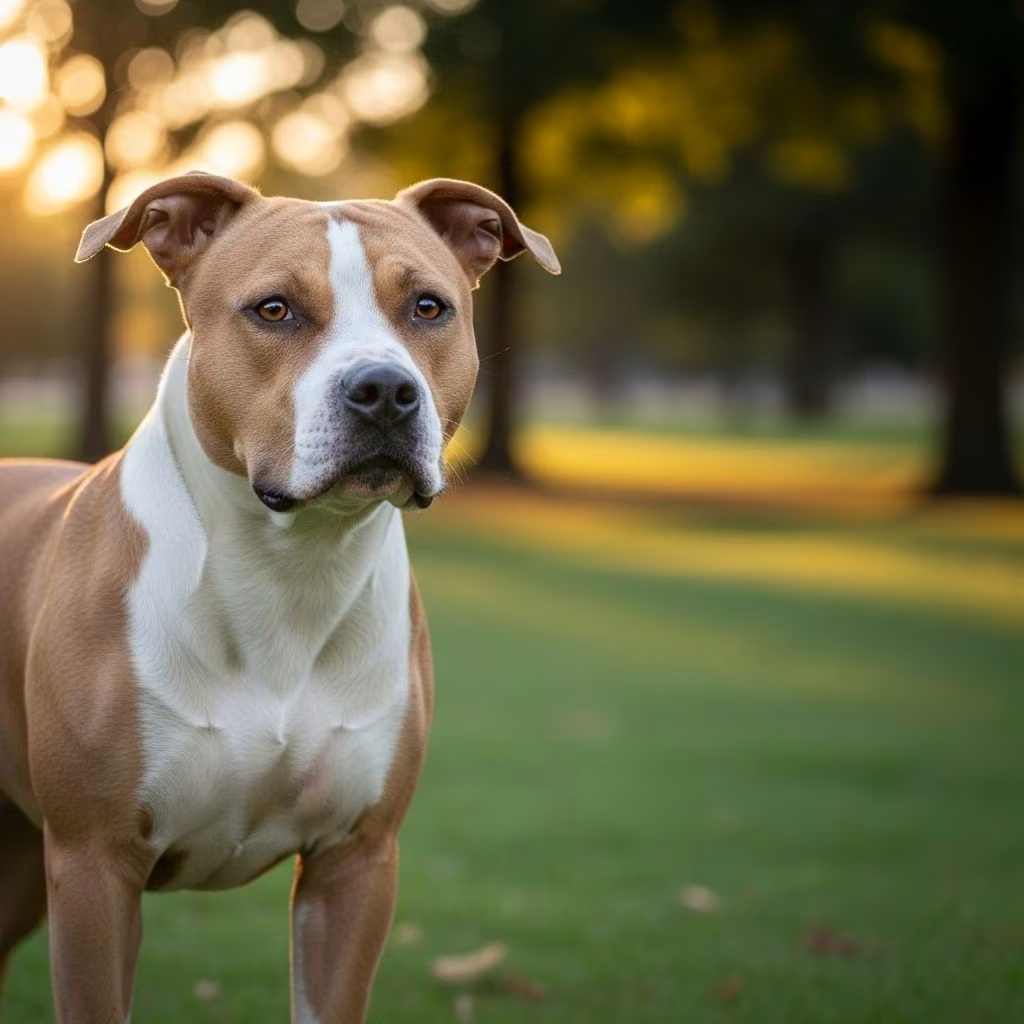
The American Pit Bull Terrier is a medium-sized, muscular, and athletic dog notable for its powerful yet balanced build. Its appearance conveys confidence, agility, and readiness for activity.
- Build: Well-defined musculature, solid, yet not bulky or heavy-set
- Body Proportions: Slightly longer than tall, compact, with a low center of gravity
- Head: Broad, flat skull; deep, wide muzzle
- Ears: Small to medium, set high, can be natural or cropped
- Tail: Short, thick at the base, tapers to a point, carried low
- Coat and Color: Short, smooth, low-maintenance; comes in nearly all colors and patterns except merle
The APBT should never appear ‘overdone’—overly massive heads, bodies, or short legs that impede function are considered faults. The ideal dog balances muscle, grace, and functional capability.
Personality and Temperament
Despite their sometimes controversial reputation, American Pit Bull Terriers are generally affectionate, loyal, and eager to connect with people. Breed standards consistently consider aggression toward humans as a disqualifying fault. The APBT’s personality is formed by:
- Affectionate Nature: Display deep bonds with family, often described as ‘people dogs’
- Intelligence: Quick learners, responsive to training—especially positive reinforcement
- Confidence: Outgoing, lively, and always ready for play or work
- Playfulness: Energetic, love interactive games and outdoor activities
- Watchfulness: Observant and aware—may alert families to newcomers, but are usually friendly with strangers
- Protective Instinct: While not ideal guard dogs, their courage and loyalty drive them to defend loved ones if necessary
Socialization is critical for this breed. APBTs require frequent exposure to various people, sights, sounds, and other dogs from an early age to ensure a well-rounded temperament.
Common Misconceptions & Media Portrayal
The American Pit Bull Terrier’s image has been shaped profoundly by media portrayal and misunderstanding. Sensationalized reports have exaggerated the breed’s risks, while scientific studies note that confusion with other similar-looking breeds often skews data.
- Media Bias: News outlets may label any muscular, short-haired dog as a ‘Pit Bull,’ complicating bite statistics and public perception.
- Adoption Challenges: Due to negative stereotypes, APBTs have lower adoption rates and may face breed-specific legislation in some areas.
- Reality: When properly raised and socialized, the APBT can be as safe, friendly, and even-tempered as any other breed.
Living Needs and Environment
The APBT thrives in homes that provide structure, activity, and affection. Their physical and mental well-being depends on informed care and plenty of opportunities for engagement.
- Fencing: The APBT’s agility makes them excellent climbers. Secure, tall fencing is required to prevent escapes.
- Space Requirements: While adaptable to smaller homes with enough exercise, APBTs flourish with room to run and play.
- Family Companionship: Want to be close to their people and are not suited to long hours of isolation.
- Multi-pet Households: Early socialization is important. Some APBTs are predisposed to dog-on-dog aggression, particularly same-sex aggression.
Training and Socialization
An American Pit Bull Terrier’s intelligence makes them a joy to train when approached with patience and consistency. Their eagerness to please is best harnessed through firm, positive reinforcement.
- Early Training: Begin with basic obedience and house rules when still a puppy.
- Socialization: From a young age, introduce the dog to a wide variety of people, settings, animals, and experiences.
- Positive Reinforcement: Use praise, treats, toys, and affection to reward good behavior.
- Consistency: APBTs respond best to clear, consistent expectations and routines.
- Avoid Negative Methods: Harsh punishment can foster fear or defensive aggression and damages trust.
Given their strength and intelligence, APBTs excel in canine sports such as obedience, agility, rally, and weight pulling. These activities provide not only physical exercise but also valuable mental stimulation.
Exercise Requirements
This breed is exceptionally energetic and needs substantial daily mental and physical activity to avoid boredom and destructive behaviors.
- At least one to two hours of vigorous activity every day
- Long walks, jogs, or hikes
- Interactive play such as fetch, tug, or frisbee
- Training sessions that challenge their mind
- Canine sports participation is highly encouraged
Health and Lifespan
American Pit Bull Terriers are generally robust and healthy. Responsible breeders screen for inherited health problems and maintain high standards for parent animals’ health and temperament. Typical lifespan is 12–16 years.
Common Health Issues
- Hip Dysplasia: Abnormal development of hip joint, leading to pain or lameness
- Allergies: Can be prone to skin and food allergies, resulting in itching or discomfort
- Thyroid Dysfunction: Hypothyroidism can cause lethargy, weight gain, or skin issues
- Knee Problems: Patellar luxation or ligament injuries may appear in active individuals
- Heart Disease: Particularly congenital forms
Routine veterinary care, regular vaccinations, and dental hygiene are all essential parts of keeping an APBT healthy.
Grooming and Maintenance
With their short, single coat, American Pit Bull Terriers are relatively low-maintenance. Regular grooming helps keep them comfortable and healthy.
- Brushing: Weekly use of a soft bristle brush or grooming mitt helps manage shedding
- Bathing: Bathe as needed, typically every 4–8 weeks or when dirty
- Nail Care: Trim nails regularly to prevent cracking and injury
- Ear Cleaning: Regular checks to clear debris and prevent infections
- Dental Hygiene: Brush teeth several times per week and provide dental chews
Diet and Nutrition
Feeding your American Pit Bull Terrier a balanced, high-quality diet helps ensure a healthy, active life. Caloric needs depend on age, weight, activity level, and metabolic rate.
- Puppies: Feed life-stage-appropriate puppy food 3–4 times daily
- Adults: 2 meals per day of adult maintenance dog food with animal proteins listed as primary ingredients
- Senior dogs: May require fewer calories and joint support formulas
- Always provide access to fresh, clean water
- Monitor for overfeeding—this breed can be prone to weight gain if exercise needs are not met
Living With an American Pit Bull Terrier
The APBT makes a rewarding companion for active, attentive families. They crave close connection and require owners committed to positive training, daily exercise, and proactive socialization.
- Not for novice owners—ideally matched with experienced handlers ready to manage their strength
- Can be wonderful family pets, especially with older children
- May need to be the only dog or carefully managed around other animals, especially those of the same sex
- Are not recommended as guard dogs, due to their friendliness with strangers
- Best kept indoors as close companions, not left outside or isolated for long periods
Frequently Asked Questions (FAQs)
Q: Are American Pit Bull Terriers aggressive dogs?
A: When responsibly bred and properly socialized, APBTs are not inherently aggressive toward people. Human aggression is considered a serious fault by breed standards. However, some individuals may show dog-directed aggression. Early and ongoing socialization is key.
Q: Are Pit Bulls good family pets?
A: Yes, APBTs are known for their strong bonds with families and can be affectionate, loyal companions. They do best with owners who provide structured, positive training and supervision, especially around children due to their strength and energy.
Q: How much exercise does an APBT need?
A: These dogs are extremely active and athletic. They require at least 1–2 hours of daily exercise, which should include both physical and mental activities.
Q: Do American Pit Bull Terriers require special grooming?
A: The breed’s short coat needs only weekly brushing and occasional baths. Regular nail trimming, ear cleaning, and dental care are also important.
Q: What health problems are common in Pit Bulls?
A: Common issues include hip dysplasia, skin allergies, thyroid dysfunction, and heart disease. Regular veterinary checkups help address these concerns early.
Summary Table: American Pit Bull Terrier at a Glance
| Characteristic | Details |
|---|---|
| Size | Medium (17–19 inches, 30–85 lbs) |
| Coat | Short, smooth, low maintenance |
| Life Expectancy | 12–16 years |
| Temperament | Loyal, energetic, affectionate |
| Exercise Needs | High—at least 1–2 hours/day |
| Family Friendly | Yes, with training and socialization |
Final Thoughts on the APBT
The American Pit Bull Terrier is a breed of remarkable spirit, devotion, and resilience. Its history is complex, its character misunderstood, but its potential as a beloved family member is clear when placed with dedicated, informed owners. With responsible breeding, training, and care, the APBT exemplifies why it remains one of the world’s most dynamic and loving companion breeds.
References
- https://www.ukcdogs.com/american-pit-bull-terrier
- https://en.wikipedia.org/wiki/American_Pit_Bull_Terrier
- https://www.petscreening.com/blog/what-you-need-to-know-about-the-american-pit-bull-terriers-temperament
- https://dogtime.com/dog-breeds/american-pit-bull-terrier
- https://www.petmd.com/dog/breeds/american-pit-bull-terrier
- https://www.hillspet.com/dog-care/dog-breeds/american-pit-bull-terrier