Introduction to the Bull Terrier
The Bull Terrier is a breed that combines a distinctive egg-shaped head with a muscular, compact body and a spirited personality. Known for being playful, energetic, and affectionate, these dogs thrive on interaction and activity. Originally bred in 19th-century England by crossing Bulldogs with various terriers, the Bull Terrier was initially a pit fighter but has evolved into a beloved companion.
Bull Terrier Breed History
The Bull Terrier’s origins date back to the 1830s in England, where they were initially bred from Bulldogs and old-style terriers to create a dog that combined the tenacity and strength of the Bulldog with the agility and drive of the terrier. The breed was first developed for dogfighting, but as that bloodsport was outlawed, breeders sought to refine both appearance and temperament, aiming for a more gentlemanly and sociable dog.
The iconic “egg-shaped” head was a hallmark developed for distinction and became a breed standard. The popularity of the Bull Terrier grew over time, especially after prominent appearances in pop culture, such as Spuds Mackenzie in Budweiser commercials.
Physical Characteristics
| Feature | Description |
|---|---|
| Height | 21–22 inches (at the shoulder) |
| Weight | 50–70 pounds |
| Lifespan | 12–13 years |
| Coat | Short, dense, and smooth |
| Color Variations | White (most common) or colored (black, brindle, fawn, red, etc.) |
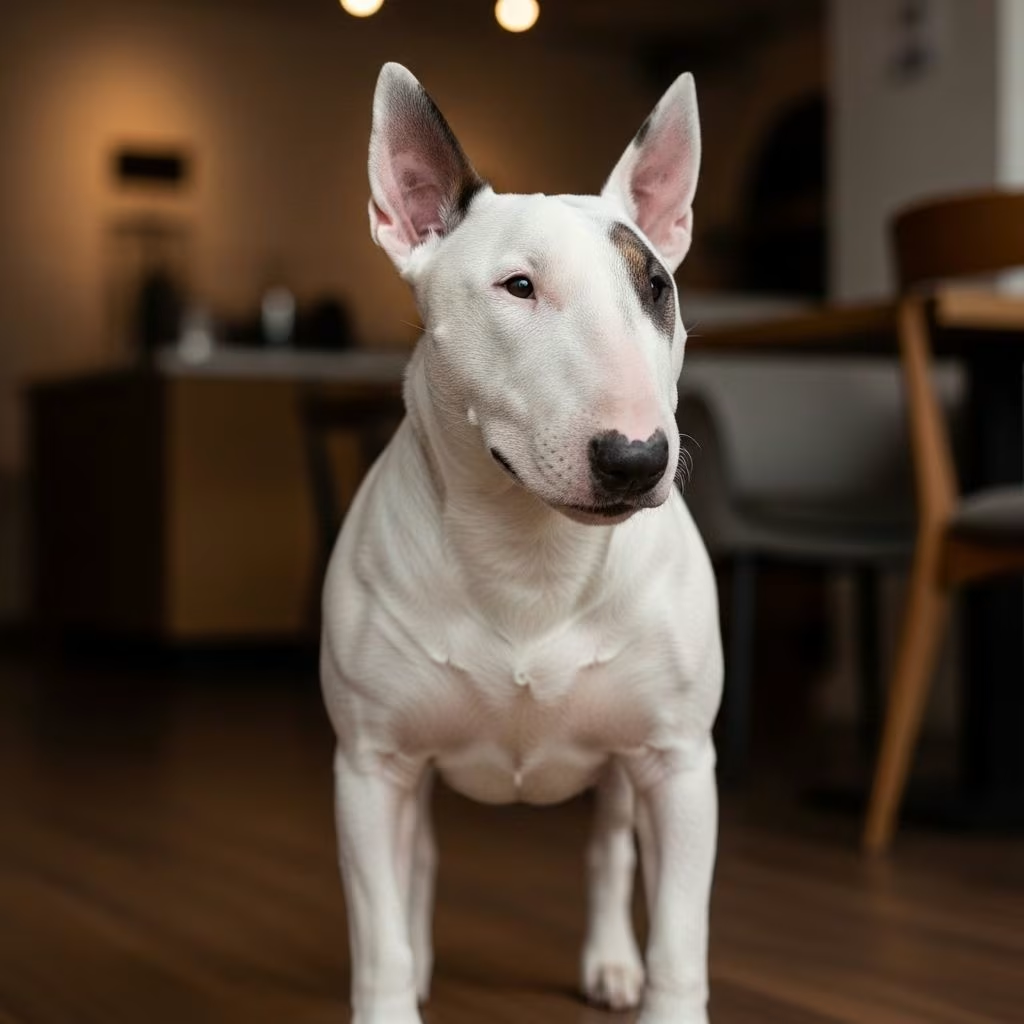
| Distinctive Features | Egg-shaped head, triangular eyes, small erect ears, sturdy build |
The Bull Terrier is instantly recognizable by its unique head—often described as “egg-shaped”—small, erect ears, and a muscular body. They have a short, smooth coat, which is easy to maintain with regular brushing and the occasional bath.
Temperament and Personality
Bull Terriers are celebrated for their playful, mischievous, and energetic personalities. They’re often described as “the kid in a dog suit” due to their clownish antics and boundless enthusiasm for play. They are affectionate and loyal to their families, often forming strong bonds with their owners.
- Energetic and Playful: Bull Terriers have high energy levels and need plenty of exercise and mental stimulation.
- Loyal and Affectionate: They are devoted to their families and love being involved in household activities.
- Strong-Willed and Stubborn: These dogs require consistent training and confident leadership.
- Protective Instincts: While not guard dogs, they will defend their owners if necessary.
- Sociability: With early socialization, they can get along well with people, including children, but may not be suitable for homes with very young kids due to their boisterous nature.
Bull Terriers can be assertive toward other dogs, especially those of the same sex, and have a strong prey drive, so caution is needed around small pets. They respond best to positive reinforcement and regular training sessions.
Care and Grooming
The Bull Terrier’s short coat requires minimal grooming: a weekly brush and occasional baths are usually sufficient. They are relatively low-maintenance in terms of coat care.
Exercise Needs: Bull Terriers are high-energy dogs that need daily vigorous exercise—long walks, runs, and play sessions are essential to keep them physically and mentally healthy. Without enough activity, they can become bored and destructive.
Training: These dogs are intelligent but can be stubborn, so training should be consistent, positive, and firm. Early socialization is critical to prevent aggression toward other dogs and animals. Bull Terriers enjoy dog sports such as agility and obedience, which also serve as great outlets for their energy.
Living Conditions: Bull Terriers adapt well to various living situations but do best in homes with secure yards where they can run and play. They do not do well if left alone for long periods; they thrive on companionship and activity.
Health and Wellness
Bull Terriers are generally healthy but are predisposed to certain genetic conditions:
- Patellar Luxation: A condition where the kneecap dislocates easily, causing lameness.
- Deafness: White-coated Bull Terriers are especially prone to congenital deafness, and all puppies should be tested for hearing issues.
- Heart Issues: Some may develop mild to moderate heart conditions, so regular veterinary check-ups are recommended.
- Kidney Disease: Some lines may be susceptible to kidney problems.
Routine veterinary care, a balanced diet, and regular exercise are key to maintaining their health. Responsible breeders will screen for these and other conditions.
Diet and Nutrition
Bull Terriers should be fed a high-quality commercial or home-prepared diet appropriate for their age, size, and activity level.
- Portion Control: Due to their muscular build, they can be prone to obesity if overfed.
- Feeding Schedule: Twice-daily feedings are recommended for adults; puppies may need more frequent meals.
- Allergies: Some Bull Terriers may have food sensitivities, so watch for signs of allergies like itching or digestive upset.
Bull Terrier Training Tips
Training a Bull Terrier requires patience and consistency. Here are some effective strategies:
- Start Early: Begin training and socialization as a puppy to shape good habits and prevent problem behaviors.
- Positive Reinforcement: Reward-based training works best; use treats, praise, and play as motivators.
- Firm Leadership: Set clear rules and boundaries; Bull Terriers respect confident owners.
- Mental Stimulation: Engage their intelligence with puzzle toys, games, and dog sports to prevent boredom.
Living With a Bull Terrier
Bull Terriers bring laughter, energy, and loyalty to their families. They fit best in active households where they can participate in daily activities and receive plenty of attention.
- With Children: They are best suited for families with older children, as their exuberance may be too much for toddlers.
- With Other Pets: Early socialization is key; supervise interactions with other pets, especially small animals, due to their prey drive.
- Leaving Pets Alone: Bull Terriers do not like being left alone for long periods and may develop separation anxiety or destructive behaviors.
Breed-Specific Legislation and Considerations
Bull Terriers are sometimes subject to breed-specific legislation (BSL) or housing restrictions, so it’s important for potential owners to check local laws before bringing one home. Despite their sometimes tough reputation, when properly trained and socialized, Bull Terriers are affectionate and loyal companions.
Frequently Asked Questions (FAQs)
Q: Are Bull Terriers good family dogs?
A: Bull Terriers can be excellent family companions for active households, especially those with older children. They are loyal, playful, and thrive on interaction, but may be too energetic for families with very young kids.
Q: Do Bull Terriers get along with other dogs?
A: With early and ongoing socialization, Bull Terriers can coexist with other dogs, but same-sex aggression and a strong prey drive mean they should always be supervised and introduced carefully.
Q: How much exercise does a Bull Terrier need?
A: Bull Terriers are high-energy dogs that require at least an hour of vigorous exercise daily—long walks, runs, and play sessions are ideal.
Q: Are Bull Terriers easy to train?
A: They are intelligent but can be strong-willed and stubborn, so training requires patience, consistency, and positive reinforcement methods.
Q: What health issues are common in Bull Terriers?
A: Common health concerns include patellar luxation, congenital deafness (especially in white-coated dogs), heart disease, and kidney problems. Regular vet care and choosing a reputable breeder can help minimize these risks.
Q: Do Bull Terriers shed a lot?
A: They have short, smooth coats and are considered low shedders, requiring only minimal grooming.
Q: Can Bull Terriers live in apartments?
A: Bull Terriers can adapt to apartment living if given sufficient daily exercise, but they do best in homes with secure yards where they can run and play.
Conclusion
The Bull Terrier is a unique, playful, and energetic dog that brings endless entertainment and loyalty to the right home. Their clownish personality, distinctive appearance, and affectionate nature make them a joy for experienced dog owners who can provide the firm leadership, training, and exercise this breed requires.
References
- https://dogtime.com/dog-breeds/bull-terrier
- https://www.dogbreedinfo.com/bullterrier.htm
- https://www.webmd.com/pets/dogs/what-to-know-about-bull-terriers
- https://en.wikipedia.org/wiki/Bull_Terrier
- https://www.britannica.com/animal/bull-terrier
- https://www.akc.org/dog-breeds/bull-terrier/
- https://www.akc.org/expert-advice/lifestyle/bull-terrier-fun-facts/