Bulldog (English Bulldog): An In-Depth Breed Guide
Bulldogs, also known as English Bulldogs, are among the most recognizable dog breeds on the globe. Their distinctive looks, gentle temperament, and unique health profile have made them beloved companions, but also present special challenges for owners. This article explores the Bulldog’s history, appearance, temperament, health, care requirements, and answers frequently asked questions.
Bulldog Breed Overview
- Other Names: British Bulldog, Sourmug
- Group: Nonsporting
- Height: 13–15 inches (33–38 cm)
- Weight: 40–50 pounds (18–23 kg)
- Life Span: 8–10 years
- AKC Recognition: Since 1886
- Symbolism: Represented as a symbol of Great Britain, associated with Winston Churchill
Physical Characteristics
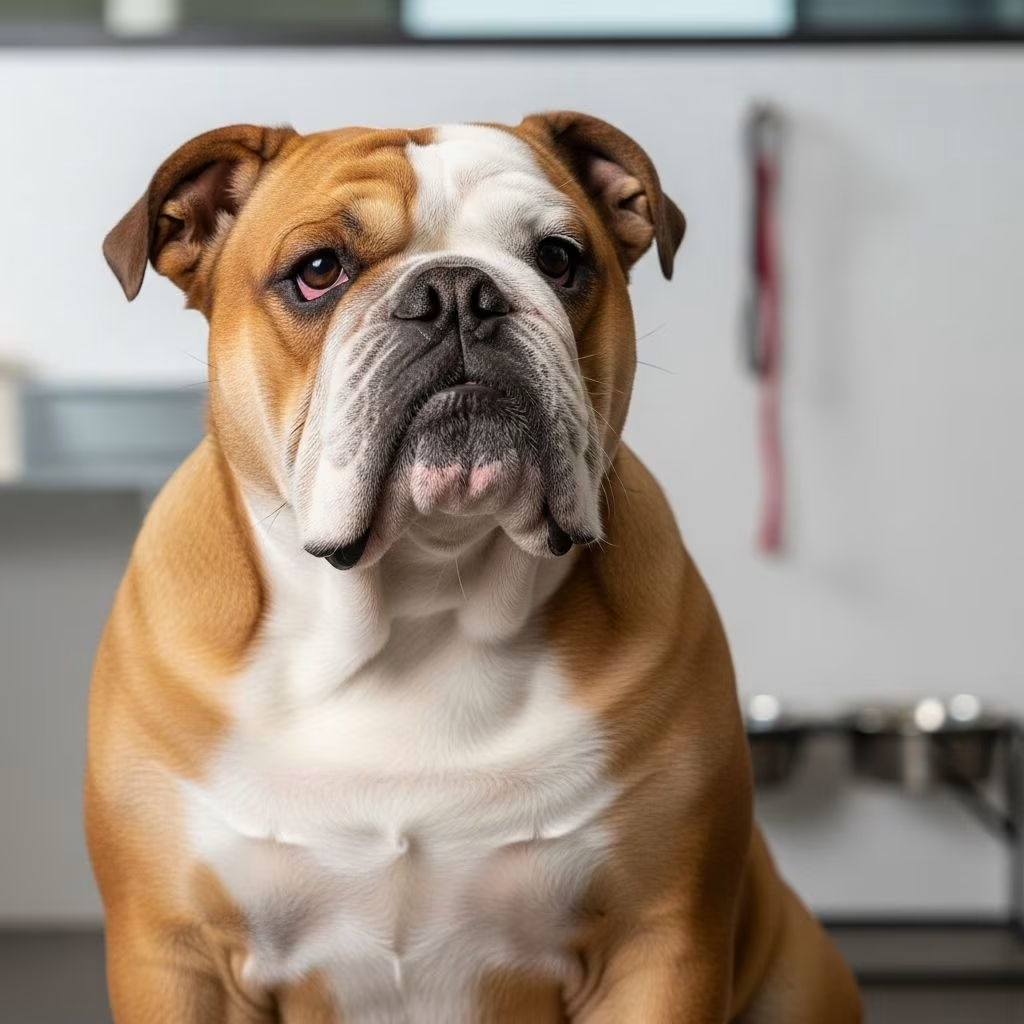
Bulldogs have a stocky build, broad stance, and characteristic rolling gait. Their head is large and round, the muzzle short and upturned, and the underbite pronounced. Bulldogs are covered in loose skin, especially around the head and neck, forming deep wrinkles and folds. Their short, fine coats may be white, brindle, tan, reddish brown, or piebald.
| Feature | Description |
|---|---|
| Height | 13–15 inches at the shoulder |
| Weight | 40–50 pounds |
| Coat | Short, smooth, and fine |
| Color | White, brindle, tan, reddish brown, piebald |
| Life Span | 8–10 years |
History and Origins
The Bulldog originated in England, where it was developed for bull-baiting and later as a butcher’s dog. The breed was bred for power, courage, and resilience, but also managed to evolve into a gentle, affectionate companion after dogfighting was outlawed in 1835. Today’s Bulldogs are calm, people-oriented, and suited for companionship instead of work or sport.
The Bulldog is closely linked with British identity and is often associated with Prime Minister Winston Churchill, himself a Bulldog owner.
Temperament and Personality
- Gentle and Reliable: Typically patient with children and calm indoors, Bulldogs are renowned for their affectionate personalities.
- Loyal: Bulldogs form strong bonds with their families and may be protective.
- Stubborn: Their strong will can make training a challenge; positive reinforcement is essential.
- Social: Bulldogs tend to enjoy family life and get along well with other pets, though early socialization is important.
Despite their intimidating origins, modern Bulldogs are known for their docile and sometimes lazy nature. They are rarely aggressive and often prefer lounging to active play.
Caring for Your Bulldog
Environmental Requirements
- Temperature Sensitivity: Bulldogs are brachycephalic (short-nosed) and do not tolerate heat or humidity well. Always provide shade, water, and air conditioning during hot weather. Restrict walks to cooler times, like mornings or evenings.
- Limited Swimming Ability: Bulldogs generally cannot swim due to their build and should always be supervised near water.
Exercise Needs
- Low Exercise: Bulldogs do not require extensive physical activity. A daily walk or play session is usually enough.
- Avoid Overexertion: In warm or humid conditions, limit any physical activity to prevent overheating.
Diet and Nutrition
- High-Quality Food: Bulldogs benefit from diets formulated for medium breeds that promote slow growth, which may help reduce joint disorders.
- Weight Management: Avoid obesity, as excess weight exacerbates breathing and joint problems.
Grooming
- Coat Care: Bulldogs have simple grooming needs—occasional brushing and bathing suffices.
- Wrinkle Care: Their skin folds and wrinkles must be cleaned and dried regularly to prevent bacterial and yeast infections. Neglected wrinkles can lead to skin issues and odorous buildup.
Health Issues in Bulldogs
Bred for their looks, Bulldogs are particularly prone to several medical conditions due to their physical structure.
Common Health Problems
- Brachycephalic Obstructive Airway Syndrome (BOAS): Bulldogs often suffer from BOAS due to anatomical abnormalities in their head and airways—narrow nostrils, elongated soft palate, compressed nasal passages, and sometimes swelling in the larynx. These issues make breathing difficult and can promote overheating.
- Skin Infections: Wrinkles and folds can trap moisture and debris, leading to bacterial and yeast infections if not properly maintained.
- Joint Problems: Bulldogs are at risk for hip dysplasia and other joint disorders, partly due to their stocky build and posture.
- Heat Sensitivity: Because they struggle to cool themselves, Bulldogs can quickly overheat. Owners should use fans, ice packs, and AC during hot weather.
- Anesthesia Risks: Bulldogs require special handling during surgery, as their airway structure complicates passive respiration.
BOAS: Causes and Management
- Symptoms: Snorting, snoring, loud panting, and shortness of breath, especially during exertion or in hot weather.
- Complications: Overheating, exercise intolerance, and sometimes need for surgical intervention.
- Prevention: Keeping your Bulldog fit and trim can minimize symptoms. Monitor breathing closely and seek veterinary help for severe issues.
Some Bulldogs require lifelong medication or even surgery to correct airway and joint abnormalities. Pet insurance is recommended for owners to help manage potentially expensive veterinary care.
Life Expectancy and Aging
The Bulldog’s average lifespan is 8–10 years, shorter than most medium-sized dog breeds. While some Bulldogs live longer, many develop health concerns as they age, influencing quality and length of life. Proactive veterinary care, proper diet, weight management, and maintaining clean skin folds can help Bulldogs age more gracefully.
Living with a Bulldog
- Apartment Suitability: Bulldogs adapt well to smaller spaces due to their lower activity needs.
- Family Compatibility: Bulldogs make excellent family pets, known for their loving and patient nature with children.
- Socialization: Early experiences with other pets and people are important to develop proper manners and minimize potential stubbornness.
- Indoor Life: Bulldogs thrive as indoor companions. Protect them from hot weather and open water.
- Training Tips: Use positive reinforcement and patience; avoid harsh methods due to breed’s stubborn streak.
Bulldog Fun Facts
- British Symbol: The Bulldog is a classic icon of British fortitude and was even associated with Winston Churchill.
- Popular Bulldog Names: Winston and Churchill are common, inspired by the former Prime Minister’s nickname.
- Breed Recognition: Officially recognized by the American Kennel Club in 1886.
- Nicknames: ‘Sourmug’ is derived from the Bulldog’s characteristic expression.
Frequently Asked Questions (FAQs)
Q: Are Bulldogs good family dogs?
A: Yes, Bulldogs typically thrive as family pets thanks to their gentle and loyal disposition. Proper socialization and supervision with young children are recommended.
Q: Do Bulldogs require a lot of exercise?
A: No, Bulldogs have modest exercise needs. Short walks and periods of play are enough for their health. Avoid strenuous activity, especially during warmth.
Q: Can Bulldogs swim?
A: Bulldogs generally cannot swim due to their body shape and should be monitored carefully near water features.
Q: How often should Bulldogs get wrinkles cleaned?
A: Wrinkles should be cleaned and kept dry daily to prevent infection. Use a clean cloth or specialized wipes for best results.
Q: What is BOAS and how does it affect Bulldogs?
A: Brachycephalic Obstructive Airway Syndrome (BOAS) is a condition resulting from anatomical airway abnormalities typical in Bulldogs, causing breathing difficulty and increased risk of overheating.
Q: How long do Bulldogs live?
A: Bulldogs generally live 8–10 years, though some may live longer with attentive care and regular health checkups.
Q: Are Bulldogs easy to groom?
A: Yes, their short coats are low-maintenance, but their wrinkles and folds require regular cleaning.
Q: Do Bulldogs snore loudly?
A: Bulldogs often snort or snore due to their short snouts and airway structure. This is normal but can be a sign of BOAS if excessive.
Summary Table: Bulldog Pros and Cons
| Pros | Cons |
|---|---|
| Affectionate and loyal | Prone to health problems (especially breathing and skin) |
| Good with children | Requires regular wrinkle care |
| Low activity needs | Heat intolerance |
| Adapts well to apartments | Shorter lifespan |
| Minimal coat grooming | Cannot swim |
Conclusion
The Bulldog is a breed with unmistakable character and charm, but it demands attentive care, especially concerning its health and living environment. Bulldogs offer steadfast affection and companionship to those prepared to meet their specialized needs, making them ideal pets for loving families willing to adapt to their unique requirements.
References
- https://www.petmd.com/dog/breeds/bulldog
- https://www.petmd.com/dog/breeds/american-bulldog
- https://www.imprimedicine.com/blog/bulldogs
- https://www.britannica.com/animal/bulldog
- https://canna-pet.com/articles/what-is-the-english-bulldogs-lifespan/
- https://www.dutch.com/blogs/dogs/american-bulldog
- https://www.dogster.com/dog-health-care/are-english-bulldogs-able-to-breed-naturally
- https://blog.petmade.com/french-bulldog-health-problems/