


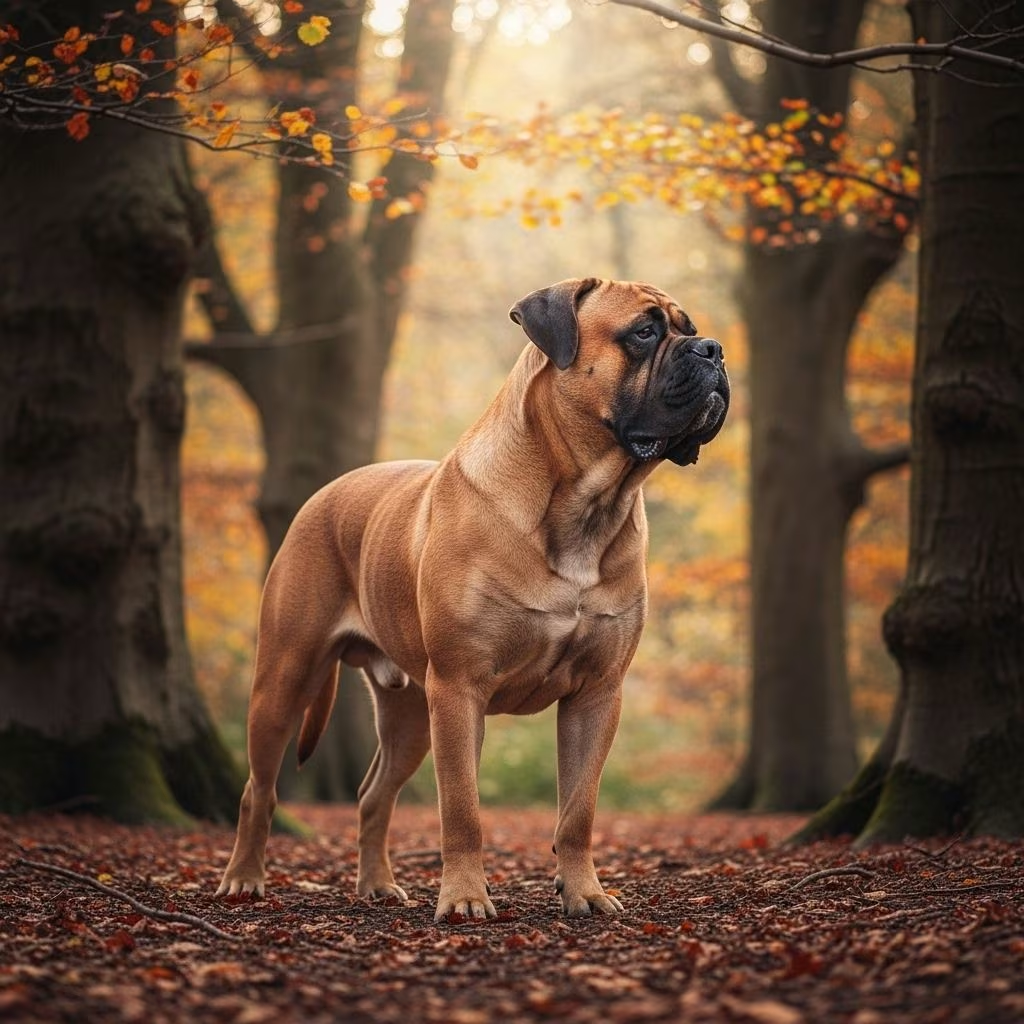
The Bullmastiff stands out among giant dog breeds for its unwavering loyalty, calm disposition, strength, and silent guardian instincts. Bred to protect, yet gentle with family, the Bullmastiff combines a rich history as a gamekeeper’s defender with the affectionate soul of a devoted companion. This comprehensive guide covers every aspect of the Bullmastiff’s character, needs, and place as a cherished member of the home.
Breed Overview
- Origin: England
- Original Purpose: Guard dog for gamekeepers
- Group: Working
- Height: 24-27 in (male), 22-25 in (female)
- Weight: 100-130 lb (male), 80-100 lb (female)
- Lifespan: 7-10 years
- Coat: Short, dense; colors: fawn, red, brindle (usually with a black mask)
- Temperament: Calm, loyal, protective, brave, affectionate
- Exercise Needs: Low to moderate
- Grooming Needs: Low
The Bullmastiff is a giant breed possessing both imposing strength and a surprisingly gentle demeanor, making it adaptable to family life with the right care and socialization.
History and Origins of the Bullmastiff
The Bullmastiff was developed in late 19th-century England, specifically to serve as a fearless yet controllable guard dog for gamekeepers patrolling estate lands. The goal was to create a breed capable of silently tracking and subduing poachers without causing them serious harm, combining the bravery and tenacity of the Bulldog with the power and size of the Mastiff. The result was a vigilant and bold protector, able to react swiftly but under control—a legacy the Bullmastiff still exhibits today.
In time, Bullmastiffs transitioned from estate guardians to cherished family companions, known for their steadfast devotion and adaptability to home life.
Bullmastiff Appearance
This breed exudes strength and solidity. Key features include:
- Body Shape: Large, powerful, and compact with a broad, square head
- Coat: Short, dense, and low-maintenance; weather-resistant; comes in fawn, red, or brindle with a distinctive black mask
- Eyes and Nose: Dark hazel eyes, black nose
- Ears: V-shaped, set to the side, and hanging downward
- Tail: High-set, tapers to the hock
Males generally measure 25–27 inches tall and weigh 110–130 pounds; females are slightly smaller at 24–26 inches and 100–120 pounds.
Bullmastiff Temperament and Personality
The Bullmastiff is celebrated for its loyalty, calmness, and courage. They are as affectionate with their family as they are imposing to strangers. Some standout personality traits are:
- Loyal and Protective: Deeply devoted to their family and possess an intense sense of guardianship, naturally wary of strangers
- Gentle Giants: Despite their formidable appearance, they are generally tolerant, patient, and affectionate—especially with children
- Independent Thinkers: Intelligent yet sometimes willful, requiring consistent, positive training methods
- Quiet Watchdogs: Not prone to excessive barking; the Bullmastiff prefers to watch and react only if truly needed
- Mellow Companions: Happy to lounge with their humans once exercise needs are met
Properly socialized Bullmastiffs can be delightful companions that bond close with their household. However, their size and protective instincts mean supervision is important around small children and other pets.
| Trait | Description |
|---|---|
| Energy Level | Low to moderate |
| Friendliness with Family | High—especially loyal and affectionate |
| Friendliness with Strangers | Wary; reserved and protective |
| Barking | Rare/only when necessary |
| Trainability | Moderate; best with experienced owners |
| Exercise Requirement | Regular, moderate activity |
Lifestyle Needs and Home Suitability
The Bullmastiff’s adaptability to family life is one of its strengths, but certain conditions help them thrive:
- Space: Best suited for homes with a yard, but can adapt to apartment life if exercised daily
- Companionship: Forms strong bonds; dislikes long periods of isolation—may develop separation anxiety if left alone too much
- Supervision: Due to their size, always monitor interactions with young children and smaller animals
- Socialization: Early and ongoing exposure to different people, pets, and environments is vital for a balanced temperament
Bullmastiffs can be good with other dogs and pets if raised with them from puppyhood, but may exhibit caution or dominance towards unfamiliar animals.
Training and Socialization
Bullmastiffs are intelligent and eager to please but have an independent streak. Key training recommendations:
- Start Early: Begin obedience training and socialization in puppyhood
- Consistency: Firm, patient, and positive reinforcement techniques work best
- Avoid Harsh Methods: Sensitivity to tone means punishment or rough handling can backfire
- Basic Commands: Mastering fundamental commands (sit, stay, come, leave it) is crucial for such a large breed
- Special Focus: Emphasize leash manners and polite greetings to manage their strength and size
Bullmastiffs benefit from mental enrichment games and can excel in advanced obedience, tracking, therapy work, and even some dog sports due to their intelligence and desire to bond.
Exercise and Activity Level
Contrary to some beliefs, Bullmastiffs do not require excessive exercise, but they do need routine moderate activity to remain healthy and happy:
- One or two brisk walks daily
- Supervised time in a secure yard
- Mental enrichment with puzzle toys or obedience exercises
- Low-impact activities to protect joints
Avoid over-exercising puppies, as their growing joints can be vulnerable. Adult dogs, while often content to lounge, still need engagement to stave off boredom and unwanted behaviors.
Grooming and General Care
- Coat: Requires minimal grooming—a weekly brushing is typically sufficient
- Bathing: Bathe as needed, about every couple months or sooner for odor or dirt
- Drooling: Bullmastiffs are known droolers; keep a towel handy for cleanup
- Nail Care: Regular trimming is essential to prevent overgrowth
- Dental Care: Brush teeth at least several times a week to promote oral health and fresh breath
Monitor the dog’s ears for dirt, wax, or signs of infection, and wipe as needed. The short, tight coat makes the breed easy to keep clean, but the sheer size means that even simple tasks require some muscle.
Health and Common Issues
Bullmastiffs, like many giant breeds, are predisposed to certain health conditions. Regular veterinary care and a responsible breeder can help mitigate risks. Common health issues include:
- Hip and Elbow Dysplasia: Malformations of the joints can cause pain and mobility issues
- Bloat (Gastric Dilatation-Volvulus): Rapid eating or exercise after meals can trigger this potentially fatal stomach issue
- Cancer: As in many large breeds, certain cancers are more prevalent
- Eye Conditions: Such as entropion, ectropion, or progressive retinal atrophy
- Heart Disease: Like subaortic stenosis
- Hypothyroidism
Reputable breeders screen for these issues, and regular checkups with your veterinarian are key to early detection and management.
Nutritional Needs
Proper diet is crucial for Bullmastiffs to support bone, joint, and organ health throughout their lives:
- High-Quality Food: Choose diets formulated for large or giant breed dogs
- Puppies: Feed food developed for large breed puppies to help prevent rapid growth, which can damage joints
- Meal Scheduling: Divide daily intake into two or more meals instead of free feeding to lower the risk of bloat
- Weight Management: Bullmastiffs can gain weight easily—monitor portions and body condition closely
- Fresh Water: Clean, fresh water should always be available
Never feed your Bullmastiff immediately before or after strenuous exercise to minimize the risk of bloat.
Famous Bullmastiffs in Pop Culture
- “Butkus”: The beloved Bullmastiff companion of Rocky Balboa (Sylvester Stallone) in the original Rocky films.
Stallone’s real-life dog, Butkus, became an icon for Bullmastiff fans worldwide. - Movie Appearances: A Bullmastiff was featured as an antagonist in “Homeward Bound 2: Lost in San Francisco.”
These appearances have cemented the Bullmastiff’s reputation as a dog both powerful and profoundly devoted.
Bullmastiff Ownership: Is This Breed Right for You?
The Bullmastiff is an extraordinary breed for experienced, dedicated dog owners who want a loyal, protective member of the family. Consider the following before bringing a Bullmastiff home:
- Space: Do you have enough room for a giant breed?
- Time: Can you provide daily companionship and training?
- Children: Are you prepared to supervise play?
- Strength: Are you physically capable of handling a large, powerful dog?
- Commitment: Are you committed to providing proper health care, socialization, and love for life?
If you answer yes and are ready for the responsibilities, the Bullmastiff can become a steadfast, loving best friend and fiercely loyal family protector.
Bullmastiff at a Glance
| Characteristic | Detail |
|---|---|
| Size | Large/Giant |
| Coat | Short, dense; fawn, red, brindle with black mask |
| Exercise | Low to moderate (daily walks/play) |
| Lifespan | 7–10 years |
| Temperament | Loyal, protective, gentle, intelligent |
| Role | Family companion, guardian |
| Shedding | Moderate |
| Drooling | Yes |
Frequently Asked Questions (FAQs)
Q: Are Bullmastiffs good with children?
A: Yes, Bullmastiffs are generally patient and gentle with children, but their large size means all play should be supervised to prevent accidental injury.
Q: Do Bullmastiffs require a lot of exercise?
A: They need daily moderate activity, such as walks and interactive play, but do not require the high-energy exercise levels of some other working breeds.
Q: Are Bullmastiffs aggressive?
A: Bullmastiffs are naturally protective and can be wary around strangers, but are not aggressive when well-trained and socialized. Early, positive socialization is crucial.
Q: How much do Bullmastiffs shed and drool?
A: They shed moderately and are well-known for drooling, often after eating or drinking or when excited.
Q: What is the typical lifespan of a Bullmastiff?
A: The average lifespan is 7–10 years, with proper care and regular veterinary checkups to monitor for breed-specific health issues.
Summary
The Bullmastiff is a combination of power and patience, bred as a protector but happiest as a beloved companion. With early training, attentive socialization, and responsible ownership, this gentle giant can offer years of affectionate loyalty and steadfast guardianship to families and individuals who appreciate their unique balance of calm and courage.
References
- https://dogtime.com/dog-breeds/bullmastiff
- https://www.hillspet.com/dog-care/dog-breeds/bullmastiff
- https://www.purina.co.uk/find-a-pet/dog-breeds/bullmastiff
- https://www.petscreening.com/blog/about-the-bullmastiff-temperament
- https://www.akc.org/dog-breeds/bullmastiff/
- https://www.petmd.com/dog/breeds/bullmastiff
- https://en.wikipedia.org/wiki/Bullmastiff
- https://www.webmd.com/pets/dogs/what-to-know-about-bullmastiffs


