The Dogo Argentino stands as a testament to careful breeding, unwavering purpose, and a balance between working prowess and family devotion. Developed in Argentina to hunt big game across unforgiving terrains, this muscular, athletic breed has earned respect worldwide for its courage, power, and even temperament. In this comprehensive overview, delve into the origins, defining traits, and essential care information that every potential owner should know about the remarkable Dogo Argentino.
Breed Overview
| Breed Name | Dogo Argentino |
|---|---|
| Origin | Argentina |
| Breed Group | Working Group |
| Height | 24-27 inches (males), 23.5-26 inches (females) |
| Weight | 80-100 pounds |
| Life Span | 9-15 years |
| Coat Type | Short, smooth, white; may have one black patch |
| Temperament | Courageous, loyal, intelligent |
| Primary Purpose | Big-game hunting, guarding, companionship |
History and Origin of the Dogo Argentino
The Dogo Argentino originated in Córdoba, Argentina in the early twentieth century. Dr. Antonio Nores Martinez, an Argentine physician, set out to create the ultimate big-game hunting dog in the 1920s. Largely inspired by the Córdoba Fighting Dog, Martinez carefully crossed this powerful breed with several other purebreds, including the:
- Great Dane
- Pointer
- Bull Terrier
- Boxer
- English Bulldog
- Pyrenean Mastiff
- Irish Wolfhound
- Spanish Mastiff
His goal was a dog that combined hunting drive, stamina, and power, while exhibiting enough sociability for pack work and family living. The breed’s white coat—contributed mainly by the Bull Terrier—became its hallmark. Martinez’s early standard, published in 1928, outlined not only physical traits but also the mental resilience and steadiness required of a big-game hunter working in teams.
The Dogo Argentino was recognized officially in Argentina in 1964 and internationally by the Fédération Cynologique Internationale (FCI) in 1973. The American Kennel Club (AKC) granted full recognition to the breed in 2020. Remarkably, the breed’s first decades were shaped and preserved through the perseverance of Dr. Martinez’s brother, Agustín, especially after Antonio’s untimely death in 1956.
Purpose and Original Use
The Dogo Argentino was engineered to excel in big-game hunting—most notably for wild boar, puma, peccaries, and other large predators across the Argentine pampas. The breed had to:
- Track formidable prey across vast, difficult terrains
- Work effectively in packs, showing both bravery and coordination
- Demonstrate the physical power to subdue prey much larger than itself
- Remain focused, steady, and responsive to handler commands in stressful situations
This hunting background accounts for the Dogo’s muscular build, athletic endurance, and intense prey drive. Over time, many Dogos have also proven themselves as dependable family guardians and loyal companions, thanks to their stable temperament when properly socialized and trained.
Physical Characteristics
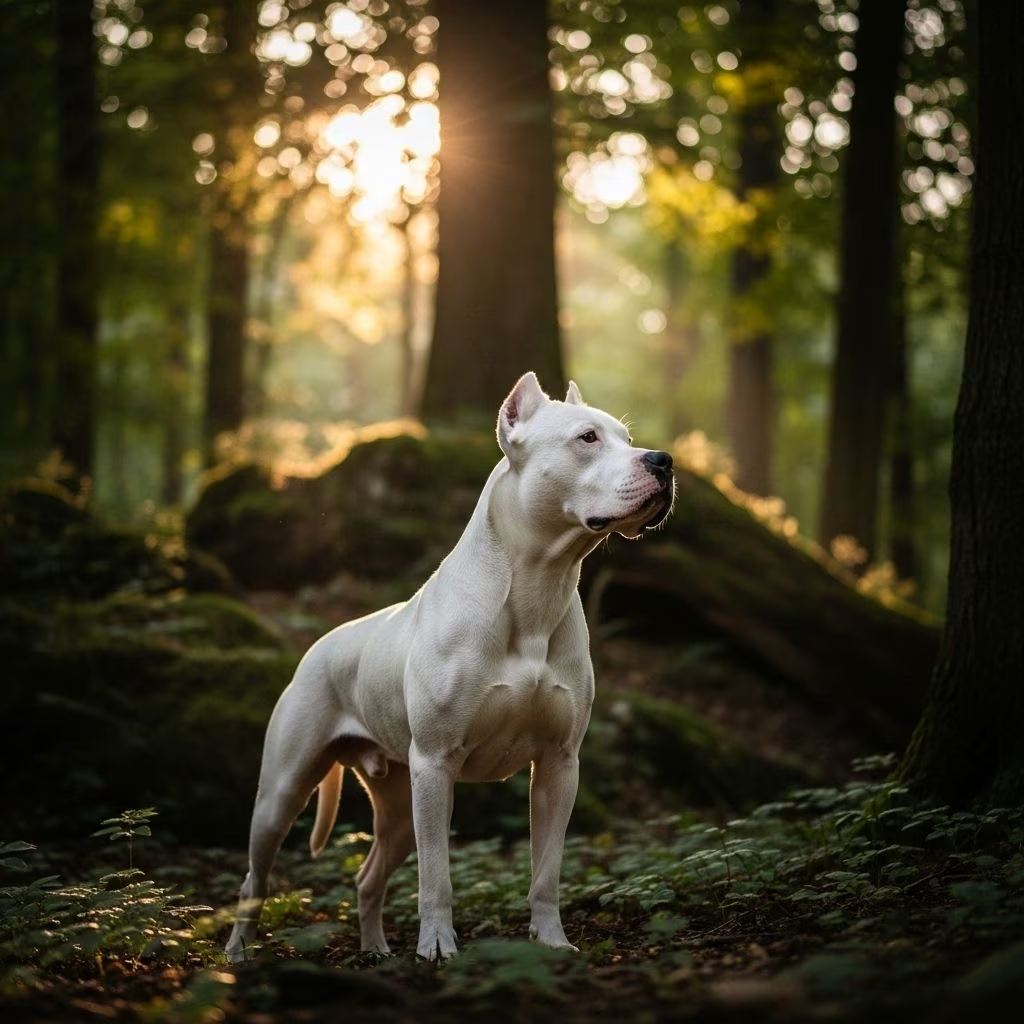
The Dogo Argentino is instantly recognizable due to its size, power, and striking white coat. Key physical features include:
- Height: 24-27 inches for males; 23.5-26 inches for females
- Weight: 80-100 pounds
- Coat: Short, dense, glossy white. Some dogs may sport a single black patch near the eye, the only location for such a marking permitted by the breed standard.
- Build: Muscular, balanced, and athletic, designed for both speed and stamina
- Head: Large and powerful, with a broad muzzle and strong jaws
- Eyes: Dark or hazel, with an intelligent, alert gaze
- Ears: Semi-erect or dropped, often cropped in countries where this is permitted, though natural ears are also common
Temperament and Personality
The Dogo Argentino’s temperament is a blend of courage, intelligence, and loyalty. The breed was meticulously selected not only for its prowess in the field but also for a steady, even disposition. Key personality traits include:
- Protective and Loyal: Deeply devoted to their family, Dogos make excellent guardians and companions.
- Courageous: Fearless when facing threats—can be assertive, but rarely aggressive toward people with proper socialization.
- Highly Intelligent: Quick learners, but need consistent, positive training.
- Pack Mentality: Often gets along well with other dogs within the household if introduced properly. Early socialization is key to reducing any territorial instincts or same-sex dog aggression.
- Gentle with Children: When raised in a loving environment, Dogos are generally gentle and tolerant with respectful children, though adult supervision is always recommended due to their size and strength.
Dogos require a confident, experienced owner who can provide firm leadership, as these dogs can be headstrong, especially without clear rules and social boundaries. Early socialization is essential to ensure their natural protective instincts are shaped into positive, controllable behaviors.
Care and Living Requirements
Exercise Needs
- High Energy: Regular, vigorous exercise is a must. These dogs thrive on running, hiking, and other athletic activities.
- Mental Stimulation: Challenging games, obedience tasks, and scent work keep their intelligent minds engaged.
- Without sufficient activity, Dogos can develop problem behaviors from boredom or frustration.
Living Environment
- Space: Best suited to homes with large yards and securely fenced areas. Apartment living is generally not recommended unless rigorous exercise routines are strictly maintained.
- Should live indoors as part of the family—these are not dogs to keep isolated or outside full time.
Socialization and Training
- Early Socialization: Crucial to expose puppies to a range of people, environments, and fellow dogs.
- Obedience Training: Consistency, patience, and positive reinforcement techniques work best.
- Due to their size and strength, Dogos should be taught basic commands and leash manners from a young age.
Grooming
- Low Maintenance: The short, smooth coat requires only weekly brushing to remove loose hair and maintain its healthy sheen.
- Bathing: As needed to keep the coat clean. Be mindful of their sensitive skin.
- Routine nail trimming, ear cleaning, and dental care are important for overall health.
Health and Potential Issues
The Dogo Argentino is generally a robust breed, but owners should be aware of certain inherited or breed-specific health concerns:
- Deafness: Congenital deafness is more prevalent in white-coated breeds like the Dogo, with an estimated 10% affected to some degree.
- Hip Dysplasia: Like many large breeds, Dogos can be prone to hip dysplasia, which can cause pain and mobility issues.
- Skin Sensitivity: Their short white coat may make them susceptible to sunburn and some skin allergies.
- Thyroid Dysfunction: Hypothyroidism and related endocrine conditions have been noted in the breed.
Routine veterinary checkups, appropriate screening for hereditary conditions, and responsible breeding practices can help reduce health risks.
Nutrition and Feeding
- High-Quality Diet: Opt for a nutritionally balanced dog food formulated for large, active breeds.
- Protein and Energy: Ensure their diet supports muscle development and meets their considerable energy needs, especially during periods of growth and intense activity.
- Feed measured portions to prevent obesity, as excess weight places added stress on joints and can aggravate hip issues.
- Provide constant access to fresh water, especially after exercise.
Breed Standard and Appearance
The Dogo Argentino was bred to a precise standard, reflecting both the dog’s working function and aesthetic appeal. The breed standard emphasizes:
- Powerful, athletic build with well-developed muscles and balance
- Large head and strong, straight muzzle
- Short, smooth, white coat allowing for a distinctive, clean appearance; only one permissible black patch
- Alert, confident stance
- Friendly, yet authoritative expression
Is the Dogo Argentino Right for You?
The Dogo Argentino is an extraordinary breed for those seeking a loyal guardian with a blend of tenacity and affection. However, the breed’s high energy, strength, and protective instincts mean Dogos are not ideal for novice dog owners or those unprepared for their substantial needs.
- Experienced Owners Only: Best matched to individuals with prior experience in handling large, strong-willed breeds.
- Active Lifestyle: Owners should enjoy outdoor activities and dedicate time daily for exercise and training.
- Space Requirements: Prefer homes with securely fenced yards and ample room to move.
- Commitment to Socialization: Ongoing training and early, positive exposure to a variety of stimuli are necessary.
With proper leadership, training, and care, the Dogo Argentino offers steadfast loyalty and a rewarding bond.
Interesting Facts About the Dogo Argentino
- The Dogo Argentino is one of the few breeds originally developed for big-game hunting that retains its working capabilities today.
- Its spectacular agility and courage have led to use in search and rescue and police work in some countries.
- Despite its hunting background, well-trained Dogos are known for gentle, affectionate behavior at home, especially with children.
- The only color allowed by the breed standard is white, with a single black patch around the eye being acceptable but rare.
- The Dogo was the first and only Argentine dog breed recognized by the Fédération Cynologique Internationale (FCI).
Frequently Asked Questions (FAQs)
Q: Are Dogo Argentinos good family dogs?
A: With proper training and socialization, Dogo Argentinos can be loyal and protective family dogs. They are generally gentle with children but, given their size and strength, should be supervised during play.
Q: Can Dogo Argentinos live with other pets?
A: Dogo Argentinos can coexist with other pets if socialized early; however, their hunting instincts make them less suitable for homes with small pets, and introductions should be handled with care.
Q: How much exercise does the Dogo Argentino need?
A: The breed requires vigorous daily exercise, such as long walks, runs, or play sessions, to maintain physical and mental health.
Q: Is the Dogo Argentino aggressive?
A: When well-bred and properly trained, Dogos are not aggressive toward people but are naturally protective and wary of strangers. Poor socialization or lack of discipline may result in undesirable behaviors.
Q: Are Dogo Argentinos legal everywhere?
A: Some countries or municipalities restrict or ban the Dogo Argentino due to its powerful build and guarding instincts. Check local laws before acquiring a Dogo Argentino.
Conclusion
The Dogo Argentino embodies a unique blend of athleticism, courage, loyalty, and intelligence. Bred for a specific purpose, this remarkable dog thrives with experienced owners who can provide consistent training, vigorous activity, and firm yet loving leadership. For those able to meet their needs, the Dogo Argentino is an extraordinary companion—at home in the field or curled at the feet of its family members.
References
- https://en.wikipedia.org/wiki/Dogo_Argentino
- https://www.dogousa.org/breed-history
- https://www.akc.org/expert-advice/dog-breeds/dogo-argentino-history/
- https://www.akc.org/expert-advice/dog-breeds/7-things-to-know-about-the-dogo-argentino/
- https://www.youtube.com/watch?v=P52f6eU8e9A
- https://www.dogoaf.com/dogo-argentino-history
- https://ebkc.org/dog-breeds/dogo-argentino/history/