Introduction to the Miniature Pinscher
The Miniature Pinscher, often affectionately called the Min Pin, is a small, energetic, and confident breed known for its spirited personality and distinctive appearance. Despite their small stature, Min Pins carry themselves with a big-dog attitude, embodying a terrier-like feistiness that belies their size. These dogs are intelligent, loyal, and make excellent companions for families who can match their energy and curiosity. Originally developed in Germany, the Miniature Pinscher was bred to hunt vermin, a heritage that still shows in their alertness and quick movements.
Miniature Pinscher Overview
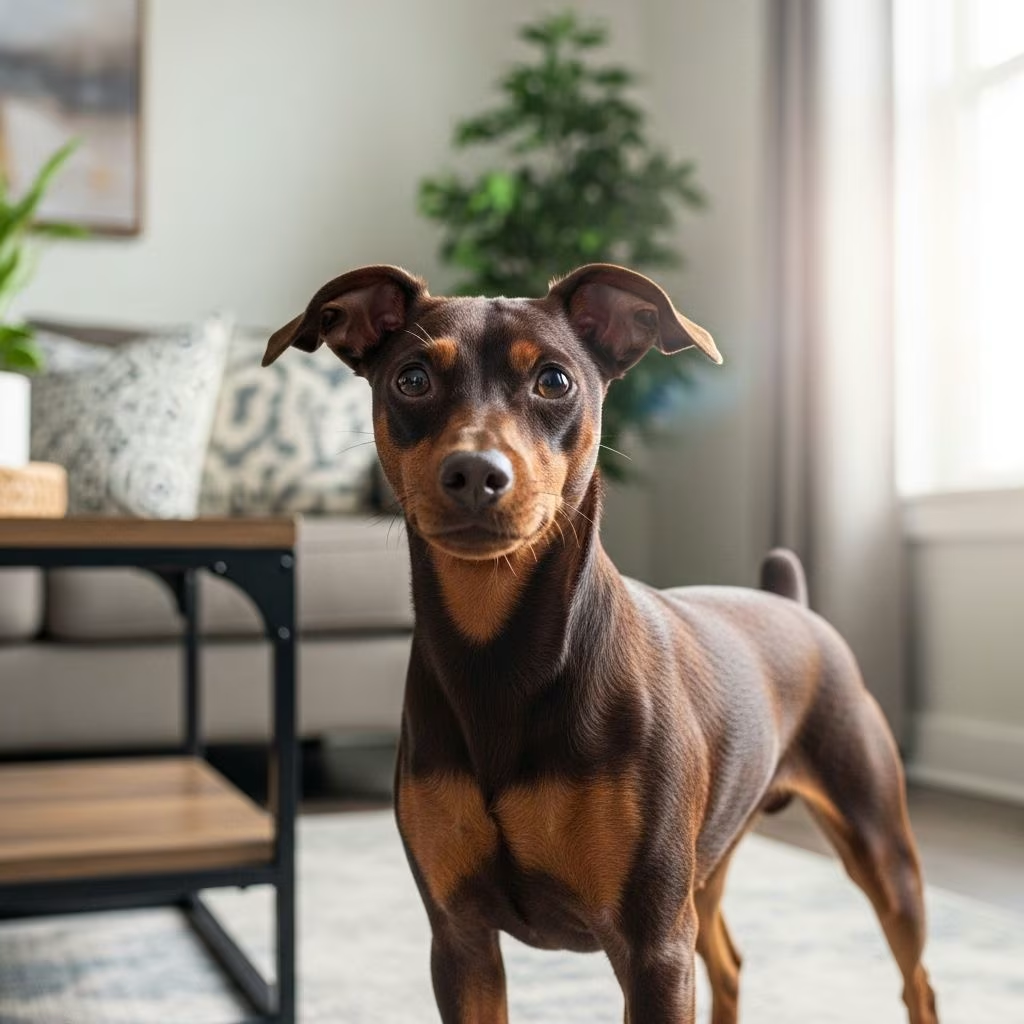
The Miniature Pinscher is a compact, sturdy toy breed typically weighing between 8 and 11 pounds and standing 10 to 12.5 inches tall at the shoulder. They have a short, smooth coat that comes in shades of black and rust, chocolate and rust, or solid red, and their high-stepping gait adds to their regal bearing—hence the nickname “King of the Toys”. Their ears are generally cropped to stand erect, and their expressive eyes radiate intelligence and mischief.
Breed Highlights
- Energetic and Spirited: Min Pins are highly active and love to play, making them lively companions for active families.
- Intelligent and Clever: These dogs are quick learners and enjoy problem-solving, though their independent streak can make training a challenge.
- Loyal and Affectionate: Min Pins form strong attachments to their families and can be protective watchdogs, though they are too small to serve as guard dogs.
- Low Maintenance Coat: Their short coat sheds minimally and is easy to groom.
- Fearless Personality: Despite their size, Min Pins are fearless and confident, often showing a curious and investigative nature.
History and Origin
The Miniature Pinscher has a rich history dating back several centuries in Germany. Although often confused with the Doberman Pinscher, the Min Pin is not a miniature version of that breed; rather, they are a distinct breed that developed independently. Their ancestors include the German Pinscher, Dachshund, and possibly Italian Greyhound, which contributed to their unique appearance and lively gait.
Physical Characteristics
| Characteristic | Description |
|---|---|
| Size | 8–11 lbs, 10–12.5 inches tall |
| Coat | Short, smooth, low maintenance |
| Colors | Black and rust, red, or chocolate and rust |
| Life Span | 12–16 years |
Temperament and Personality
Miniature Pinschers are bold, confident, and full of energy. They are highly interactive dogs that enjoy being the center of attention and will often play the class clown to get it. Their terrier-like temperament means they are curious, intelligent, and sometimes stubborn, which can pose challenges during training. Min Pins are affectionate with their families but can be aloof or wary around strangers.
- Playful and Energetic: Min Pins require daily exercise and mental stimulation to stay happy and well-behaved.
- Protective and Alert: They make excellent watchdogs due to their vigilance and tendency to bark at unfamiliar sounds or visitors.
- Social Needs: Early socialization is crucial to prevent excessive shyness, aggression, or fearfulness, particularly with other dogs and strangers.
Caring for a Miniature Pinscher
Exercise and Activity Needs
Miniature Pinschers have high energy levels and require regular physical activity. Daily walks, play sessions, and access to a secure outdoor area are essential to prevent boredom and destructive behavior. They adapt well to apartment living as long as their exercise needs are met.
Grooming
Min Pins are low-maintenance in terms of grooming. Their short coat requires only occasional brushing to remove loose hair, and baths are needed only when they get dirty. Regular nail trims, ear cleaning, and dental care are important for overall health.
Training and Socialization
Training a Miniature Pinscher can be both rewarding and challenging due to their intelligence and independent nature. Positive reinforcement methods work best, and early socialization is key to raising a well-adjusted, obedient pet. Puppy classes and exposure to various environments, people, and other animals can help prevent behavioral issues.
Health and Lifespan
Miniature Pinschers are generally healthy dogs with a lifespan of 12 to 16 years. However, they are prone to certain health conditions, including:
- Luxating Patella: A common joint problem in small breeds, where the kneecap slips out of place.
- Heart Problems: Mitral valve disease and other cardiac issues may occur in older Min Pins.
- Legg-Calvé-Perthes Disease: A degenerative hip condition that can cause pain and lameness.
- Thyroid Issues: Hypothyroidism can affect metabolism and energy levels.
- Dental Problems: Small breeds are prone to dental disease, so regular teeth cleaning is important.
Preventive Health Care
Regular veterinary check-ups, vaccinations, parasite prevention, and dental care are essential for maintaining a Min Pin’s health. A healthy diet, appropriate for their age and activity level, helps prevent obesity—a risk factor for many health problems.
Diet and Nutrition
A balanced diet is crucial for a Miniature Pinscher’s health. High-quality commercial dog food formulated for small breeds is generally appropriate, but portion control is important to avoid weight gain. Treats should be given in moderation, and human foods that are toxic to dogs—such as chocolate, grapes, and onions—should be avoided.
Miniature Pinschers and Families
Min Pins can make excellent family pets for households with older children who understand how to interact gently with small dogs. Their small size makes them unsuitable for families with very young children who might inadvertently handle them roughly. They are affectionate and loyal to their families but may be wary of strangers and other dogs if not properly socialized.
Living With a Miniature Pinscher
Miniature Pinschers thrive in environments where their exercise and mental stimulation needs are met. They are adaptable and can do well in apartments or houses, provided they have opportunities for daily activity. Their inquisitive nature means they may try to escape, so secure fencing and supervision are necessary. Regular training, socialization, and preventive health care will ensure a long, happy life for your Min Pin.
Adopting a Miniature Pinscher
Prospective owners should be prepared for the breed’s high energy, intelligence, and need for attention. Adopting from a reputable breeder or rescue ensures your dog comes from healthy stock with a known history. Meeting the puppy’s parents and observing their temperament can provide insight into what to expect as your puppy grows.
Frequently Asked Questions (FAQs)
Q: Are Miniature Pinschers good with children?
A: Min Pins can be good with older children who are gentle and respectful of their small size. Their high energy and playfulness make them fun companions, but supervision is recommended to prevent accidental injury.
Q: Do Miniature Pinschers shed a lot?
A: No, their short, smooth coat sheds very little and requires minimal grooming.
Q: Are Miniature Pinschers easy to train?
A: They are intelligent and can learn quickly, but their independent nature and high energy can make training challenging. Consistent, positive reinforcement techniques work best.
Q: What health problems are common in Miniature Pinschers?
A: Common issues include luxating patella, heart disease, hip problems, thyroid disorders, and dental disease. Regular veterinary care is important.
Q: Do Miniature Pinschers get along with other pets?
A: With proper socialization, they can coexist with other pets, but they may be territorial or aggressive toward other dogs, especially if not raised together.
Conclusion
The Miniature Pinscher is a lively, intelligent, and affectionate breed that brings joy and energy to the right household. Their small size, low-maintenance coat, and adaptability make them suitable for many living situations, but their high energy and need for attention require an active and committed owner. With proper care, training, and socialization, a Miniature Pinscher can be a loyal and entertaining companion for years to come.
References
- https://www.akc.org/dog-breeds/miniature-pinscher/
- https://www.britannica.com/animal/miniature-pinscher
- https://www.petmd.com/dog/breeds/miniature-pinscher
- https://www.hillspet.com/dog-care/dog-breeds/miniature-pinscher
- https://dogtime.com/dog-breeds/miniature-pinscher
- https://www.webmd.com/pets/dogs/what-to-know-about-miniature-pinschers
- https://www.dogbreedinfo.com/miniaturepinscher.htm
- https://en.wikipedia.org/wiki/Miniature_Pinscher
- https://www.purina.co.uk/find-a-pet/dog-breeds/miniature-pinscher