The Miniature Poodle is celebrated for its remarkable intelligence, affectionate nature, and hypoallergenic coat. Bred as a smaller version of the Standard Poodle, this breed combines elegance with a playful, people-oriented personality. Their versatility and minimal shedding make them a popular choice for families, singles, and city dwellers seeking an energetic yet adaptable companion.
Breed Overview
| Height | 10–15 inches (at shoulder) |
|---|---|
| Weight | 10–15 pounds |
| Life Expectancy | 13–15 years |
| Coat | Curly, dense, low-shedding, often called “hypoallergenic” |
| Temperament | Intelligent, active, affectionate, and trainable |
| Suitable For | Families, singles, apartment living |
History and Origin
The Poodle breed originated in Germany as a water retriever but became widely associated with France, where it was refined and gained popularity. The breed is now recognized as the national dog of France. Poodles come in three sizes: Standard, Miniature, and Toy, all sharing roots as hunting and companion dogs. The Miniature Poodle was bred down from Standard Poodles to become a lively and portable version, excelling in both companionship and performance activities.
- German origins as water-fowl retrievers.
- Refined in France, gaining elegance and popularity as a companion pet.
- Bred down from larger Standards, maintaining intelligence and agility.
Appearance and Physical Characteristics
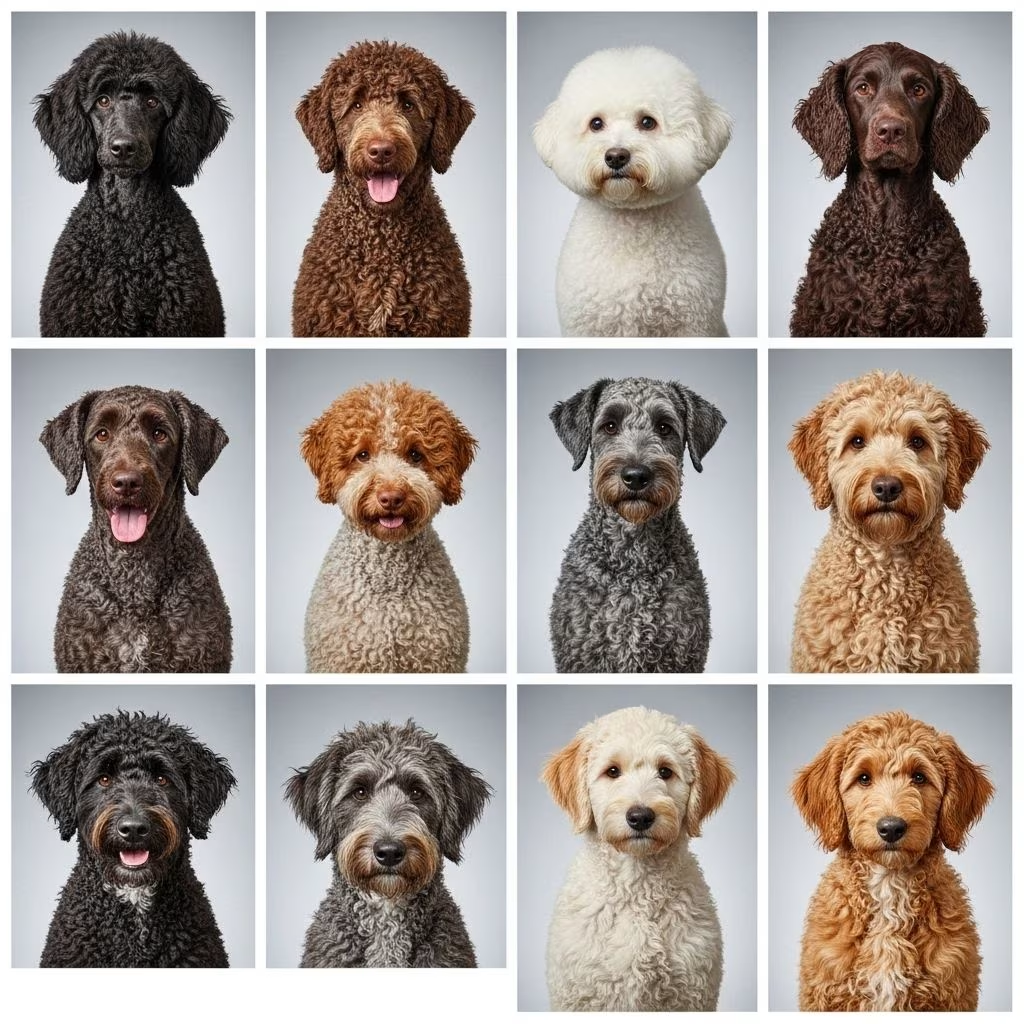
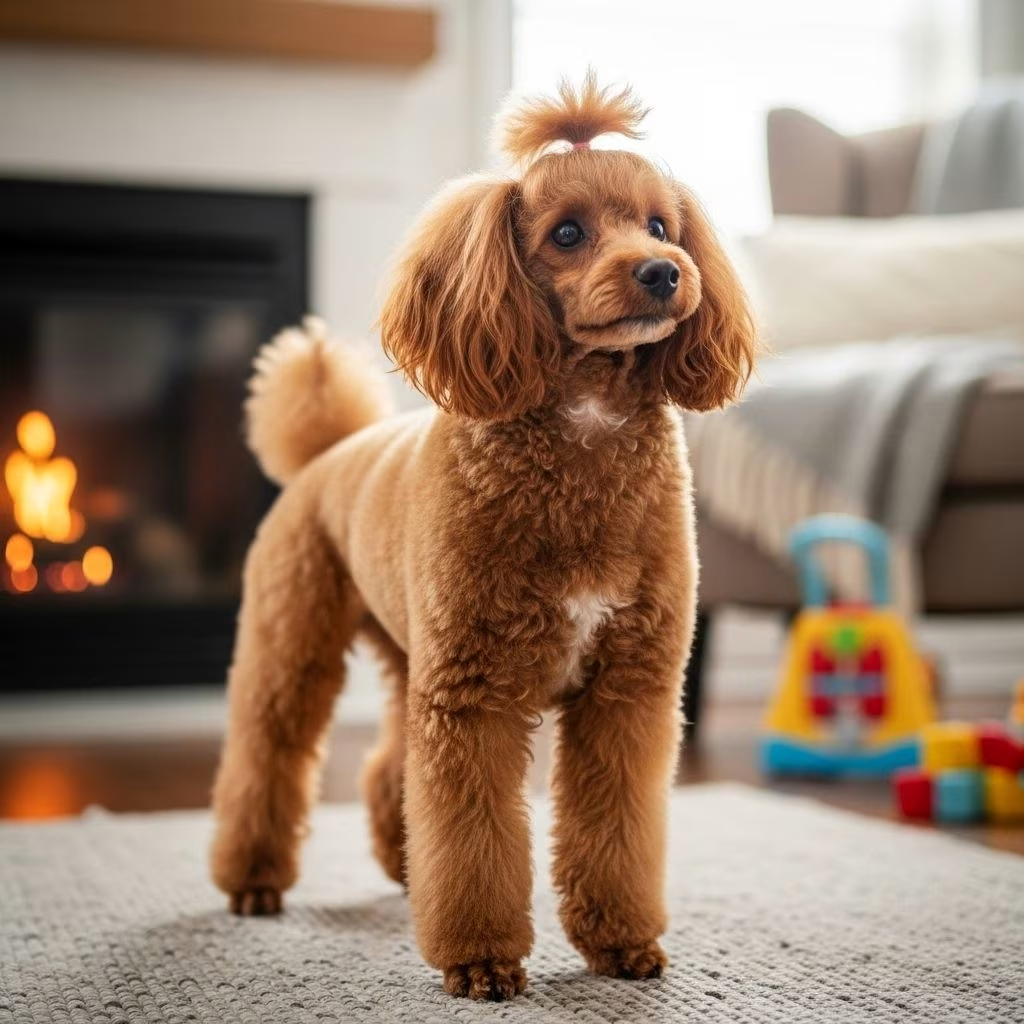
Miniature Poodles feature a compact, square build and a characteristic proud, springy gait. They have a straight muzzle, heavily furred, hanging ears, and a docked tail adorned with a pompom. Their curly, low-shedding coat comes in various solid colors including white, black, brown, apricot, and gray.
- Body: Well-proportioned, athletic, and balanced.
- Head: Long, straight muzzle; intelligent and expressive eyes.
- Tail: Typically docked, with a distinctive “pompon”.
- Coat: Dense, curly, and considered hypoallergenic.
- Colors: Wide array of solid colors.
Personality and Temperament
The Miniature Poodle is well known for its intelligence, eager-to-please attitude, and sociable behavior. Highly trainable, these dogs excel in obedience, tricks, and agility sports. Their affectionate disposition makes them attentive companions who form strong, loyal bonds with their family.
- Intelligent and fast learners: Often described as “almost human-like.”
- Affectionate and loyal: Form deep bonds; suited for families and singles alike.
- Playful: Eager for interactive games and mental stimulation.
- Social with children and generally friendly with other pets; slightly reserved at first.
- Good for allergy sufferers: Due to minimal shedding and hypoallergenic coat qualities.
Adaptability
Miniature Poodles adapt well to various living conditions—from large houses with yards to small urban apartments. As long as their exercise and attention needs are met, they thrive in both settings. However, they can develop separation anxiety if left alone for prolonged periods. Their moderate energy level and relatively small size make them exceptionally suited for busy families and city dwellers.
Exercise and Mental Stimulation Needs
This energetic breed requires daily exercise and ongoing mental challenges. Insufficient activity may lead to unwanted behaviors, such as barking, chewing, or digging.
- Daily exercise: About 60 minutes, split into walks, play, and interactive games.
- Mental stimulation: Training sessions, tricks, puzzle toys, and obedience challenges.
- Activities: Swimming, fetch, and agility courses are ideal outlets for their physical and mental energy.
Grooming Needs
The Miniature Poodle’s curly coat requires routine grooming to avoid mats and tangles. Though often marketed as low-shedding and hypoallergenic, regular maintenance is essential for skin and coat health.
- Brushing: Several times per week to prevent mats.
- Professional grooming: Every 4–6 weeks for trims and baths.
- Ear care: Regular inspections and cleaning to prevent infections.
- Dental care: Routine teeth brushing, as poodles may be at risk of dental issues.
- Nail trims: As needed to avoid overgrowth and discomfort.
Diet and Nutrition
A healthy diet is crucial for maintaining your Miniature Poodle’s well-being. The recommended intake is about 0.75 to 1 cup of high-quality dog food daily, spread over two meals. Adjust portions based on your dog’s size, age, and activity level.
- Food type: Majority of owners use commercial dry kibble, but consult with your veterinarian for the best choice.
- Special considerations: Prone to digestive issues; monitor for constipation, diarrhea, vomiting, or lack of appetite.
- Weight management: Prevent obesity with portion control and healthy treats.
Common Health Problems
Miniature Poodles, like all breeds, are prone to certain genetic and acquired health issues. Responsible breeding and routine veterinary care are essential for minimizing risks.
Mitral Valve Disease (MVD)
This common heart condition typically affects Miniature Poodles over 8 years of age. It develops when the mitral valve in the heart begins to leak, which can eventually result in congestive heart failure. Early symptoms may be subtle, often limited to a heart murmur, but can later include:
- Lethargy or “slowing down”
- Exercise intolerance
- Trouble breathing
- Collapse or weakness
While there is no cure, daily medications and regular veterinary checkups help manage the condition and improve quality of life.
Addison’s Disease
Addison’s disease arises when the adrenal glands fail to produce enough vital hormones. This can cause symptoms such as vomiting, loss of appetite, weight loss, and lethargy. Left untreated, stressful situations can become life-threatening. Lifelong medication and routine monitoring allow affected dogs to live healthy lives.
Other Health Conditions
- Hip dysplasia
- Patellar luxation
- Progressive Retinal Atrophy (PRA) and other eye problems
- Ear infections—especially from allergies or ear mites
- Dental problems
- Digestive issues—constipation, diarrhea, vomiting
Routine checkups, early detection of illnesses, and working with a reputable breeder who screens for hereditary conditions are vital for preventing and managing these health problems.
Training and Socialization
Miniature Poodles excel in obedience and agility training due to their intelligence and eagerness to please.
- Positive reinforcement methods work best.
- Early socialization is important for confident behavior with strangers and other pets.
- Consistency and mental challenges help prevent boredom and unwanted behaviors.
Living With a Miniature Poodle
This breed adapts to many lifestyles but thrives with daily structure, companionship, and care. They are known for their social attachment and can develop separation anxiety if left alone for long periods. Providing stimulating toys, regular exercise, and structured routines can help prevent anxiety and destructive behaviors. Their moderate size and adaptability make them ideal for apartment living or households with limited outdoor space.
Poodles: Sizes and Comparisons
| Type | Height | Weight | Typical Role |
|---|---|---|---|
| Standard Poodle | 15+ inches | 40–70 lbs | Original hunting/retrieving |
| Miniature Poodle | 10–15 inches | 10–15 lbs | Companion, adaptable |
| Toy Poodle | Under 10 inches | 4–6 lbs | Companion, lap dog |
Responsible Breeding and Adoption Tips
- Choose breeders who conduct thorough health screenings for parents and puppies.
- Ask about health certificates for common genetic problems—especially heart, joint, and eye conditions.
- If adopting, request all available health and behavior history.
- Be cautious with breeders offering “teacup” Poodles—these are not recognized by major kennel clubs and may face serious health problems.
Is the Miniature Poodle Right for You?
The Miniature Poodle is a strong candidate for families or individuals seeking an intelligent, affectionate, and adaptable pet. Their many positive traits include:
- Excellent trainability and intelligence.
- Affection for children and adults.
- Low-shedding, allergy-friendly coat.
- Adaptability to apartment or house living.
Potential owners should be prepared for their grooming and attention needs, commitment to daily exercise, and regular visits to the veterinarian for ongoing health screening and preventive care.
Frequently Asked Questions (FAQs)
Q: Are Miniature Poodles good for families with children?
A: Yes, Miniature Poodles generally get along well with children, especially if raised and socialized from a young age. They thrive on companionship and make playful, engaging family members. Supervision with young children is important due to each child’s temperament and the dog’s moderate size.
Q: How often do Miniature Poodles need grooming?
A: They require brushing several times a week at home and professional grooming every 4–6 weeks to maintain coat health and avoid mats and tangles.
Q: Do Miniature Poodles shed?
A: Miniature Poodles are considered low-shedding and are popular among people with allergies. However, no dog is truly hypoallergenic.
Q: What common health problems affect Miniature Poodles?
A: The most common health concerns include heart conditions (Mitral Valve Disease), Addison’s disease, hip dysplasia, patellar luxation, eye disorders, dental and ear diseases, and digestive issues.
Q: How much exercise does a Miniature Poodle need?
A: About 60 minutes of daily exercise is recommended, including walks and vigorous playtime. These dogs excel with mental stimulation, such as food puzzles or training sessions, alongside physical activity.
Q: Are Miniature Poodles easy to train?
A: Absolutely. Their intelligence, eagerness to please, and responsiveness make them one of the most trainable breeds.
Summary
The Miniature Poodle stands out as a highly intelligent, social, and adaptable breed that excels as a family companion, city dweller’s pet, or active partner for canine sports. While they require ongoing grooming, attention, and thoughtful health management, the Miniature Poodle rewards its owner with loyalty, affection, and joy for many years.
References
- https://www.petmd.com/dog/general-health/types-of-poodles
- https://www.sniffspot.com/blog/dog-breeds/explore-the-miniature-poodle-genuine-tips-from-9000-owners
- https://www.petmd.com/dog/breeds/miniature-poodle
- https://blog.petmade.com/poodle-health-issues/
- https://www.britannica.com/animal/poodle
- https://www.akc.org/dog-breeds/poodle-miniature/
- https://www.britannica.com/animal/miniature-poodle