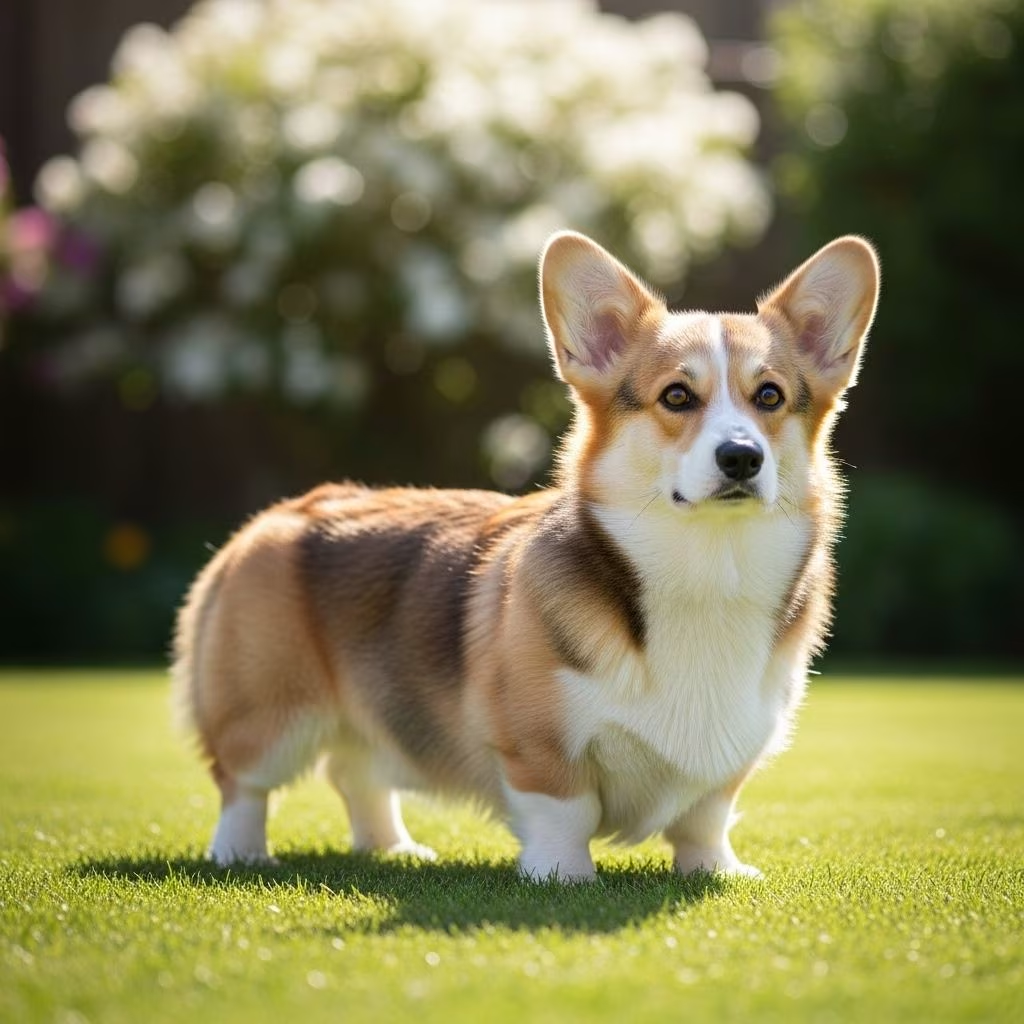
The Pembroke Welsh Corgi stands as one of the world’s best-loved herding breeds and companion dogs. Known for their distinctive build, expressive features, and cheerful personality, these intelligent pups make both excellent workers and outstanding family members. This comprehensive guide covers the Pembroke Welsh Corgi’s history, physical traits, temperament, health, care needs, and answers to the most frequent questions about the breed.
Breed Origin and History
The Pembroke Welsh Corgi originated in Pembrokeshire, Wales, centuries ago as a herding dog, adept at managing cattle and livestock across rugged terrain. Their stature and agility allowed them to nip heels and dodge kicks while remaining low to the ground. The breed’s legend includes stories of fairies riding corgis and bestowing them with their characteristic markings. Today, Pembrokes continue to delight with their working intelligence and loyal disposition. The breed is distinct from the Cardigan Welsh Corgi, with shorter, lighter bodies and often a naturally short or docked tail.
- Country of origin: Wales
- Historical role: Herding cattle and sheep
- Recognition: Officially recognized by major kennel clubs and beloved for royal associations
- Related breed: Cardigan Welsh Corgi; differs in length, bone structure, and tail type
Physical Characteristics
The Pembroke Welsh Corgi’s compact frame, upright ears, and expressive eyes make them instantly recognizable. While small in height, their sturdy build equips them for remarkable stamina and endurance. Their coats are double-layered and weatherproof, suited for work in varied climates.
| Feature | Description |
|---|---|
| Height | 10–12 inches at the shoulder |
| Weight | Females: approx. 28 lbs; Males: approx. 30 lbs |
| Body Type | Long frame, low to the ground, straight back |
| Coat | Double, short, weather-resistant. Colors: red, fawn, sable, black & tan with white markings |
| Tail | Usually docked short; natural bobtails occur; undocked tails now allowed in many places |
| Ears | Upright, medium size, rounded tips |
- Occasional “fluffy” corgis may appear; their longer, softer coats are adorable but not desirable for the show ring.
- Corgis are chondrodysplastic, a term describing their bowed limbs and predisposition for back problems if not properly cared for.
- Most are full-grown by one year but may fill out until two or three.
Gait and Movement
Corgis are built for stamina, not speed. Their movement is free, smooth, and ground-covering—their hindquarters provide propulsion with minimal bounce or exaggerated kickback. Proper movement reflects a tireless, coordinated gait equally suited to herding and play.
Pembroke Welsh Corgi Temperament
Few breeds blend cheer, loyalty, and intelligence as well as the Pembroke Welsh Corgi. These dogs thrive as family companions and love to be involved in all household activities. Their personality is shaped by their herding heritage, making them active, watchful, and sometimes demanding of attention.
- Affectionate and Social: Pembrokes crave interaction, following their people and seeking attention from children and adults.
- Highly Intelligent: Ranked among the top intelligent breeds, corgis learn quickly but can be stubborn. Their quick minds respond best to positive, engaging training.
- Protective and Alert: Originally bred as watchdogs, corgis bark to alert and may be territorial if not properly socialized.
- Energetic and Motivated: Proper exercise and stimulation are vital; boredom can lead to excessive barking or destructive behavior.
- Playful and Loyal: Corgis are loving, playful, and eager to please, forming strong bonds with their families and other pets when well exposed during puppyhood.
Due to their herding instinct, young corgis may nip at ankles—training and socialization help redirect this natural trait.
Health Considerations
Pembroke Welsh Corgis are typically robust, but they do have some breed-specific health concerns. Most lead long, healthy lives with proper preventative care and attention to their unique physical requirements.
- Orthopedic Issues: As a dwarf breed, corgis are prone to back problems such as intervertebral disc disease. Maintaining a healthy weight and avoiding high-impact activities reduces risk.
- Hip Dysplasia: Malformation of the hip joint can occur; reputable breeders screen for this condition.
- Degenerative Myelopathy: A progressive neurological disorder affecting older corgis.
- Obesity: Corgis love food and can easily become overweight; regular exercise and portion control are essential.
- Eye Disorders: Progressive retinal atrophy and cataracts may appear in some lines.
- Von Willebrand’s Disease: An inherited bleeding disorder sometimes found in the breed.
Lifespan averages 12–13 years, with many corgis living into their mid-teens. Regular veterinary checkups, balanced nutrition, and daily physical activity foster long-term health.
Care and Daily Needs
Maintaining a Pembroke Welsh Corgi’s wellbeing requires commitment to their exercise, grooming, diet, and social enrichment needs. Their versatility allows them to thrive in varied homes, from apartments to large ranches, as long as they receive sufficient attention.
Exercise Requirements
- Minimum of 30–60 minutes of daily exercise—walks, fetch, or herding-style games.
- Mental stimulation is crucial: puzzle toys and trick training appeal to their intelligence.
- Corgis enjoy agility, obedience, and even nose work activities.
- Secure, fenced areas allow safe off-leash play and prevent unwanted chasing.
Grooming and Shedding
- Corgis possess double coats and shed heavily, especially during spring and fall.
- Weekly brushing helps manage shedding and keeps their coat healthy.
- Bathing every few months or as needed—overbathing removes protective oils.
- Check ears weekly for wax or debris, and trim nails regularly.
- Fluffy corgis require extra grooming attention.
Nutrition
- Balanced, age-appropriate dog food is essential.
- Portion control and avoidance of table scraps guard against obesity.
- Monitor weight and adjust feeding as needed with veterinary guidance.
Training and Socialization
Corgis’ intelligence and eagerness to please make them highly trainable—when the owner remains consistent and positive. Early socialization prevents excessive barking or territorial tendencies. Exposure to varied people, pets, and environments lays the foundation for a confident, well-mannered adult dog.
- Start young: Introduce new experiences and enforce good behaviors from puppyhood.
- Positive reinforcement: Use treats, praise, and play for motivation.
- Prevent stubbornness: Avoid harsh discipline which may increase resistance.
- Herding instincts: Redirect ankle-nipping or chasing behavior through alternative outlets and commands.
Pembroke Welsh Corgi vs. Cardigan Welsh Corgi
| Feature | Pembroke Welsh Corgi | Cardigan Welsh Corgi |
|---|---|---|
| Tail | Usually docked/short or natural bobtail | Long, bushy tail |
| Body Type | Shorter, lighter | Longer, heavier-boned |
| Ears | Upright, more rounded | Upright, more rounded |
| Coat Color | Red, fawn, sable, black & tan, tri-colored | Brindle, blue merle, red, black, and sable |
| Temperament | Outgoing, energetic, watchful | Affectionate, even-tempered, slightly reserved |
Is a Pembroke Welsh Corgi Right for You?
Pembroke Welsh Corgis adapt to many living environments, but ideal homes are those ready to provide active companionship, guidance, and steady engagement. Families with children, individuals who spend time outdoors, and owners who enjoy obedience training or canine sports will find corgis remarkable companions. Be prepared to manage shedding, encourage exercise, and invest in consistent training to avoid stubborn or willful behavior.
- Best for: Active families, singles, rural, or urban environments *
- Challenges: High shedding, herding instincts, may vocalize *
- Rewards: Affectionate companion, loyal watchdog, intelligent and fun-loving *
Frequently Asked Questions (FAQs)
Q: Are Pembroke Welsh Corgis good with children?
A: Yes! Pembroke Welsh Corgis are typically loving and gentle with children. Early socialization and supervised play help prevent herding-related nipping or overexcitable behavior around little ones.
Q: How much daily exercise does a Pembroke Welsh Corgi need?
A: Corgis require 30–60 minutes of daily activity, including walks, play, and mental enrichment through training or games.
Q: Do Pembroke Welsh Corgis shed a lot?
A: Yes. Their double coat means heavy shedding, especially during seasonal changes. Regular brushing will minimize loose hair around the home.
Q: Are Pembroke Welsh Corgis easy to train?
A: Their intelligence means corgis learn quickly; however, combining positive reinforcement with consistency is vital to minimize stubbornness. Early socialization and puppy classes are recommended.
Q: What common health problems do Pembroke Welsh Corgis face?
A: They may develop back issues, hip dysplasia, progressive retinal atrophy, degenerative myelopathy, and obesity. Preventative care and regular checkups are key.
Q: Can Pembroke Welsh Corgis live in apartments?
A: Yes, provided they receive sufficient exercise and engagement. Mental and physical stimulation prevents boredom and nuisance behaviors.
Q: What’s the difference between Pembroke and Cardigan Welsh Corgis?
A: Pembrokes usually have docked or naturally short tails and lighter frames, while Cardigans have long tails and heavier builds, with slightly differing temperaments and coat colors.
Conclusion
The Pembroke Welsh Corgi combines herding heritage, cheerful spirit, physical resilience, and family devotion into a compact, bold, and lovable package. With informed care, proper training, and a dose of daily fun, corgis make a joyful addition to homes of all sizes, promising loyalty, smarts, and plenty of character for years to come.
References
- https://www.akc.org/dog-breeds/pembroke-welsh-corgi/
- https://www.pawlicy.com/blog/corgi-dog-breed/
- https://en.wikipedia.org/wiki/Pembroke_Welsh_Corgi
- https://www.hillspet.com/dog-care/dog-breeds/welsh-corgi-pembroke
- https://www.petmd.com/dog/breeds/pembroke-welsh-corgi
- https://www.welshcorgileague.org/the-breed-standard/
- https://www.webmd.com/pets/dogs/what-to-know-pembroke-welsh-corgis