The Shih-Poo is a designer dog breed that combines the best qualities of the Shih Tzu and the Poodle, creating an affectionate, playful, and low-shedding companion. With their intelligence, adaptability, and loving nature, Shih-Poos have become a popular choice among pet parents seeking a devoted family pet or cheerful lapdog. In this comprehensive guide, you’ll find detailed information on the Shih-Poo’s origins, temperament, physical traits, care requirements, grooming, training, health, and much more.
Breed Origins and History
The Shih-Poo is a deliberate crossbreed between the purebred Shih Tzu and Poodle, typically the Toy or Miniature variety. While hybrid dogs like the Shih-Poo have existed for decades, purposeful breeding of the Shih-Poo became more mainstream in North America during the late 20th century. The cross was designed to combine the Shih Tzu’s gentle companionship with the Poodle’s intelligence and hypoallergenic coat. As a result, the Shih-Poo is sought after by dog lovers looking for a playful pet with reduced shedding and an engaging personality.
Physical Characteristics and Appearance
Shih-Poos can vary in appearance, inheriting a blend of traits from both parent breeds. Some key traits include:
- Size: Typically small, ranging from 8 to 18 pounds depending on whether the Poodle parent is Toy or Miniature.
- Height: About 8 to 15 inches at the shoulder.
- Body: Compact and sturdy, yet elegant.
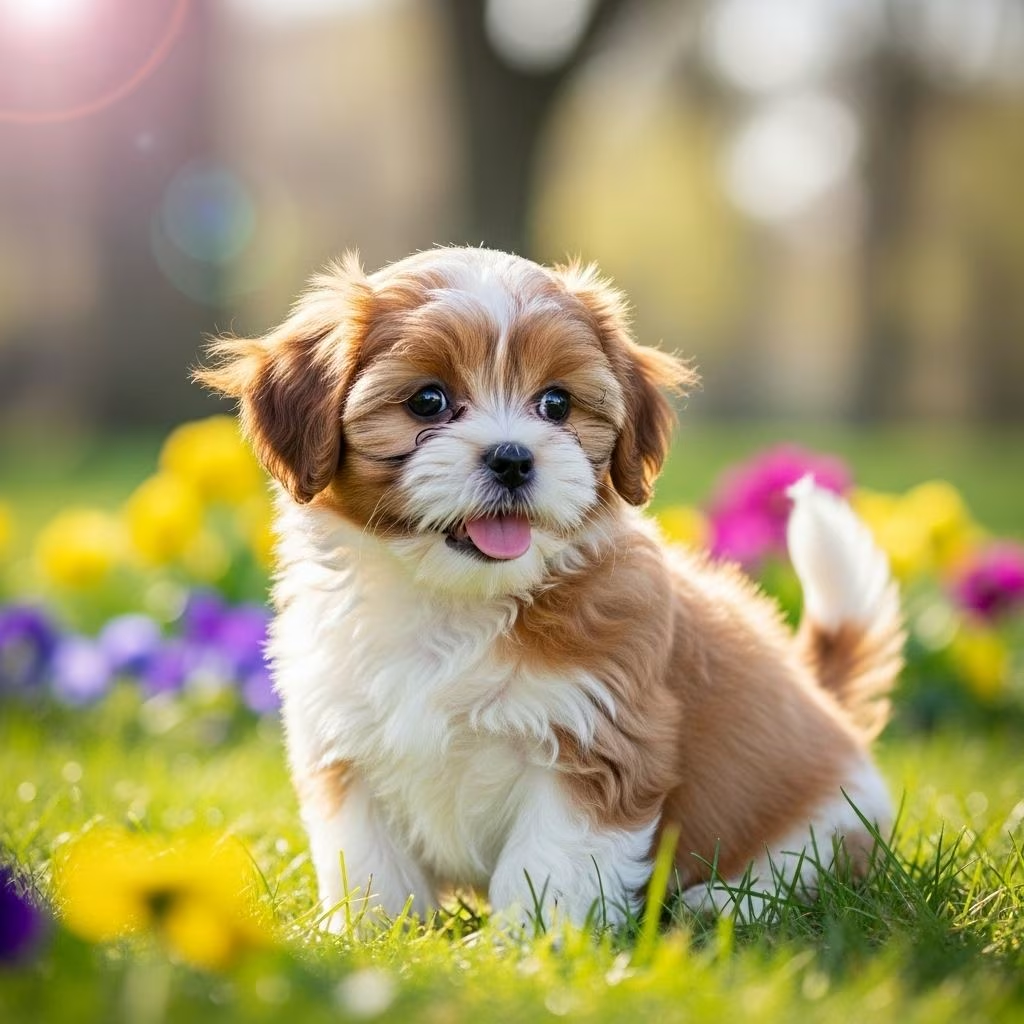
- Head & Face: Rounded face with expressive, dark eyes. The muzzle may be short like the Shih Tzu or a bit longer like the Poodle.
- Ears: Floppy and often covered with wavy or curly hair.
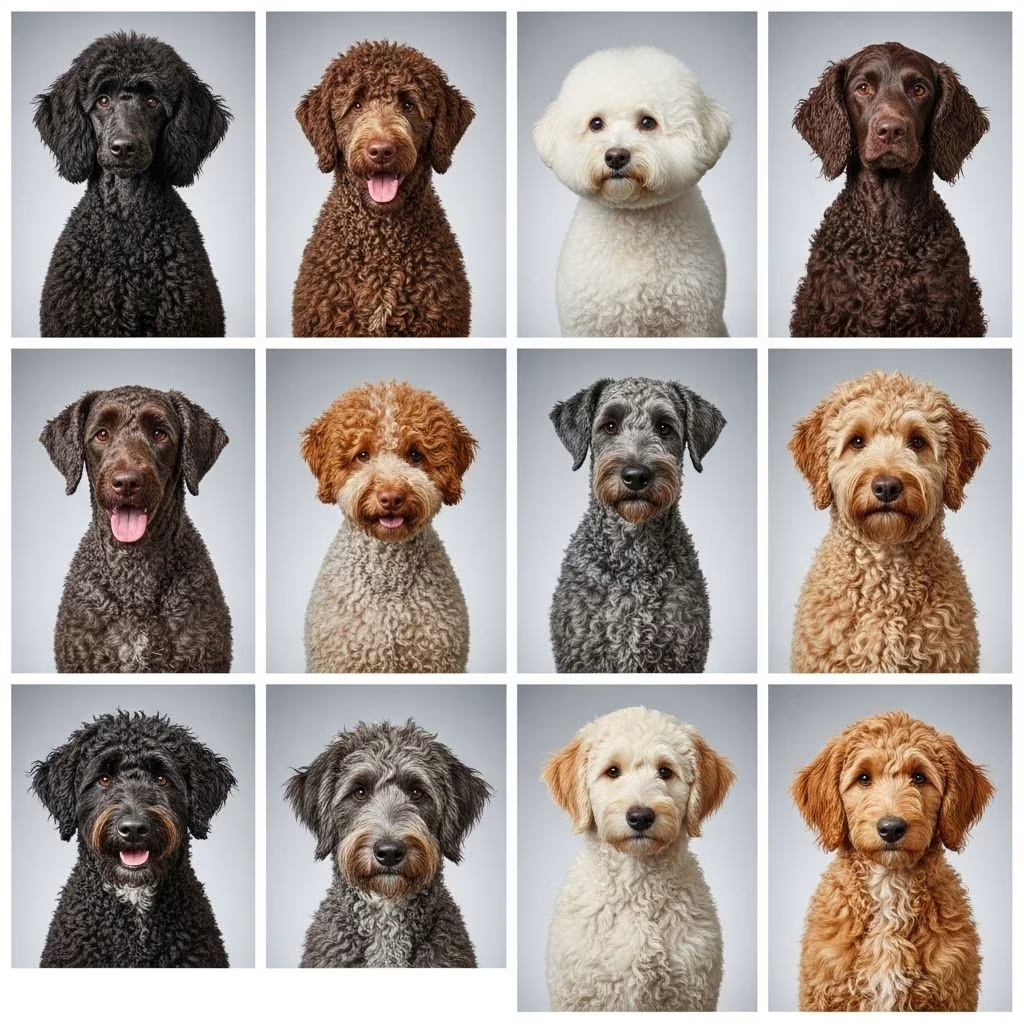
- Coat: Usually soft, curly, or wavy, comes in a wide range of colors—black, white, brown, grey, apricot, and combinations.
- Tail: Covered with fluffy fur, it may curl over the back or hang straight.
Variability in the Shih-Poo’s appearance is common—even puppies from the same litter can look distinctly different.
Shih-Poo Size Chart
| Parent Poodle Type | Approx. Weight Range | Height |
|---|---|---|
| Toy Poodle | 8-12 lbs | 8-12 inches |
| Miniature Poodle | 13-18 lbs | 11-15 inches |
Temperament and Personality
The Shih-Poo is renowned for its cheerful disposition and gentle, social demeanor. Most Shih-Poos:
- Affectionate: Enjoy snuggling with family, love companionship, and thrive on attention.
- Playful: Like to engage in interactive games and short bursts of activity.
- Loyal: Attach deeply to their families and often follow their owners around.
- Intelligent: Quick to pick up on commands and tricks, especially with positive reinforcement.
- Calm: Enjoy periods of play balanced with naps or relaxed time on your lap.
- Social: Generally friendly with strangers, children, and other pets when socialized early.
- Adaptable: Suit various living environments, from apartments to homes with yards.
- Not overly vocal: Less likely to bark excessively, but will alert to unfamiliar noises.
Shih-Poos are excellent companions for singles, seniors, and families alike, provided their social and exercise needs are met. Early socialization and gentle training help nurture their best qualities.
Living Environment and Suitability
- Space Needs: Shih-Poos adapt well to apartments, condos, and houses. They don’t require much room due to their size but enjoy having a cozy bed and a few toys.
- Lap Dog Appeal: Many Shih-Poos live up to the reputation of being lap dogs, often happiest when snuggled next to their human companions.
- Family Compatibility: Suitable for families of all ages, from toddlers to seniors, as they bond easily and remain gentle in temperament.
- Multiple Pets: Their friendly, adaptable nature means they usually get along well with other dogs and even cats if socialized early.
Exercise and Activity Requirements
Although Shih-Poos have a moderate energy level, they still require daily exercise for both mental and physical well-being. Recommended activities include:
- Short walks (15–30 minutes daily, broken up into two or more outings)
- Playtime (indoor games like fetch, tug-of-war, or hide-and-seek)
- Interactive puzzle toys and mentally stimulating games
They enjoy being active but tire quickly and often retreat to nap in their owner’s lap afterward.
Grooming and Coat Care
One of the Shih-Poo’s key appeals is its low-shedding coat, inherited from the Poodle parent. However, their dense and often curly or wavy fur still needs regular maintenance:
- Brushing: Brush 2–3 times a week, or even daily, to prevent tangles and matting.
- Bathing: Bathe as needed, typically once every 3–4 weeks.
- Professional Grooming: Schedule every 6–8 weeks for trims and to keep the coat manageable.
- Ear Care: Check and clean ears regularly to avoid infections.
- Teeth Brushing: Brush teeth several times each week for dental health.
- Nail Trimming: Trim nails at least monthly, or as needed, to prevent splitting and discomfort.
Pay special attention to areas like the face and ears, which are prone to matting due to the soft and dense fur.
Training Your Shih-Poo
Thanks to their intelligence and eagerness to please, Shih-Poos are generally easy to train, especially with positive reinforcement methods.
- Start early: Begin socialization and basic obedience training as soon as you bring your puppy home.
- Be consistent: Use regular schedules and clear, simple commands.
- Use rewards: Reward good behavior with treats and praise; avoid harsh discipline.
- Patience: While intelligent, some Shih-Poos inherit a stubborn streak from the Shih Tzu side—keep sessions short and engaging.
- Crate training: Helps with housetraining and provides a safe, secure place for your dog.
Early and consistent socialization is important to ensure your Shih-Poo remains confident and friendly with children, strangers, and other animals.
Nutrition and Feeding
A healthy diet is key to a Shih-Poo’s long and happy life. Tips include:
- Feed high-quality small breed dog food formulated to meet their calorie and nutrient needs.
- Adjust portions according to age, weight, activity level, and veterinary guidance.
- Provide fresh water at all times.
- Avoid table scraps and foods toxic to dogs (like grapes, chocolate, onions).
Monitor your dog’s weight and adapt feeding as necessary to prevent obesity.
Health and Common Medical Concerns
Shih-Poos are generally considered robust, but like all breeds and mixes, they can be prone to certain health issues. Some of the conditions to be aware of:
- Dental problems: Small breeds often deal with dental disease, so regular brushing and dental chews are helpful.
- Ear infections: Due to floppy ears and hair growth inside the ear canal; regular cleaning helps prevent this.
- Patellar luxation: Dislocation of the kneecap, common in small dogs.
- Eye problems: Conditions like progressive retinal atrophy and cataracts.
- Respiratory issues: Shih-Poos with short muzzles may have mild brachycephalic traits (snoring, noisy breathing).
- Allergies and sensitivities: Skin and coat sensitivities may require special shampoos and diets.
Routine veterinary exams, up-to-date vaccinations, flea/tick/heartworm prevention, and responsible breeding help minimize these risks.
Is the Shih-Poo Right for You?
Shih-Poos are well-suited for a variety of homes and lifestyles, but they thrive best when:
- You are seeking a small, affectionate companion dog.
- You can provide daily interaction, training, and moderate exercise.
- Regular grooming fits into your schedule and budget.
- Members of your household (including children) understand gentle handling.
- You commit to regular veterinary care and preventive health routines.
If you’re looking for a canine that will shower you with affection, brighten your days with playful antics, and happily nap in your lap, the Shih-Poo may be an excellent addition to your family.
Frequently Asked Questions (FAQs)
Q: Are Shih-Poos hypoallergenic?
A: Shih-Poos tend to be low-shedding because of their Poodle heritage and are considered more suitable for people with mild allergies. However, no breed is truly 100% hypoallergenic.
Q: How often do Shih-Poos need grooming?
A: They require brushing several times a week and professional grooming every 6–8 weeks to keep their coat healthy and free of mats.
Q: Are Shih-Poos good with children?
A: Yes, Shih-Poos are known for their affectionate and gentle demeanor, making them suitable for families with respectful children.
Q: How much exercise do Shih-Poos need?
A: About 30 minutes of daily activity, which can be divided into short walks and play sessions.
Q: What is the typical lifespan of a Shih-Poo?
A: Shih-Poos generally live 12–15 years with proper care, nutrition, and regular veterinary checkups.
Q: Do Shih-Poos bark a lot?
A: They are not known for excessive barking, but may occasionally bark to alert their owners of visitors or unusual noises.
Key Takeaways
- Shih-Poos are affectionate, intelligent, and easy to train, making them excellent companions for many types of households.
- They feature low-shedding coats, but require regular grooming and maintenance.
- Moderate exercise and mental engagement keep them healthy and happy.
- Early socialization and positive reinforcement are essential in raising a confident, friendly Shih-Poo.
- Regular veterinary care aids in longevity and overall well-being.
Whether you seek a lively playmate or a devoted lapdog, the Shih-Poo offers a wonderful blend of charm and companionship that enriches any home.
References
- https://www.petmd.com/dog/breeds/shih-poo
- https://www.youtube.com/watch?v=A7LvLJndBUI
- https://naturalbreedkennels.com/shihpoo-puppies-the-ultimate-cuddly-and-playful-family-addition/
- https://dogtime.com/dog-breeds/shih-poo
- https://peaklegacyranch.com/breed/shih-poo/
- https://www.metlifepetinsurance.com/blog/breed-spotlights/shih-poo/